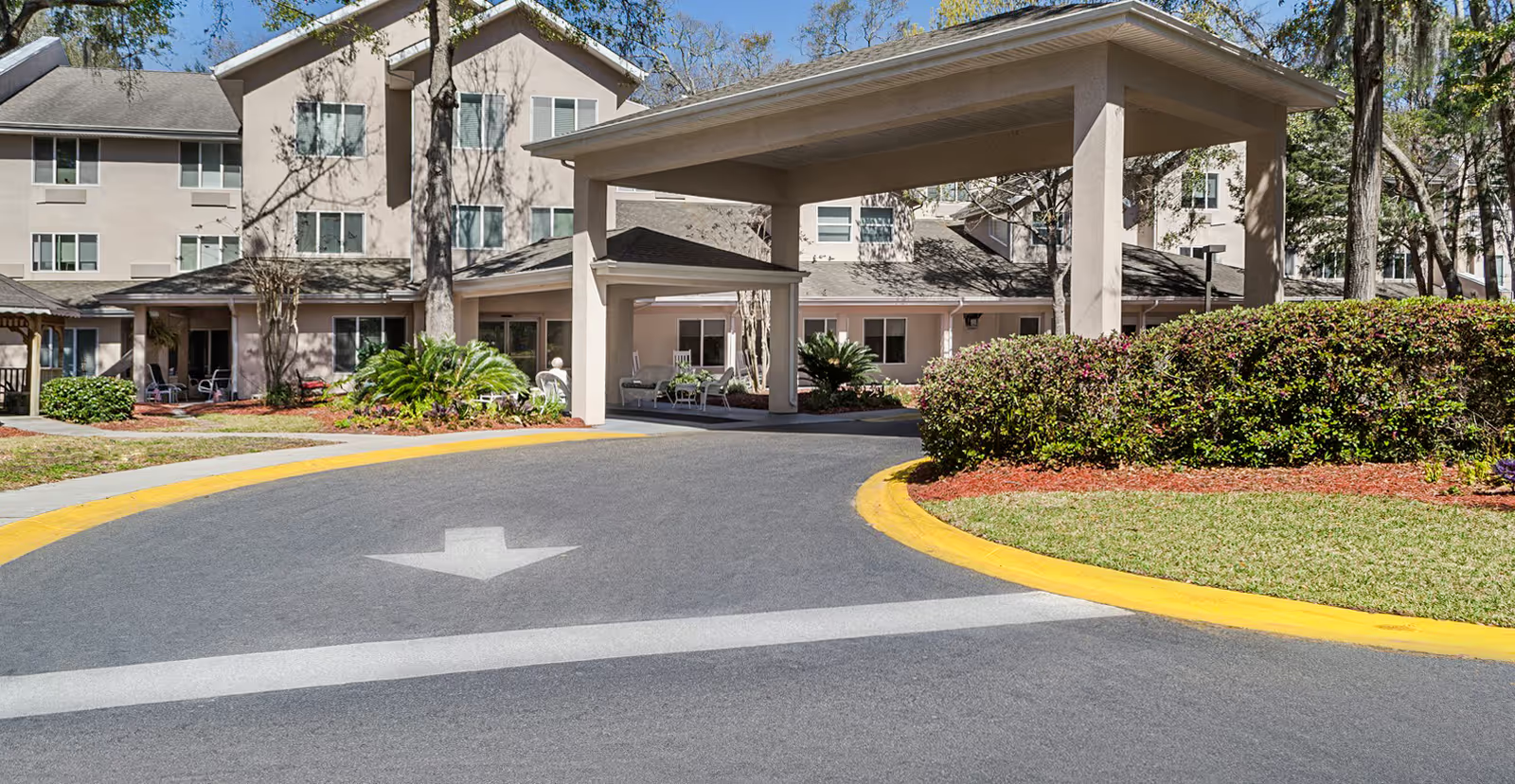
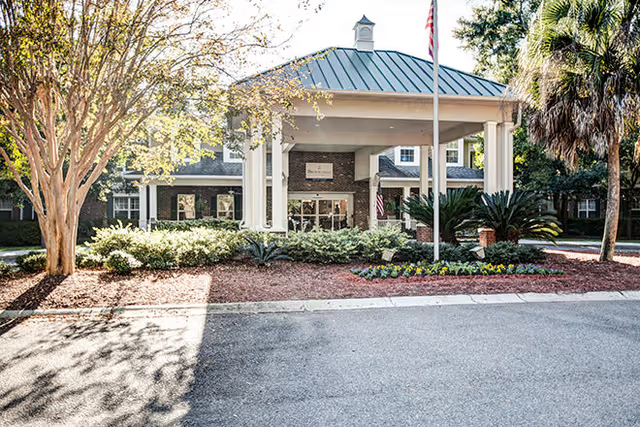
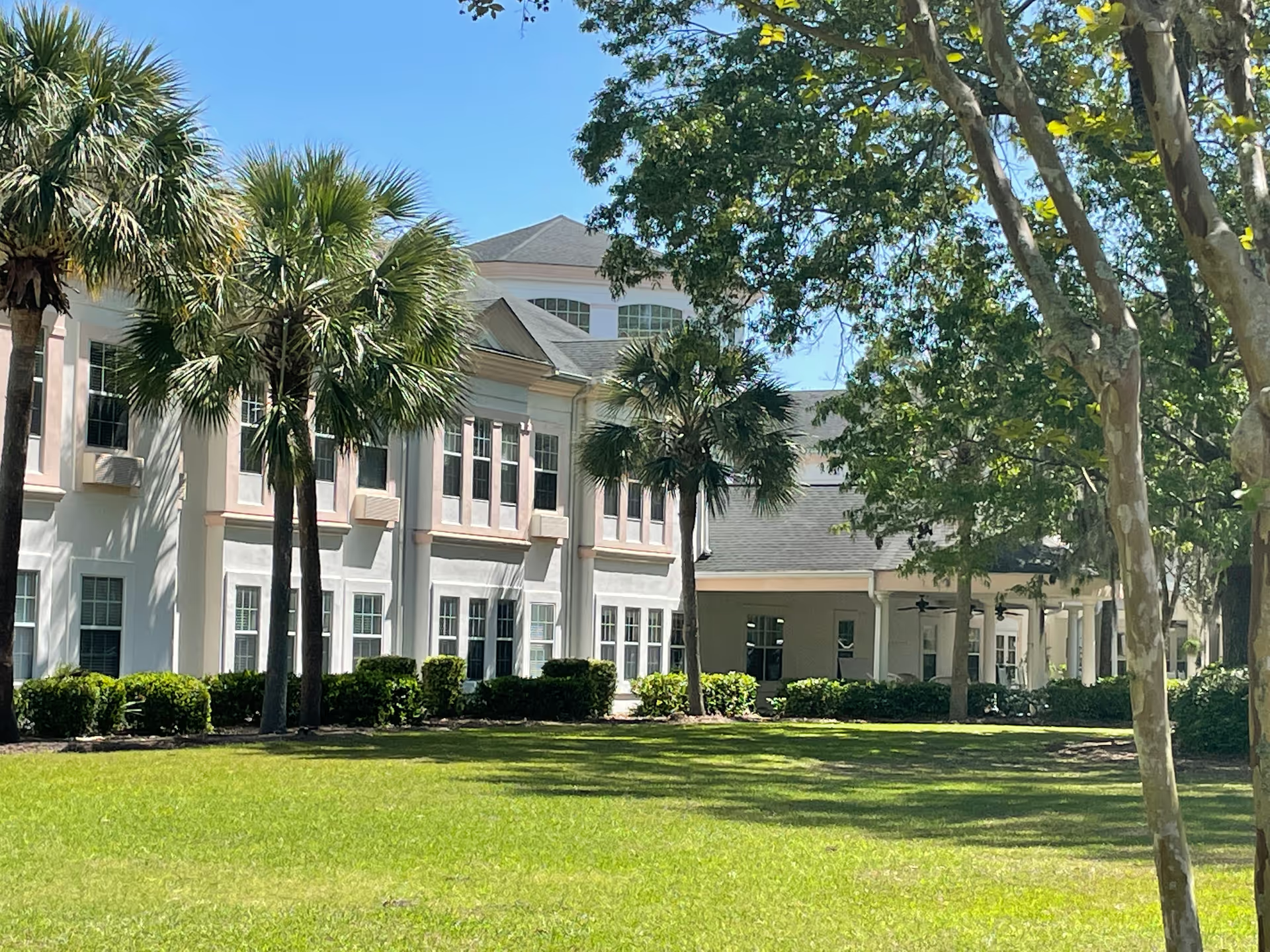
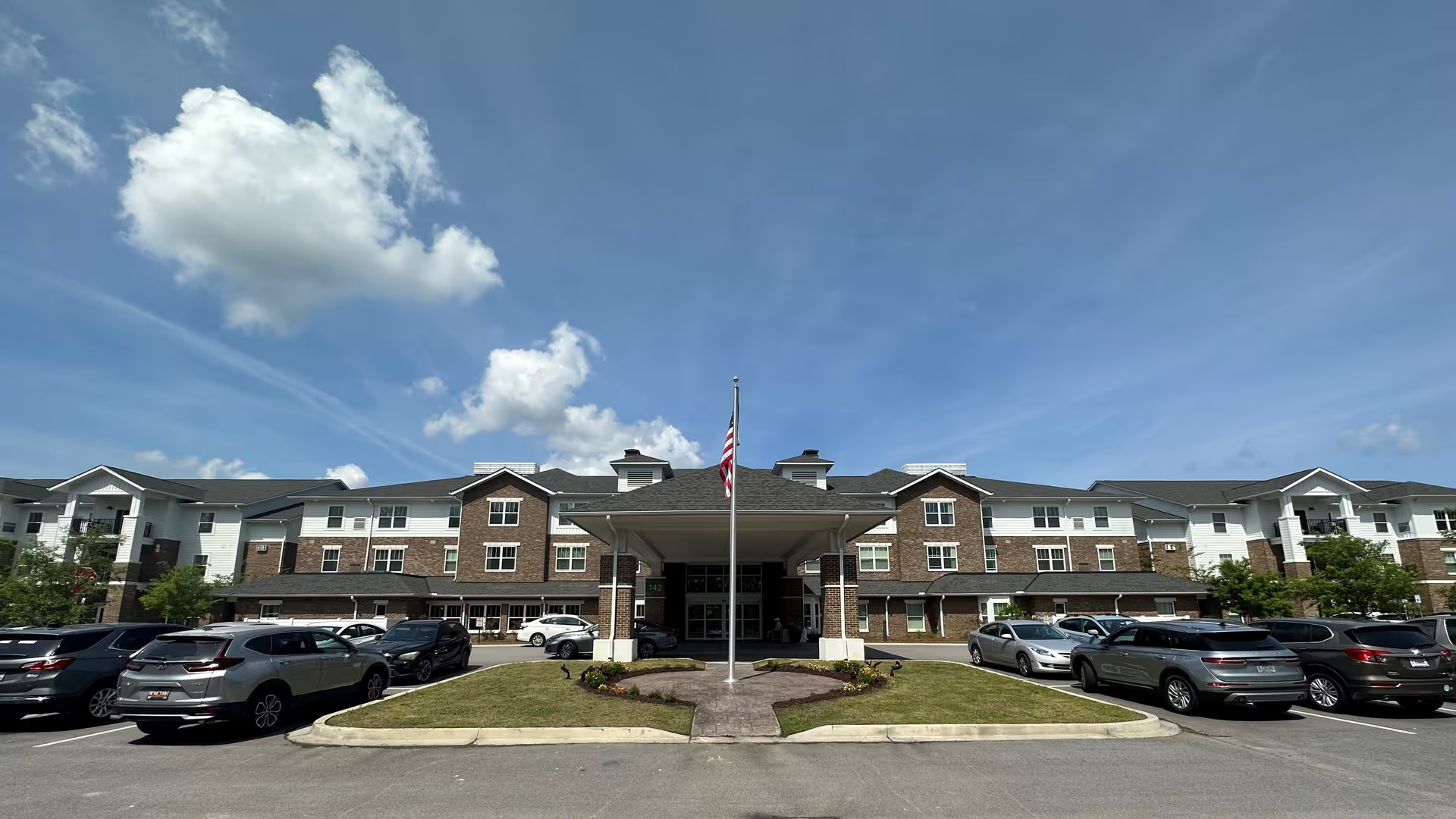
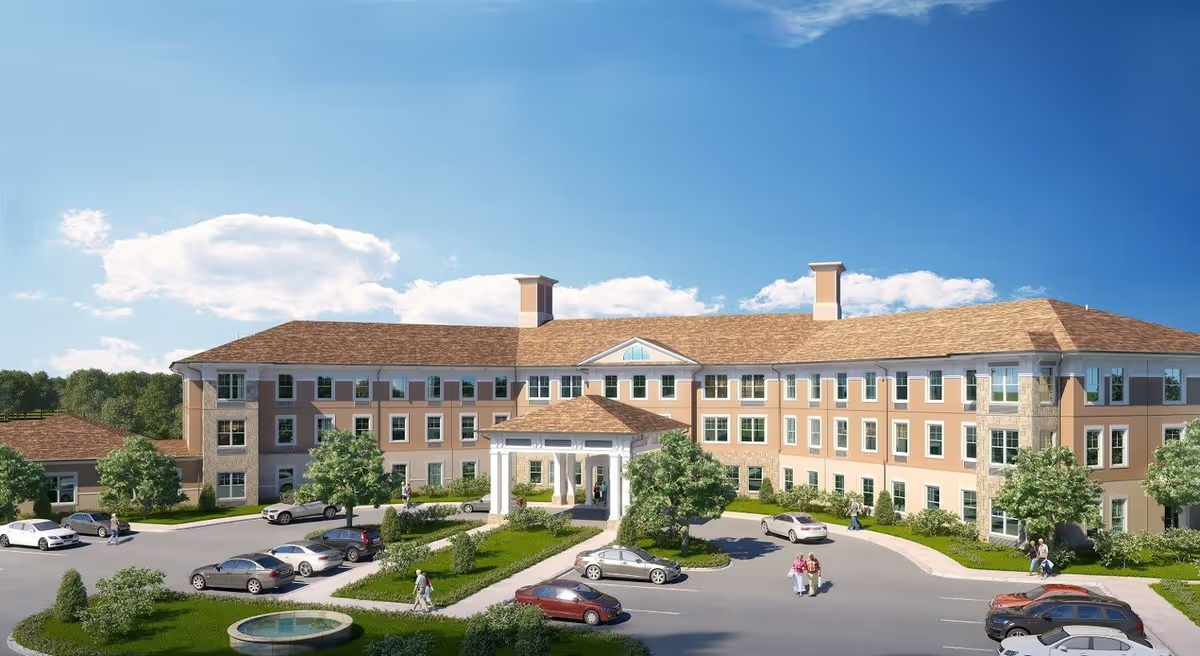
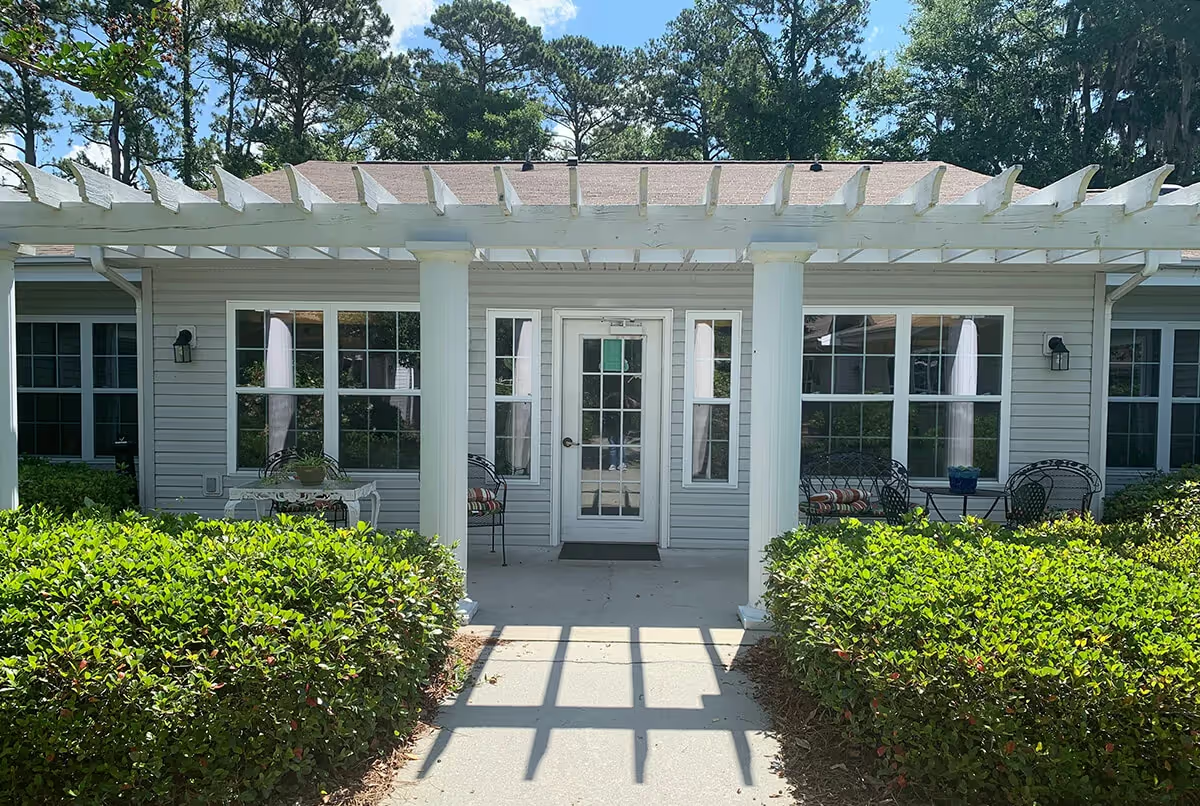
Broad Creek Care Center receives frequent praise for its direct-care staff and therapy teams. Many accounts describe nursing staff, CNAs, and therapists as compassionate, attentive, and skilled; reviewers commonly highlight targeted PT/OT programming, effective daily medication management, and supportive palliative/hospice services. Admissions personnel and on-site leadership are often described as helpful and available, which contributes to an overall impression of a welcoming, home-like facility with clean, attractive common areas.
Activities and dining are consistent strengths in the commentary. The facility’s activities program is characterized as well-coordinated and socially engaging, with a full calendar that many families and residents find stimulating; an identified activities coordinator receives specific commendation for event organization. Dining is regularly described as nutritious and well prepared, and references to a strong culinary team suggest the food program is an important positive feature for residents’ day-to-day quality of life.
Despite numerous positive reports, there are notable operational concerns that prospective residents and families should evaluate. Several reviewers raised serious concerns about clinical oversight and chronic-condition monitoring; these accounts include disagreement about how certain medical issues were managed and about responsiveness to family-identified clinical concerns. In addition, there are consistent comments about inconsistent family communication and limited family involvement in care discussions, together with reports of restricted access to meetings or documentation in some cases. One or more reviewers made very serious allegations related to authorization and records handling; these kinds of claims merit direct verification with the facility and review of policies and records.
Other recurring operational themes include variability in therapy scheduling (with limited or no therapy coverage noted on some weekends), occasional billing or insurance-processing problems, and uneven consistency of care across shifts or units. These are described as facility-level process issues rather than universal features of the program; several families described excellent, even outstanding, experiences while others described disappointing interactions tied to the items above.
Recommendations for prospective families: tour the areas most relevant to your loved one (therapy spaces, skilled nursing unit, dining), ask about weekend therapy availability and staffing levels by shift, request written policies on family participation in care meetings and access to medical records, review medication-management and chronic-condition monitoring protocols, and clarify billing and insurance workflows before admission. Because testimonials are strongly positive overall but a subset describe serious administrative or clinical concerns, confirming these operational details in person and obtaining clear written agreements will help align expectations and reduce risk of misunderstandings.