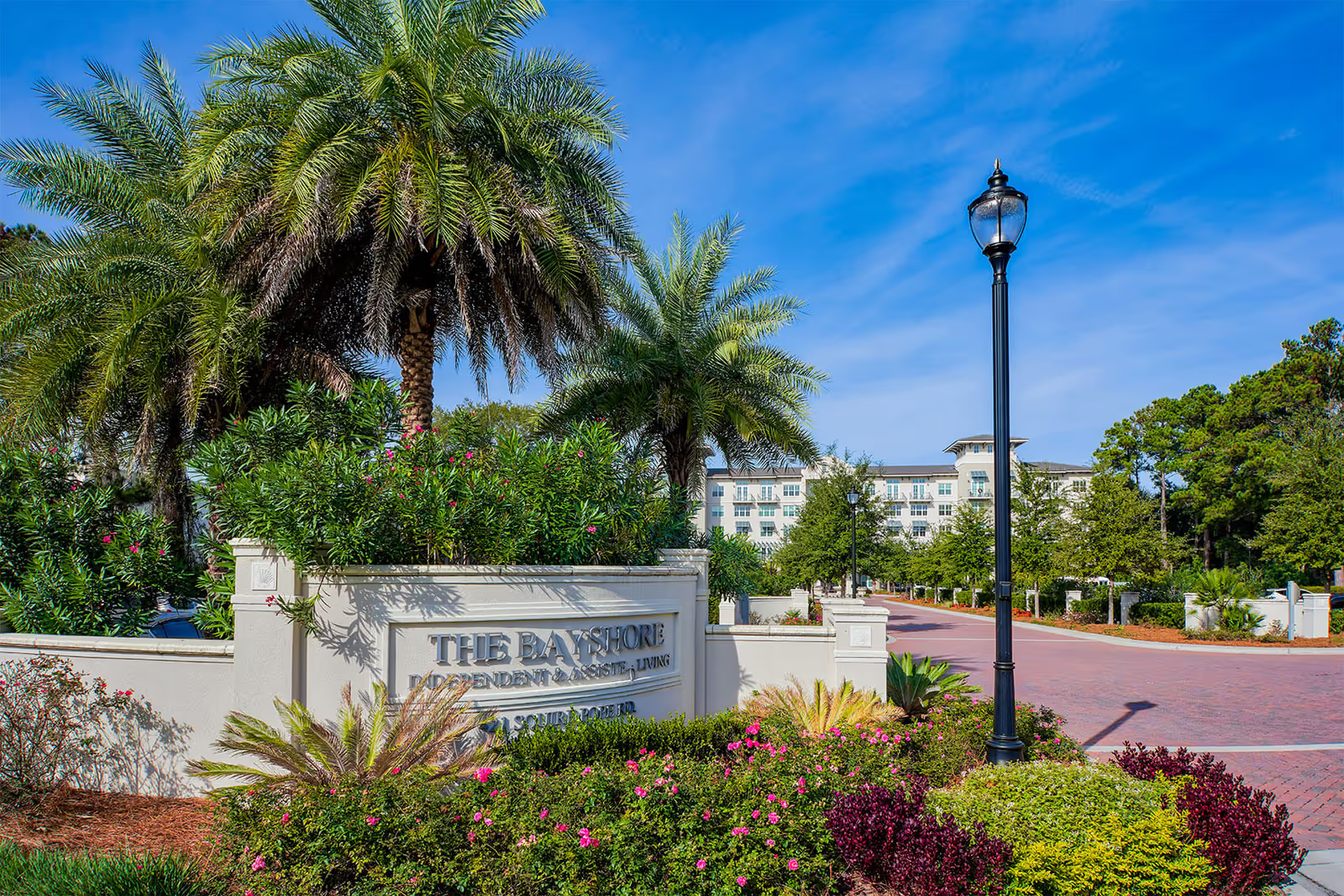
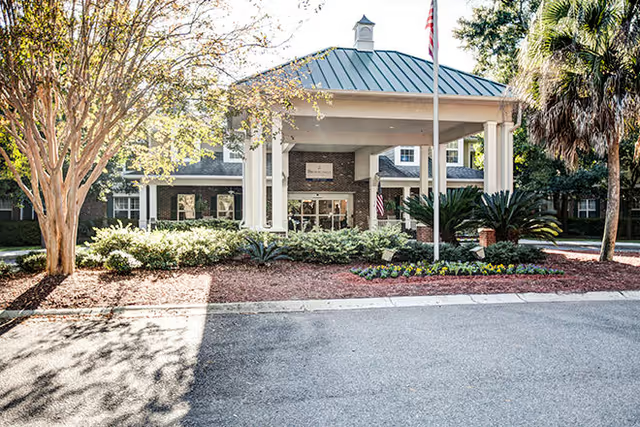
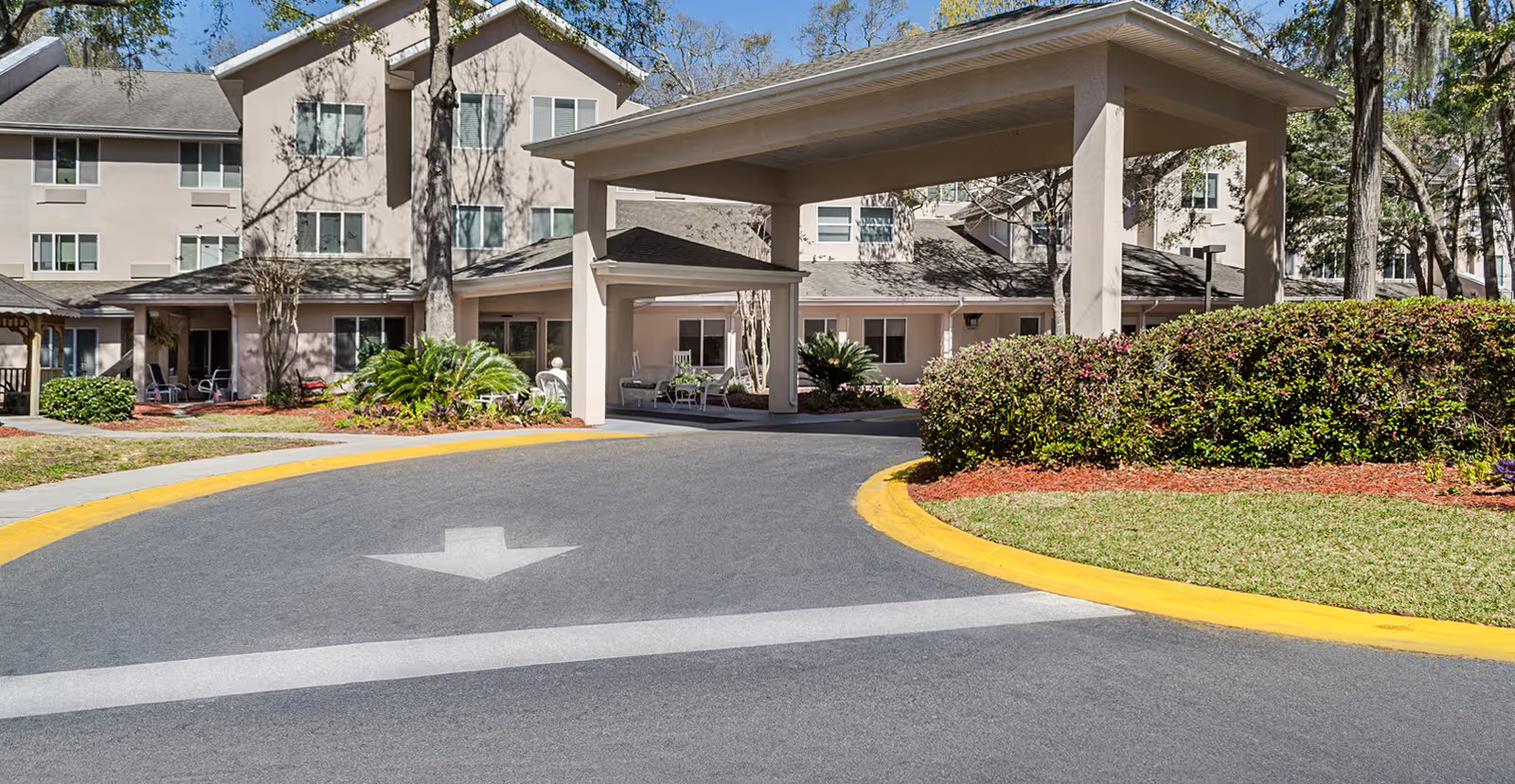
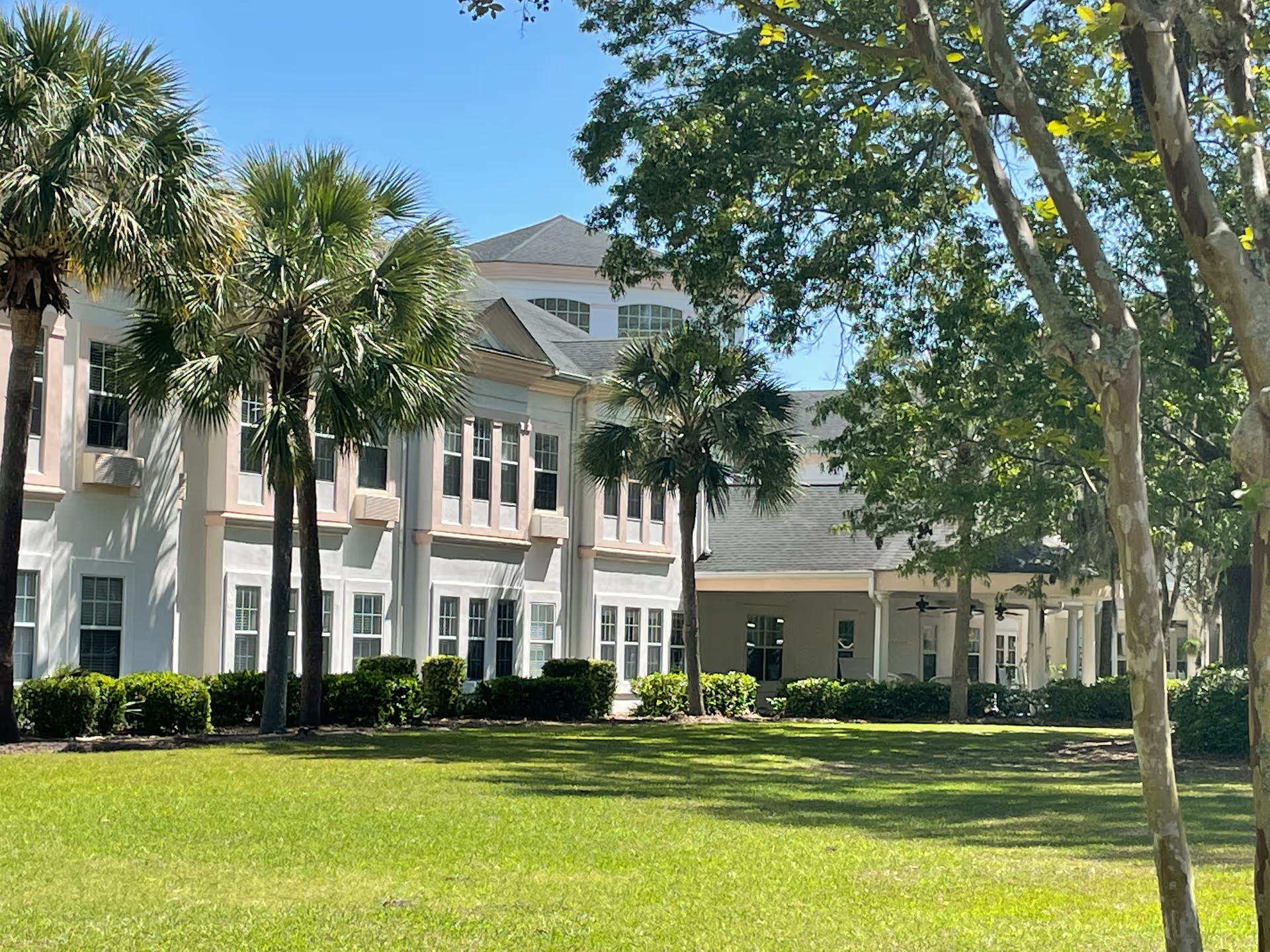
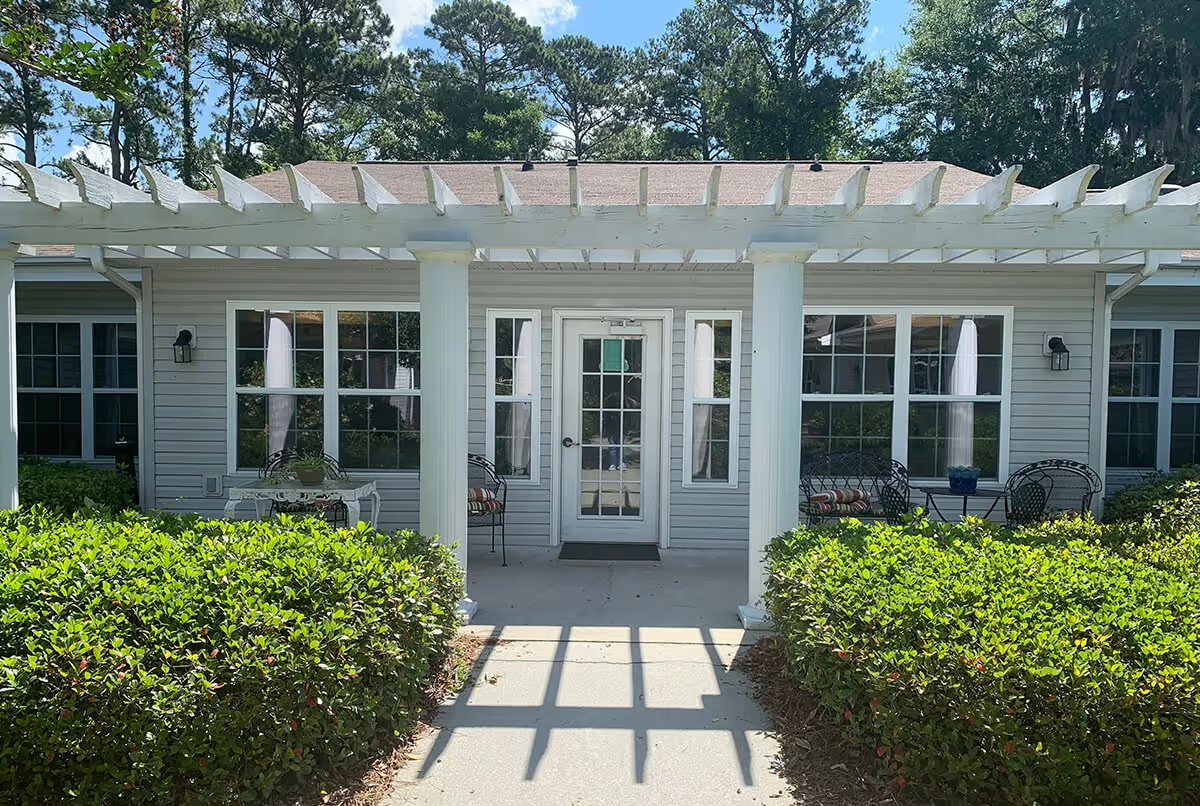
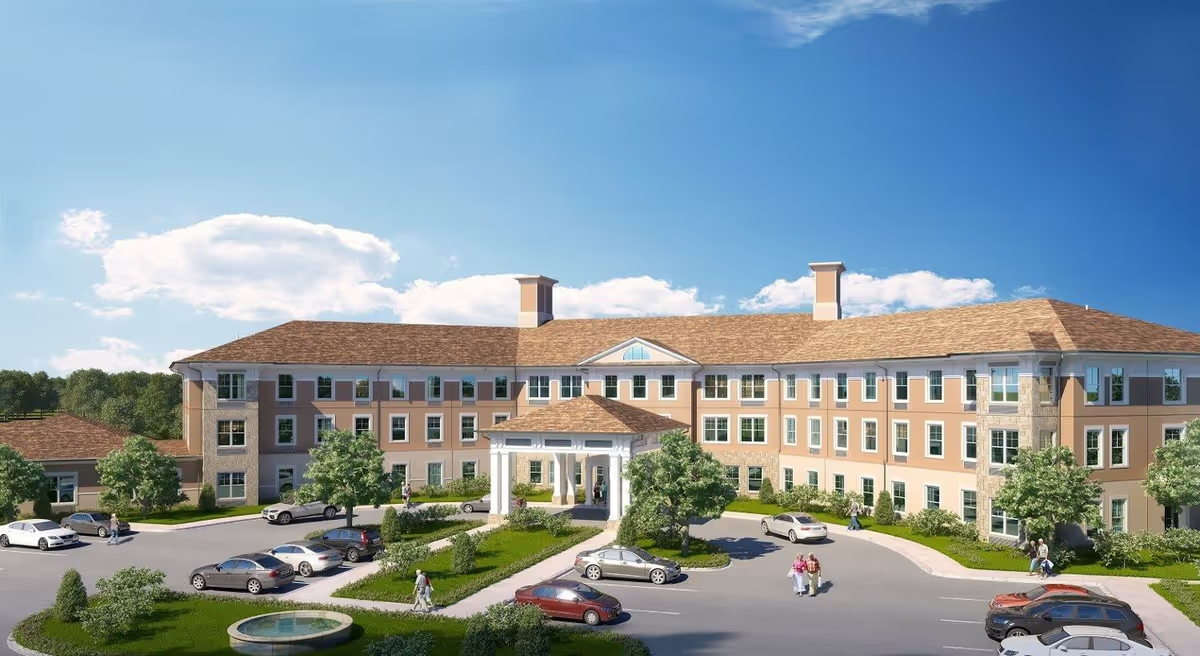
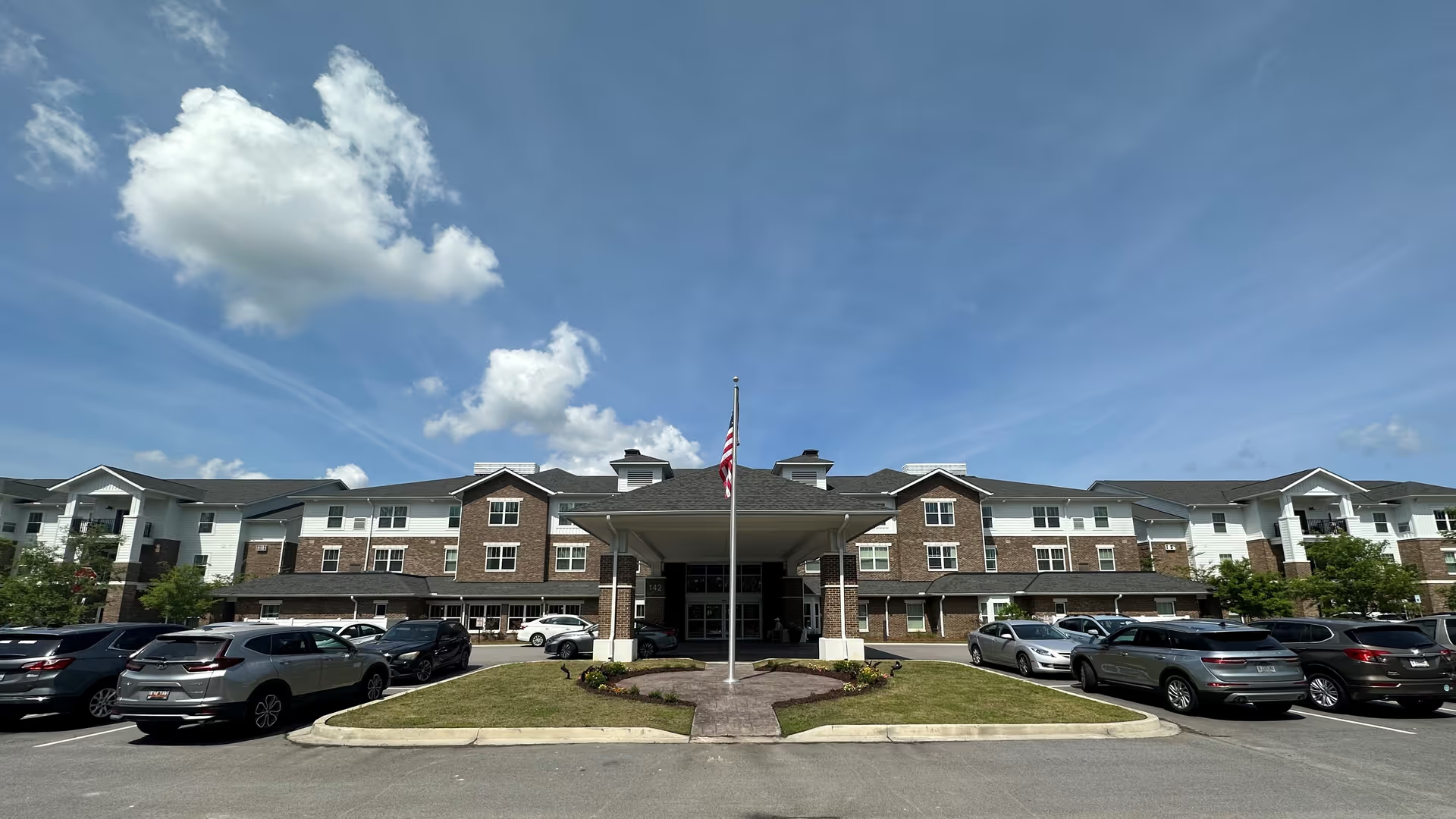
The Cypress of Hilton Head is described predominantly as a high-quality, resort-like senior living community with strong social programming, attractive facilities, and an experienced staff. Review content emphasizes a beautifully maintained 100-acre campus, villa-style housing options, well-appointed apartments, and abundant amenities such as fitness centers, swimming, golf, bike paths, a library, and restaurant-style dining. The culinary program and dining venues receive frequent praise for quality and variety. Residents and family members commonly note an active, country-club atmosphere and a strong sense of community fostered by a robust activities department and diverse cultural offerings.
Care and staff performance are frequently cited as strengths. Many accounts highlight compassionate, professional caregivers and long-tenured staff who provide personalized attention, supportive transitions (including dementia care), and strong rehabilitation services through the on-site Preston clinic. Administrative and IT operations are also noted for being efficient and responsive in many cases. These elements contribute to an overall impression of a well-run facility where residents can remain engaged and receive clinical support when required.
Despite the many positives, several operational patterns emerge as concerns for prospective residents and families. The community appears to offer limited assisted-living options and is not structured as a full continuing-care campus for those who need intermediate-level support; this creates a gap in the care continuum for residents whose needs increase over time. Reviewers indicate uneven experiences between independent-living areas and the skilled-nursing component, with some finding the nursing area more institutional and less vibrant. Emergency preparedness and evacuation procedures are another area of concern, with accounts suggesting that prioritization and logistics for frail residents may not consistently meet families’ expectations.
Communication and social-integration issues are also noted. While many praise staff accessibility, other accounts describe inconsistent responsiveness to family inquiries and instances where staff workflow limits timely communication. Socially, some single residents have experienced isolation due to dining seating patterns or a perceived private-club dynamic that can make newcomer integration slower. Operational choices that emphasize resident autonomy are appreciated by many, but a subset of families view those same policies as constraining when more hands-on support would be beneficial.
For prospective residents and families, the Cypress offers considerable advantages: exceptional grounds and amenities, active programming, reputable dining, and a generally compassionate staff. Key due-diligence topics include confirming the availability and scope of assisted-living or intermediate-care services, reviewing emergency and evacuation protocols (especially for higher-dependency residents), asking about dining seating and social-integration practices for single residents, clarifying family-communication procedures, and understanding total costs and what programming fee transparency is provided. These inquiries will help determine whether the community’s strong independent-living culture and service model align with an individual’s long-term care needs and expectations.