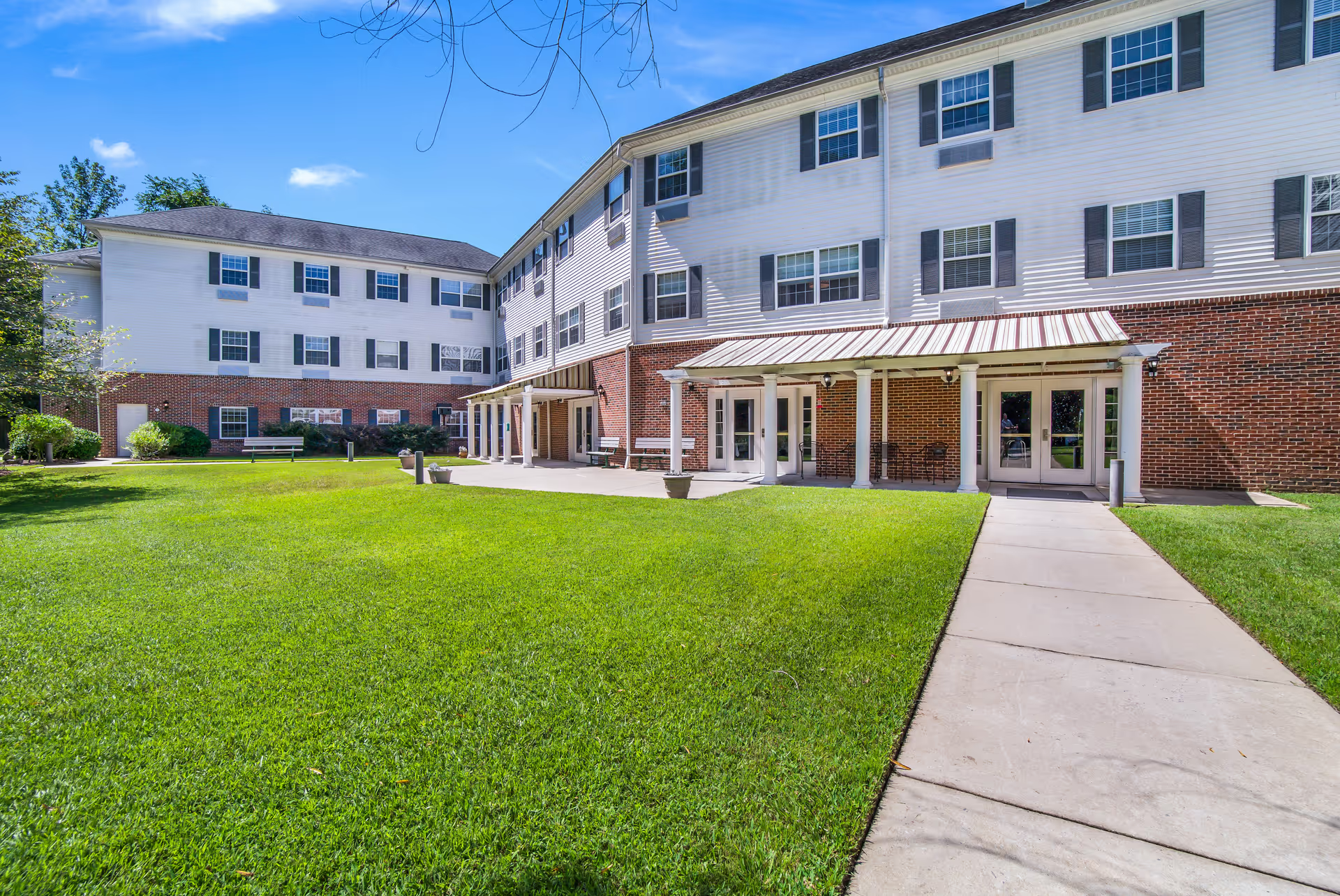
Reviews of Lexington Medical Center Extended Care present a polarized picture: many families describe caring, capable staff members and positive clinical outcomes, while others raise significant concerns about operational consistency. Strengths cited include attentive aides, skilled therapy teams that achieved meaningful rehabilitation for some residents, pleasant common spaces (a roomy lobby, screened porch and outdoor areas), and organized social programming. Several reviewers also noted reliable family communication, modern therapy tools, and effective hospice support during end-of-life care.
Care quality reviews vary considerably. Positive accounts emphasize individualized, respectful bedside care and successful therapy progress. Conversely, a substantial theme is inconsistent delivery of basic care tasks and monitoring: delayed attendance to calls, inconsistent bathing and repositioning routines, and concerns about incontinence-care delays and pressure-injury risk. Medication administration and clinical follow-up are described as inconsistent in multiple accounts, and some families reported delayed recognition of acute medical changes. These patterns point to gaps in on-floor clinical supervision and escalation pathways during staffing shortages.
Staffing and workforce issues are a recurring driver of other concerns. Reviewers frequently identify chronic understaffing, high resident-to-CNA ratios, frequent staff turnover, and low morale as root causes that affect timeliness, continuity of care, and the overall resident experience. At the same time, many reviews single out individual aides, nurses, and therapists as conscientious and effective, indicating variability in staff performance rather than a uniform culture. Communication style and professionalism were uneven; some families experienced respectful interactions, while others described sharp or dismissive tones during interviews and care discussions.
Dining and housekeeping feedback is mixed. Positive comments reference varied menus and satisfactory meals on some visits, but there are recurrent complaints about inconsistent food quality, temperature control, and occasional food-safety concerns. Housekeeping and room maintenance are generally acceptable in common areas and some rooms, yet other accounts describe lapses in daily room upkeep and inconsistencies between units. Property-handling also emerged as a concern, with reports of missing personal items and administrative follow-up shortcomings.
Activities and facility amenities are strengths when well staffed: reviewers highlighted engaging programs, music, social spaces, and therapy-equipped exercise opportunities. However, dependent residents were sometimes described as receiving minimal engagement, suggesting programming may be targeted more effectively to higher-functioning residents when personnel are limited. Physical facility features — clean rooms, outdoor seating, and a calming environment — were frequently praised, though reviewers noted variability in room amenities and privacy limitations in semi-private accommodations.
Management and administrative themes include inconsistent policy enforcement, turnover in leadership, problematic admissions and discharge processes, and at times poor responsiveness to grievances. These operational weaknesses were commonly cited as exacerbating frontline staffing problems and reducing families' confidence in the facility’s ability to address serious concerns. Several reviews called for regulatory attention; others recommended smaller, more tightly staffed homes for residents with higher dependency levels.
Overall, Lexington Medical Center Extended Care appears to deliver high-quality care in many instances, particularly when staffing is adequate and experienced personnel are on shift. The predominant pattern in negative reviews centers on inconsistent staffing and supervision, which ripple into medication management, timely clinical response, daily care routines, dining, and administrative reliability. Prospective residents and families should weigh the facility’s strong amenities and therapy capabilities against variability in day-to-day care delivery, and consider visiting during different shifts and speaking directly with nursing leadership about staffing, escalation procedures, and accounts of clinical oversight before making placement decisions.