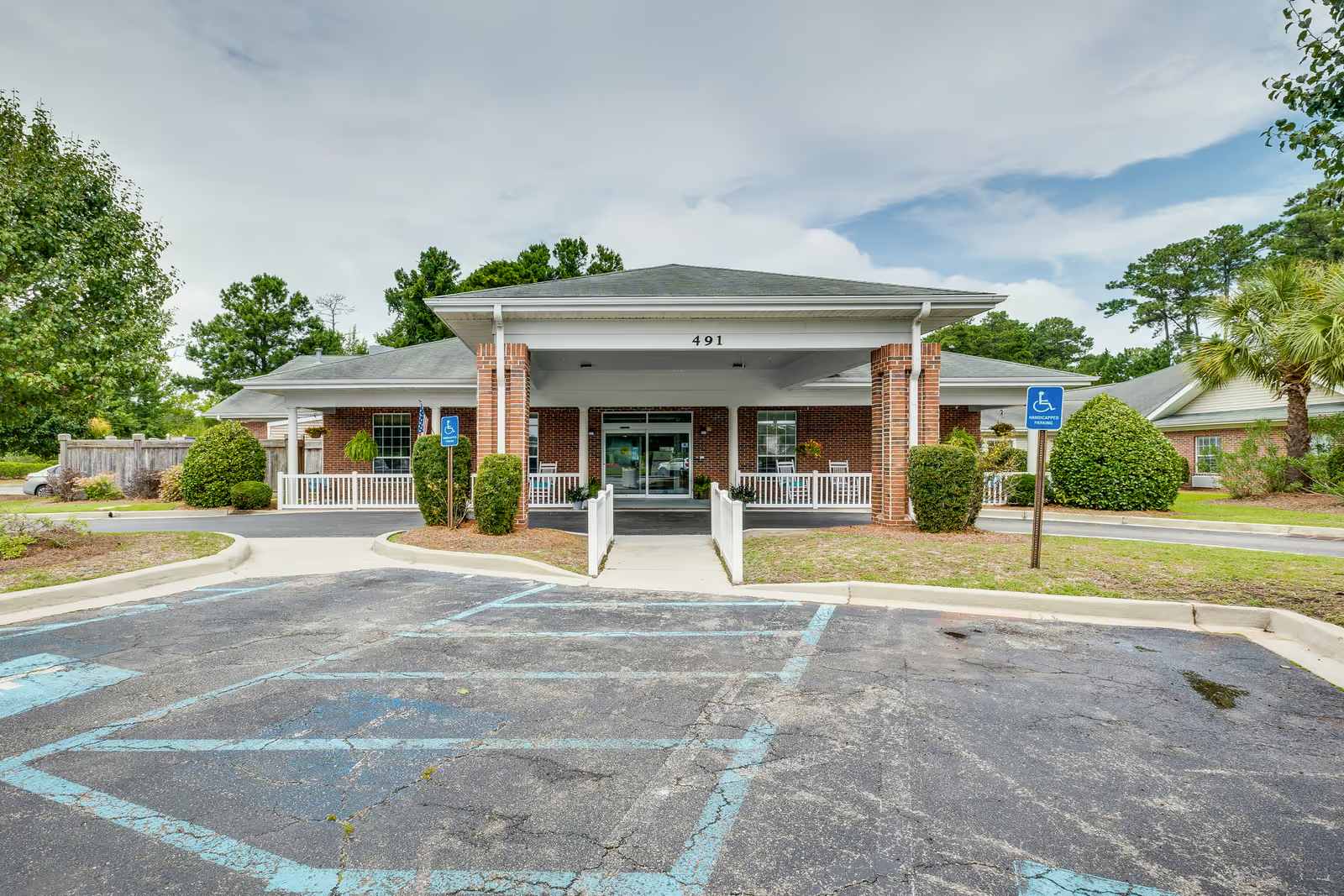
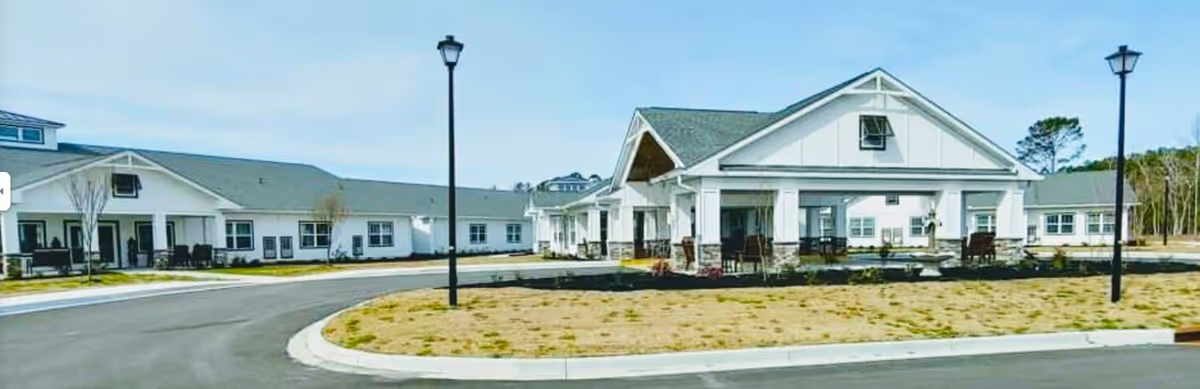
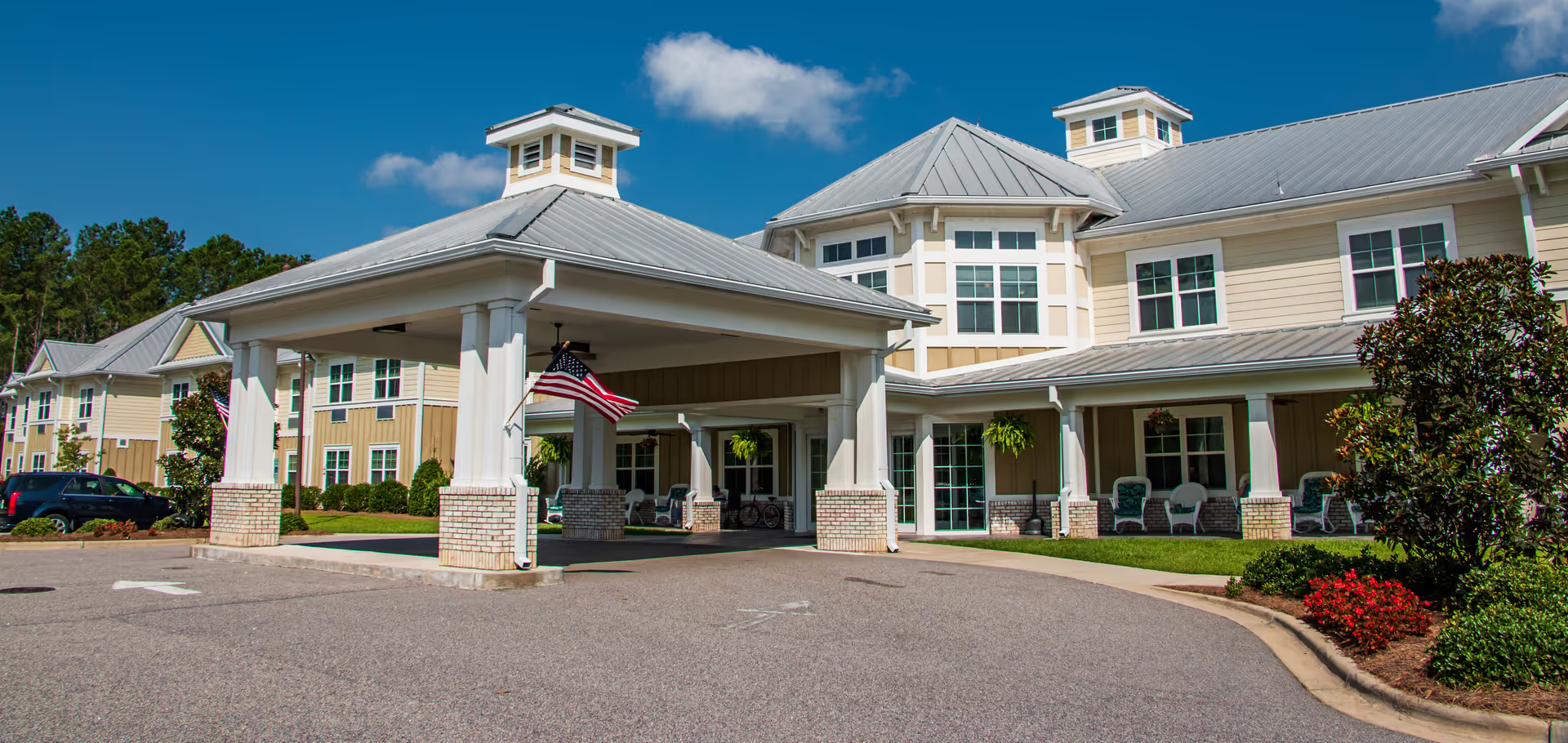
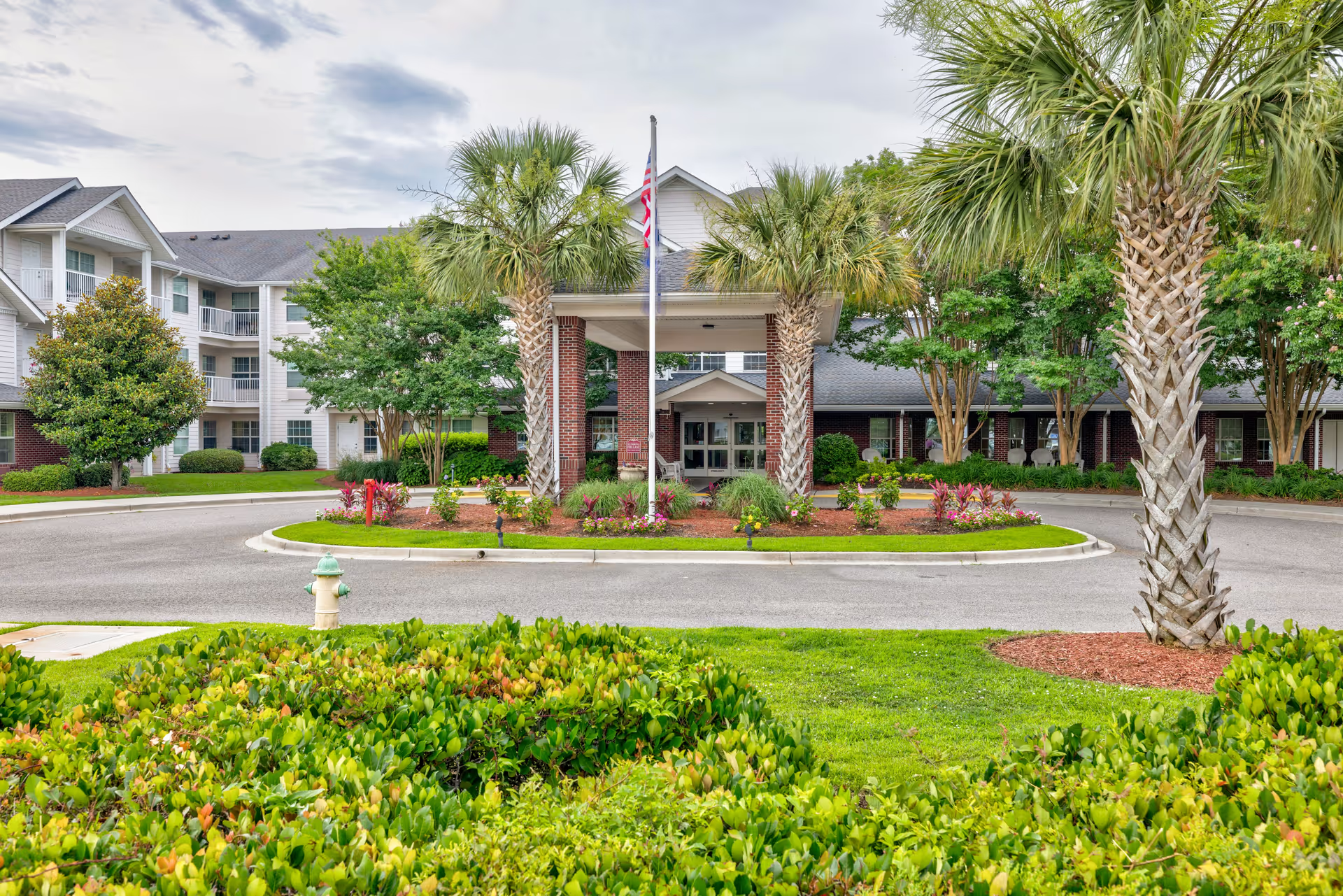
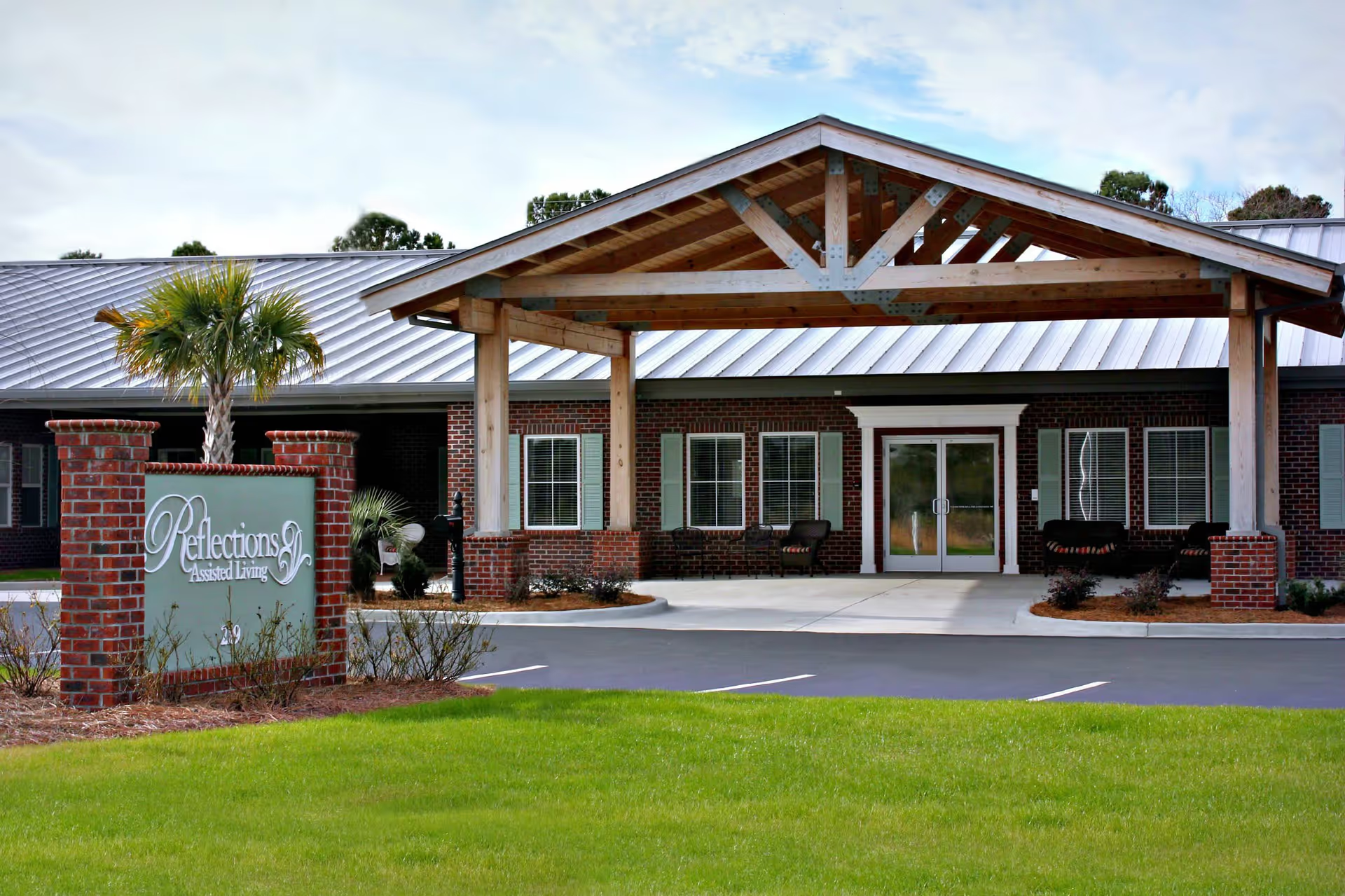
The Barclay at Little River is described overall as a new, well-appointed community with a resort-like aesthetic. Many families and residents highlight clean, modern interiors, spacious apartment plans (including large bathrooms and walk-in closets), and an attractive indoor–outdoor environment anchored by a pool, decks and patios. The building presents a strong set of amenities—salon, gym, transportation, key-fob entry, weekly housekeeping, and on-site maintenance—and a welcoming admissions and touring experience that many found informative and reassuring.
Dining and activities are frequently cited as strengths. The community offers restaurant-style dining with table service, multiple daily meal choices, and an extensive activities calendar that includes happy hours, bingo, exercise classes, movie nights and organized outings. At the same time, reviewers describe inconsistent meal quality and occasional shortages tied to chef turnover and kitchen staffing changes; this has produced periodic dissatisfaction even while the dining format and menu options are well regarded.
Care quality and staffing elicit mixed impressions. Numerous accounts praise compassionate, communicative caregivers and proactive leadership who are visible and engaged; families credit staff for strong personal attention and good care transitions across independent, assisted and memory-care levels. Conversely, other reports indicate pressure from understaffing, frequent staff turnover, uneven training, and issues with responsiveness—including delayed responses to call-bell requests. These operational weaknesses are cited as affecting timeliness of assistance and consistency of care, particularly during busy periods or staffing gaps.
The memory-care environment is another area with divergent feedback. While the facility offers a dedicated memory-care program and some families express confidence in dementia-specific staff, others note layout and lighting limitations that contribute to a less open atmosphere, variable programming for higher-functioning residents, and localized cleanliness or odor concerns. Prospective residents and families should assess the memory-care unit in person to evaluate layout, natural light, and programming fit.
Facility operations and management patterns are uneven in the reviews. Positive remarks about engaged leadership and helpful admissions contrast with concerns about maintenance reliability (including isolated elevator and HVAC issues), periodic decline in corridor maintenance, ongoing chef/staff turnover, and pricing changes. Some reviewers described a gap between marketing or sales promises and day-to-day operational realities, including call-bell policies and staffing levels. Several families recommended clarifying contract terms, staffing ratios, dining continuity plans, and policies around emergency response and transitions before moving in.
In sum, The Barclay at Little River presents many attributes attractive to prospective residents—new construction, appealing amenities, active programming, and strong examples of compassionate staff—but also shows operational areas that warrant specific inquiry. Important focal points for further evaluation are dining continuity and leadership plans for culinary staffing, staffing stability and response protocols, memory-care layout and programming, and maintenance reliability and cost trajectory.