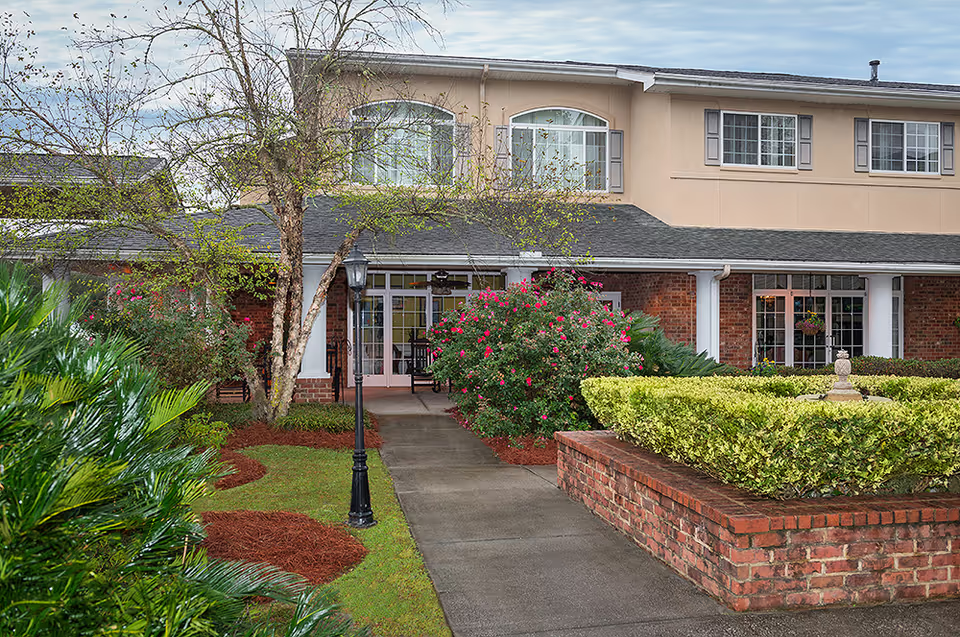
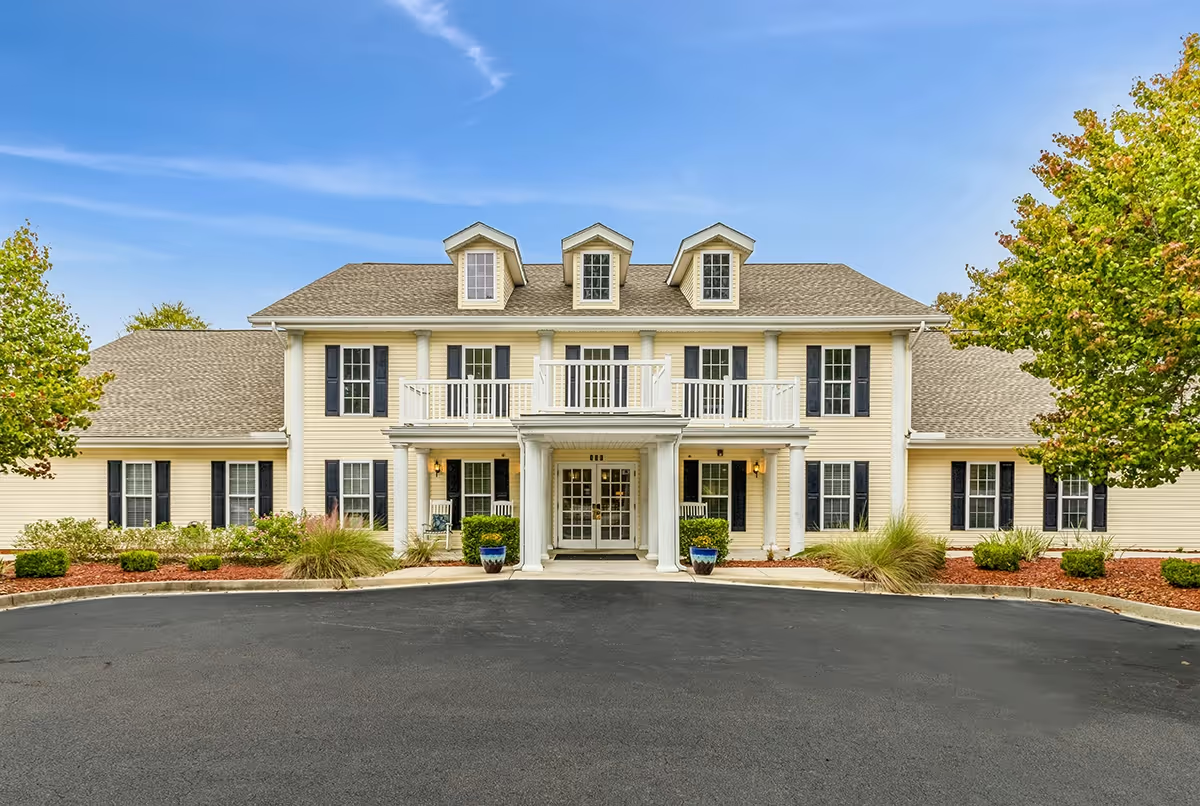
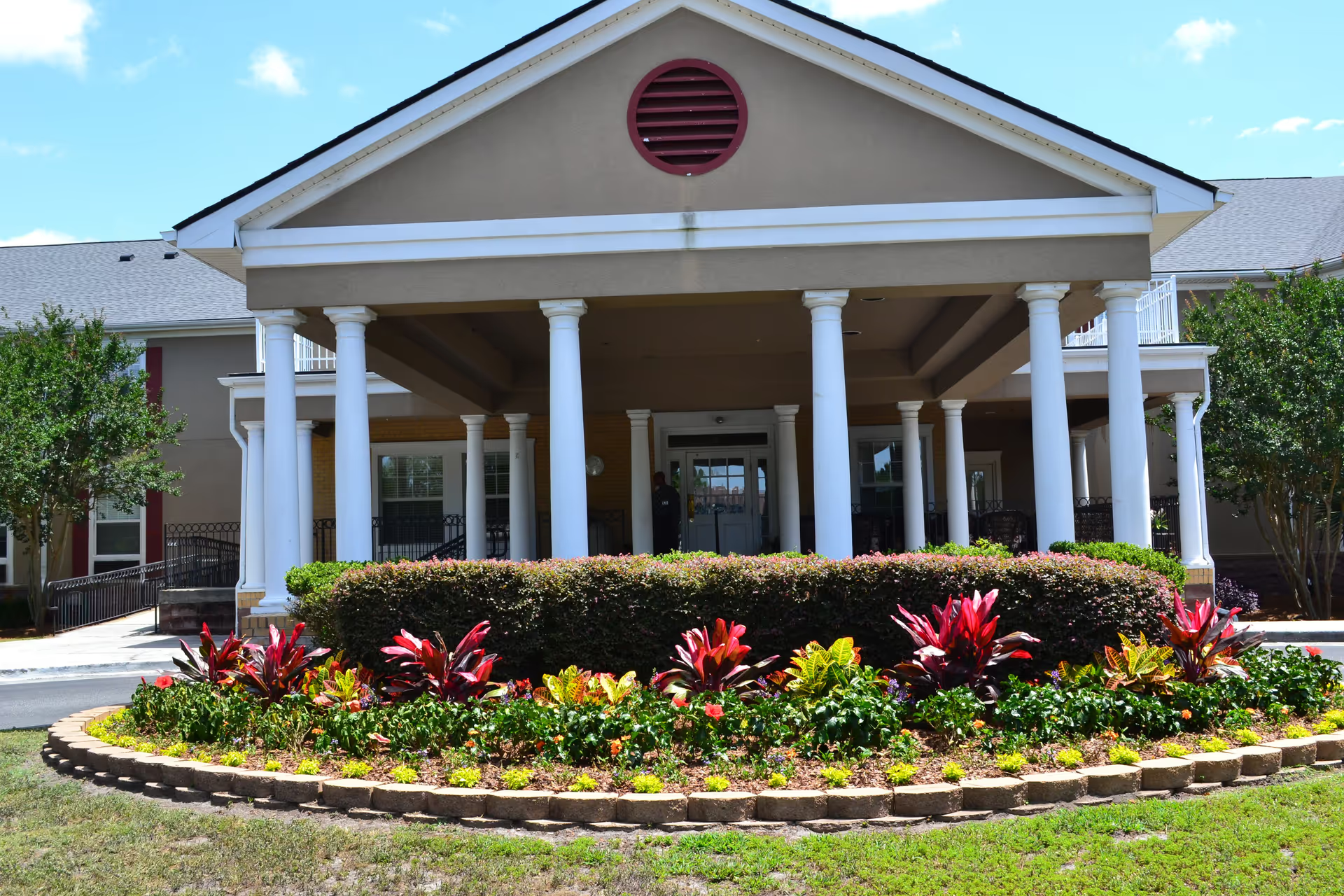
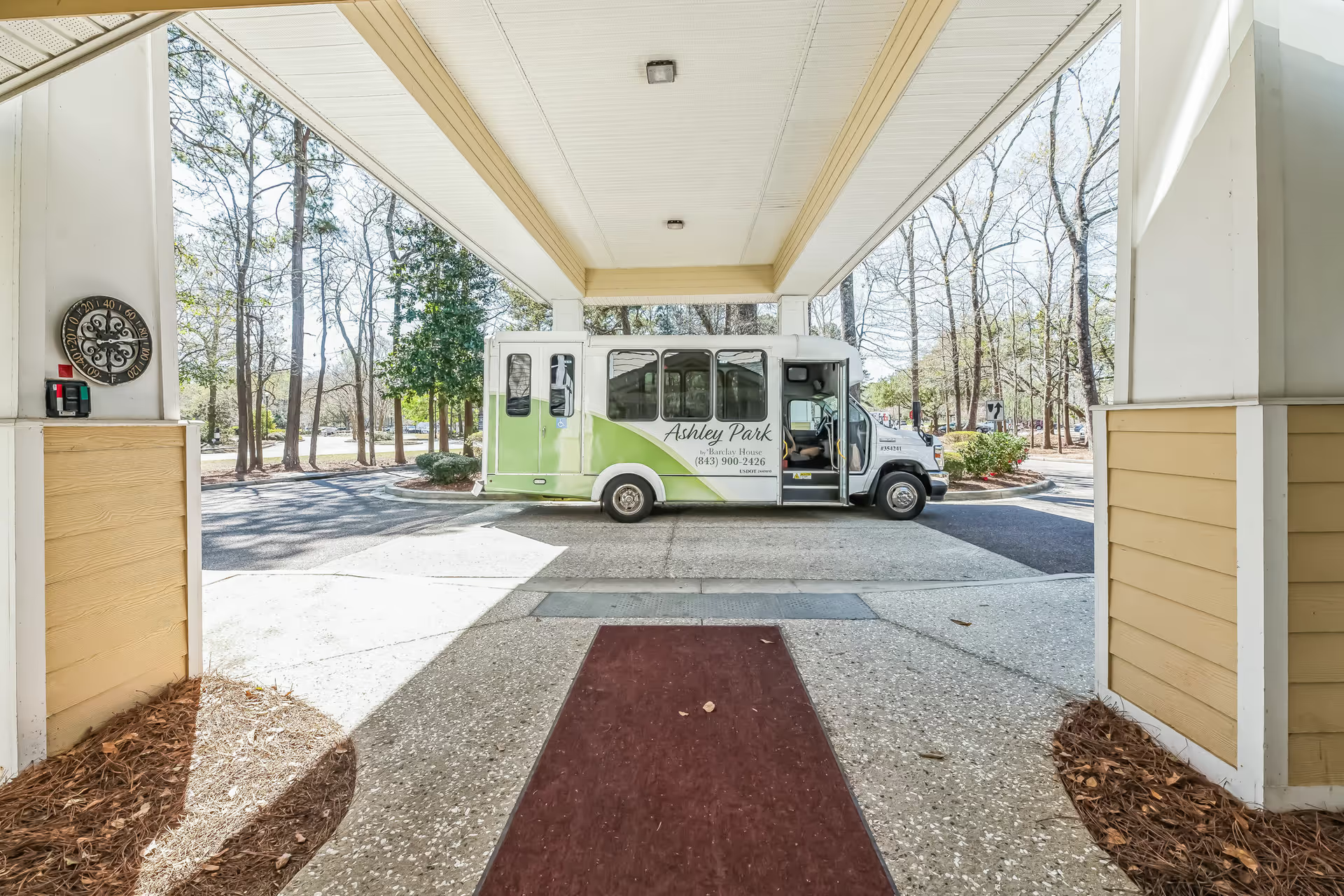
Life Care Center of Charleston elicits highly polarized feedback. A substantial body of reviews highlights strong rehabilitation outcomes, skilled therapists, and empathic caregiving; many families describe measurable recovery, effective individualized therapy plans, and staff who provide emotional support. The facility’s location adjacent to Trident Hospital, well-kept grounds, available shuttle service, and several onsite amenities contribute positively to the resident experience. Admissions and some administrative staff are frequently praised for helpfulness and accommodating urgent placements.
At the same time, significant operational weaknesses recur. Staffing levels and staff turnover are a prominent concern, with multiple accounts of delayed responses to call-buttons, limited nighttime coverage, and assistance not arriving on schedule. These staffing gaps are linked in reviews to inconsistent medication administration and gaps in routine clinical monitoring. There are also repeated sanitation and incontinence-care concerns and several descriptions of new or worsening wounds, which families cite as indicators of uneven clinical oversight. There are allegations of serious clinical lapses and concerns following resident deaths; these underline the importance of careful vetting and follow-up when evaluating this provider.
Therapy is a consistent strength: physical and occupational therapists receive frequent praise for expertise, encouragement, and individualized programming that helps many residents return home. However, availability is uneven for some long-term residents and outside standard weekday hours—several reviews indicate limited or no on-site therapy coverage on weekends and variable follow-up for non-rehab residents.
Dining and activities present a mixed picture. Many reviewers compliment the food and kitchen staff and note menu customization, while others cite late meal delivery, inconsistent diabetic/nutritional accommodations, and limited dining access for some residents. The activities team receives high marks for creating an engaging social environment, but activity offerings appear uneven across units; some families describe robust programming while others report minimal engagement.
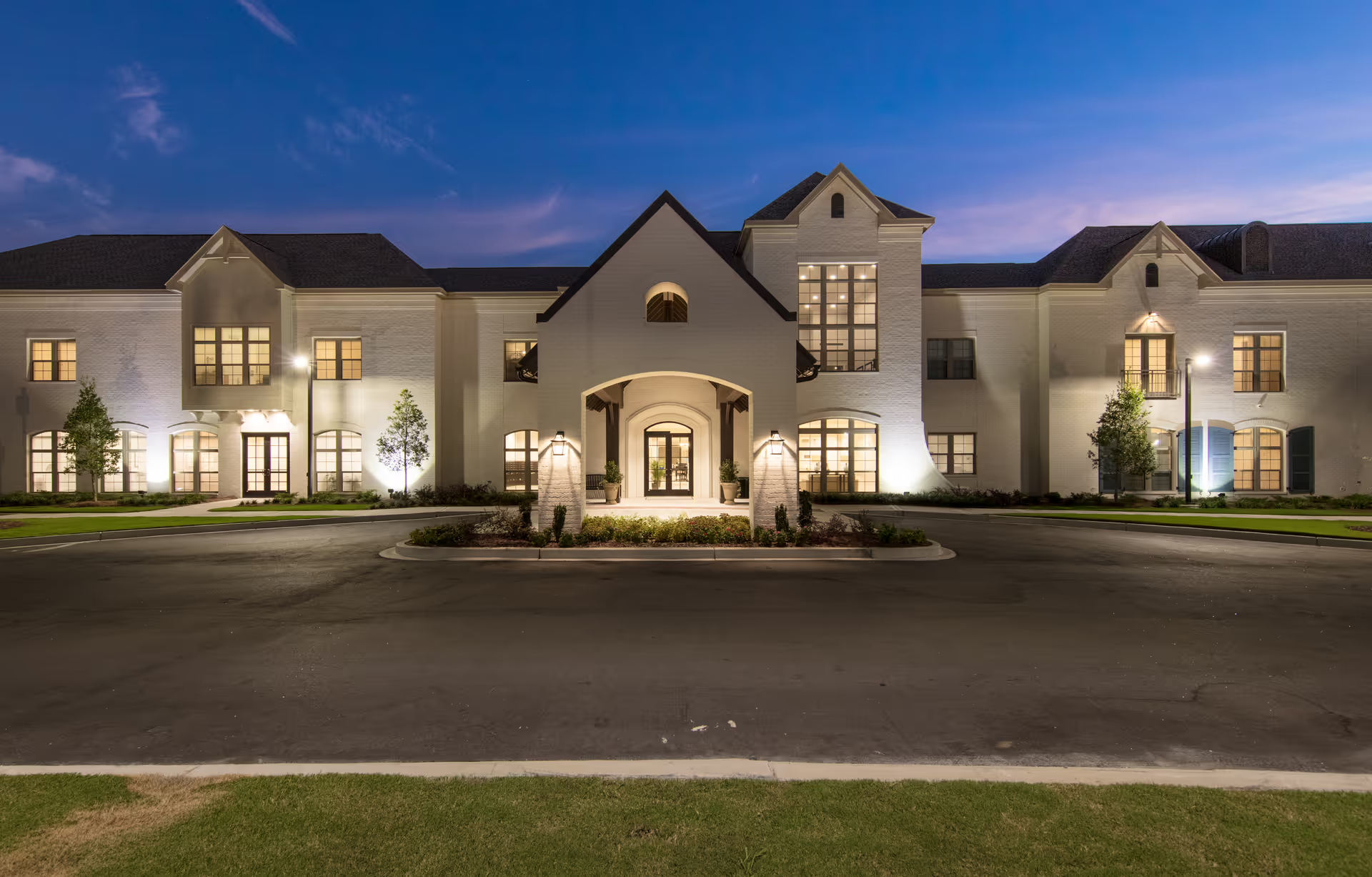
Facility amenities and cleanliness are generally described positively—clean rooms, attractive common areas, private bathrooms in some units, and improvement projects are noted. At the same time, shared rooms and frequent double-occupancy are cited as privacy limitations. Administrative issues described include poor family communication, paper-based record-keeping, unclear discharge plans, and perceived lack of financial transparency relative to daily costs.
For prospective residents and families: an in-person tour and targeted questions are advisable. Ask about current staffing levels and turnover, call-button response times, medication administration protocols, wound- and skin-care monitoring, weekend therapy availability, diabetic and special-diet procedures, infection-control and sanitation audits, private-room availability, discharge-planning workflows, and a detailed cost breakdown. Request written points of contact (nursing manager, activities director, admissions) and examples of recent quality-improvement actions. The facility offers strong rehabilitation capabilities and many compassionate staff, but families should assess operational consistency and communication practices to ensure they match their clinical and safety needs.