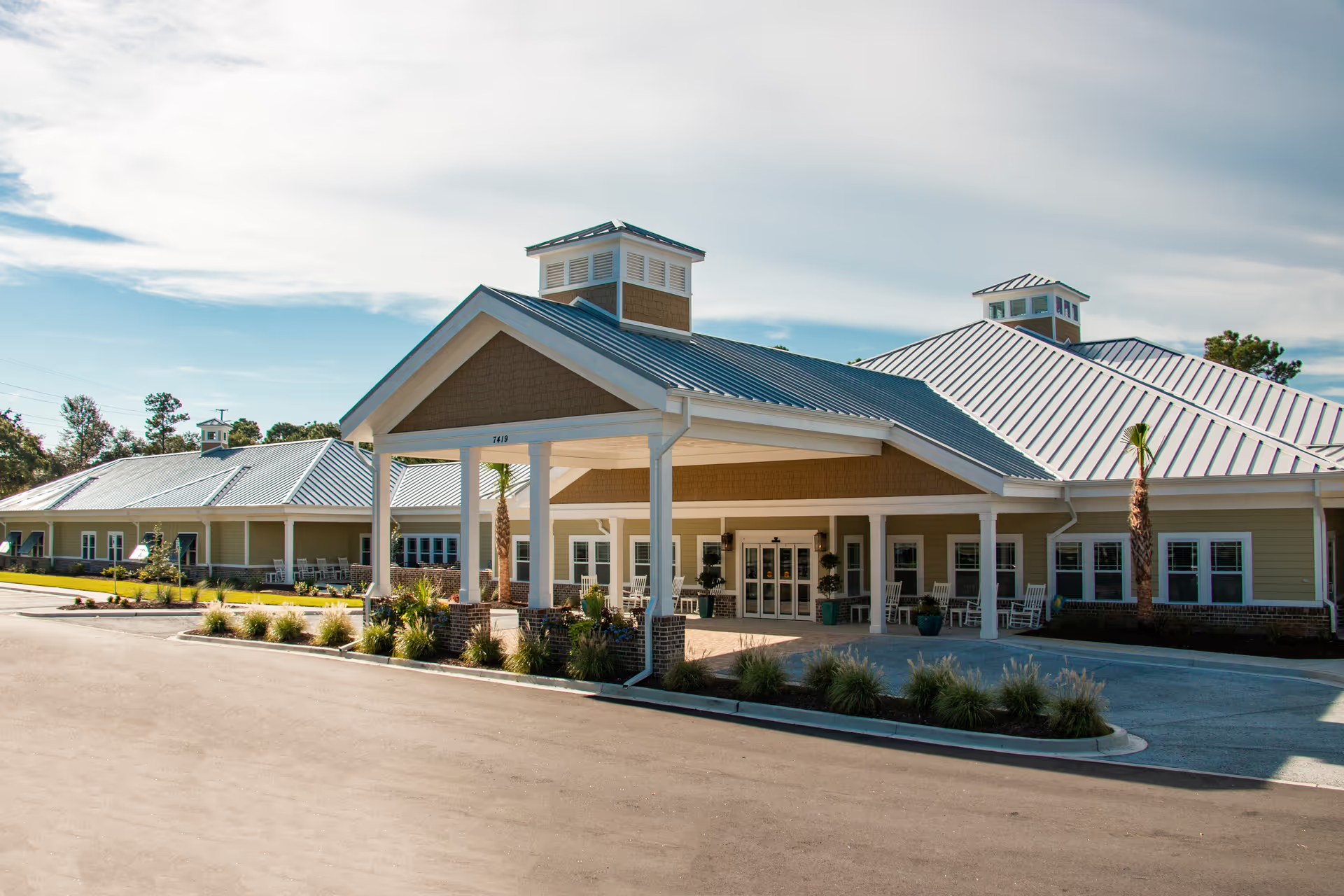
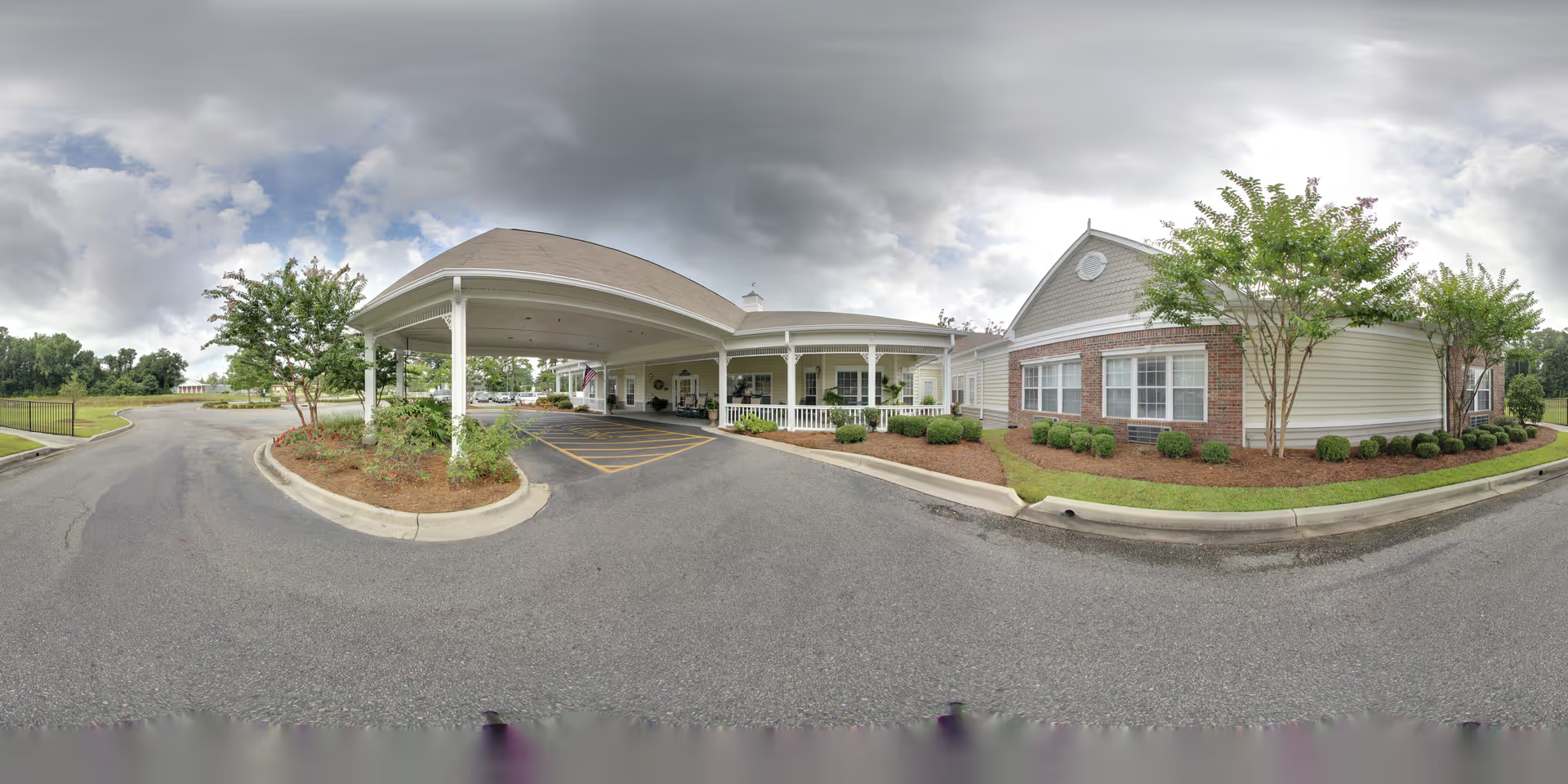
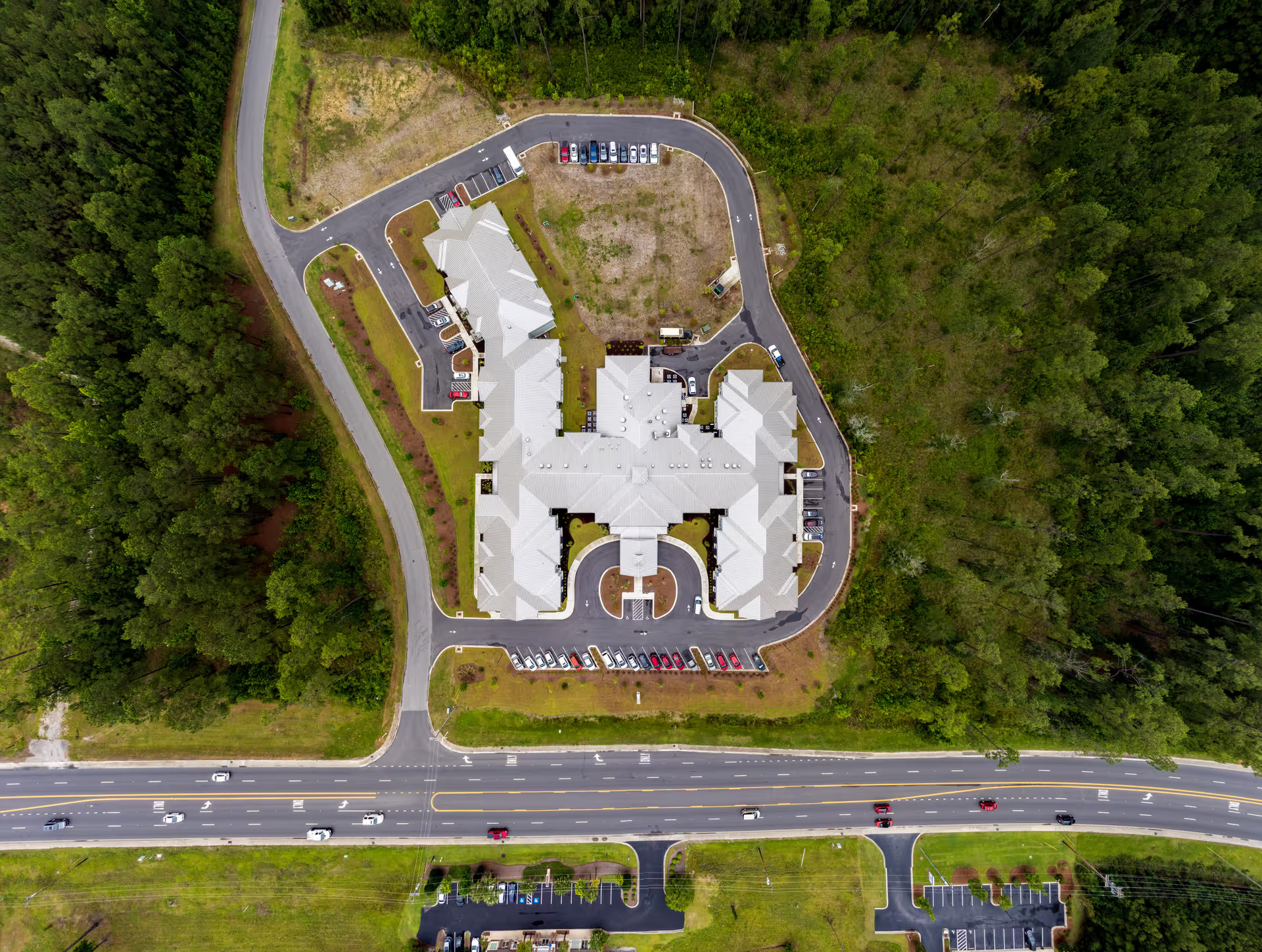
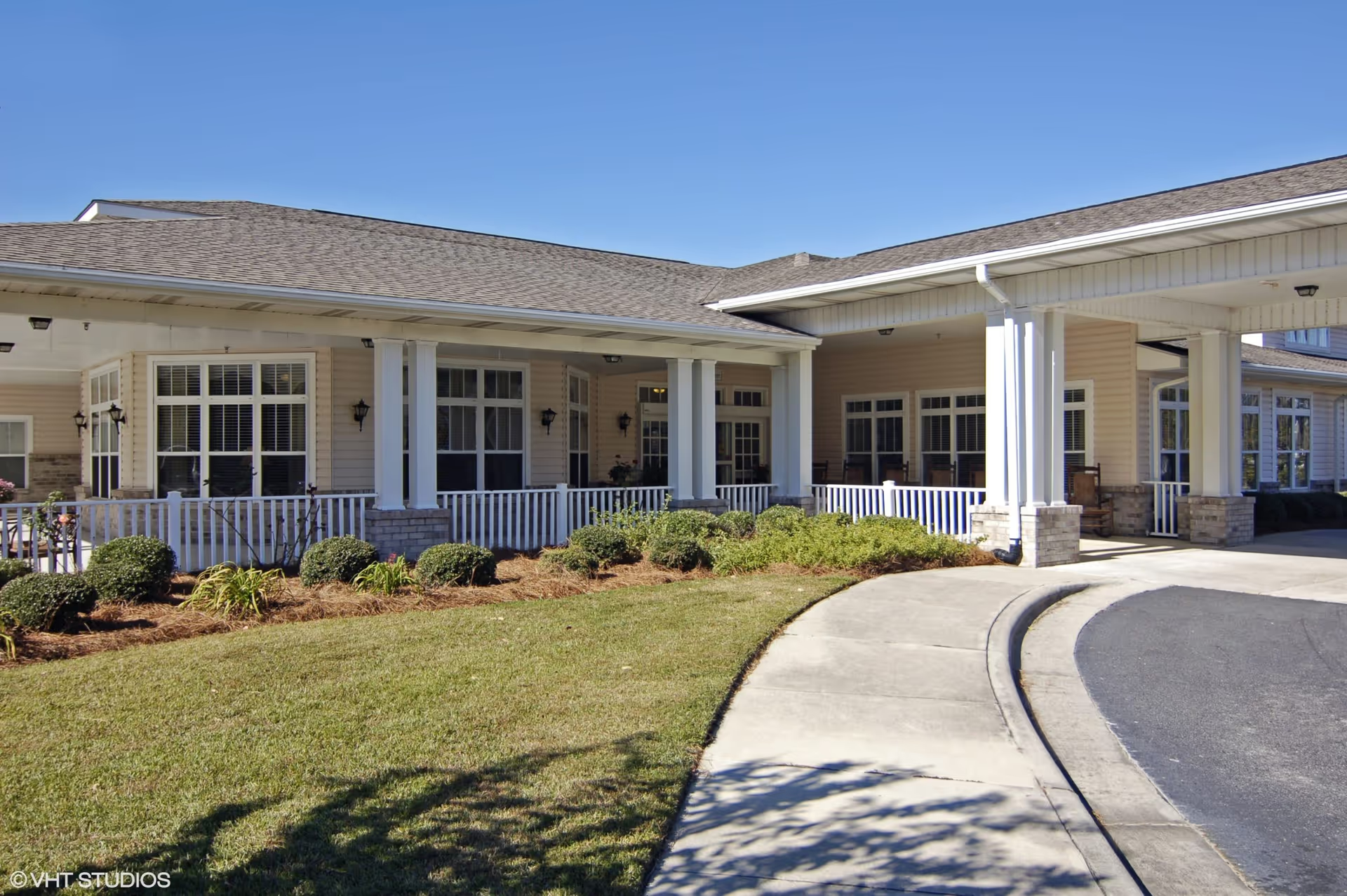
The Lakes at Litchfield presents as a full-service continuing care retirement community with many strengths centered on clinical services, social life, and campus amenities. Care quality is widely described as attentive and clinically competent: families and residents commonly highlight strong skilled-nursing and rehabilitation services, access to occupational and physical therapy, regular medical and podiatry visits, and coordinated transitions across levels of care. The on-site continuum (independent living, assisted living, memory care, and skilled nursing) is repeatedly cited as a source of peace of mind because it reduces the need for disruptive moves and facilitates continuity of clinical oversight.
Staff and culture are among the facility's most frequently praised attributes. Reviewers emphasize compassionate, name-oriented caregiving, proactive housekeeping and maintenance teams, helpful drivers and concierge services, and activity/staff who cultivate a family-like, socially engaged atmosphere. The activities program is broad and active — daily social hours, exercise classes, arts and crafts, book club, tech support, outings, concerts, and specialized offerings for memory-support residents — contributing to strong peer connections and reduced social isolation. Residents and families also note smooth move-in coordination and ongoing efforts to personalize the experience.
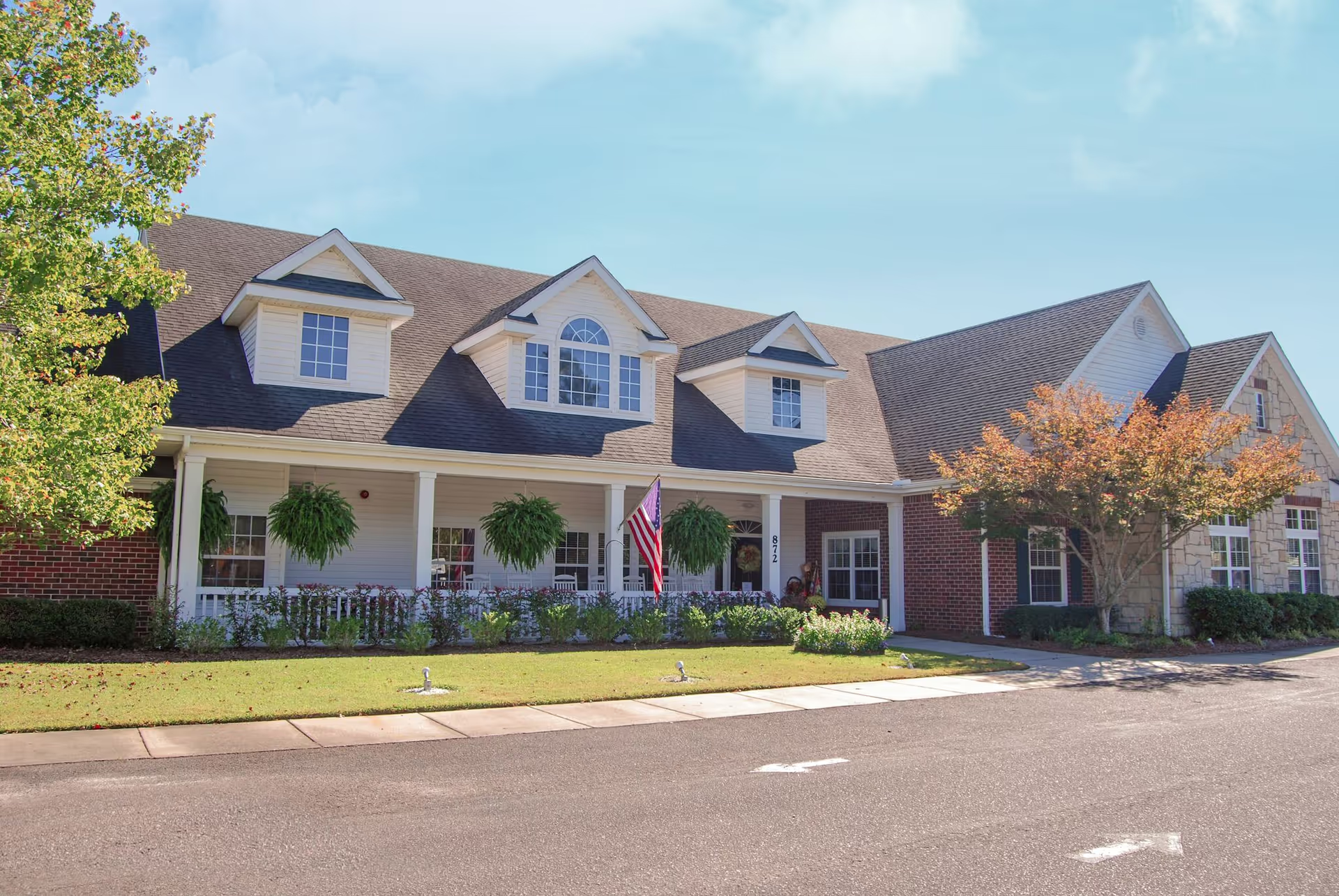
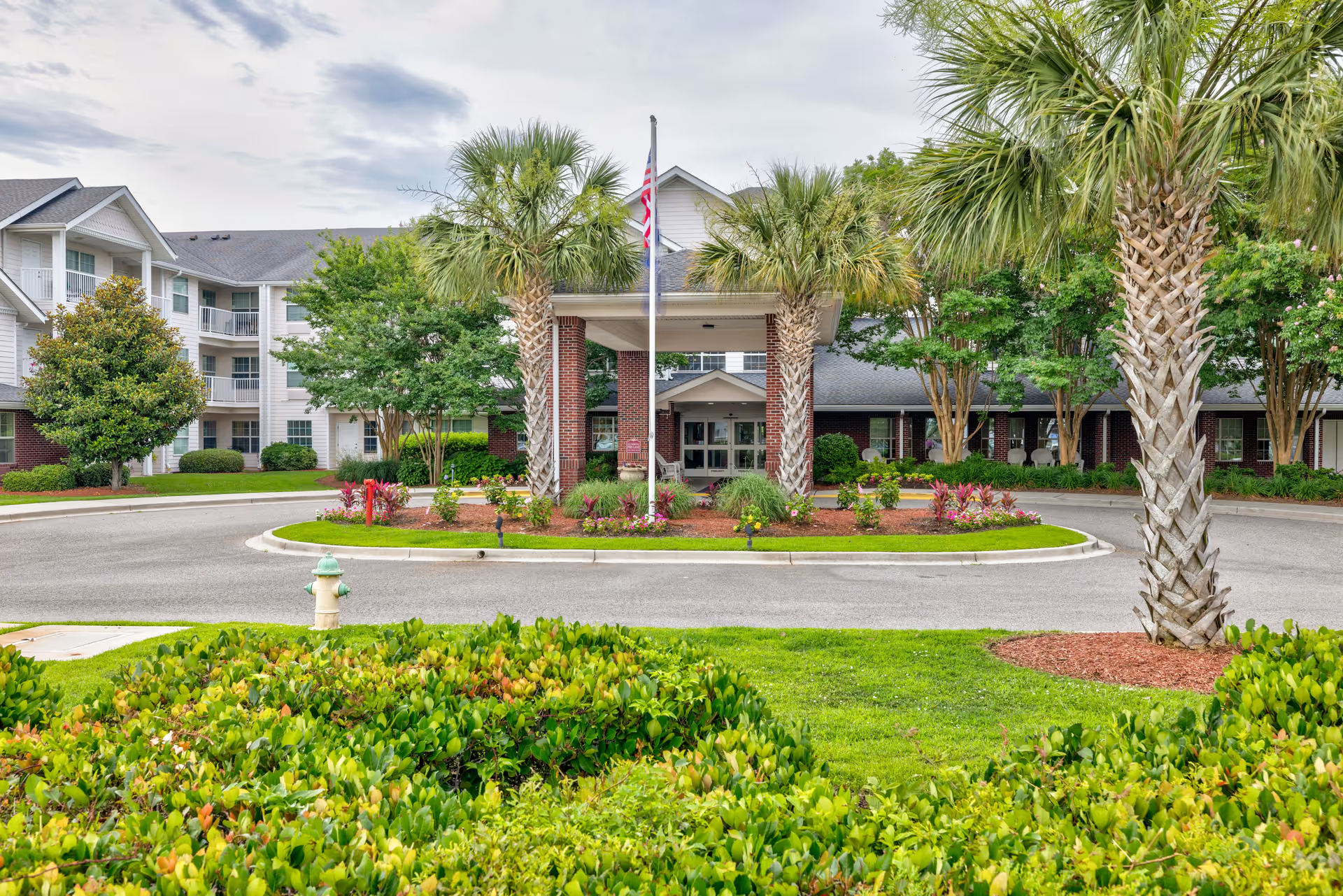
Dining and hospitality receive consistently high marks. The culinary team is described as skilled, with restaurant-style dining, chef-prepared presentations, diverse menus, and attentive dining-room staff. Housekeeping, groundskeeping, salon services, and ancillary amenities (pool, gym, library, bistro) support maintenance-free living and a resort-like campus aesthetic that many residents find appealing.
Notable operational patterns temper the overwhelmingly positive impressions. Several reviews identify intermittent staffing shortages and turnover that can affect service continuity and response times; this is tied to occasional meal-service disruptions and reports of slower follow-up on repairs. While grounds and many common areas are described as very well maintained, there are mentions of deferred repairs and maintenance challenges in some older cottages and villas, and isolated unit-level sanitation concerns (including mold) that prospective residents should clarify. Specific accessibility and door-functionality issues have been raised, indicating areas where safety and accessibility features may need inspection or remediation.
A number of families raised financial and management concerns — ambiguous contract language about refurbishment or chargebacks, deposit/refund disputes, and perceived variability in management follow-up. These items appear to be operational or administrative in nature rather than universal, but they are important for prospective residents to review carefully. A few reviews also reference concerns about staff conduct or communication tone in isolated incidents; while these do not reflect the dominant narrative, they suggest asking about staff training, supervision, and complaint resolution processes during a tour.
In summary, The Lakes at Litchfield is characterized by strong clinical capabilities, an active and well-staffed activities program, high-quality dining, and attractive campus amenities that support a vibrant community life. Prospective residents and families should weigh these positives against facility-level operational items: verify current staffing ratios and turnover trends, review contract and fee language (especially refurbishment and deposit terms), inspect accessibility and safety features, and confirm unit maintenance practices. Visiting during a meal and an activities period, asking for sample care plans and staffing metrics, and requesting written policies on billing and refunds will help clarify whether the community’s strong clinical and social offerings align with specific family priorities.