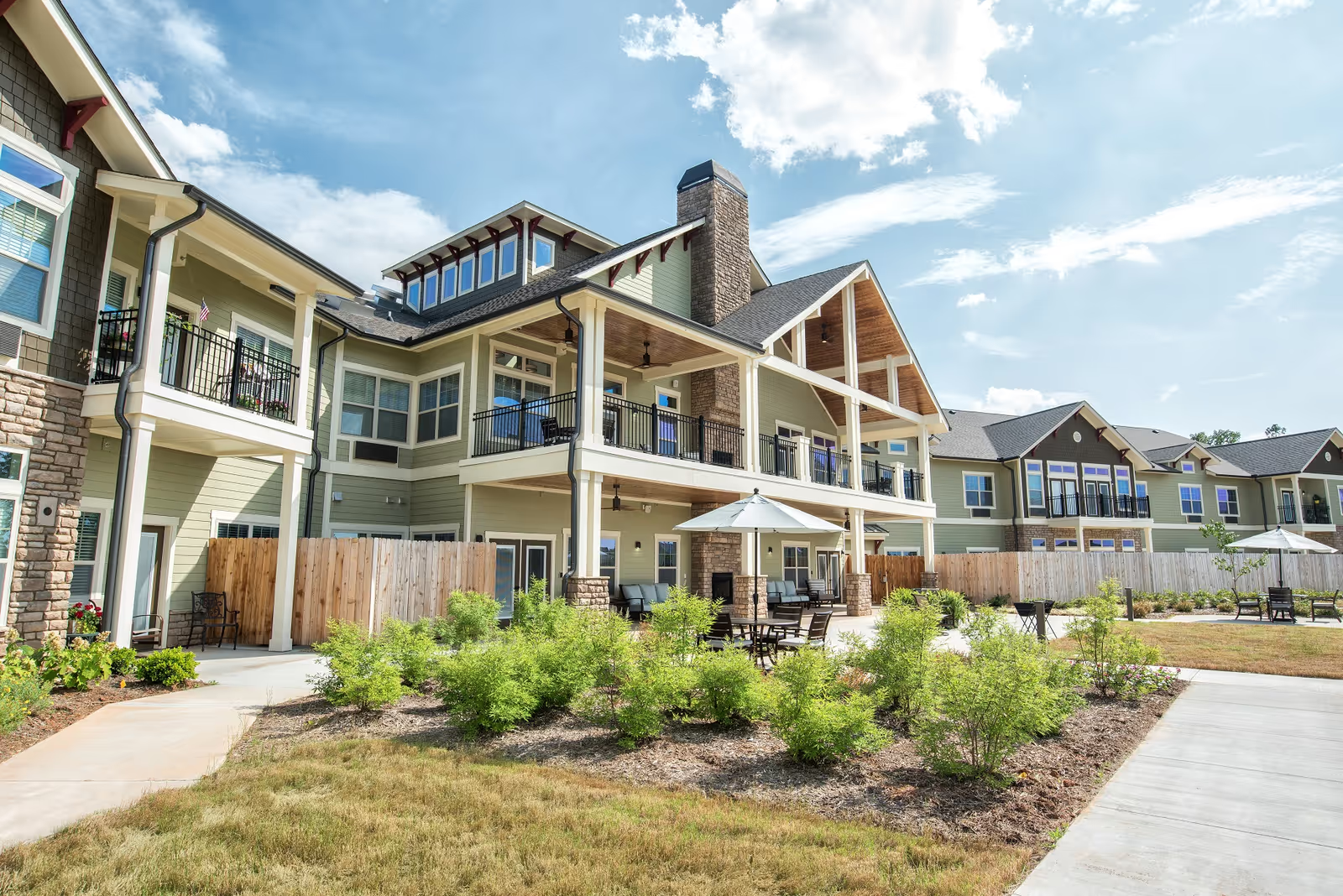
The reviews of Piedmont Post-Acute present a mixed picture: many families praise the facility’s rehabilitation focus and the staff who deliver therapy and personal care, while others describe operational lapses that affected clinical safety, hygiene, and transitions of care. Strengths that recur include a robust therapy program with engaged, encouraging therapists; CNAs and nurses who are described as caring and personable; helpful social-work support; pleasant common spaces such as a courtyard, salon and dining areas; and, for many residents, good food and family-focused meal options. Several accounts also highlight an approachable administration and individual staff members who were responsive and supportive.
Alongside these positives, a consistent pattern of operational weaknesses emerges. Staffing levels and responsiveness appear variable, with night and weekend coverage and call-light response commonly cited as problem areas. This variability is associated with delayed assistance for basic care needs and inconsistent hygiene and incontinence-care practices. Reviewers also describe variability in sanitation and housekeeping consistency, indicating uneven execution of routine cleaning and linen management. Clinical processes show gaps as well: medication-management and medication-transfer failures, inconsistent wound and pain care, and limited clinical oversight or on-call provider involvement were raised repeatedly.
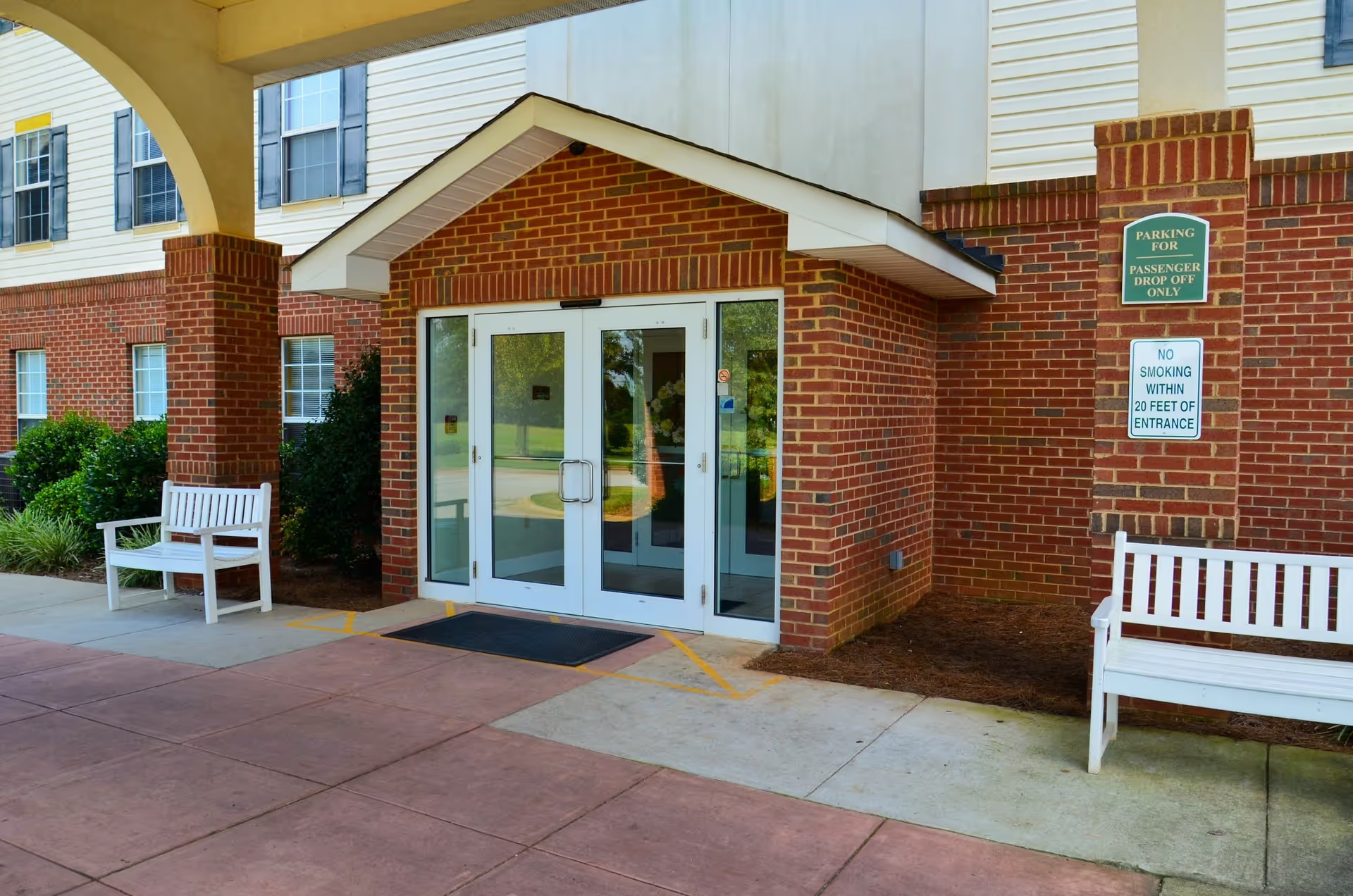
Transitions of care and administrative processes are another prominent concern. Several families described weak discharge planning, missing durable medical equipment or medication instructions at discharge, and instances where follow-up referrals or specialist coordination were not completed. Communication challenges—difficulty reaching staff by phone, delayed callbacks, and inconsistent family updates—exacerbated these transitions. Operational issues such as misplaced or lost clothing and locked access to laundry, as well as occasional entrance or phone-access problems, further contributed to family frustration.
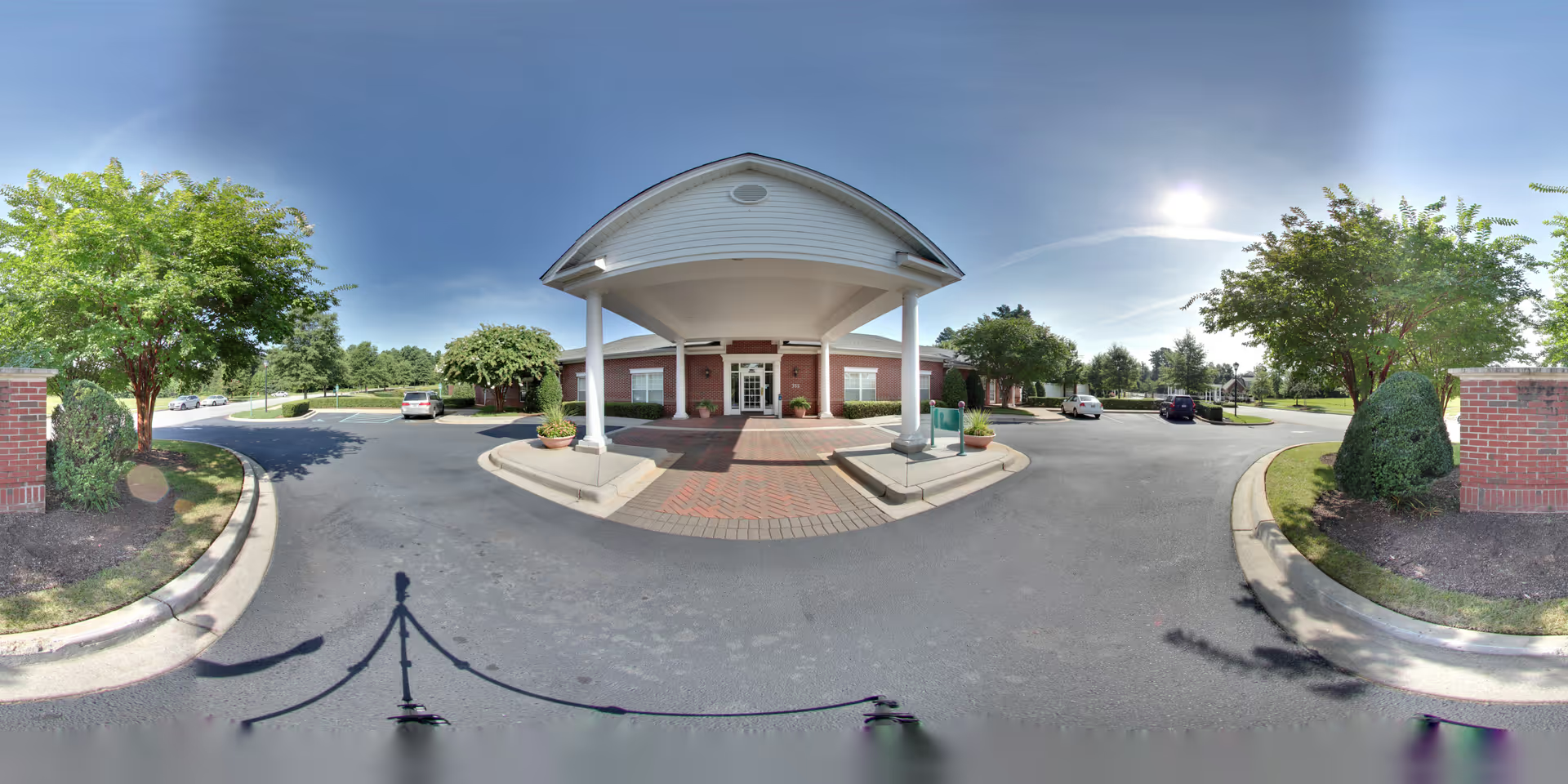
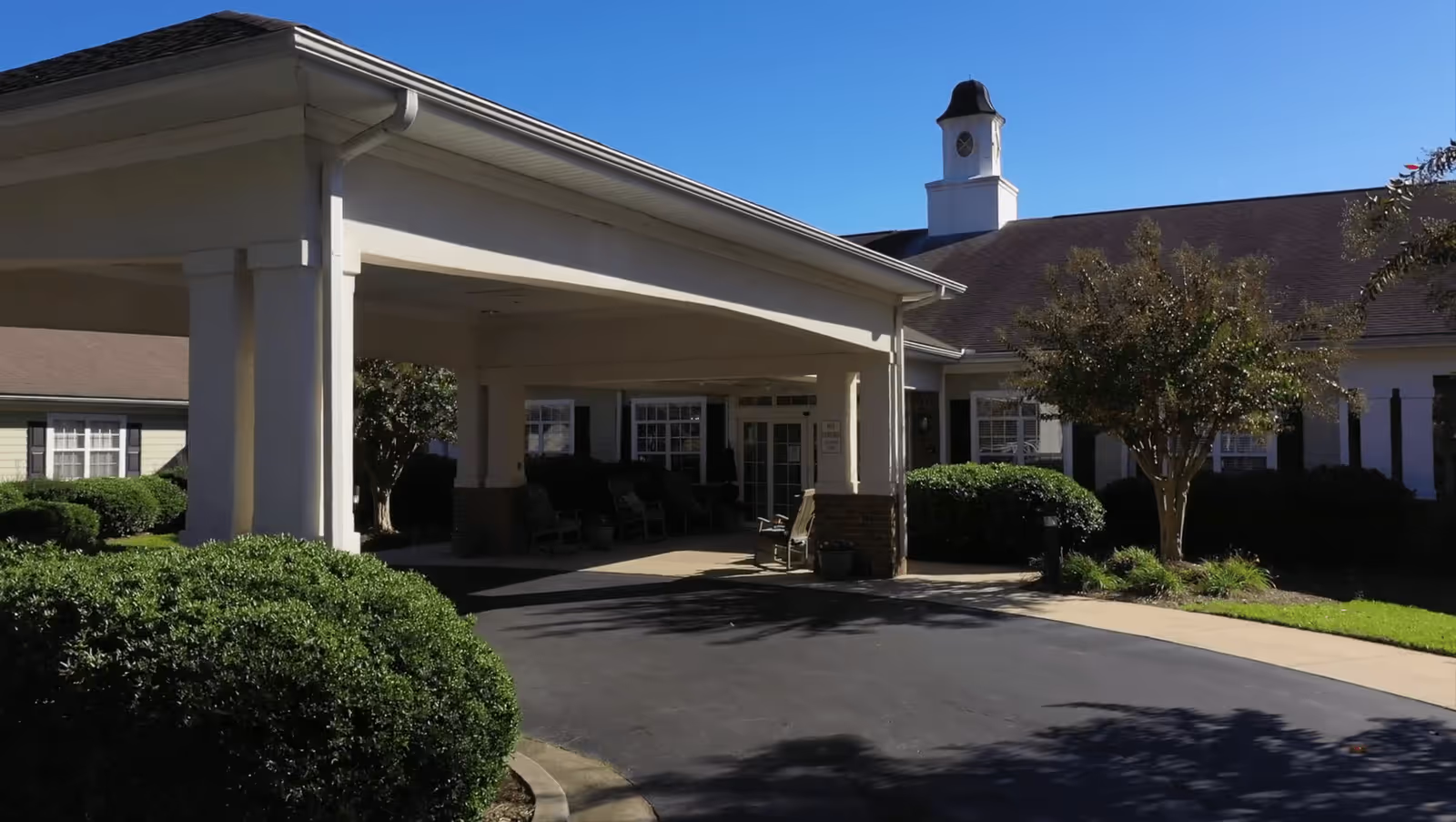
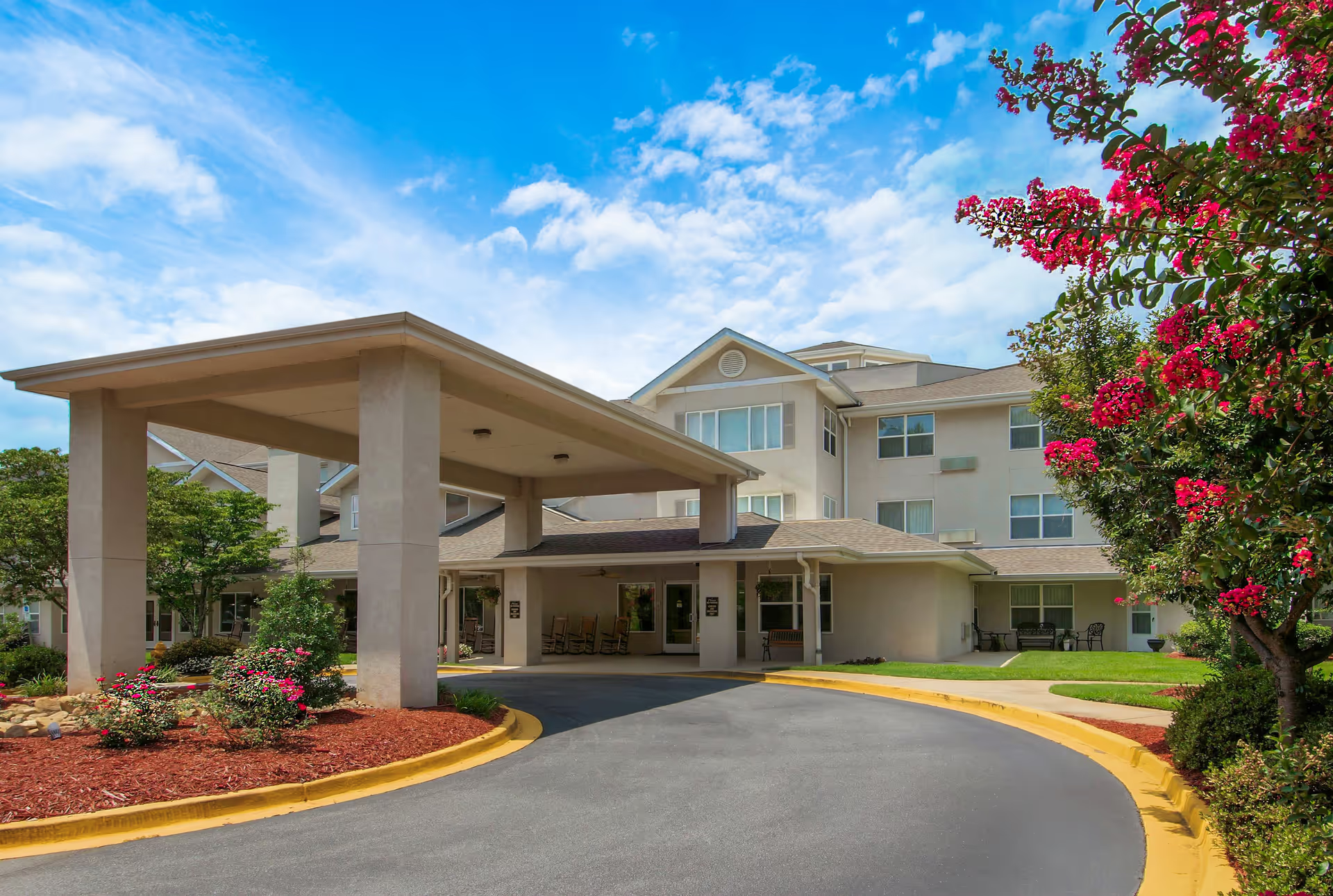
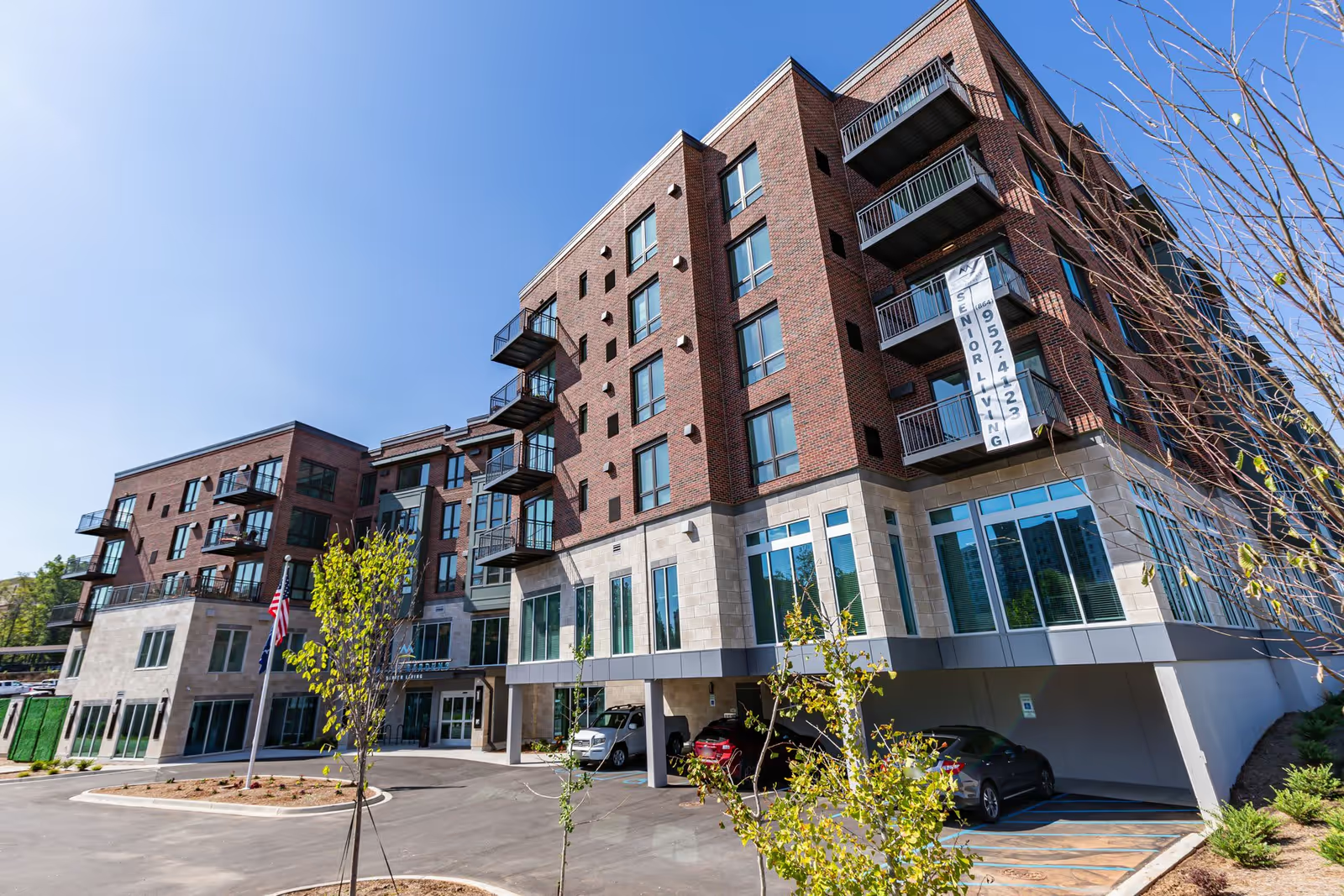
Dining and amenities produce mixed impressions. Many reviewers commend the dining service, meal quality, and pleasant dining areas; others experienced bland or small-portion meals and underused amenities that do not consistently match promotional descriptions. Facilities themselves are described positively by many (clean, well-decorated, and odor-free), but other accounts point to specific sanitation concerns and uneven housekeeping performance in certain units or shifts.
There are also reports of more serious clinical and safety incidents, including concerns following a resident’s death and hospital transfers after discharge. Those accounts highlight the potential consequence of the operational gaps described above and underscore the importance of verifying clinical oversight, medication handling, and discharge processes during placement decisions.
For prospective residents and families: the facility appears capable of delivering strong rehabilitation outcomes and can provide compassionate, family-like care through many staff members and therapists. At the same time, variability in staffing, communication, discharge coordination, and hygiene/safety practices suggests the need for careful, specific pre-admission conversations and ongoing monitoring. Recommended due-diligence items include confirming night/weekend staffing levels, documenting medication and DME transfer procedures, observing call-light responsiveness, reviewing fall-prevention and bedrail protocols, and identifying a single point of contact for discharge and follow-up coordination.