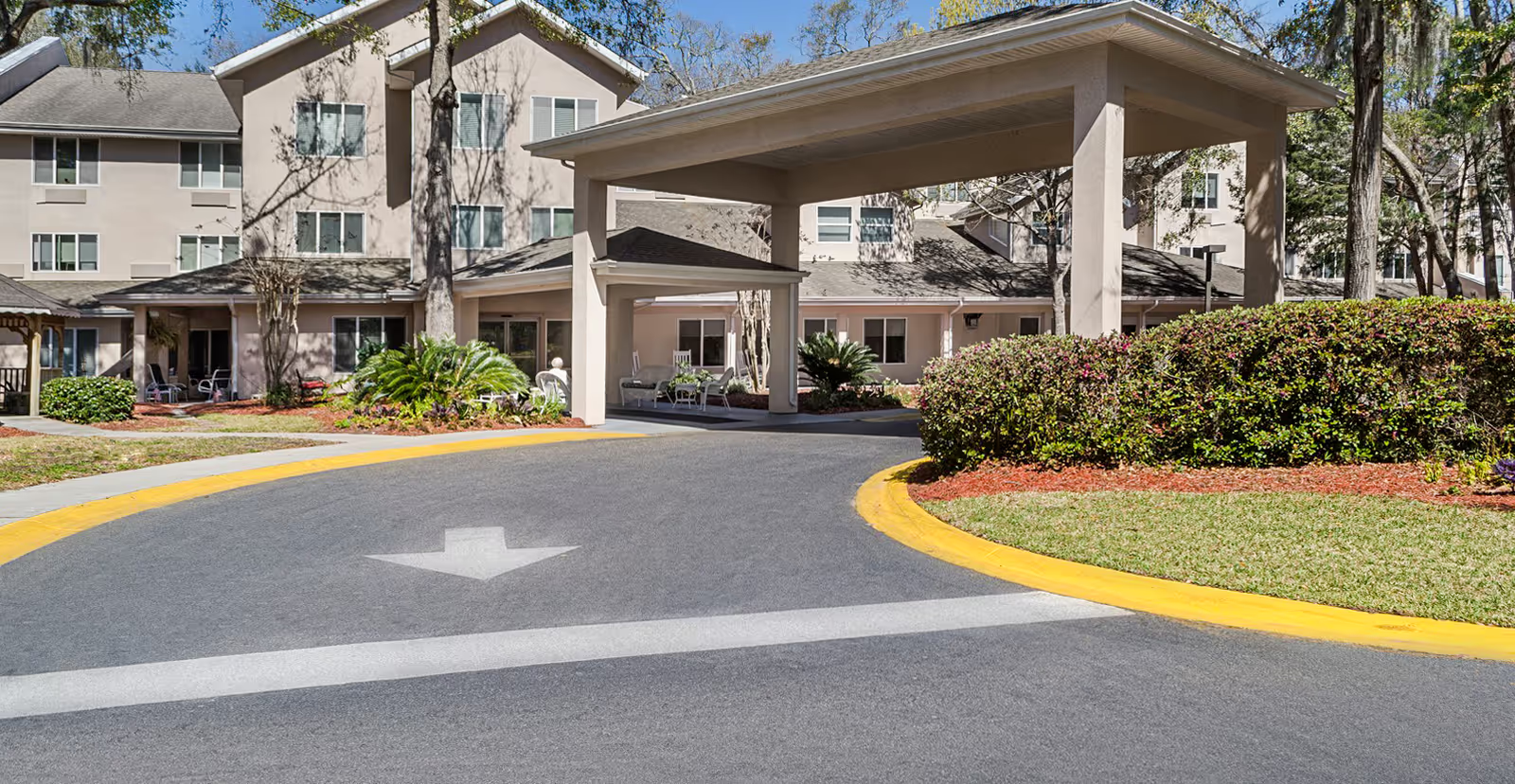
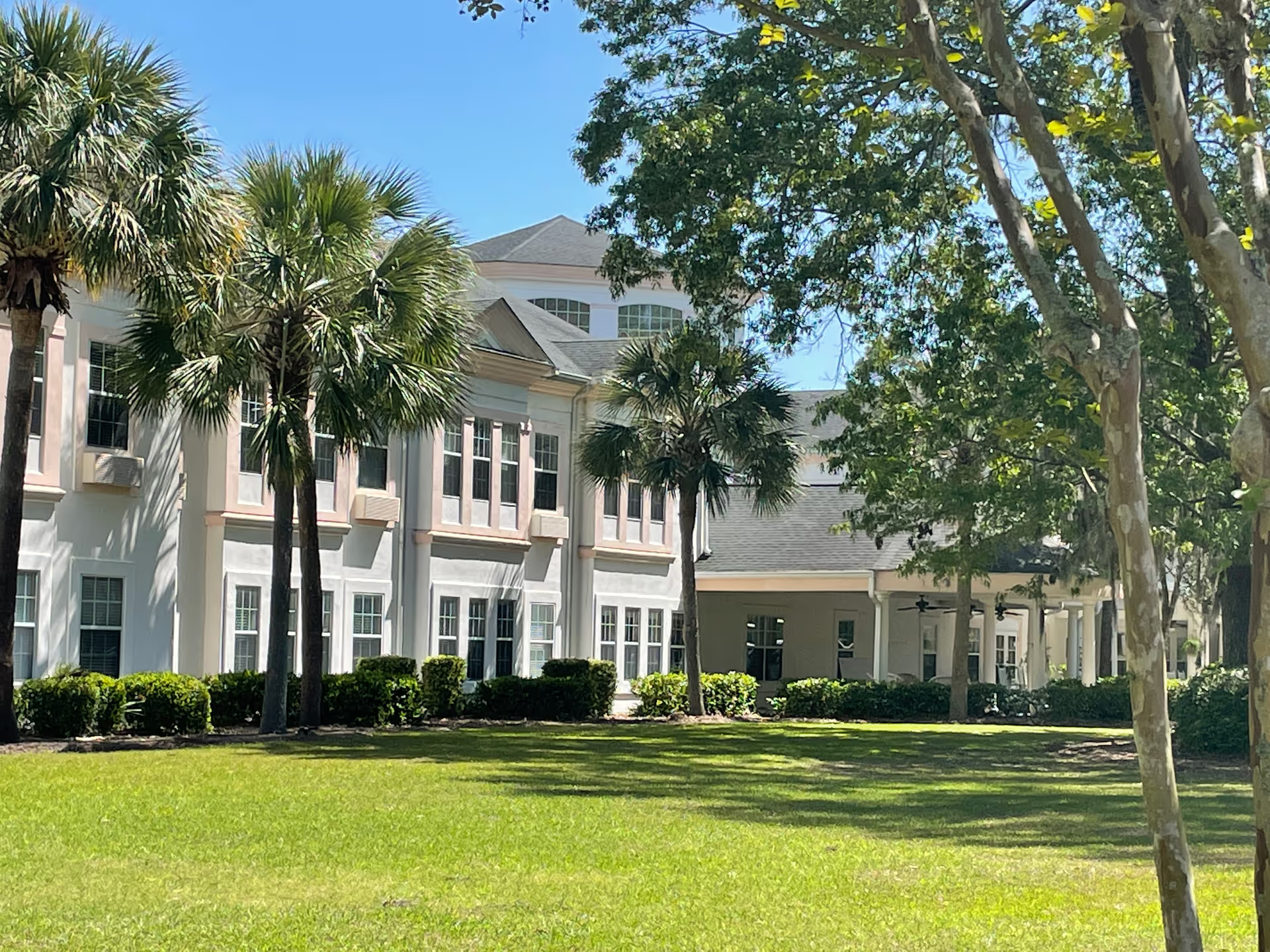
The reviews for Sprenger Health Care of Port Royal present a polarized profile: the facility's physical plant, therapy services and social programming receive frequent praise, while operational and clinical consistency — especially nursing and management responsiveness — are recurring concerns. Prospective residents and families will find a modern, well-appointed environment with numerous lifestyle amenities, but should also be aware of patterns of variability in direct care and administration.
Care quality: Rehabilitation services (physical and occupational therapy) are consistently highlighted as a strength, with multiple accounts of measurable functional improvement and skilled therapists. At the same time, clinical gaps are described in nursing-level care: delayed medication administration, inconsistent wound-care follow-up, and variability in assistance with activities of daily living. These issues have resulted in uneven post-acute outcomes for some patients and have raised questions about continuity of care when transitioning from hospital to facility or from short-term rehab to longer-term stays.
Staff and conduct: Many reviews single out individual staff members — CNAs, therapists, front-desk personnel and activity staff — as compassionate and attentive. However, there is a countervailing pattern of inconsistent staffing, high turnover, and variable professionalism across shifts. Night and weekend coverage is noted as weaker in several accounts. Families should expect that the quality of day-to-day interactions may depend on which staff are on duty; emphasis on observing staffing patterns and asking about shift coverage is advisable.
Dining and nutrition: Dining impressions are mixed. Positive comments emphasize varied menus, social dining experiences, and accommodating kitchen staff. Negative comments focus on inconsistent meal temperature and preparation, limited protein options at times, and occasional failure to honor dietary preferences. Those with specific dietary requirements (e.g., vegetarian, high-protein needs) should confirm menu accommodations and monitor meal service during an initial stay.
Activities and amenities: Recreational programming and social amenities are frequently praised. The facility offers robust activity schedules, social events (including a bar area and themed gatherings), and communal spaces that many families find beneficial to resident quality of life. Creative adaptations for infection-control periods were also noted. The attractive common areas and on-site amenities contribute strongly to a positive resident experience for those who value social engagement.
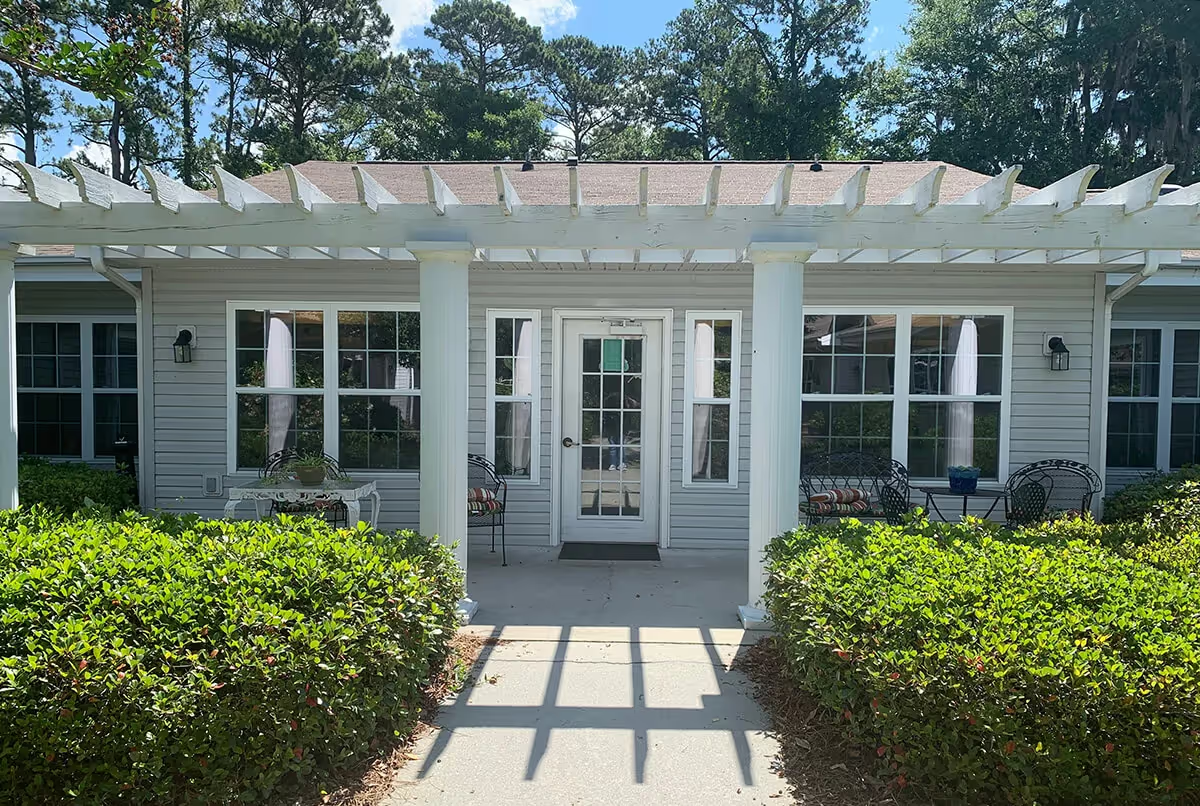
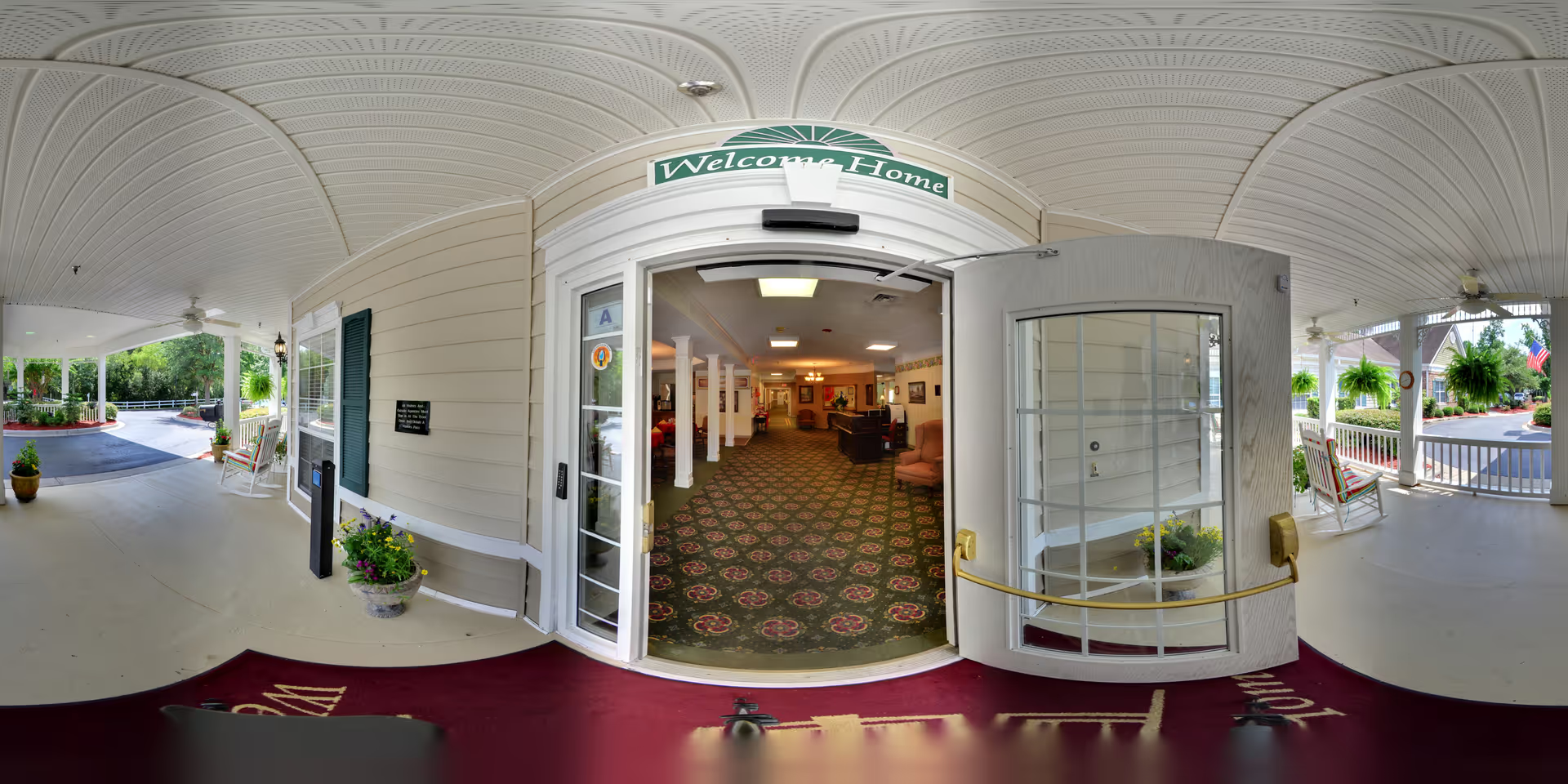
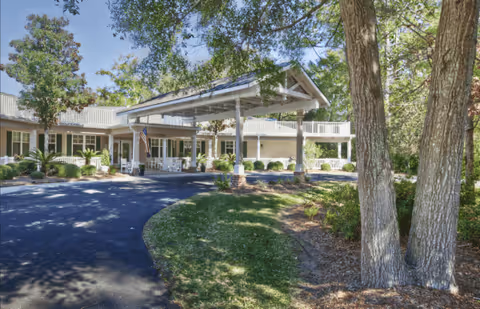
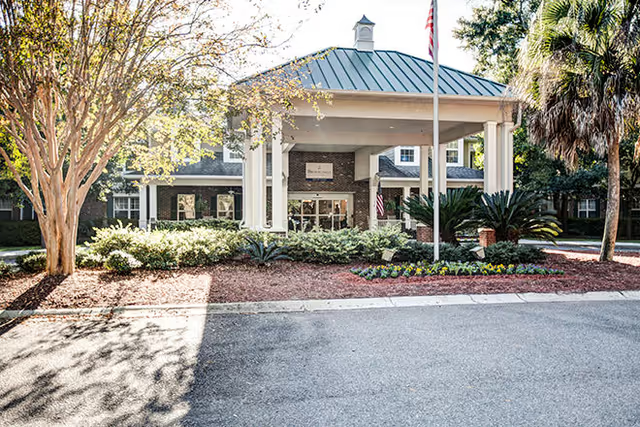
Facilities and environment: The building and common areas are often described as modern, bright, and well-maintained, with comfortable private suites, patios, and safety features. That said, several reviewers identified cleanliness and maintenance inconsistencies in specific units or during particular periods (including HVAC or plumbing outages and localized sanitation concerns). Prospective residents should inspect rooms and service areas and ask about recent maintenance history and pest-control protocols.
Management and administration: Management responsiveness and administrative accuracy are recurring concerns. Reports include delayed or poor communication with families, paperwork and insurance-processing errors, and dissatisfaction with leadership availability during clinical escalation. There is also at least one serious historical allegation concerning medication diversion; such claims warrant direct discussion with facility leadership and review of regulatory records during decision-making.
Notable patterns and practical takeaways: The overall picture is one of strong potential — excellent therapy, attractive environment, and many committed staff — coupled with operational variability that can affect safety and satisfaction. Positive and negative experiences often coexist within the same facility, suggesting that outcomes depend heavily on staffing stability, shift timing, and managerial oversight. Families considering Sprenger Health Care of Port Royal should (1) ask for recent staffing ratios and turnover data, (2) observe med-pass and wound-care practices when possible, (3) confirm dietary and therapy scheduling policies in writing, and (4) request clear escalation and communication pathways for clinical concerns. These steps can help ensure that an individual placement aligns with the resident’s clinical and social needs.