Reviews of Seneca Health and Rehabilitation Center present a polarized picture: many families and visitors highlight consistently compassionate direct-care staff and strong therapy outcomes, while others describe operational and clinical inconsistencies that affect resident experience. Therapy (physical, occupational, and speech) is repeatedly cited as a core strength; therapists are described as energetic, communicative, goal-oriented, and effective in returning residents to home. Equally consistent are reports of dedicated CNAs and nursing assistants who provide attentive hands-on care and build family relationships.
Clinical delivery shows notable variability. Multiple accounts praise responsive nursing staff and coordinated care planning, but a comparable set of accounts cites delays in medication administration, gaps in notification about wounds or falls, and uneven responsiveness to call systems. These patterns suggest inconsistent nursing oversight and medication-administration controls across shifts and units. There are also isolated allegations of staff misconduct; such claims are serious and should prompt a direct inquiry with facility leadership and regulatory sources during any evaluation.
Dining and nutrition present mixed impressions. Several reviewers appreciate kitchen staff who know residents by name and accommodate restrictions; others report repetitive menus, limited fresh fruit and vegetable options, and incidents where allergy or diet instructions were not followed. Reviewers also noted a lack of formal diabetes and nutrition education for residents and families. Overall, nutritional offerings may vary by shift and over time, and families should confirm current menu practices and allergy protocols.
Activity programming is another area of strength for many residents: organized events, social programming, and a committed activities director are often mentioned. However, engagement is less consistent for residents who are room-bound or have limited mobility; in those cases, family visitors describe fewer in-room activities and interaction. Activity accessibility for bed-confined residents appears to depend on staffing and scheduling.
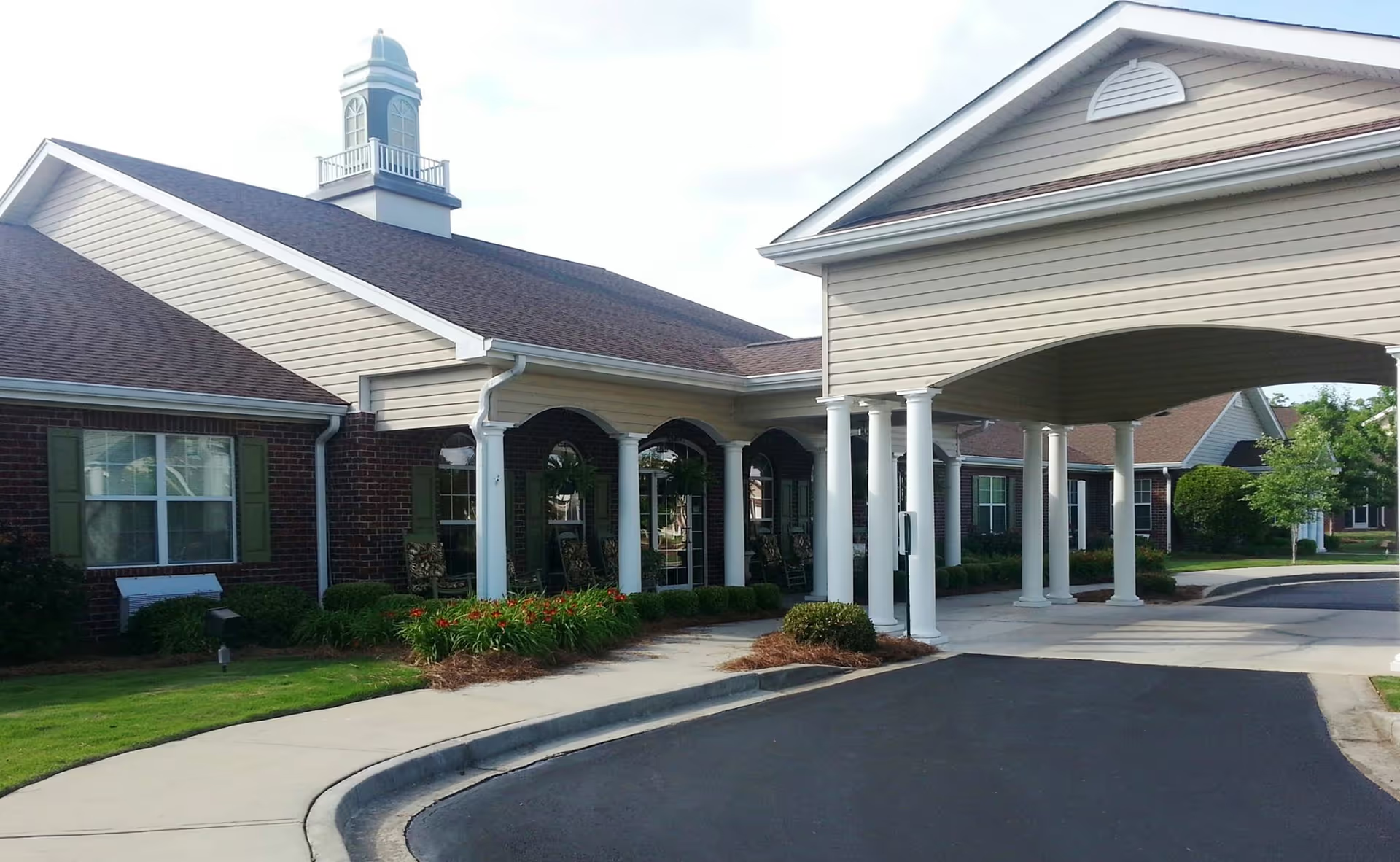
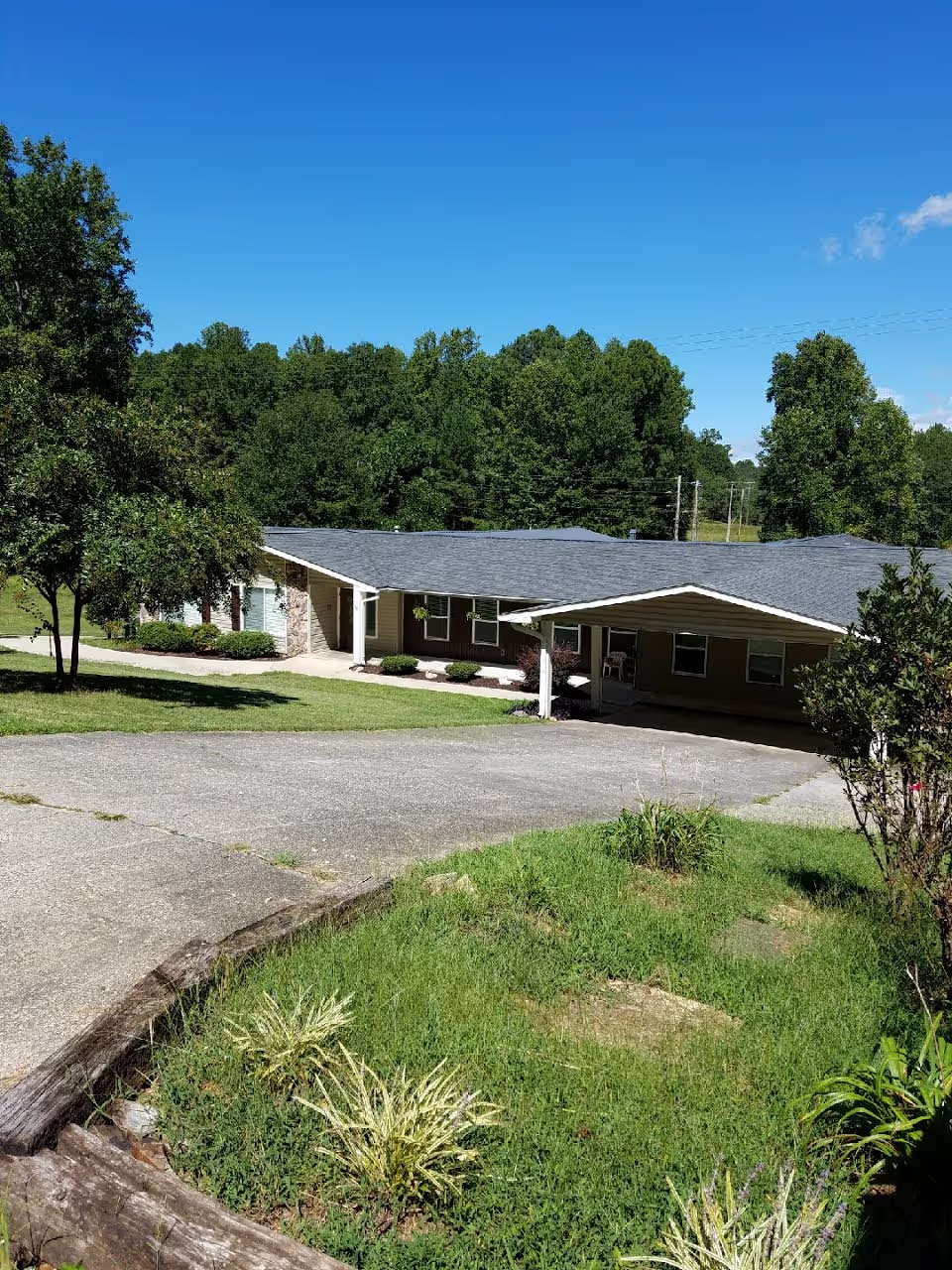
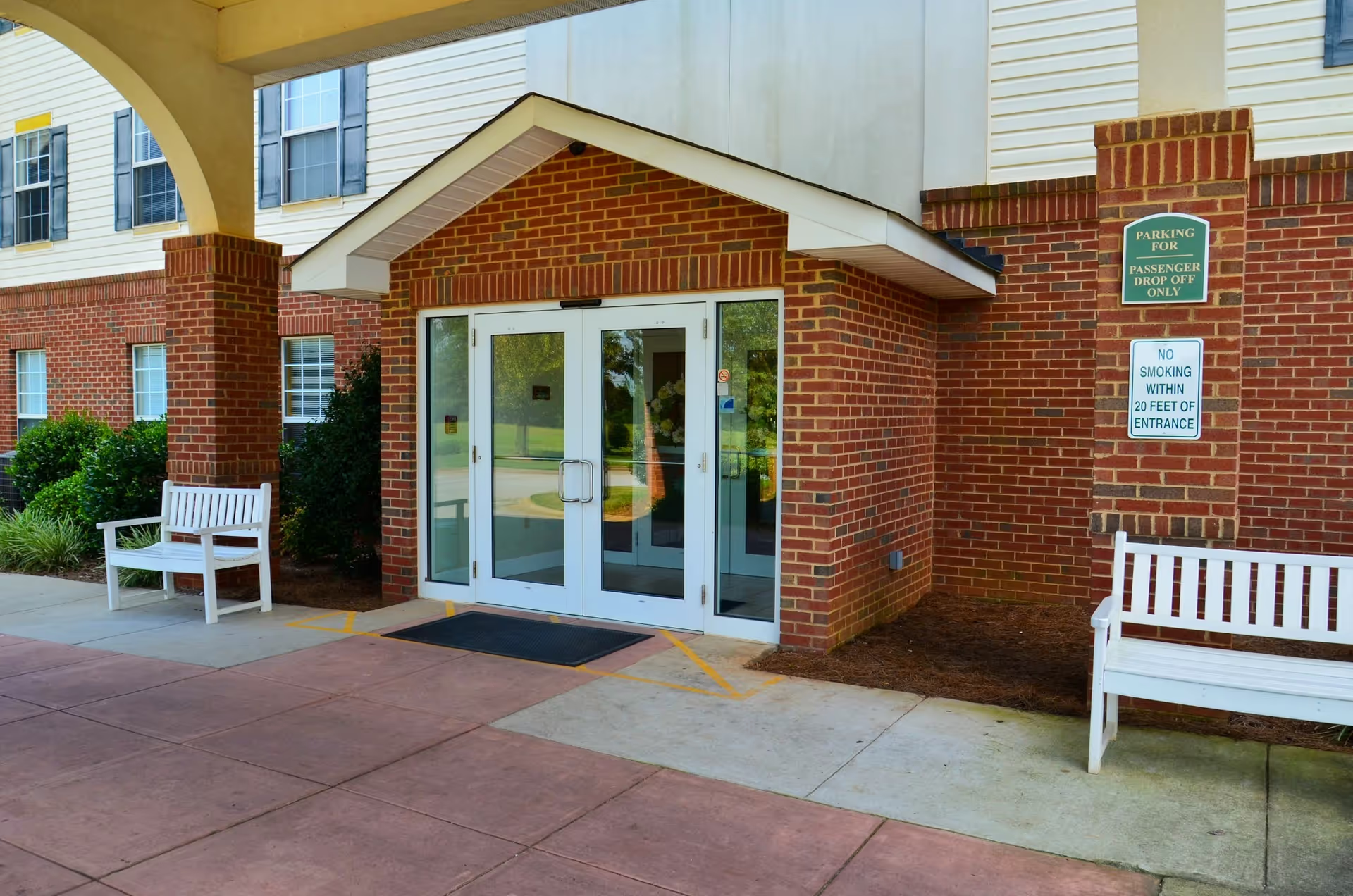
The physical plant is described as an older building that many reviewers find clean and well-maintained, especially under recent management changes; maintenance staff receive frequent praise. At the same time, some reviewers raised sanitation concerns in certain rooms and food-preparation practices, and a few noted mold or storage issues. These comments suggest variable environmental controls between units and over time rather than a uniformly maintained facility.
Management and administration receive mixed assessments. Several families praise admissions support, help with benefits paperwork, and visible improvements under new ownership and a hands-on administrator. Conversely, other reviewers report slow paperwork processing, insurance or billing delays, and inconsistent social-work communication, including concerns about tone. Leadership turnover and high staff turnover were frequently cited as factors that affect continuity and the consistency of care.
Notable patterns across the reviews are high variability between units and shifts, a recurrent strength in therapy services, and recurrent operational weaknesses around medication processes, hygiene scheduling (including bathing), nutrition education, and response times. Prospective residents and families would benefit from an on-site tour focused on current leadership, med-administration protocols, staffing ratios by shift, fall-prevention procedures, kitchen allergy handling, and opportunities for in-room activities. Asking for recent quality metrics, staffing continuity data, and examples of management’s corrective actions since any noted incidents can help assess current performance given the mixed historical record.