The reviews for Simpsonville Post-Acute describe a facility with sharply mixed performance across clinical care, staffing, operations and environment. On the positive side, many families and patients highlight strong rehabilitation services: an effective physical/occupational therapy program, measurable functional gains, and a therapy-driven culture that helped some residents return home quickly. Several reviewers also praised individual clinicians — nurses, CNAs, therapists and select physicians — for being attentive, compassionate and competent. When these teams are present, families report a safe, welcoming environment with clean common areas, timely housekeeping, engaging activities, and supportive social-services coordination.
Contrasting those accounts are recurrent operational weaknesses that affect clinical reliability. The most consistent themes are variable staffing levels (notably nights and weekends), uneven staff training and competence across units, and medication-management problems including dosing and administration errors. These issues translate into inconsistent assistance with activities of daily living (bathing, dressing, toileting), delays in incontinence care, and gaps in wound care. Reviewers also describe sanitation concerns and odor issues in some rooms or wings, and maintain there are lapses in infection-control and quarantine practices at times.
Communication and management practices are another frequent source of concern. Families report inconsistent incident reporting, limited follow-up after clinical changes, and variable transparency around transfers or discharge timing. Several reviews raise financial-accountability concerns—billing disputes, pressure around pickups, and questions about handling of personal items—and note a history of complaints or regulatory scrutiny. Safety and equipment-handling shortcomings (for example, lift/transfer issues) and inconsistent continuity of therapy when units are quarantined or understaffed are additional operational patterns that recur in the feedback.
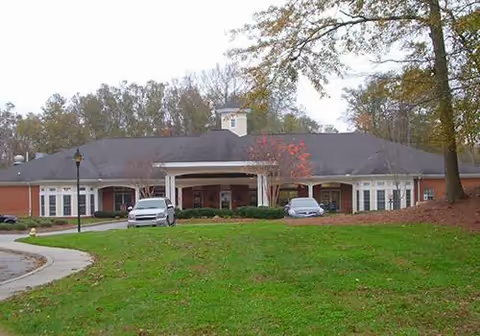
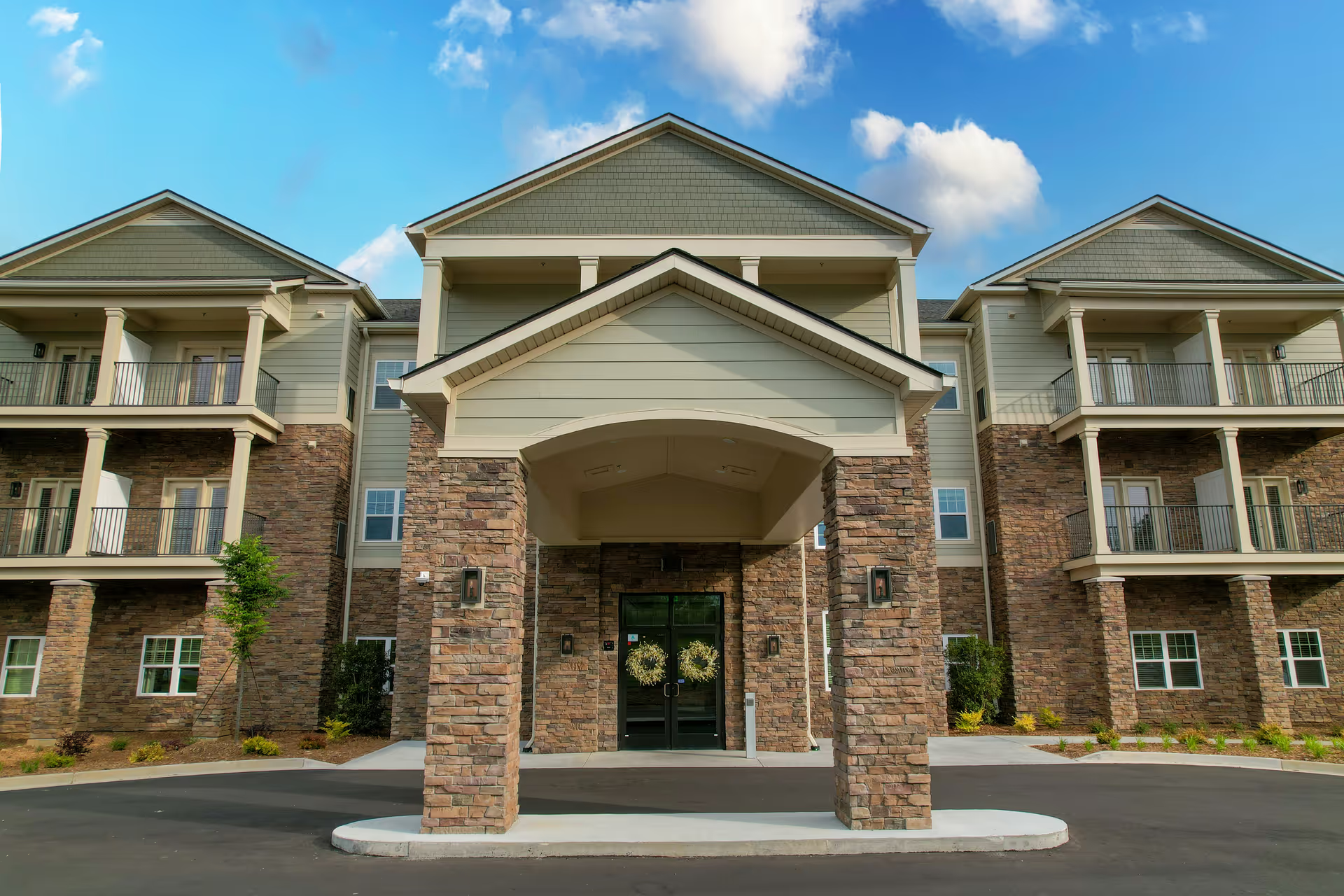
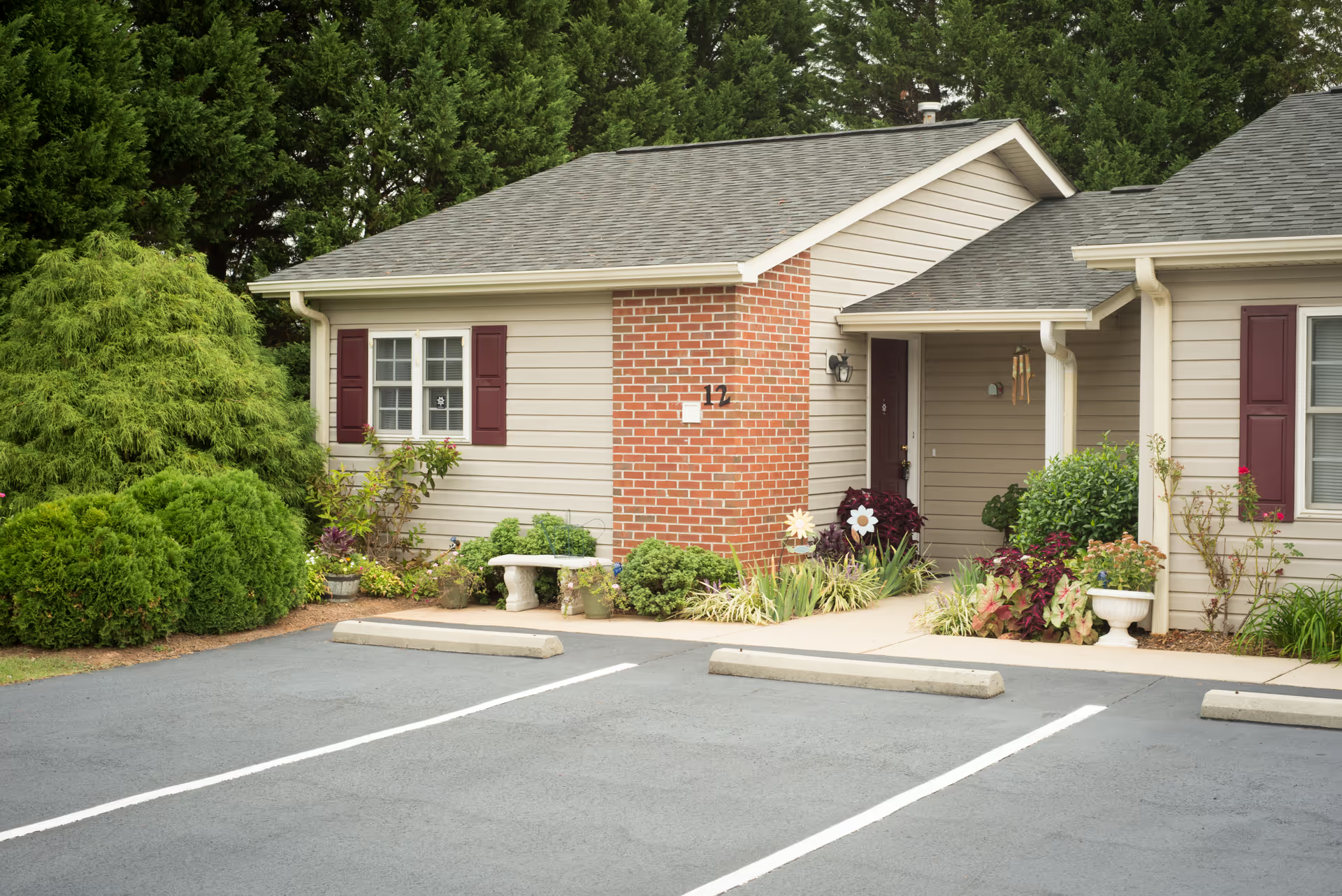
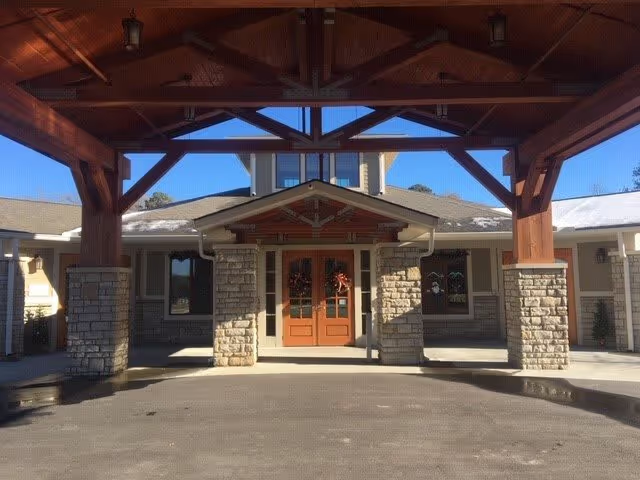
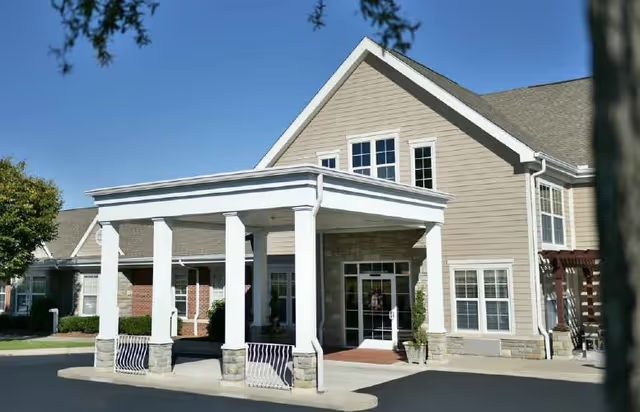
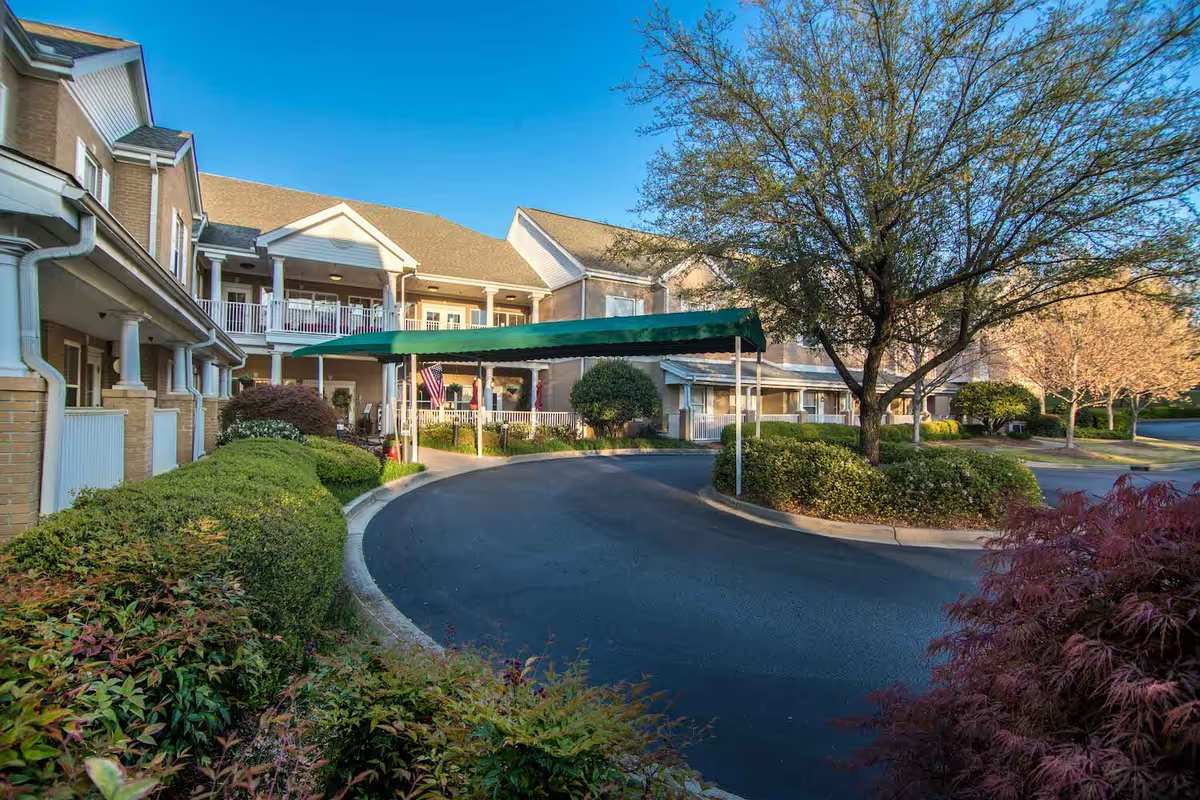
Dining and activities are uneven: some residents describe appetizing, healthy meals and a range of activities, while others find the food unappealing and activity engagement limited. Facility condition comments are mixed as well — many reviewers describe a clean, orderly, homelike environment, while others point to maintenance problems, odor concerns, or older infrastructure in particular areas.
In practice this appears to create two divergent experiences: families who encounter well-staffed, well-managed units report positive rehabilitation and compassionate daily care; families who experience understaffing, inconsistent training or communication problems report significant clinical and operational concerns. Prospective residents and families should verify staffing patterns for the specific unit and shifts relevant to their loved one, confirm medication-administration and wound-care protocols, and request clear escalation and communication procedures in writing. For family members staying involved, regular review of the care plan, medication reconciliation, and documentation of incidents will help to identify problems early and support timely corrective action.