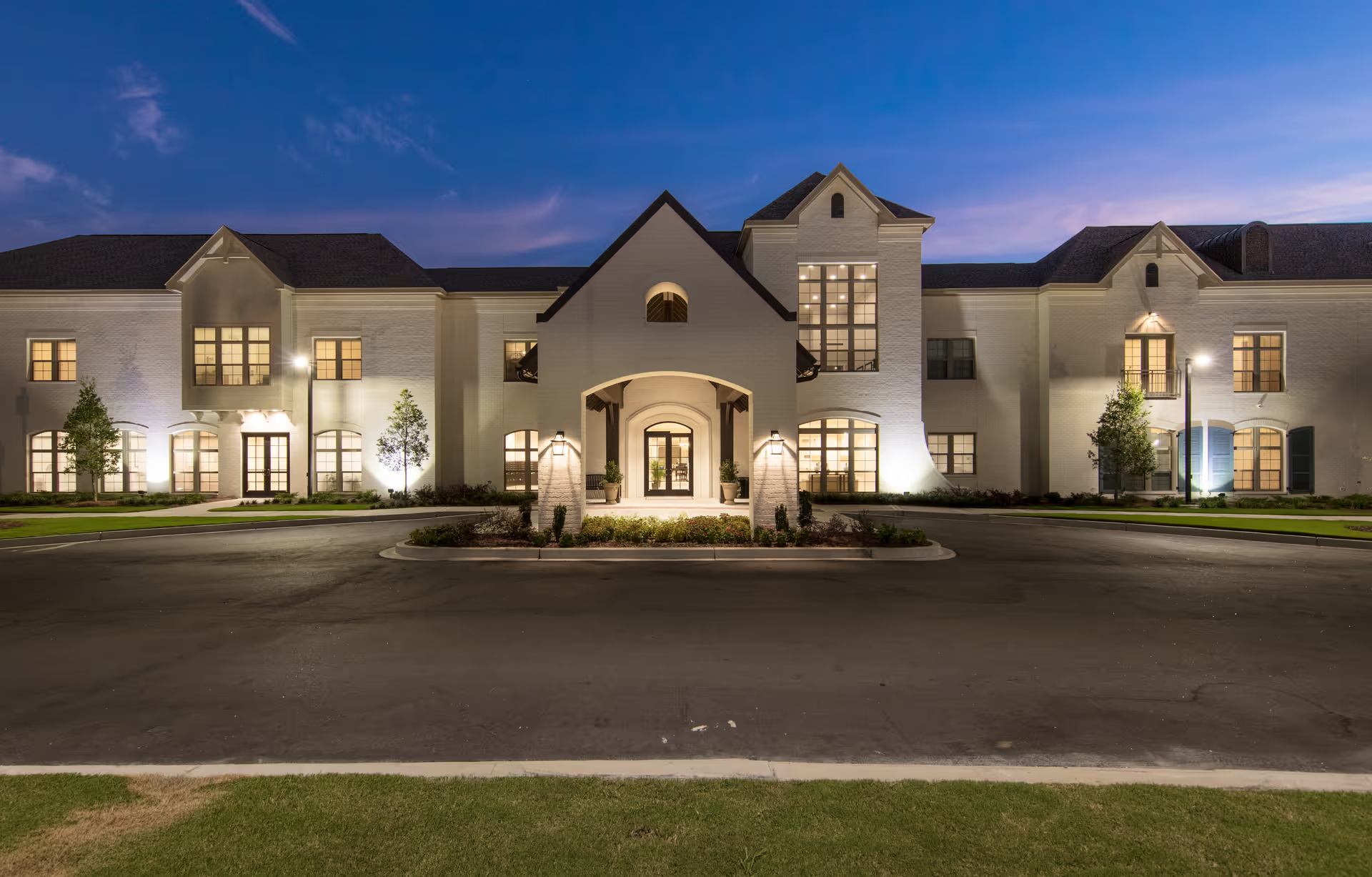
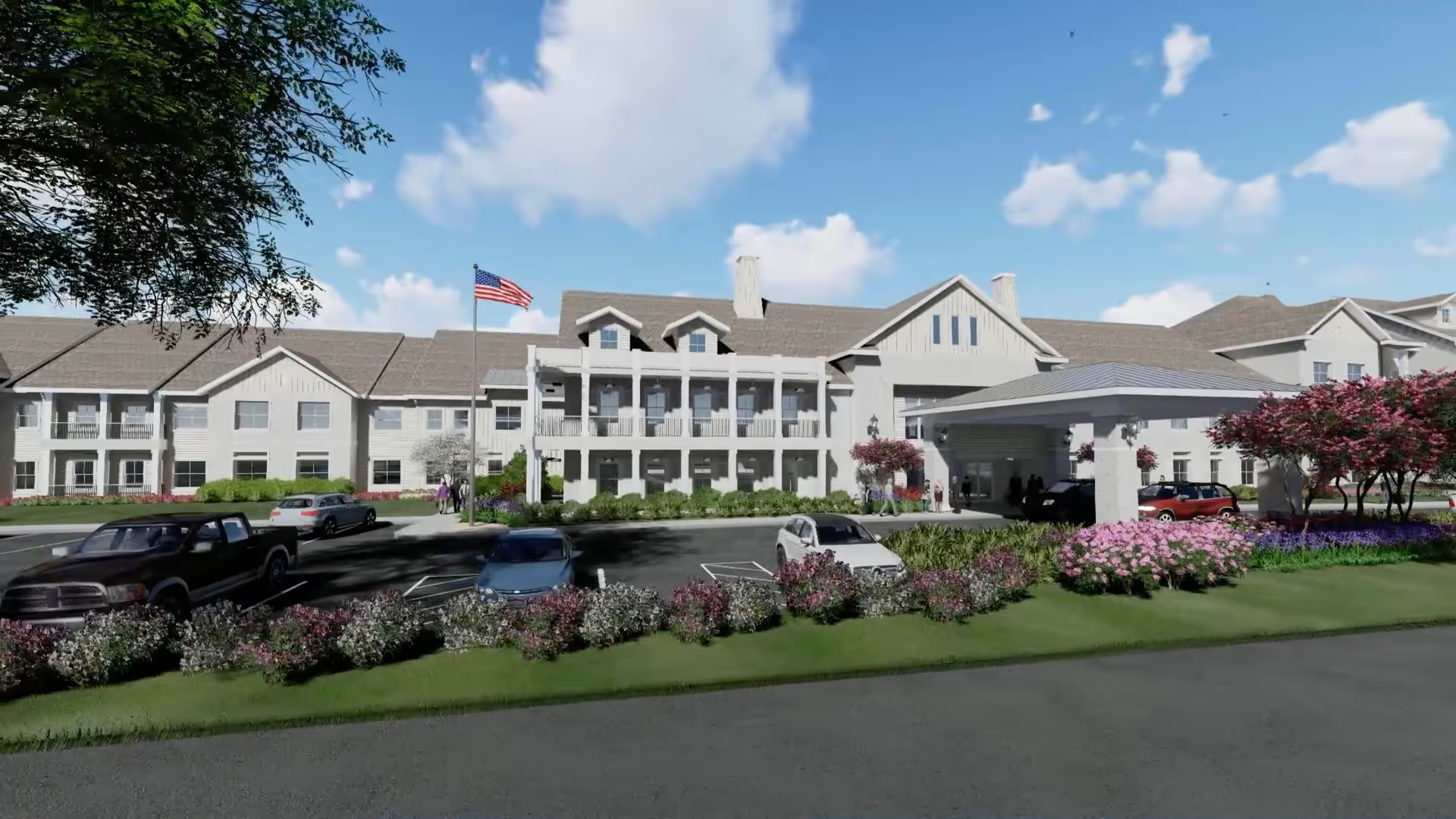
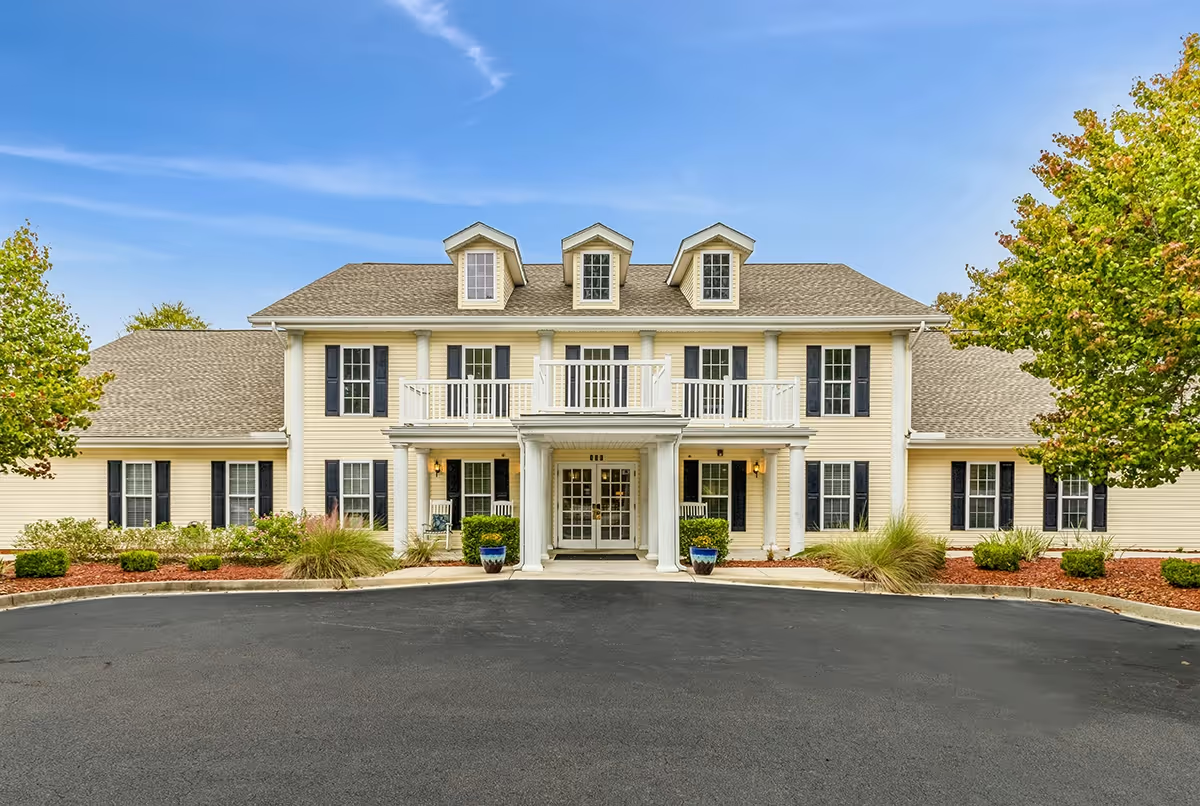
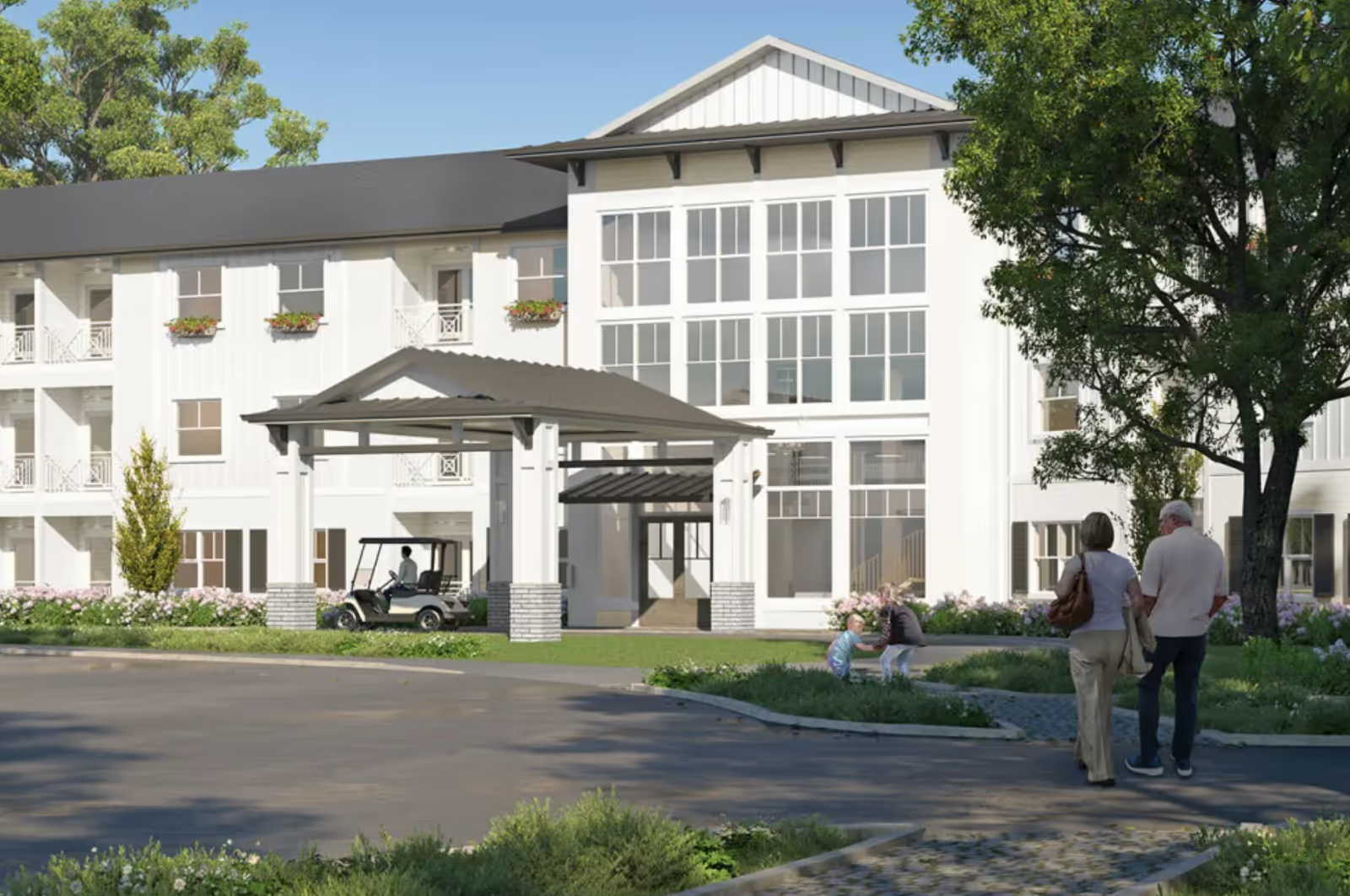
Del Webb Charleston at Nexton presents as an active-adult community with strong lifestyle and facility offerings alongside uneven operational performance. Strengths that recur across feedback include a comprehensive amenity package (notably a pool, clubhouse, fitness center, and walking trails), an active calendar of social programming, and a generally welcoming, sociable resident population. The community benefits from a desirable location close to retail, dining, and medical services, and many buyers praise individual staff members—particularly construction managers, field managers, and design consultants—for being communicative, organized, and helpful during the build and move-in phases.
Construction and home-quality experience is a primary area of divergence. Numerous accounts describe positive, well-managed build processes with weekly progress updates and smooth handoffs; concurrently, a significant number of accounts describe variability in construction quality and finish work, with persistent punch-list items following closing. The pattern suggests that quality control and subcontractor consistency vary by build team and by individual home; when the on-site manager is engaged and consistent, buyers tend to report better outcomes. Post-closing repair responsiveness likewise varies—some residents report prompt resolution, while others describe ongoing correction cycles.
Staff performance and communications show marked polarization. Many reviews highlight exemplary, prompt communication from named individuals and praise for courteous, proactive construction and sales staff. Conversely, other accounts describe poor responsiveness from sales or mortgage contacts, nontransparent disclosure of upgrades and pricing, and stressful interactions during financing or closing. Frequent changes in community managers and occasional lapses in communication during delays amplify frustration for buyers who experience completion timing problems.
Operational and management-level themes include scheduling unpredictability, inconsistency in warranty and punch-list follow-through, and concerns about sales transparency and pricing structure (for example, base pricing versus lot and upgrade costs). Amenity use and capacity have been raised as practical constraints at peak times. Security and gate procedures are also mentioned as inconsistent in conduct and enforcement. Finally, there are concerns about the authenticity of online ratings and the clarity of published information, which has contributed to polarized perceptions of the community.
For prospective residents: the community delivers a strong lifestyle proposition—amenities, programming, and neighborhood social life are frequently praised. However, prospective buyers should build due diligence into the purchase process: verify the written scope of upgrades, clarify land/lot and upgrade costs up front, ask about the assigned construction and field managers, and confirm warranty and post-closing processes. Doing so can help mitigate the variability in construction quality and operational responsiveness that appears to drive the largest differences in resident satisfaction.