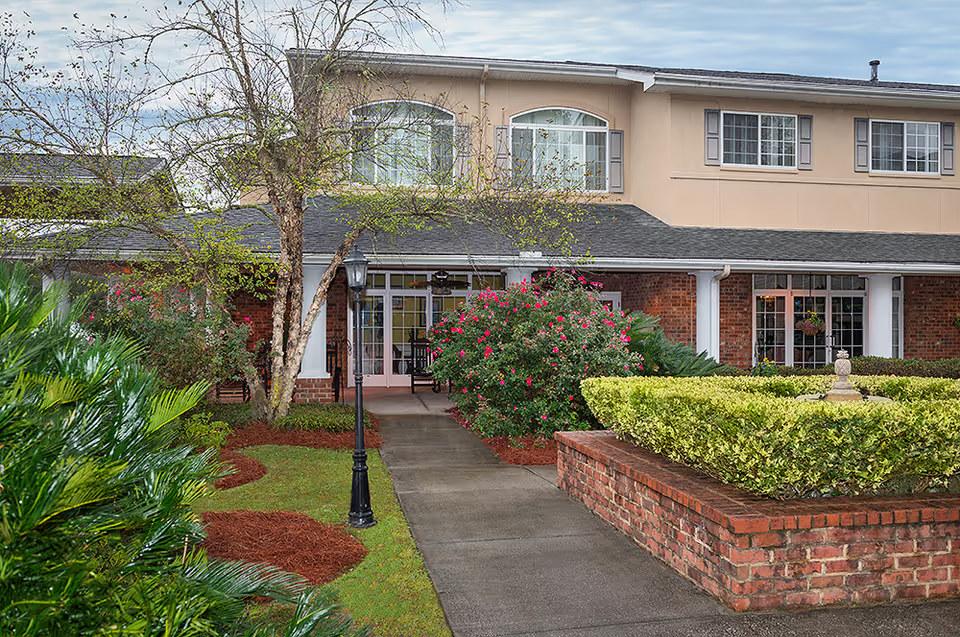
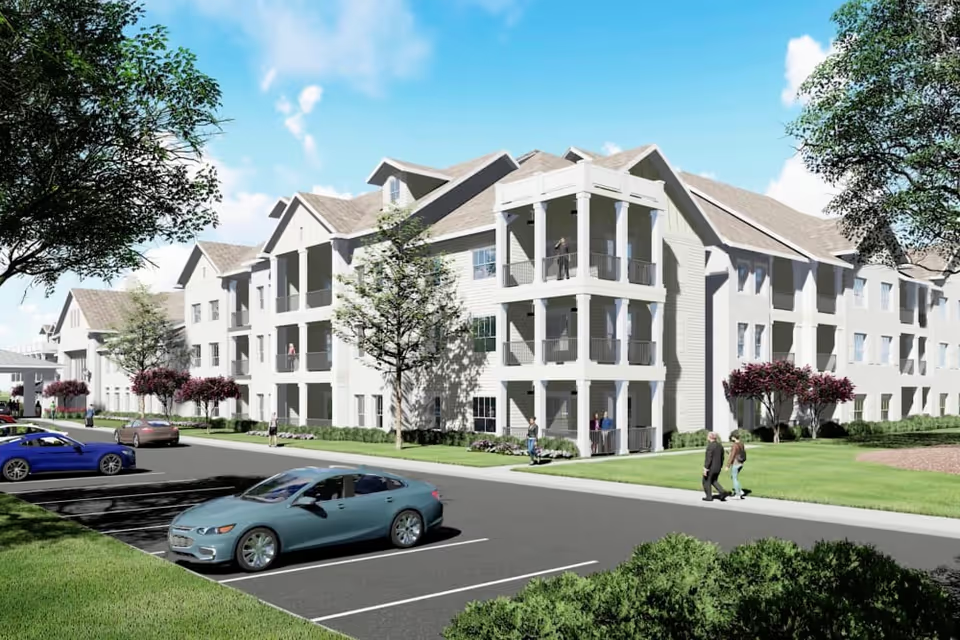
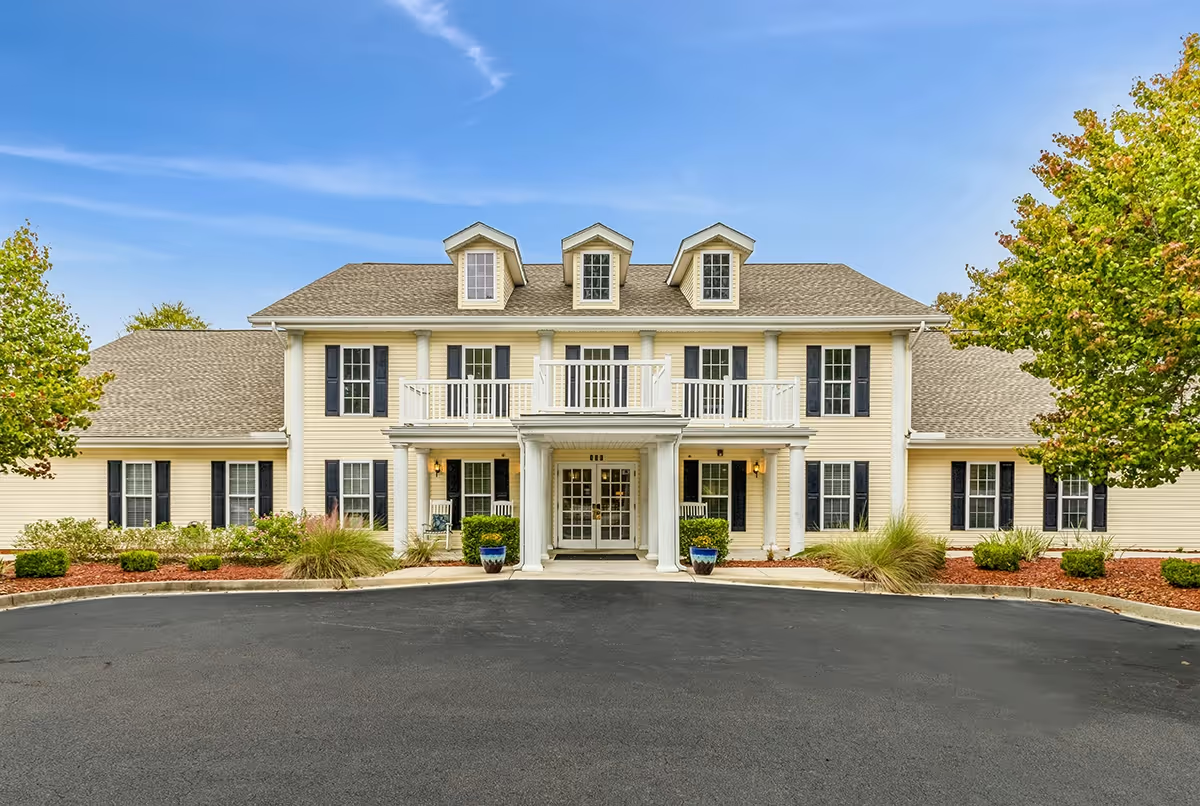
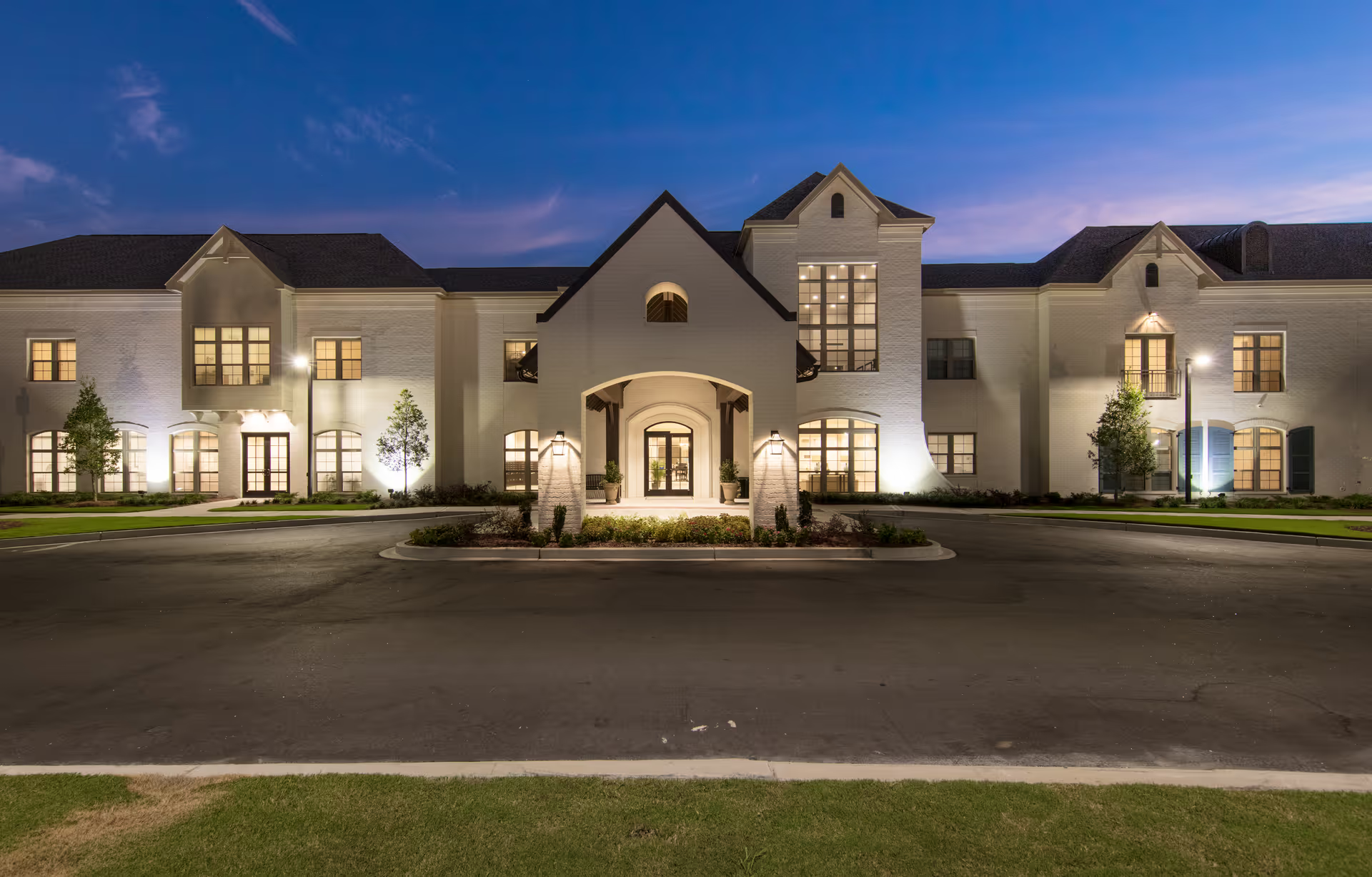
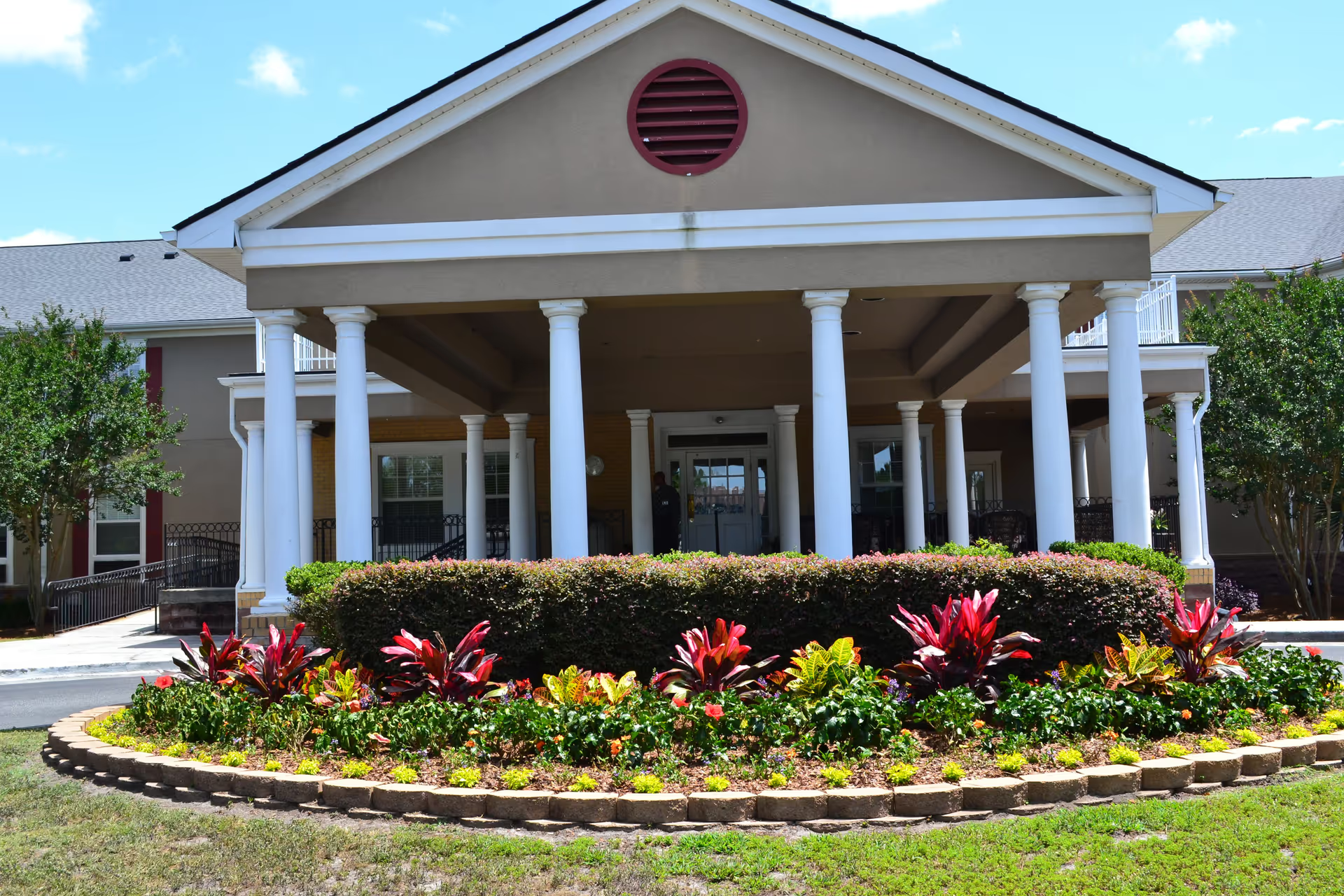
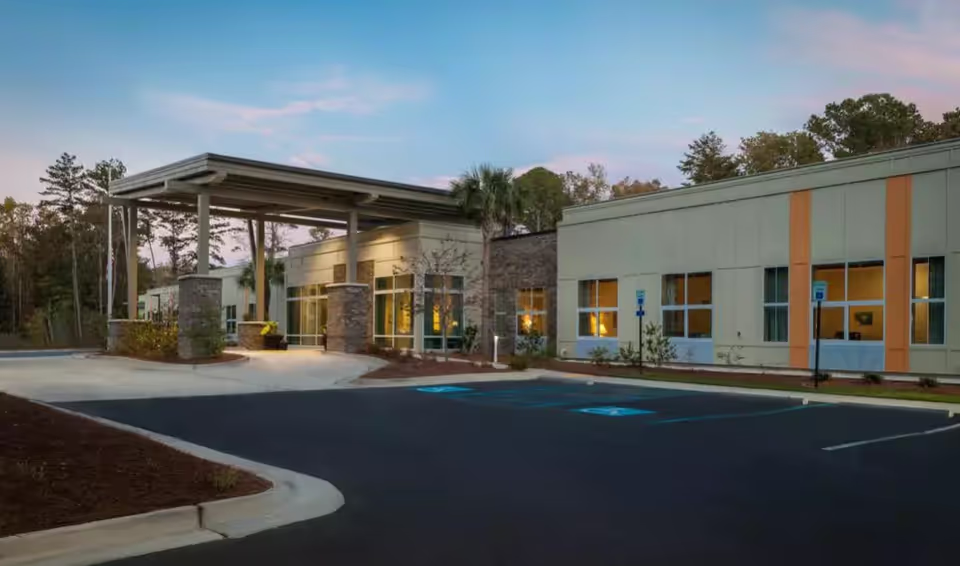
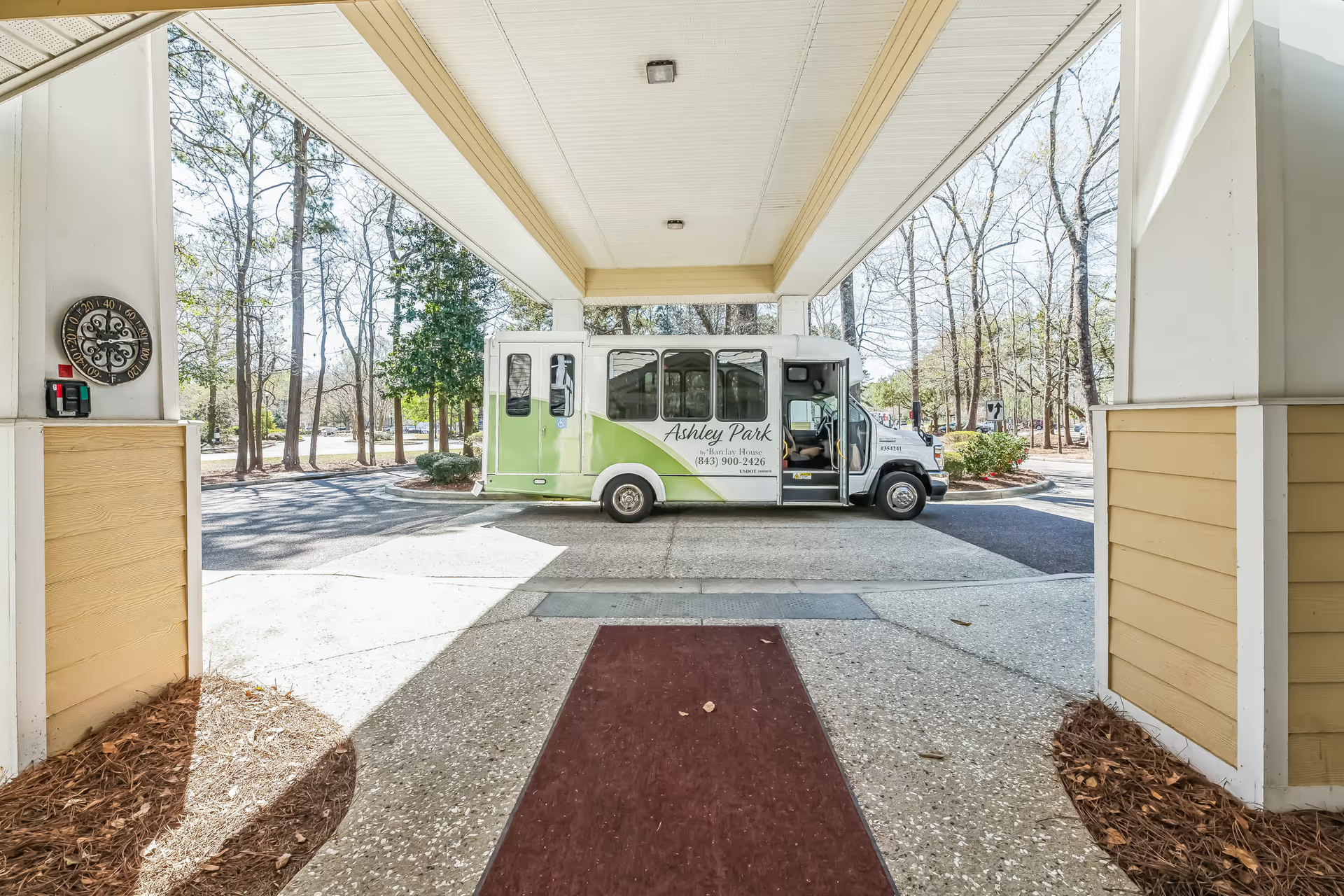
Harmony at Wescott elicits strongly mixed impressions. Many reviewers praised the community’s physical environment: a modern, resort-like campus with generous common spaces (movie theater, libraries, pub area, salon, fitness and therapy rooms), varied apartment sizes including units with full kitchens and in-unit laundry, and an active, detailed activity calendar. Transportation, scheduled outings, and rehabilitation services are available on-site, and numerous families described warm, attentive interactions with caregiving staff and helpful admissions support during transitions.
At the same time, a recurring cluster of operational concerns appears across reviews. Staffing instability and apparent understaffing were frequently associated with delays in personal care, missed or inconsistent medication administration, and unreliable housekeeping and laundry. Several reviewers described gaps in meal service continuity and variability in kitchen staffing and food quality over time. Maintenance and HVAC complaints—including episodes of inadequate apartment climate control—were also described as a persistent frustration for residents and families.
Clinical oversight and safety are key areas of concern. Multiple accounts indicate limited 24/7 nursing coverage and problems with emergency-response systems (pendant/pull-cord delays, slow nursing responses). These issues were tied to family worries about care continuity in assisted and memory-care settings. Memory-care supervision was singled out in many reviews for inconsistent practice and dignity safeguards; some reviewers raised serious individual incidents and subsequent concerns about how those incidents were handled. There are also mentions of privacy and surveillance policy questions and allegations involving financial-authorizations and personal-property handling, which families should verify directly with management.
Communications and administrative reliability are additional themes. Complaints about billing errors, refund delays, unauthorized withdrawals, and slow or unclear responses from business and leadership teams were common. Conversely, some reviewers noted periods of improved responsiveness under new leadership, including concrete changes to activities, food, and landscaping when management actively addressed concerns.
For prospective residents and families: the community offers substantial physical and programmatic assets that many find attractive, but the experience appears to hinge on operational consistency—staffing, medication and clinical oversight, housekeeping, dining service, and administrative transparency. When touring, ask specific, documentable questions about current staffing ratios by shift and unit, medication-administration protocols and audit results, housekeeping and laundry schedules, emergency-response testing and pendant availability, memory-care staffing and supervision standards, recent leadership changes and corrective actions, and written contract/billing safeguards (including refund timelines and authorization processes). An in-person visit during a mealtime and a weekday care shift, plus written clarification of contract terms, will help evaluate whether the facility’s strengths are delivered reliably for a particular resident’s needs.