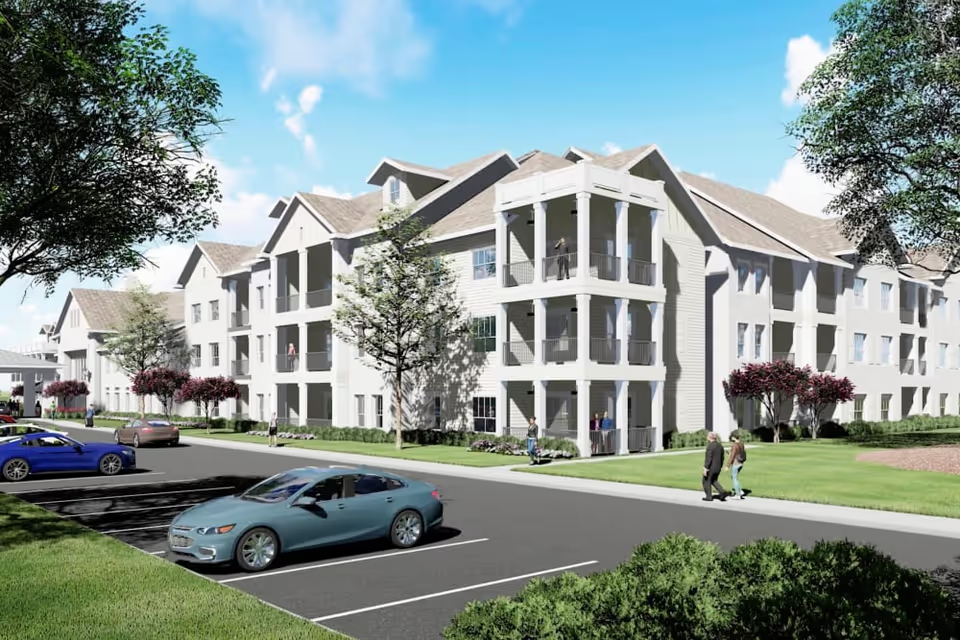
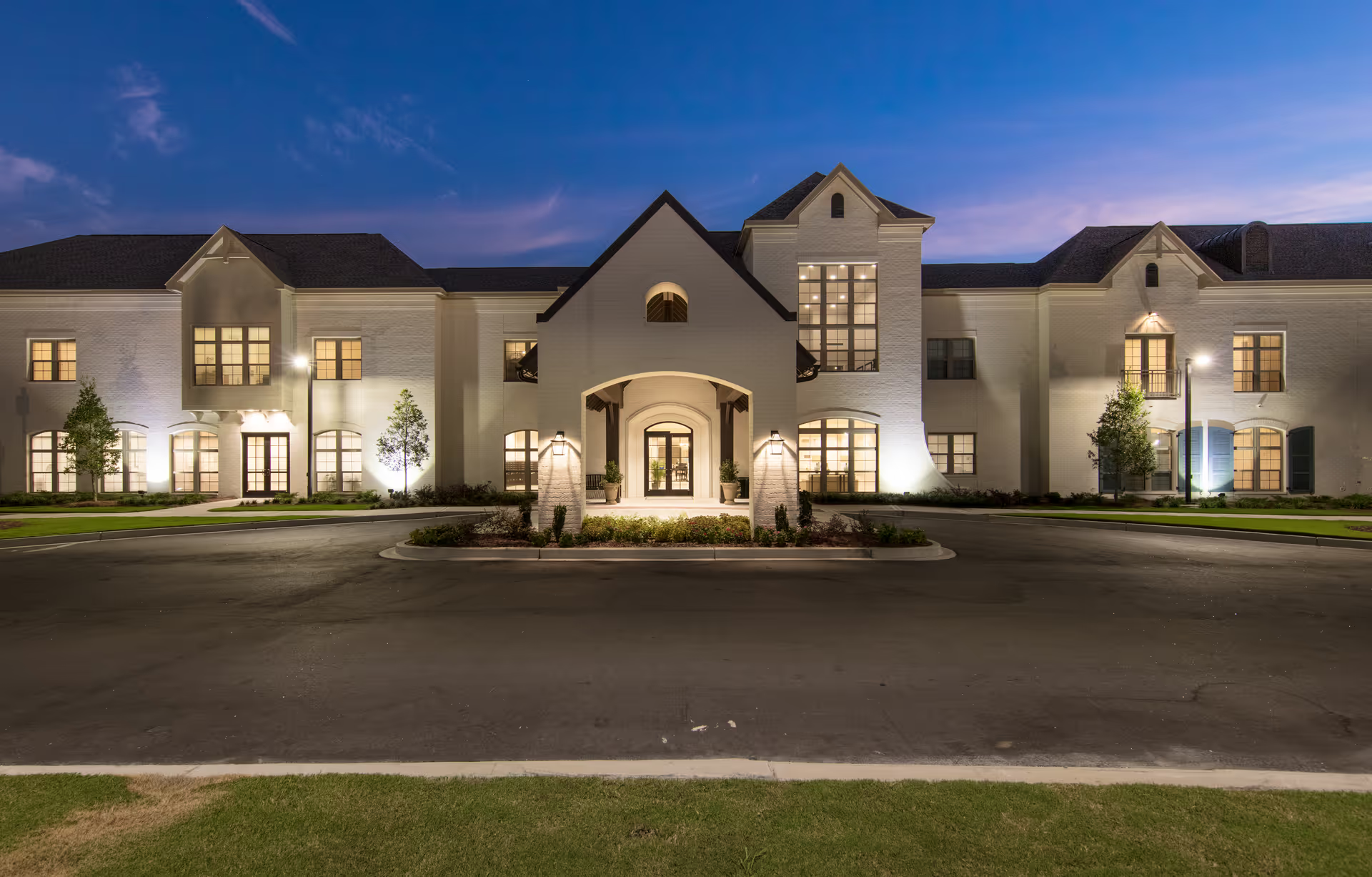
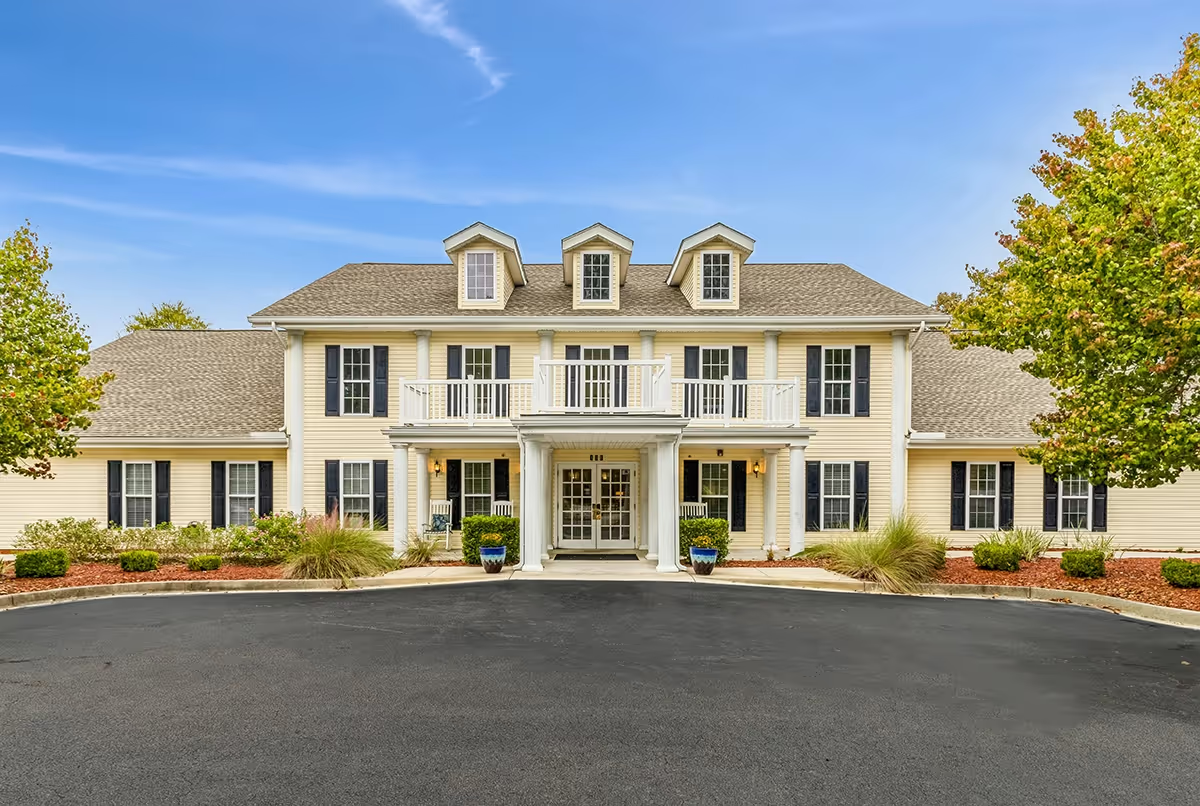
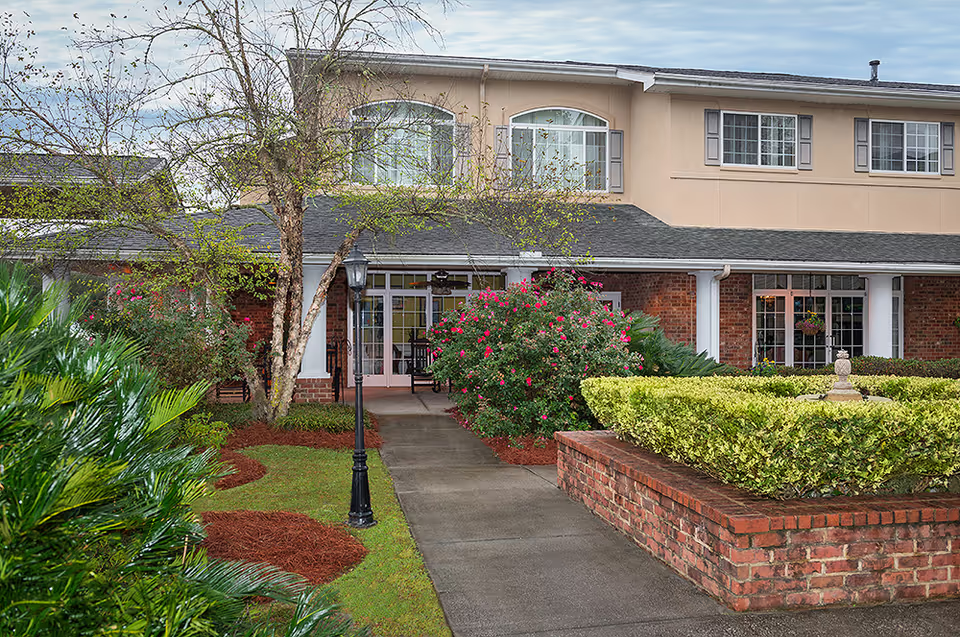
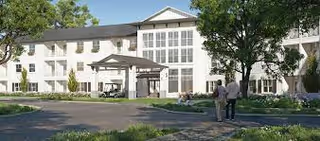
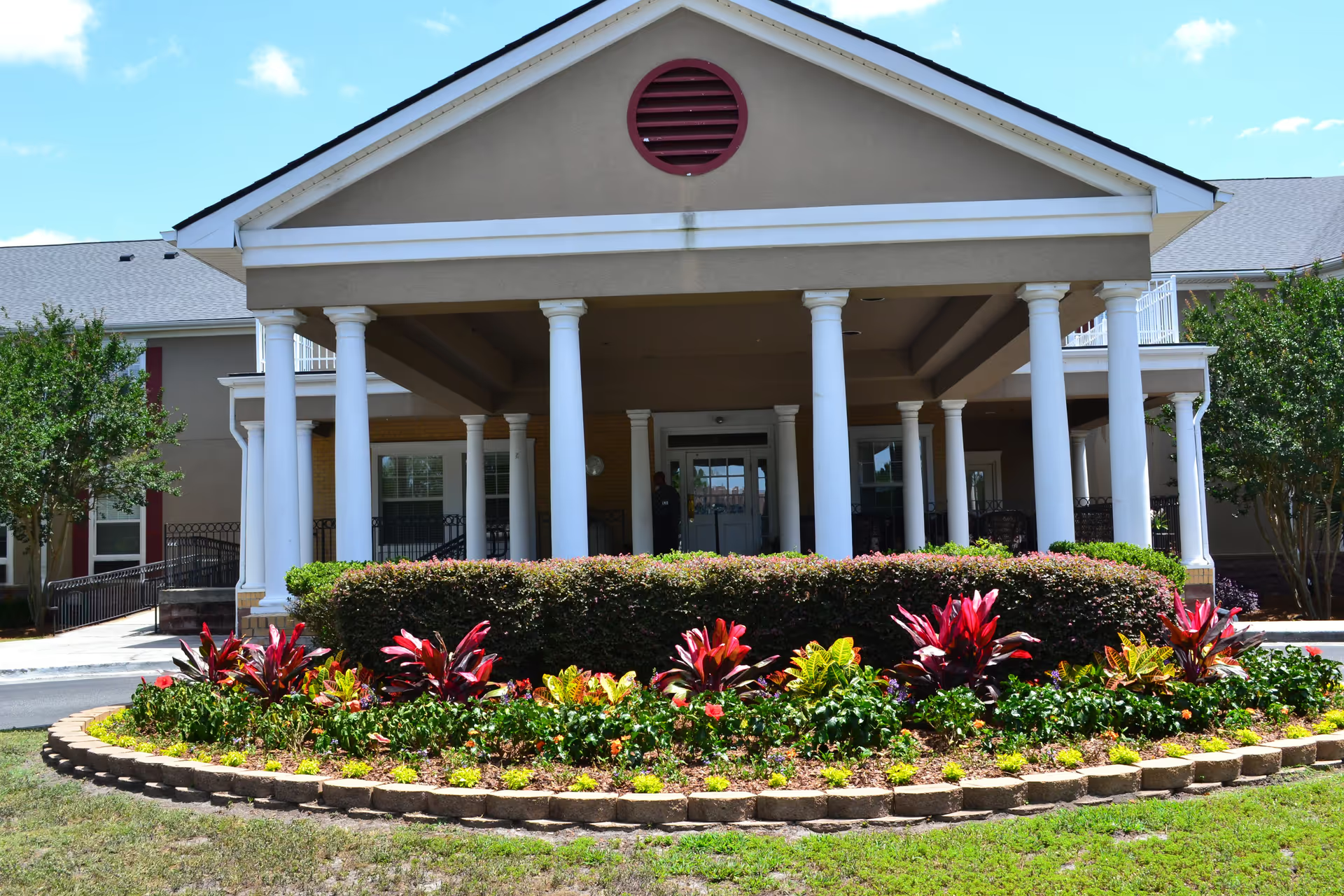
Overall impression: The Village at Summerville presents as a large, well-appointed senior campus with a broad continuum of care and many institutional strengths. Reviewers frequently praised the clinical teams—particularly rehabilitation therapists, social work, and many nurses and CNAs—for attentive, compassionate care and strong outcomes after rehab. The community offers an array of amenities (library, salon/spa, gym, indoor pool, chapel), varied housing types (detached cottages, apartments, semi-private rooms), attractive grounds with walking trails, and an active calendar that includes music, chapel services, outings, and craft programs. Memory-care and a new center on campus are highlighted as modern and well designed.
Care and staff: Clinical care quality is a prominent positive theme—families cited effective therapy programs, responsive nursing in many instances, and helpful social-work advocacy. On-site medical services and doctor house calls were cited as conveniences that support continuity of care. At the same time, reviewers described operational inconsistencies: medication administration and communication about medications and follow-up appointments have been uneven, and there are accounts of charting errors and discharge coordination gaps. There are also recurring mentions of variability in staff behavior and responsiveness—many staff are described as compassionate and professional, but others have been characterized as less responsive or less consistent in communication.
Dining and activities: Dining is generally seen as a strength, with several mentions of fresh, nutritious meals, an active chef, multiple dining venues including cafe-style options for visitors, and social dining events. Some reviewers noted variability in meal execution and occasional menu items that did not meet expectations; dietary restrictions and communication about special diets were flagged as areas to confirm during intake. Activities are robust and a clear asset: music programs, chapel and hymns, bingo, crafts, shopping trips, exercise classes, and a large library contribute to an engaging daily schedule for residents.
Facilities and amenities: The campus blends newer construction (including a state-of-the-art memory care area) with older buildings. Grounds and common areas are frequently described as clean, bright, and pleasant to walk. However, older units show dated aesthetics, smaller room sizes, and maintenance variability (popcorn ceilings, limited landscaping in spots). Availability of private rooms varies, and some residents found the size and scale of the larger facility overwhelming.
Management and operational patterns: Management and administrative responsiveness show a mixed picture. Many families praised specific staff and managers for empathy and clear communication, while other comments described lapses in administrative follow-through, perceived lack of emotional intelligence from certain leaders, and inconsistent behavior when specific administrators were off duty. There are also mentions of wait lists, pricing concerns, and occasional lack of transparency around cost and hospital-preference accommodations.
Safety and risk signals: While many accounts describe high-quality rehabilitation and attentive care, a limited number of serious concerns were raised related to medication handling, delays in physician visits or after-hours coverage, sanitation/personal-care responsiveness, and emergency-response coordination. A few allegations of regulatory-level concerns and emergency-response issues were reported; prospective families should treat these as high-priority inquiries during their evaluation.
Recommendation for prospective families: The Village at Summerville offers substantial clinical and lifestyle resources and may be particularly strong for short-term rehabilitation, on-site therapy programs, and families seeking an active campus with multiple care levels. Prospective residents and families should tour both newer and older units, ask for specifics about medication-management protocols and physician coverage (including after-hours procedures), review how dietary restrictions are handled, request current staffing and maintenance plans for older buildings, and obtain clear, written pricing and admission/ discharge policies. These targeted questions will help determine whether the facility’s strengths align with a particular resident’s clinical needs and preferences.