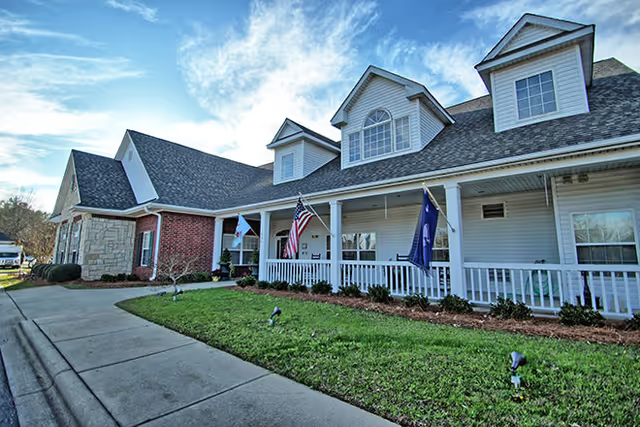
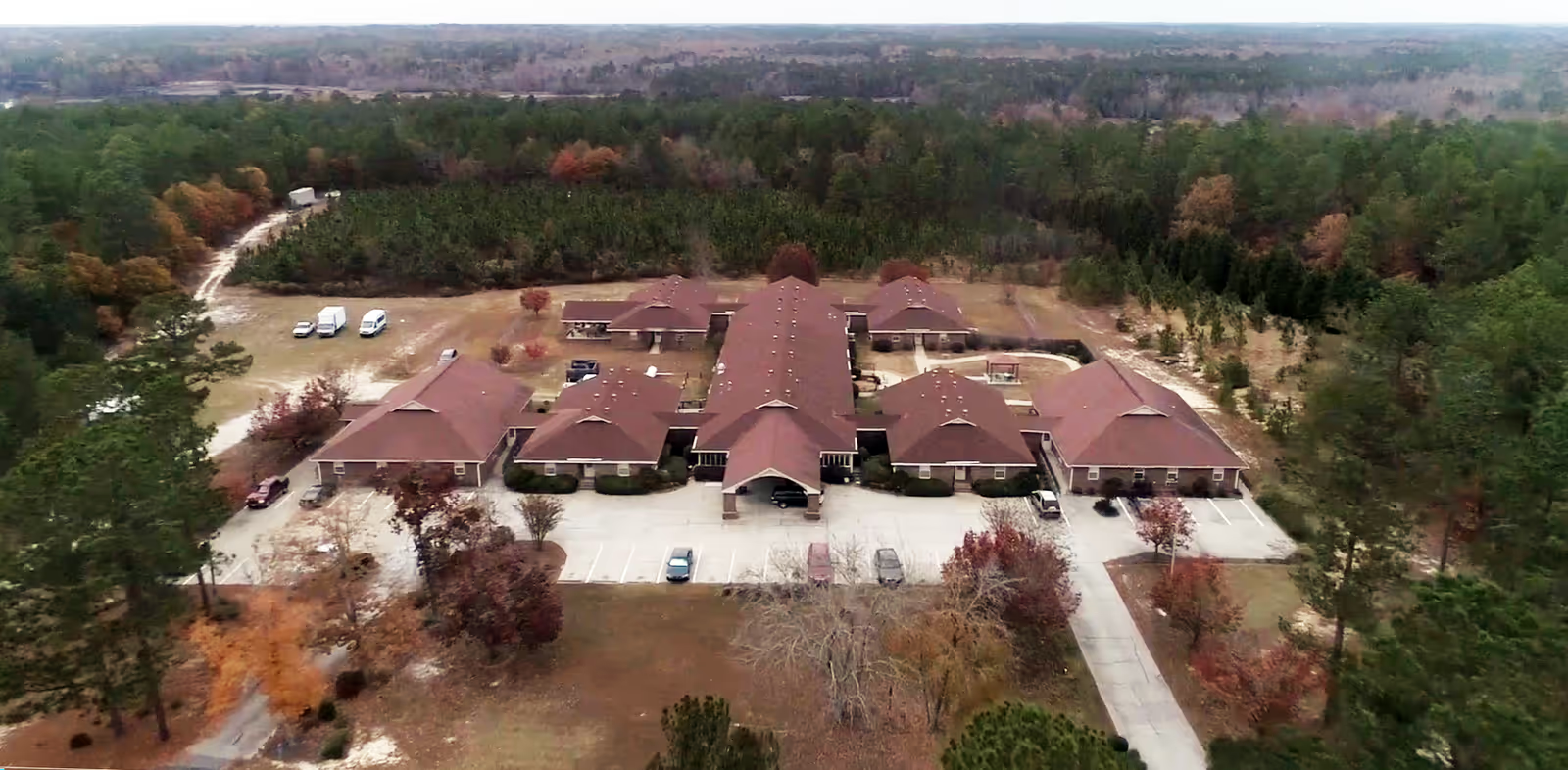
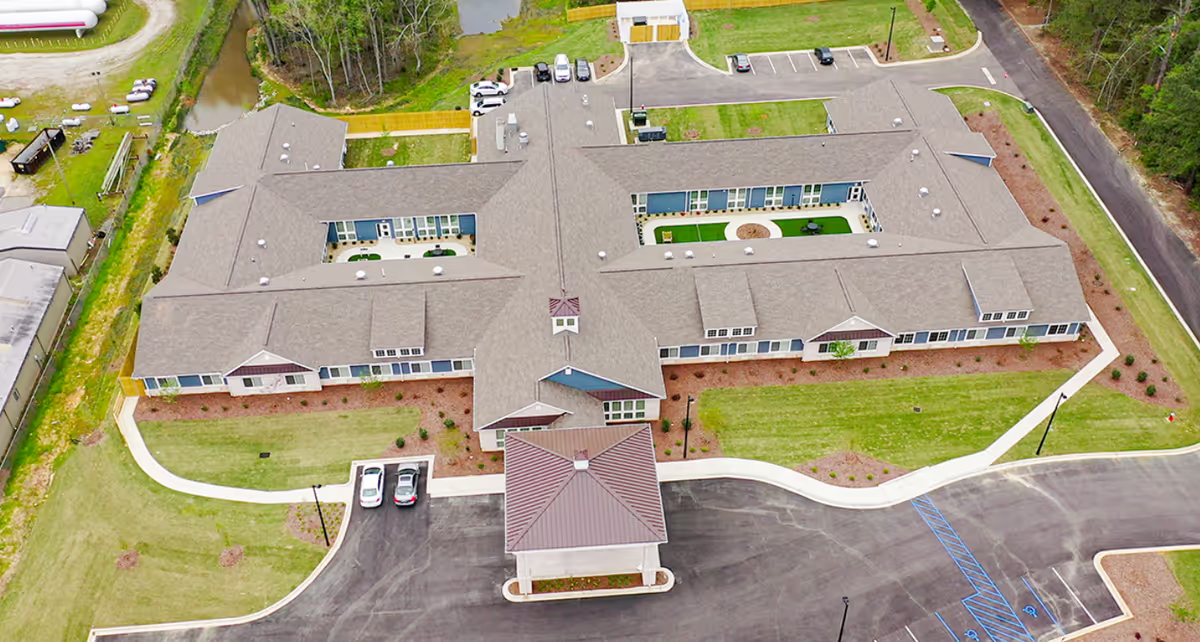
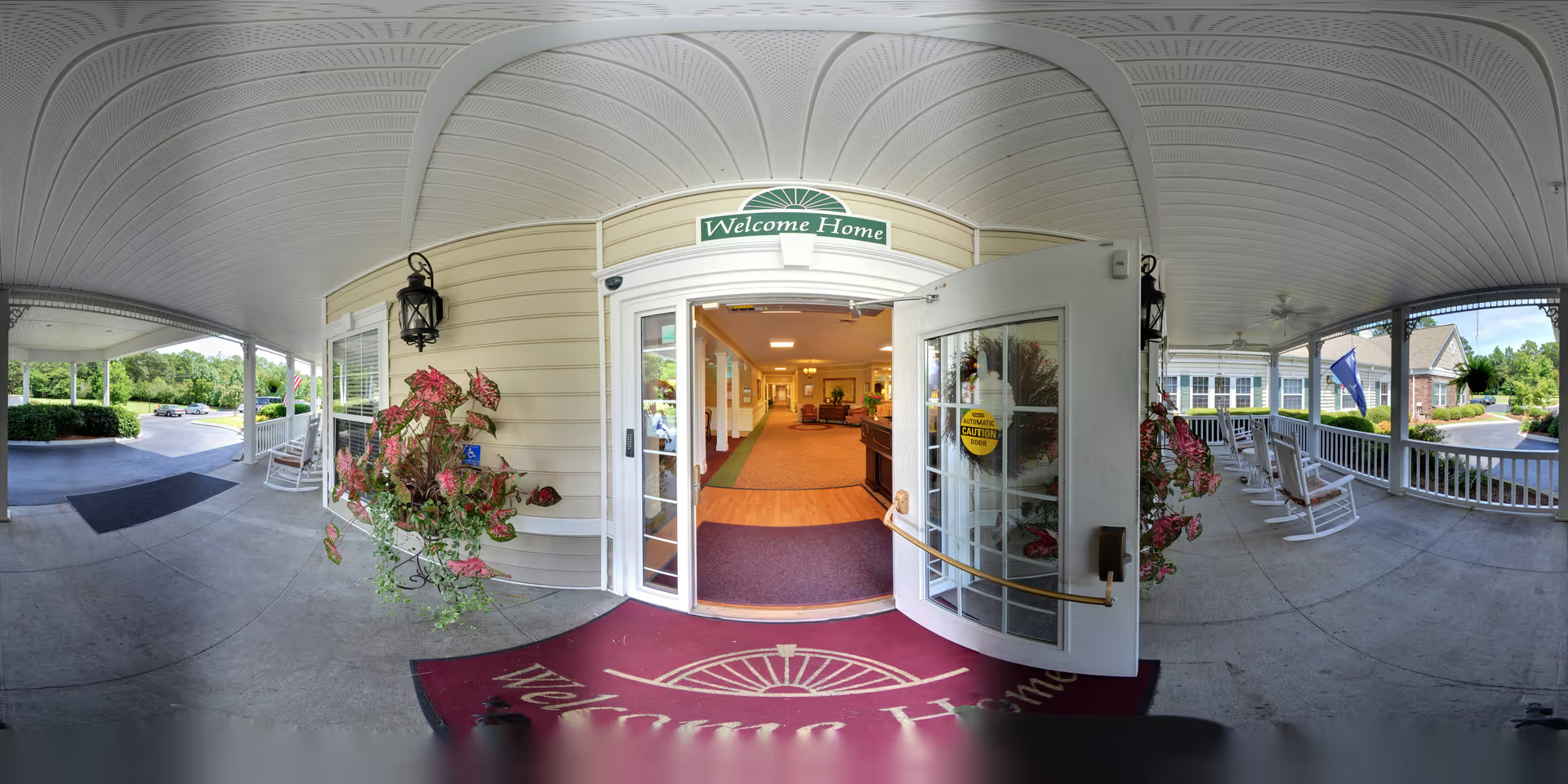
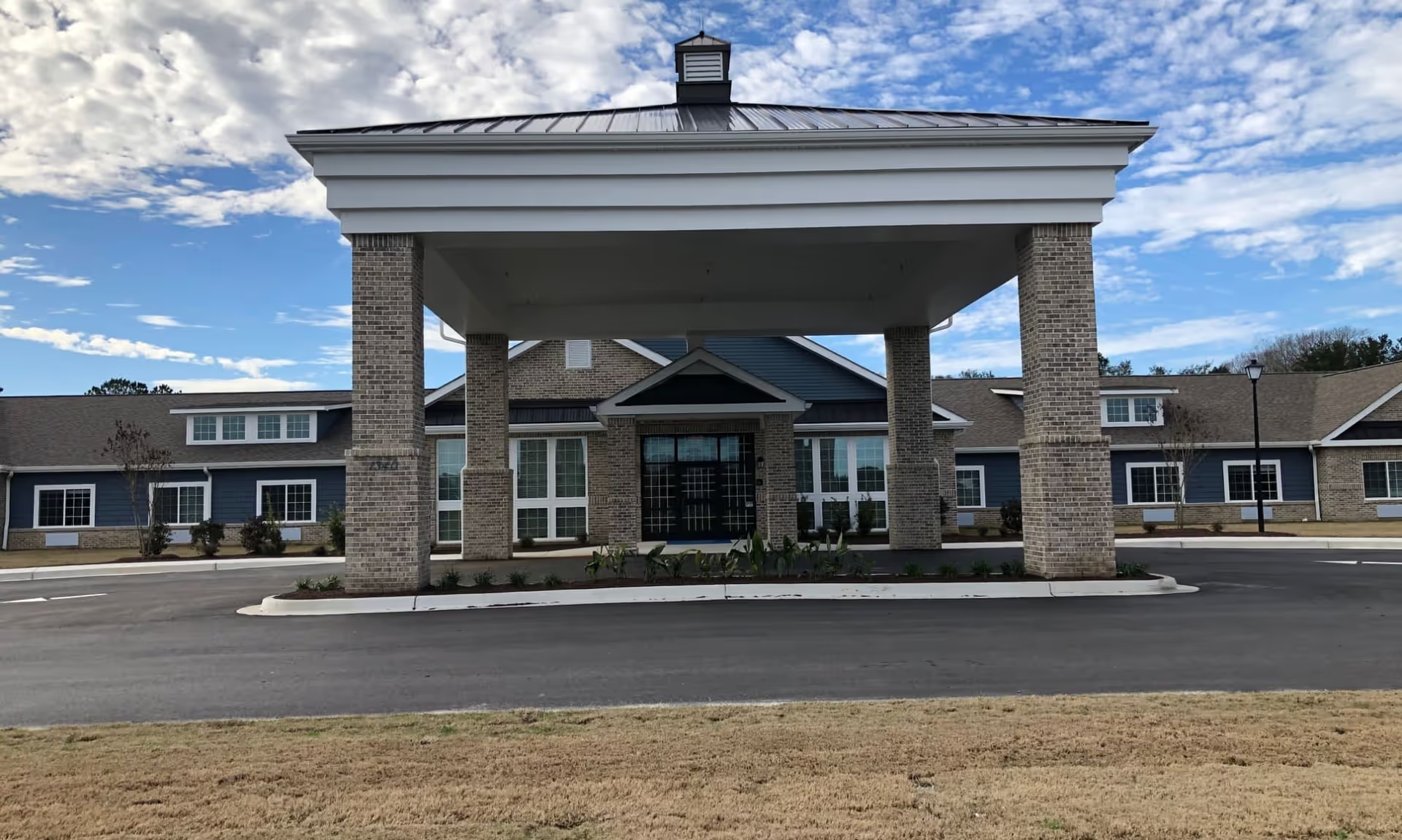
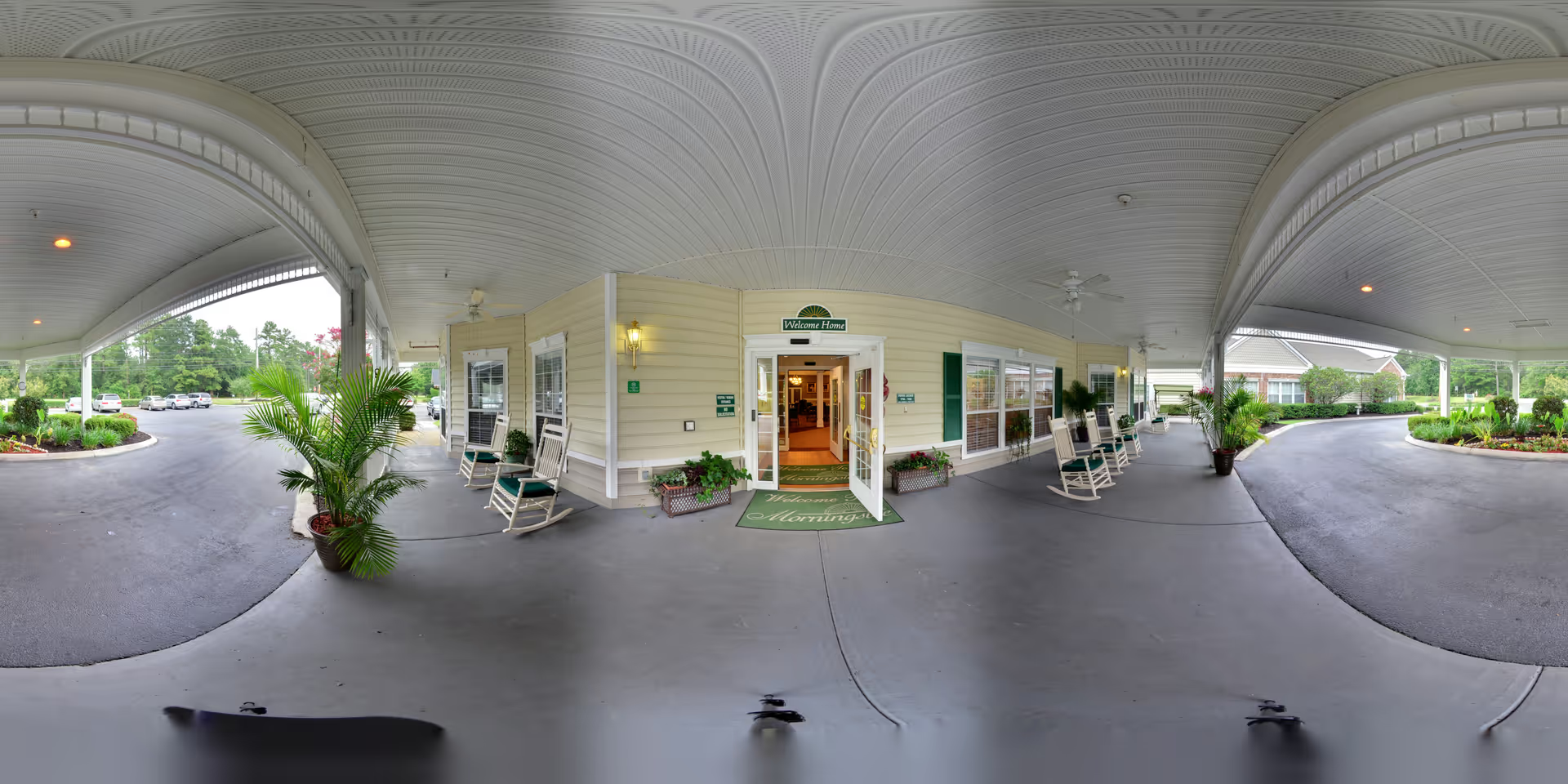
The reviews present a mixed but instructive picture of Nhc Healthcare - Sumter. Many families praise the facility’s physical environment and rehabilitation resources: rooms are described as comfortable and well decorated with natural light, grounds are well kept, and communal spaces (sunrooms, courtyards, activity rooms) support resident engagement. In-house therapy services (physical, occupational, speech) receive consistent positive mention, including documented gains in mobility and eating, and therapy staff are singled out for effectiveness. Direct-care staff and CNAs are frequently characterized as friendly, caring, and visible, and reviewers note favorable staffing ratios, regular assessments, individualized care-planning sessions, and a range of activities including religious services.
At the same time, there are substantive operational concerns that emerge across multiple accounts. Clinical-safety issues are a recurring theme: reviewers describe medication-management problems and dosing errors, gaps in fall-prevention and transfer safety, and limited staff training for certain conditions such as Parkinson’s disease. Incontinence-care concerns and wound-care vigilance are specifically noted as areas requiring attention, even though other reviewers praise wound prevention measures and bed-alarm use. These clinical shortcomings contribute to uneven overall care quality between nursing/therapy teams and broader clinical oversight.
Communication and management practices are another notable area of divergence. Several families report difficulties obtaining timely, clear updates from physicians and administrators, and describe care-planning or patient meetings that felt unprofessional or adversarial. There are also concerns about discharge/placement decision practices and about billing transparency; reviewers mention unexpected or excessive charges that complicated families’ experiences. Taken together, these items suggest inconsistent administrative responsiveness and gaps in care coordination that can undermine otherwise effective frontline caregiving.
For prospective residents and families, the pattern to note is a clear split: the facility offers a strong rehabilitative environment, active programming, and many compassionate direct-care staff, but it also appears to have recurring system-level weaknesses in medication safety, specialized-condition training, fall prevention, and management communication. Families who prioritize therapy and a homelike setting may find the facility’s strengths align well with their goals, but those who require tight clinical oversight, specialized neurologic expertise, or proactive administrative communication should assess those areas closely and consider implementing regular oversight steps (clear written care plans, medication reconciliation, and defined family contact protocols) when possible.