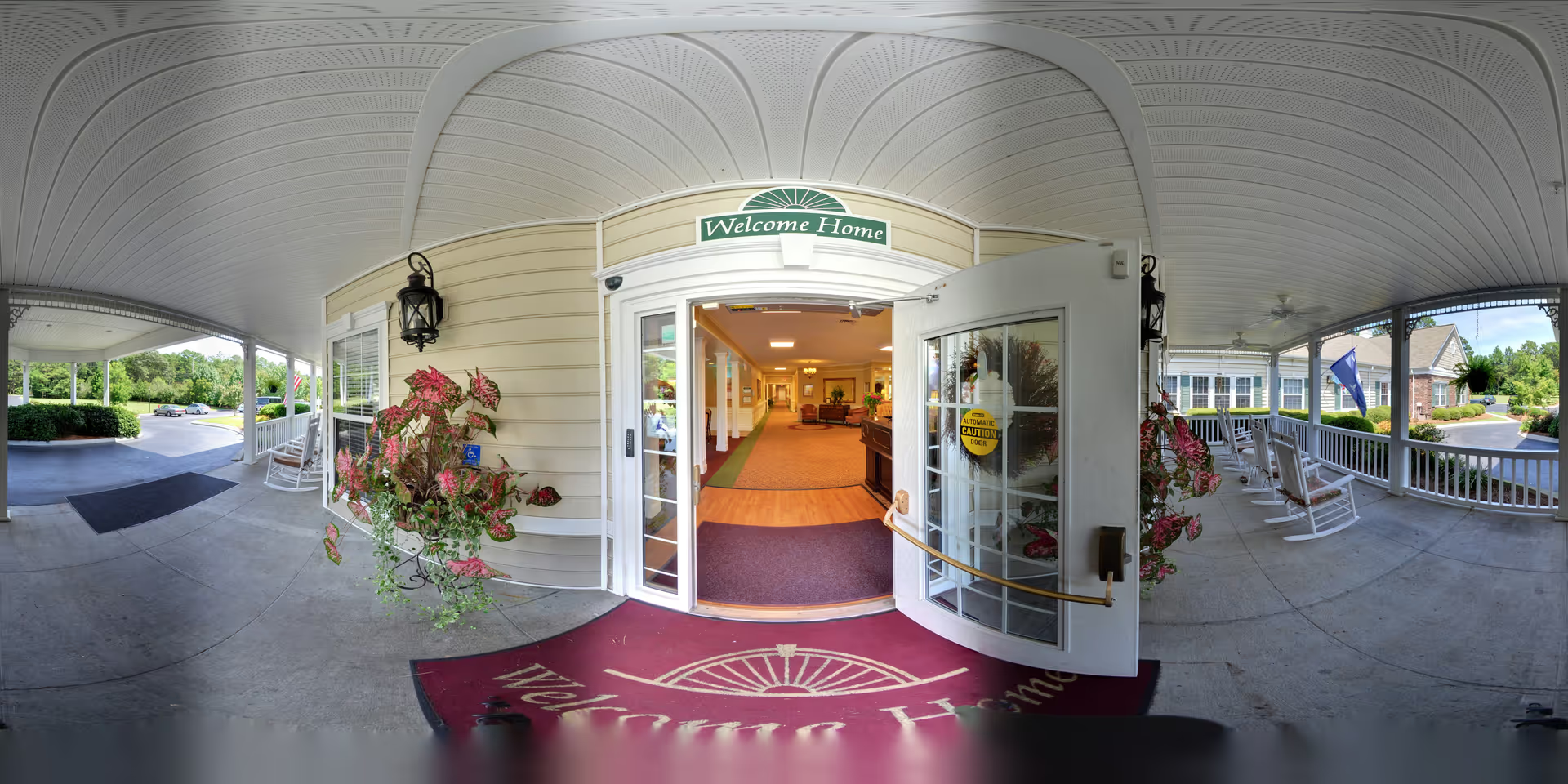
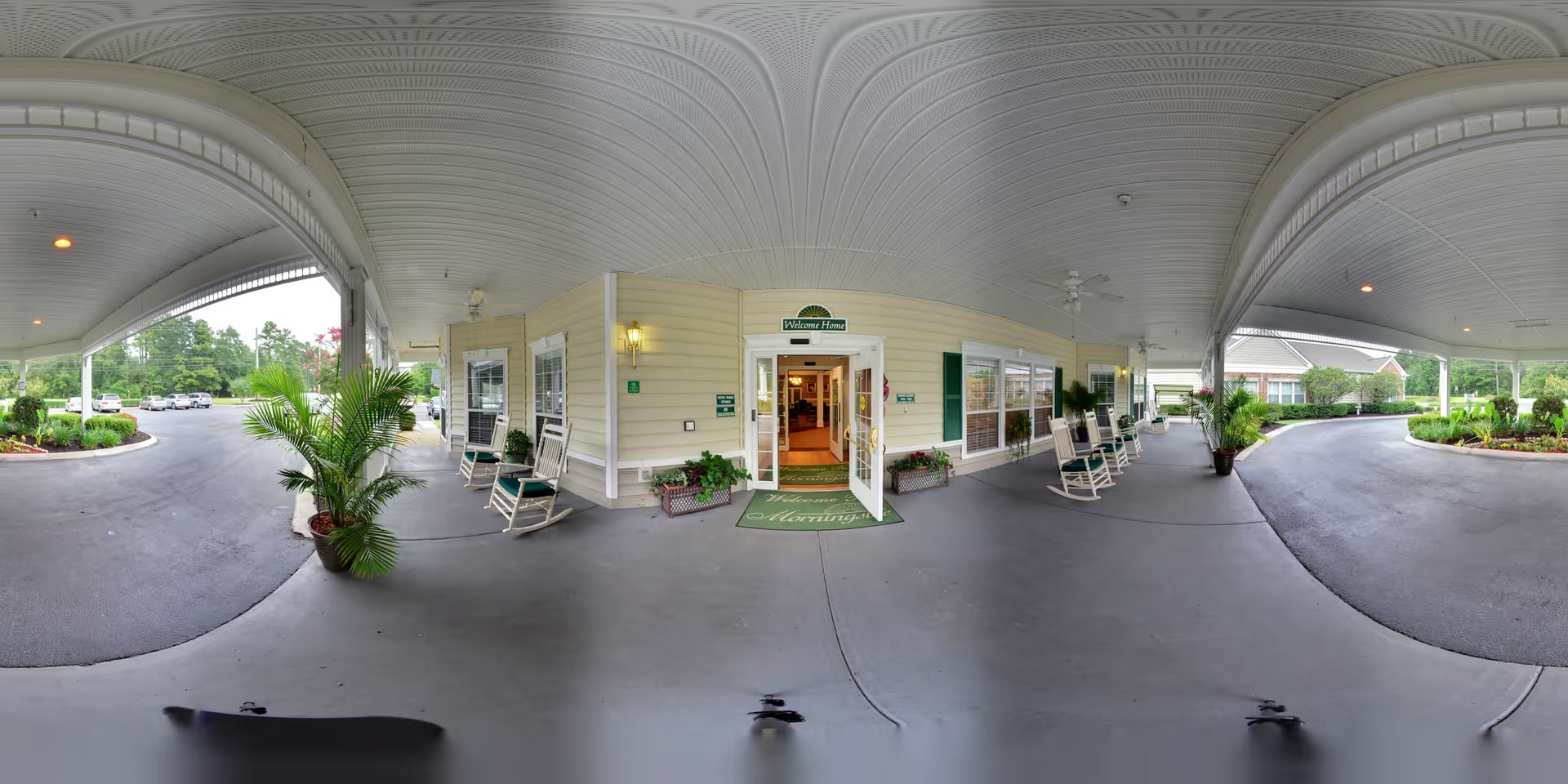
The reviews for Sumter East Health and Rehabilitation Center describe a facility with clear operational strengths alongside recurring and significant concerns. Many families and residents praised individual caregivers, therapy staff, and the activities and dining teams; these positives include effective short-term rehabilitation, an active and appreciated activities program, a welcoming admissions and social-work presence, and several named staff who drew strong commendations. The facility is also described at times as having a home-like environment, useful in-room amenities, and a therapy gym that supports measurable rehab progress.
Clinical care quality appears mixed. Positive accounts describe attentive, compassionate CNAs, nurses, and therapists producing successful rehab outcomes. Conversely, other accounts identify inconsistent medication administration and allergy documentation, missed or delayed medication doses, and perceptions of weak clinical oversight. Several reviews cite delayed clinician or therapy follow-up and specific incidents that prompted family concern; taken together, these indicate gaps in standardized medication and incident-response processes that would merit administrative review and process strengthening.
Staffing and staff conduct emerge as a central pattern. Reviewers frequently contrast exceptional individual staff members with broader staffing continuity problems: high turnover, perceived understaffing (especially on night shift), and variability in responsiveness to resident needs. Those issues are linked to delays in bedside assistance and incontinence-care management, inconsistent bathing or personal-care routines, and inconsistent housekeeping performance. At the same time, many reviewers identified specific staff roles—admissions, social work, activity leadership, dietary, and several frontline caregivers—as supportive and communicative.
Dining and activities receive generally favorable comments but with variability. The activities program is a consistent strength, with multiple accounts of engaging, resident-focused programming and a well-regarded activity director. The dietary department is frequently praised for meals and service; however, there are also reports of cold meals, missed meals on arrival, and meal-ordering or meal-slip misalignment that point to operational inconsistencies in kitchen-to-resident delivery.
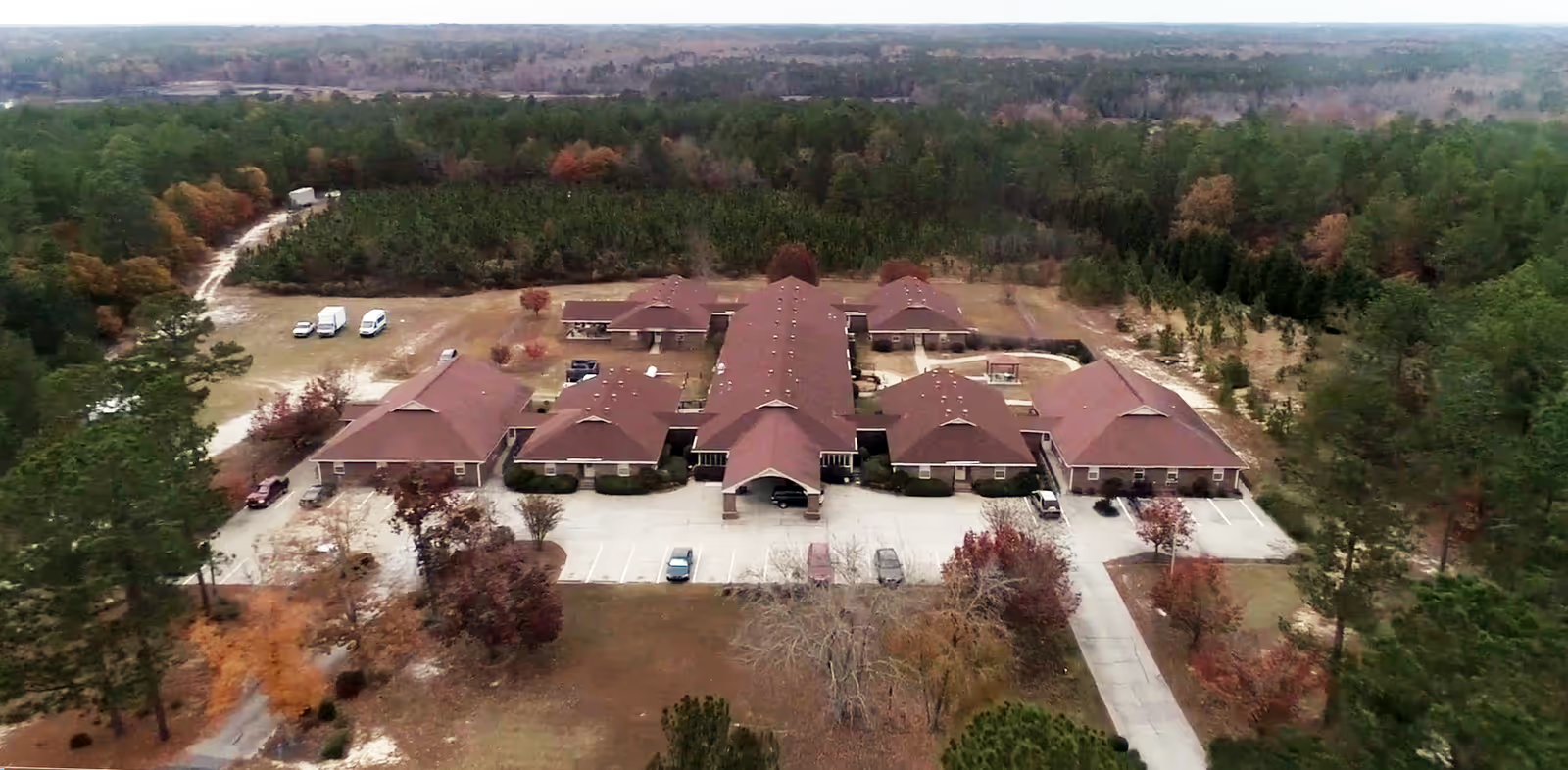
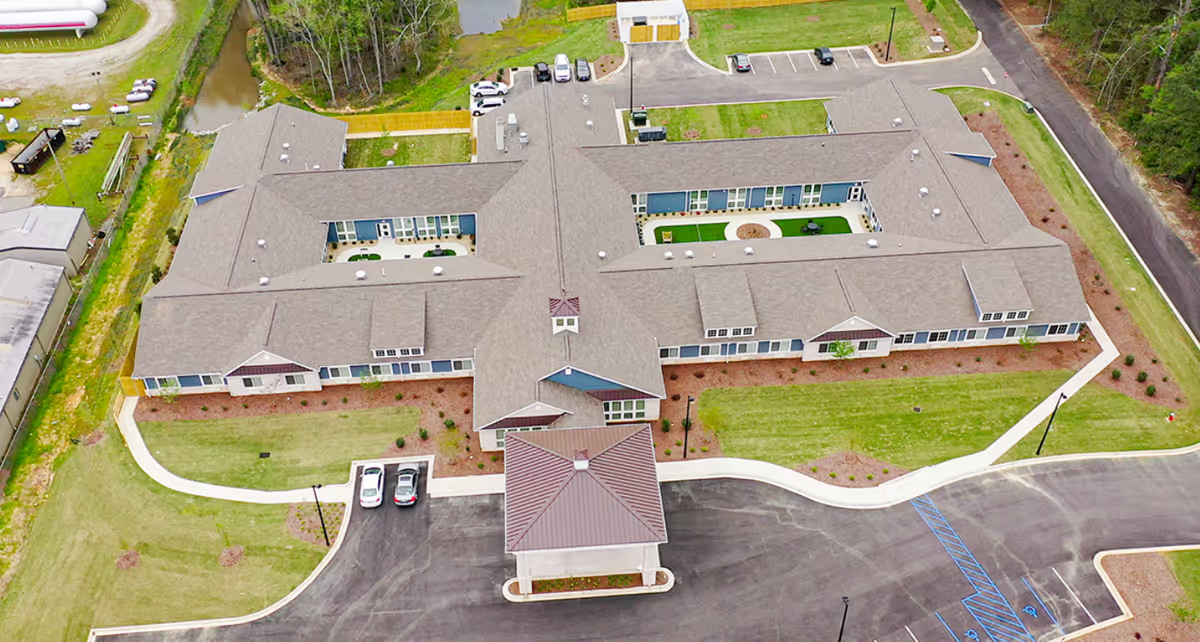
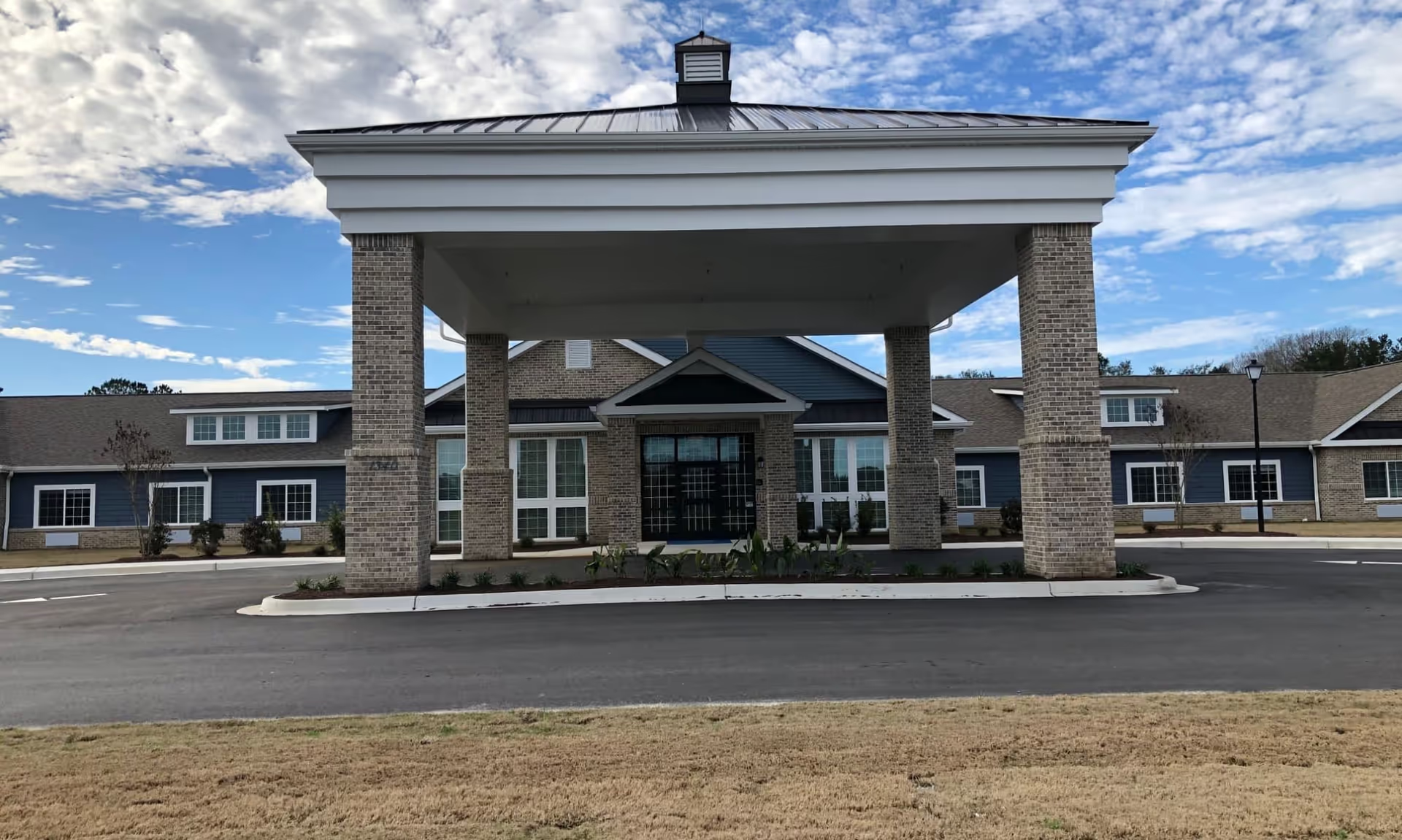
Facility condition and maintenance are described unevenly. Several reviewers praised cleanliness and a pleasant atmosphere, while others noted aging infrastructure and maintenance deficits—torn window shades, dated furnishings, and sanitation inconsistencies in some resident rooms and common areas. There are also mentions of pest-control concerns that should be addressed as part of routine environmental services and infection-prevention protocols.
Management, communication, and administrative practices are areas of recurrent concern. Multiple accounts cite unresponsive phone lines, difficulty obtaining timely information about residents, and perceived customer-service shortcomings from administrative staff. Complaints related to billing focus, payment handling, and at least one mention of alleged financial misconduct underscore the need for transparent billing practices and clearer family communication pathways. Positive management notes exist as well, including praise for staff who supported family communication during pandemic restrictions and administrators who facilitated admissions smoothly.
In summary, Sumter East demonstrates meaningful strengths in rehabilitation, activities, and numerous committed staff members who provide compassionate care. However, persistent operational weaknesses—most notably inconsistent medication management, variable staffing and night coverage, sanitation and maintenance inconsistencies, communication breakdowns, and coordination-of-care gaps—create uneven resident experiences. Prospective residents and families should weigh reported rehabilitation and activity strengths against these operational patterns, and when considering placement they should ask facility leadership for current staffing ratios, medication-safety protocols, environmental services schedules, pest-control status, and examples of recent process improvements or corrective actions addressing the issues outlined above.