The reviews present a mixed picture. On one hand, several family members describe warm, personalized relationships and attentive caregiving—comments emphasize respect, affection, and a family-like atmosphere for some residents. On the other hand, a number of reviews raise operational and safety-related concerns that prospective families should evaluate carefully.
Care quality: Multiple reviewers raised concerns about basic care continuity, most notably instances where expected meals were not provided or were interrupted. There are also comments indicating problems coordinating hospice and end-of-life services; these accounts suggest gaps in clinical coordination and continuity during sensitive phases of care. Taken together, the pattern implies inconsistent execution of routine care processes and care-plan handoffs.
Staff: Feedback about staff is polarized. Some families praised respectful and caring interactions, while others described unhelpful or discourteous communication and an unappreciative tone from certain employees. These contrasting impressions point to inconsistency in staff conduct and to potential needs for improved training, supervision, or staffing stability to ensure consistent resident experience.
Dining and activities: Dining-related concerns focus on meal-service reliability rather than food quality per se; prospective families should verify meal policies, schedules, and contingency plans. Reviews contain little specific information about organized activities or engagement programming, so activity offerings and their regularity are areas to confirm in a visit or interview with management.
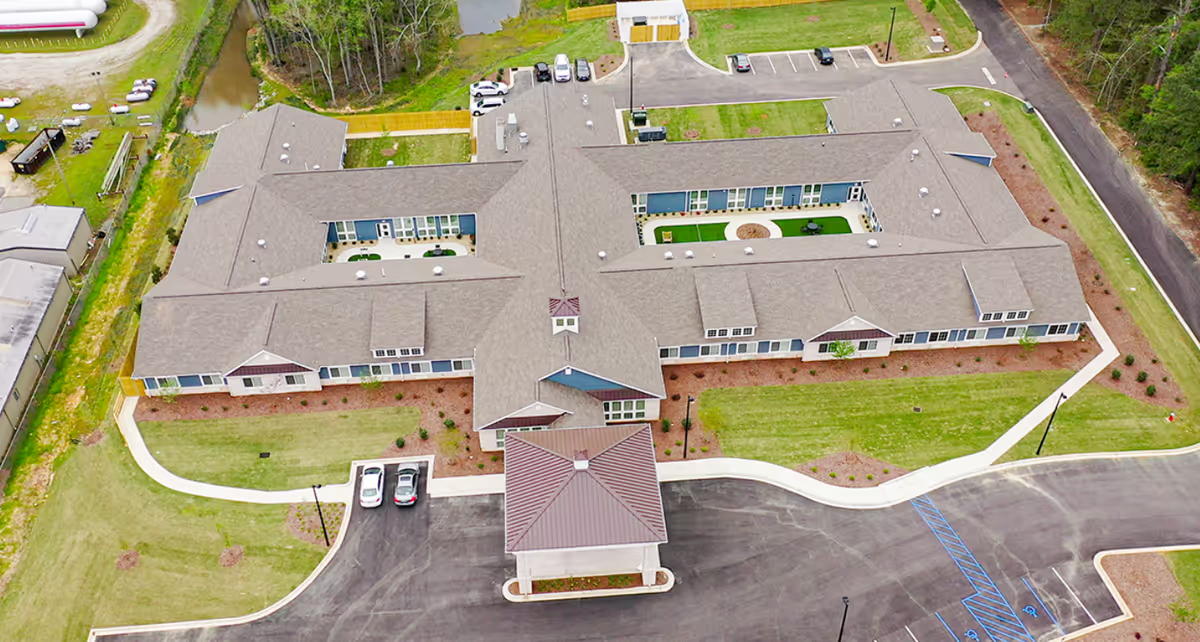
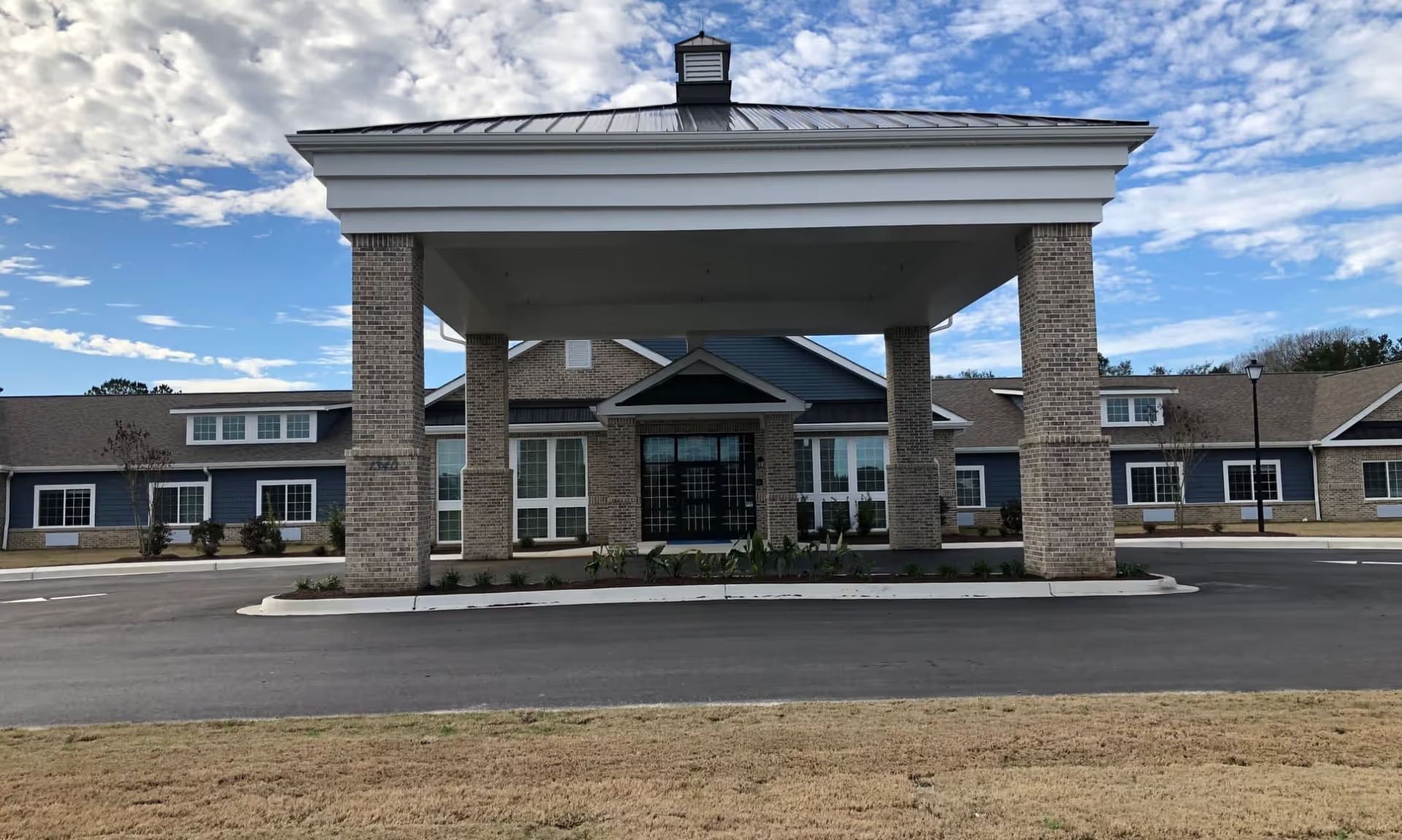
Facilities and safety: Several accounts reference safety-related incidents and interactions that involved outside authorities, which raises questions about on-site safety protocols, incident response, and communication with families. There is limited commentary on physical plant or cleanliness in the available summaries, so direct observation is recommended to assess the environment and sanitation practices.
Management and governance: Reviews include serious administrative concerns, including allegations that prompted police involvement and legal actions in some accounts. There are also comments suggesting management and ownership oversight were inadequate in addressing family concerns. These items point to possible governance and transparency issues; checking regulatory history, inspection records, and how the facility documents and responds to incidents would be prudent.
Notable patterns and recommendations: The overall pattern is one of polarized experiences—some families describe compassionate, personalized care, while others report operational failures around meals, visitation, hospice coordination, staff conduct, and safety incident handling. Prospective residents and their families should ask for written policies on visitation, meal provision, hospice coordination, staffing levels and turnover, incident logs and follow-up procedures, and recent inspection or regulatory history. A scheduled visit during active care hours to observe staff–resident interactions, meal service, and the facility’s responsiveness to family questions will help clarify whether the facility’s strengths align with a prospective resident’s needs.