Review feedback for Ellen Sagar Nursing Center is mixed, with a clear pattern of contrasts between its clinical/rehabilitation strengths and multiple operational weaknesses. Several families and former residents praised the facility's skilled nursing and sub-acute rehabilitation services, noting effective therapy programs and positive outcomes for some patients. Individual caregivers and clinicians received appreciation for compassionate bedside care and for facilitating measurable rehab progress.
At the same time, a substantial portion of commentary raises facility-level operational concerns. Staffing levels and consistency are a recurrent issue: reviewers describe times when CNA coverage appears insufficient for resident needs, contributing to delays in personal care, bathing, and responsiveness. Related to staffing are observations about gaps in clinical oversight and medication administration processes; instances of incorrect medication handling and delayed clinical responses are reflected in the narrative and suggest a need to strengthen training and supervision.
Sanitation and environmental concerns are another recurrent theme. Reviewers describe odor concerns, sanitary maintenance problems, and pest-control issues in some areas of the facility. These reports, combined with mentions of infection-related problems, indicate potential shortfalls in environmental services and infection-prevention practices that warrant attention from management and clinical leadership.
Communication and accountability also emerge as notable patterns. Families cited weak communication about incidents and clinical reports, limited documentation of advance-care arrangements, and frustration with how concerns are escalated. Several comments called for clearer disciplinary and human-resources processes, suggesting perceived inconsistencies in staff performance management. There are also statements expressing workplace-equity concerns regarding differential treatment of staff members, which point to broader culture and inclusion issues that could affect morale and retention.
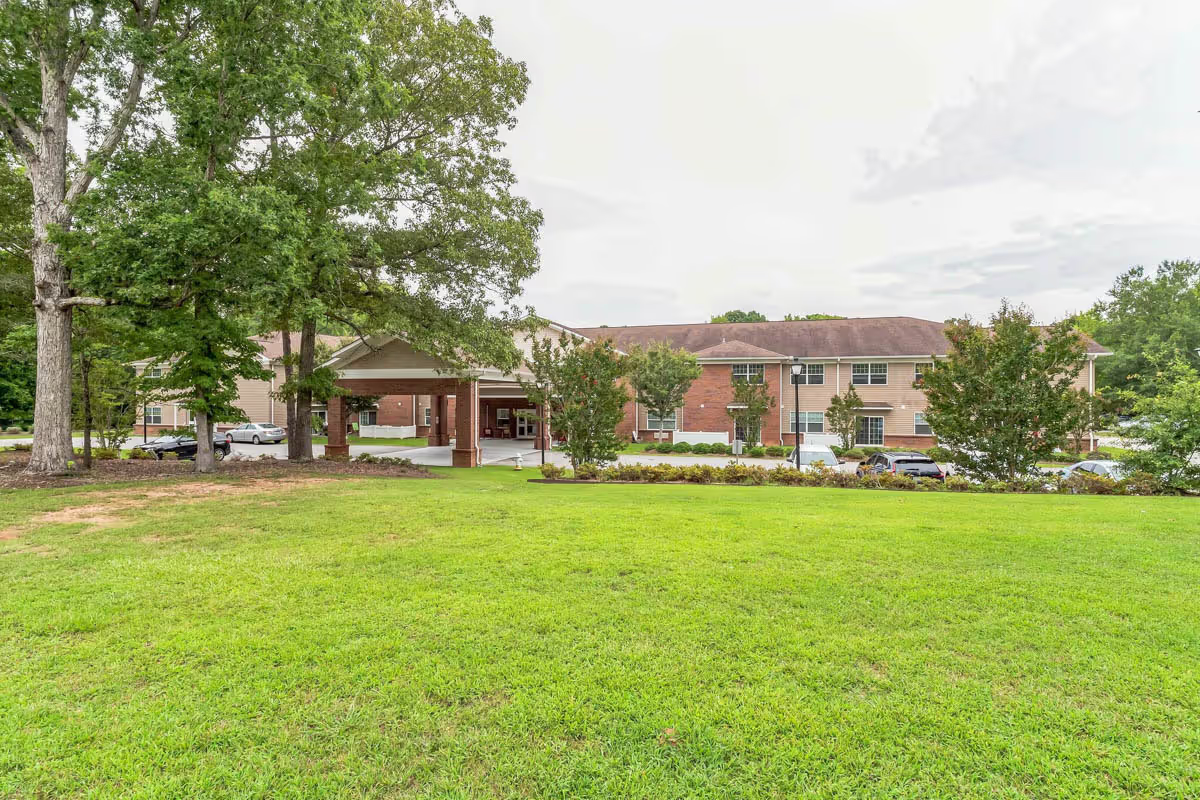
Facility condition and management priorities are frequently criticized. Multiple reviewers describe an aging physical plant and express concern about underinvestment and ownership-level funding decisions. These perceptions are linked to calls for upgrades to infrastructure and to questions about whether resources are being allocated to frontline care. Affordability is another practical constraint mentioned by some families, who felt funding limits affected care choices.
Information about dining and organized activities is limited in the available comments; the dominant themes relate to clinical care and operational management rather than programming or culinary quality. Overall, the facility presents a mixed profile: demonstrable strengths in clinical rehabilitation and appreciated individual caregivers coexist with persistent operational problems — notably staffing, sanitation, medication and infection-control practices, communication, and capital investment. These are actionable areas for leadership focus: stabilizing staffing, reinforcing medication and infection-prevention protocols, improving environmental services and pest control, strengthening family communication and documentation processes, and addressing workplace inclusion and accountability systems.