Overall impression: Reviewers portray Spring Oak at York as a community with a strong emphasis on person-centered care and a welcoming atmosphere. Positive comments consistently highlight compassionate, familiar staff members who facilitate smooth move-ins, coordinate with outside providers, and provide regular family communication. Many families noted effective rehabilitation (PT/OT), solid medication-administration practices, and supportive transition services that helped residents settle. The community also receives consistent praise for its social engagement opportunities, including group games, exercise classes, arts and crafts, and off-site outings, which many families say contribute to residents’ quality of life.
Care and staff: The dominant theme is staff dedication and attentiveness. Caregivers and nurses are frequently described as compassionate, responsive, and knowledgeable; staff often know residents by name and provide individualized attention. That said, there is a clear pattern of staffing variability: reviewers cited after-hours gaps, reliance on agency or third-party staff, and occasional slow responses to incidents. These operational issues sometimes translated into delayed attention after falls or delayed medication timing. While many families found the clinical coordination and medication practices reassuring, others experienced inconsistency in timeliness and raised concerns about continuity of care during periods of high turnover.
Dining and activities: Dining is generally viewed as a strength. The facility offers multiple dining spaces, varied menus, and options for room-delivered meals; several reviewers described appealing presentation and staff assistance at meal service. A number of families and residents enjoy the food and social dining environment, though some noted variability in food quality and occasions when dining rooms were closed or limited (for example, during infectious‑control periods). Activities programming is broad and often engaging—bingo, cards, exercise, and arts and crafts were commonly mentioned—but availability can fluctuate, and a subset of visitors observed limited group activities during particular visits.
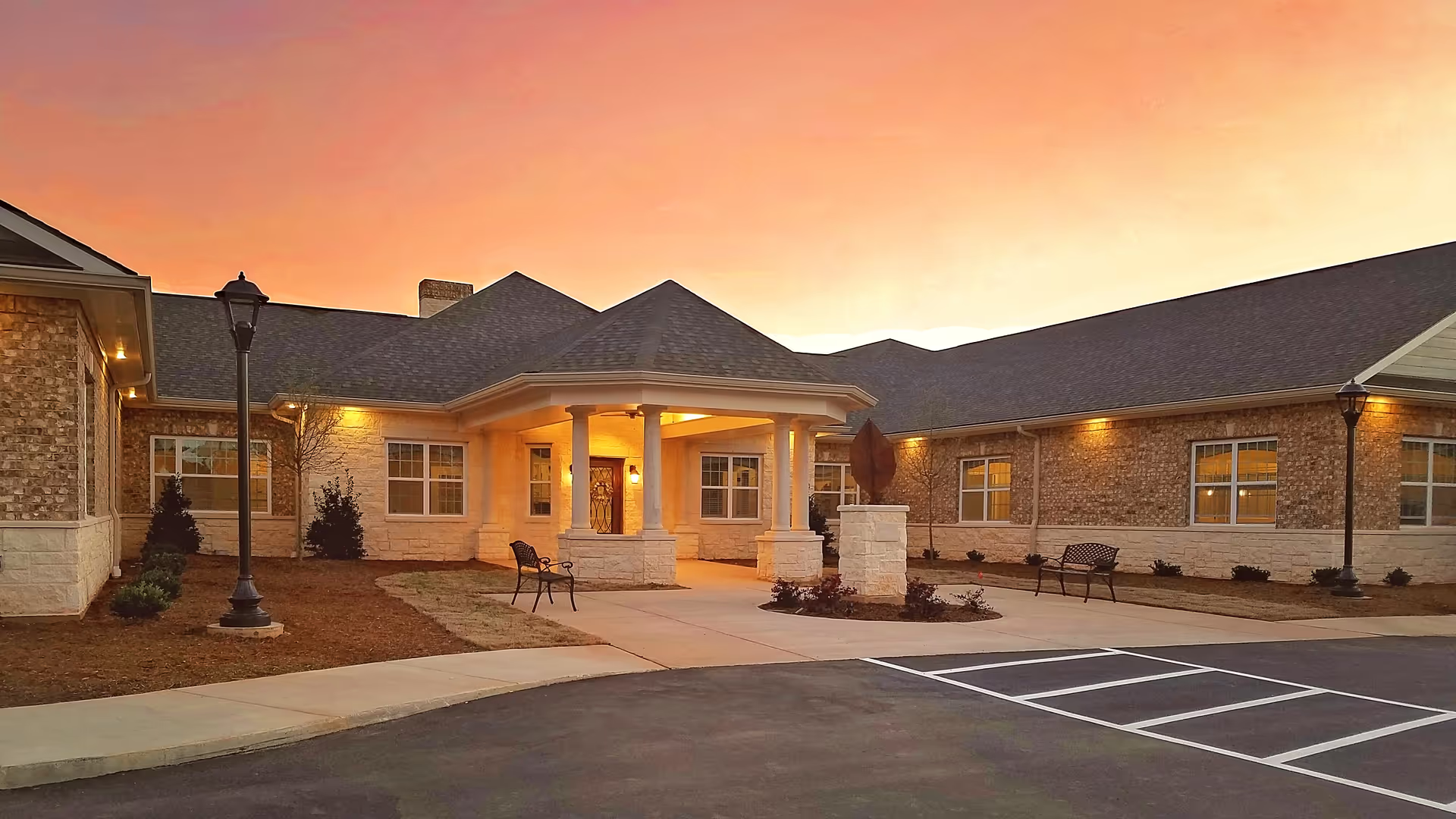
Facilities and amenities: Physical plant features earn mixed but mostly positive remarks. Many reviews praise bright, spacious apartments with full-sized refrigerators, ample counter space, accessible bathrooms with walk-in showers and grab bars, and clean common areas. On-site amenities such as a salon, TV/activity rooms, and transportation services are appreciated. However, reviewers also reported variability between buildings: some units and wings appear newly renovated and well-kept, while others were described as dated and in need of updating. Specific design limitations noted include smaller room footprints in some apartments and memory-care rooms that lack in-room bathrooms.
Management and notable patterns: Management responsiveness is described in both positive and critical terms. Several families commend proactive community relations staff and a cooperative administration that listens and acts; others describe uneven communication or difficult transitions where follow-up and remediation were slower than expected. Cost and third-party relationships surfaced as practical concerns—specifically, higher out-of-pocket costs tied to third-party pharmacy arrangements and operational reliance on outside staffing. Finally, a limited number of reviewers raised serious safety-related concerns in individual cases (including injuries and hygiene or odor concerns in certain areas); these appear to be exceptions rather than the prevailing experience but warrant direct inquiry during a tour or follow-up with administration.
Bottom line: Spring Oak at York presents as a community with many operational strengths—committed staff, active programming, and generally well-kept living spaces—that contribute to resident satisfaction for many families. Prospective residents and families should prioritize an in-person tour focused on current staffing levels (including after-hours coverage), the condition of the specific building/unit under consideration, medication- and incident-response protocols, and any out-of-pocket pharmacy arrangements. Asking management for recent staffing metrics, sample activity calendars, and a walkthrough of the memory-care wing will help clarify whether the facility’s strengths align with an individual resident’s needs and risk profile.