Overall impression: Reviews reflect a facility with clear strengths in hands-on caregiving and a comfortable physical environment, alongside recurring operational challenges. Many families emphasize compassionate, patient staff who provide attentive, personalized care and who make residents feel like family. The facility is widely described as clean and well-maintained, with a single-level layout and comfortable rooms that some families find particularly suitable for residents with cognitive impairment. Several reviewers praised continuity in long-term placement and supportive end-of-life care.
Care and staff: Care quality is described in broadly positive terms by numerous families: staff are characterized as kind, hardworking, and willing to go out of their way for residents. At the same time, reviewers identify staffing stability as an issue. High turnover, frequent reliance on newer staff, staffing shortages, and long shift patterns are cited as contributors to inconsistent service and occasional delays in attention. There are also isolated but serious concerns about staff conduct; one or more accounts allege discriminatory behavior. These allegations merit direct inquiry when evaluating the facility.
Dining: Dining is generally viewed as a strength relative to other operational areas, with restaurant-style service and a varied menu that many residents enjoy. However, several reviewers noted variability in food quality, occasional odd menu combinations, and episodes of slow service; one comment referenced the absence of a chef. Prospective residents and families should consider observing a meal service to assess timing, portioning, and menu appeal.
Activities and social life: The facility offers an active calendar, including on-site daytime activities (games, Bible study), social events (attending ball games and plays), and off-site trips for shopping and outings. Many residents are reported to enjoy these offerings. At the same time, some reviewers felt activities lack variety or are insufficiently tailored to residents with dementia; families seeking robust dementia-specific programming should request details about activity design and staff training.
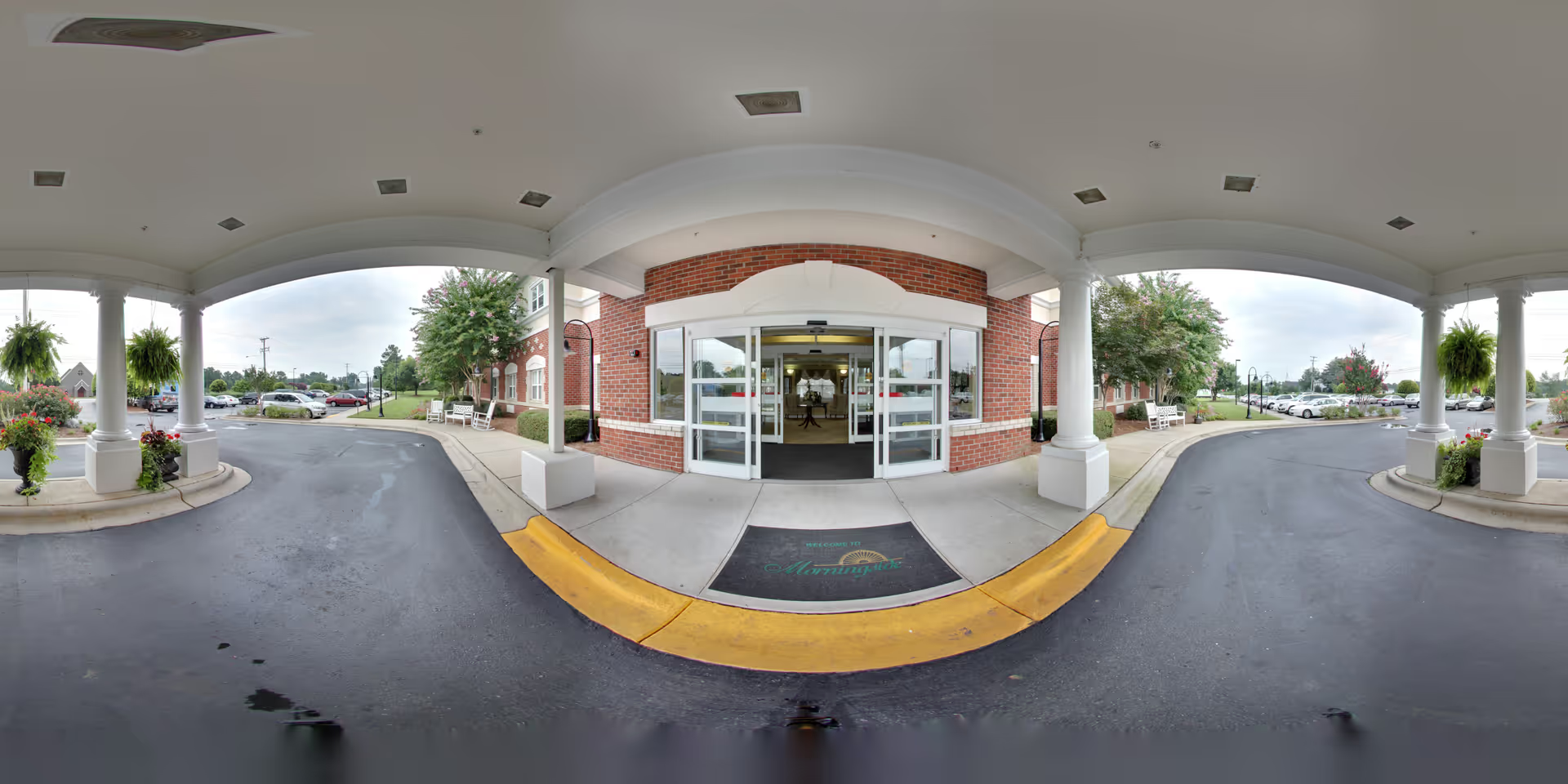
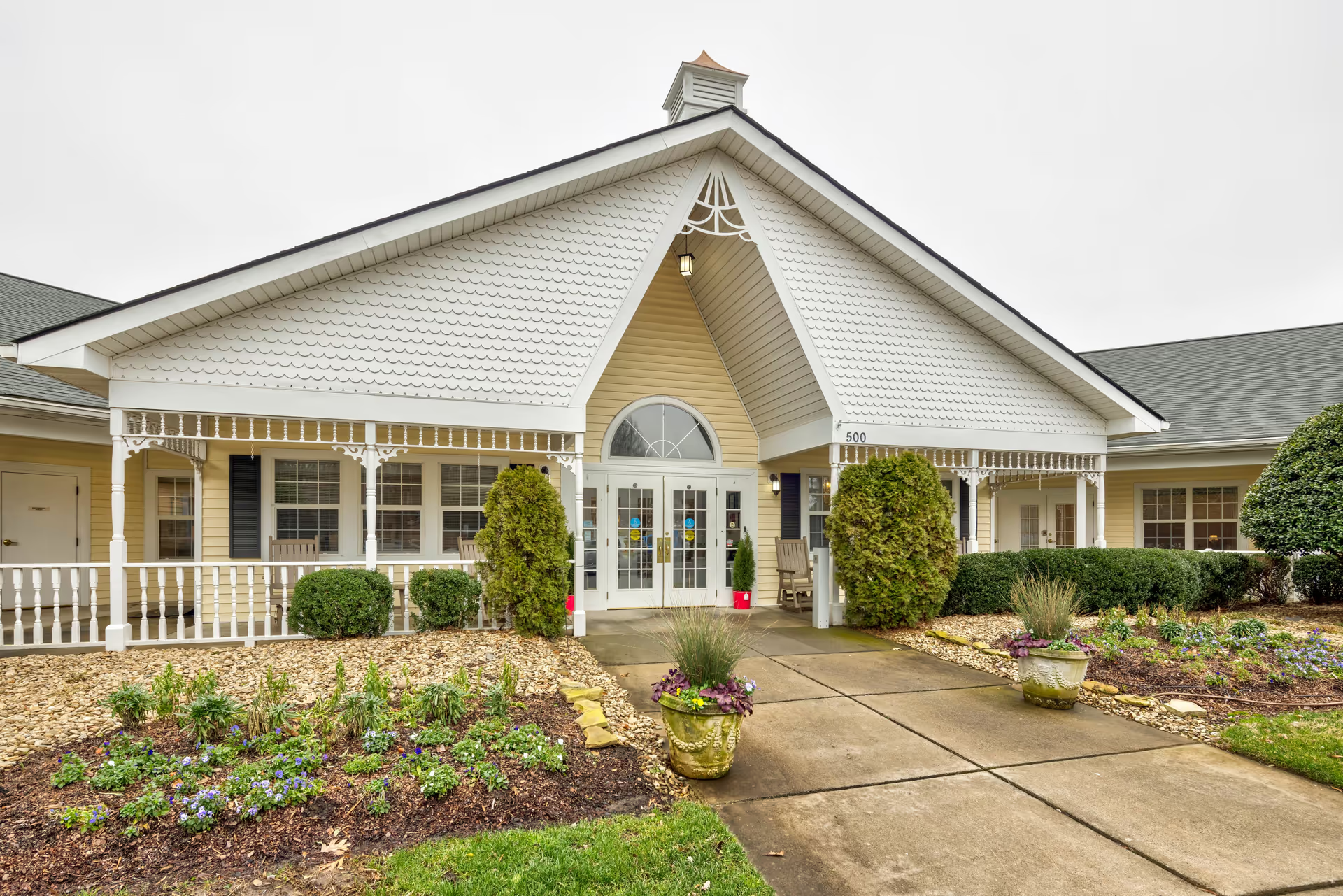
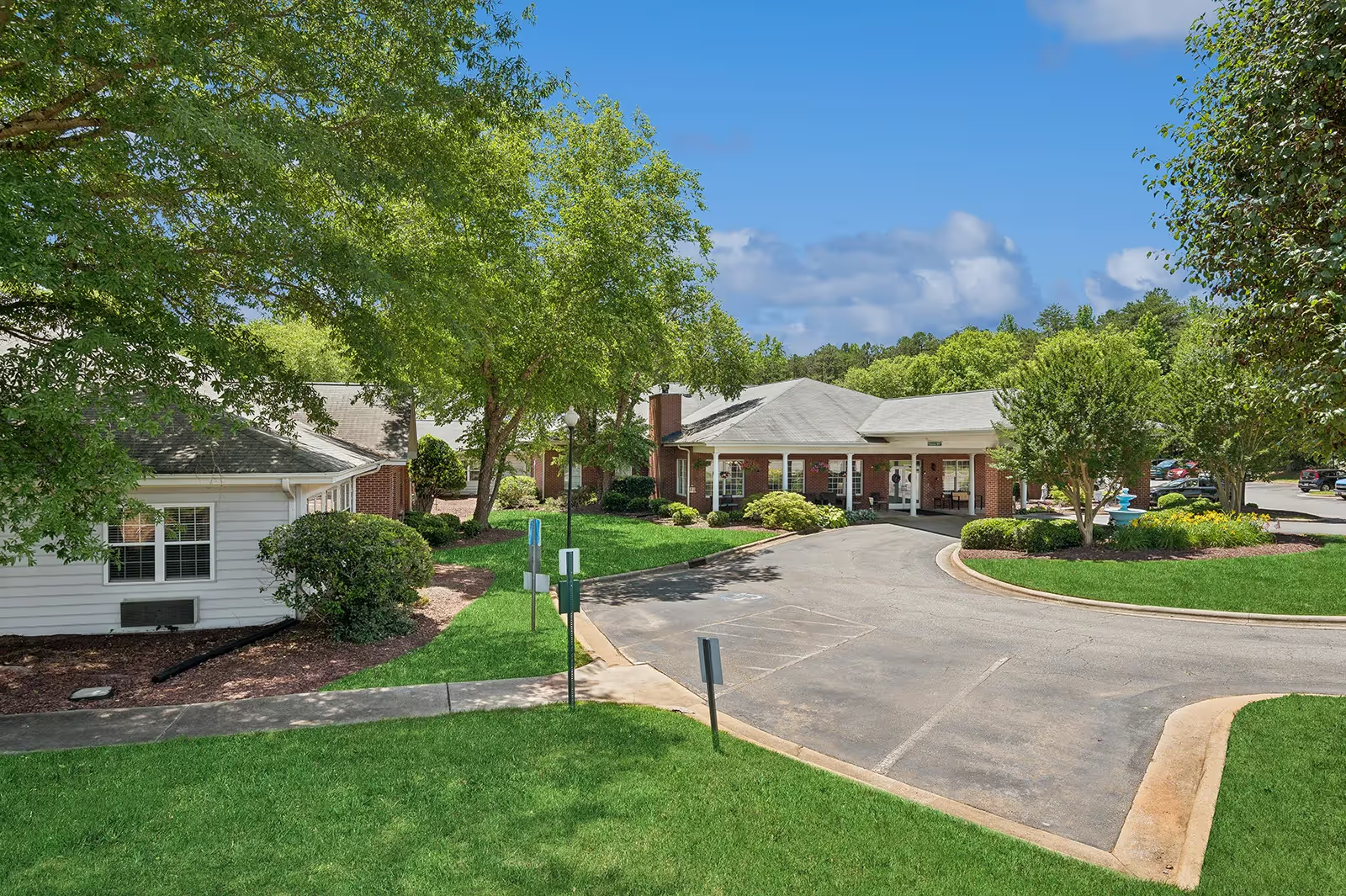
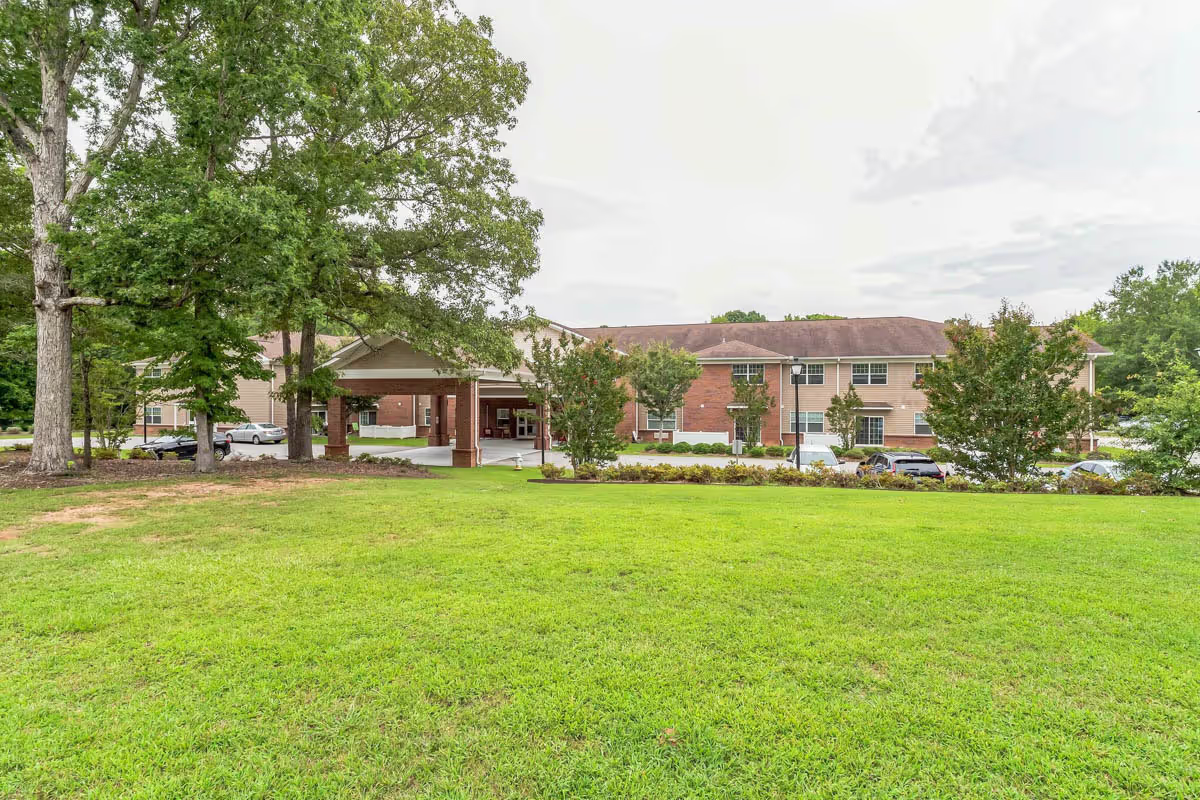
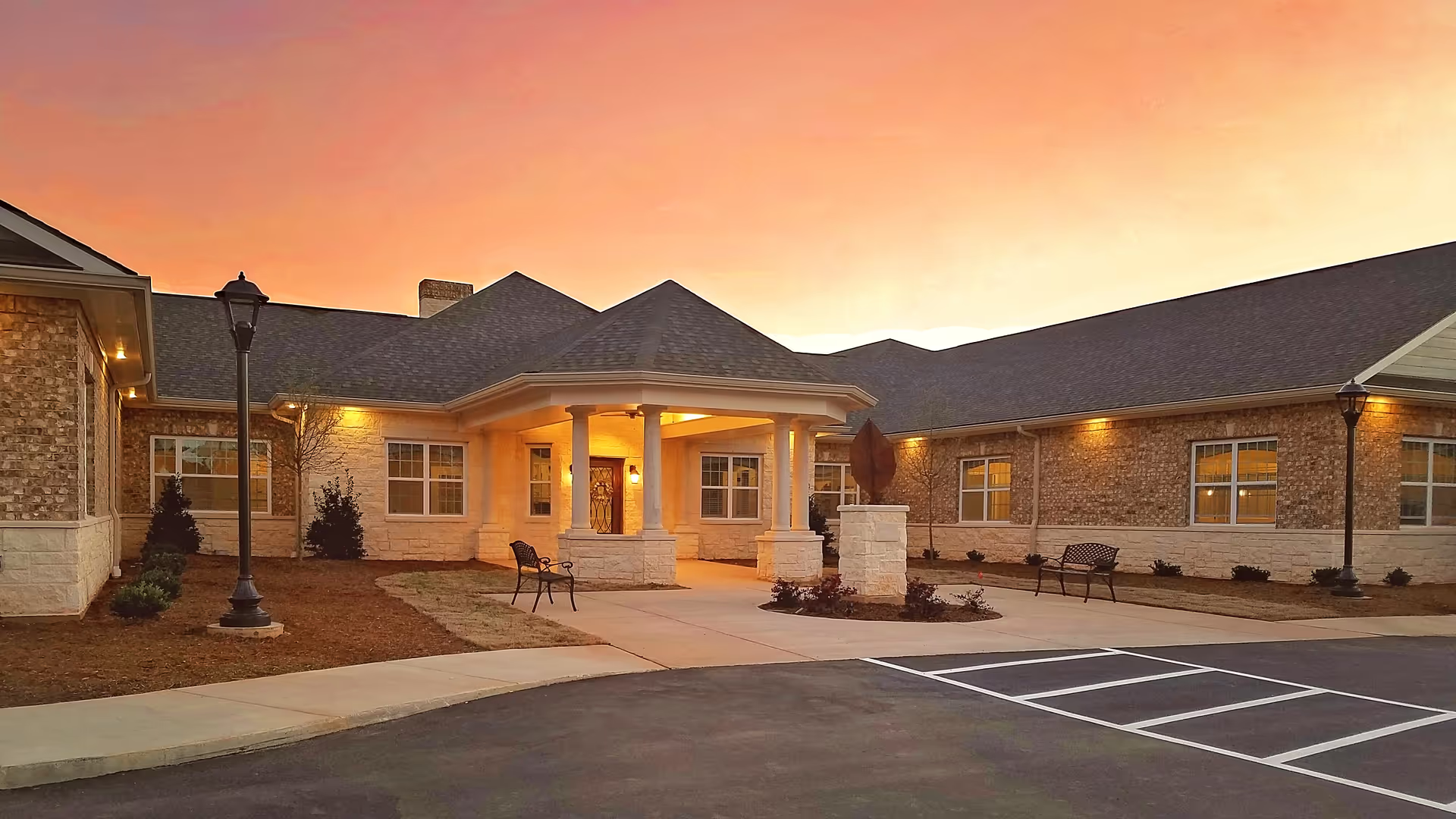
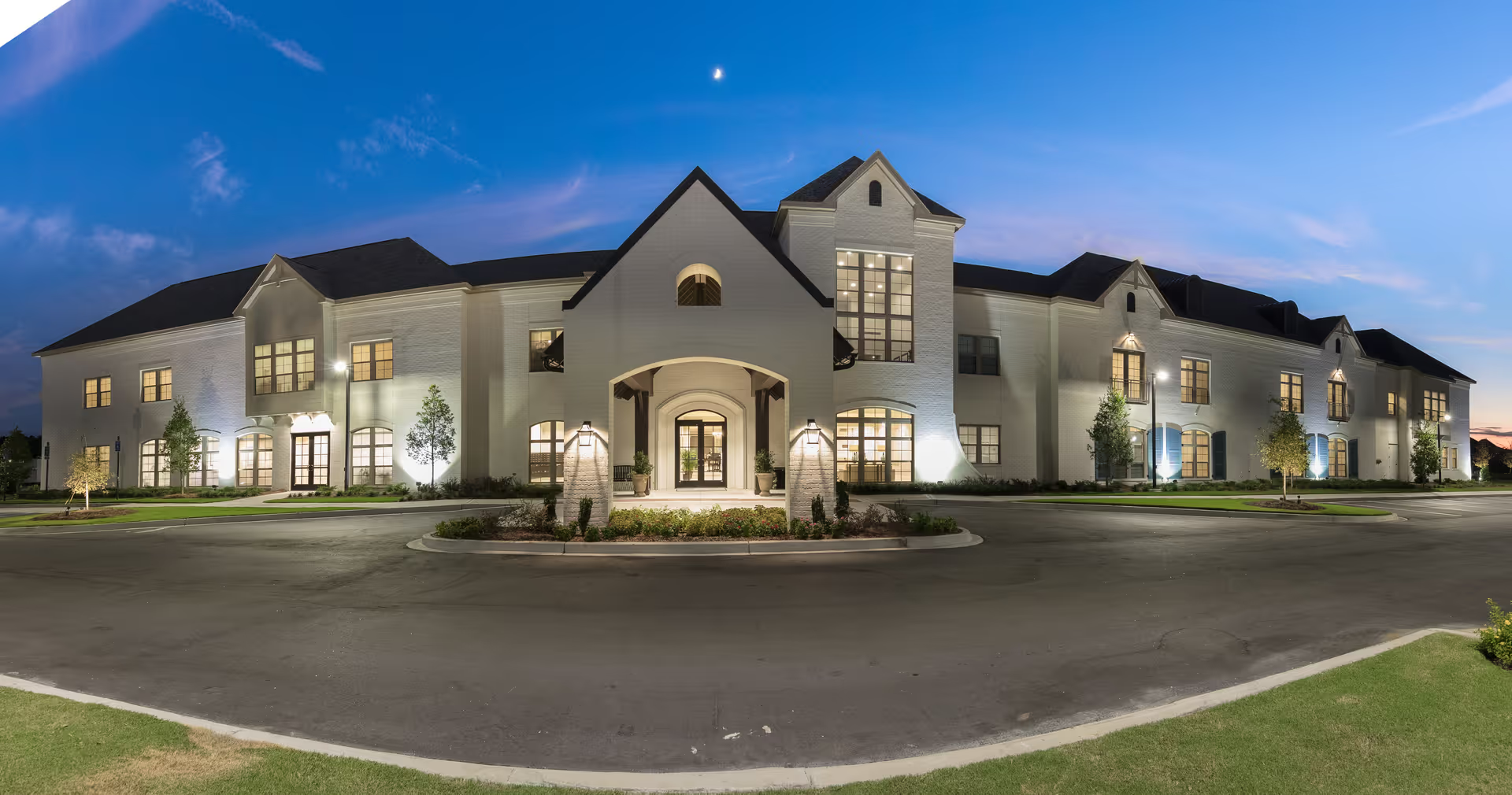
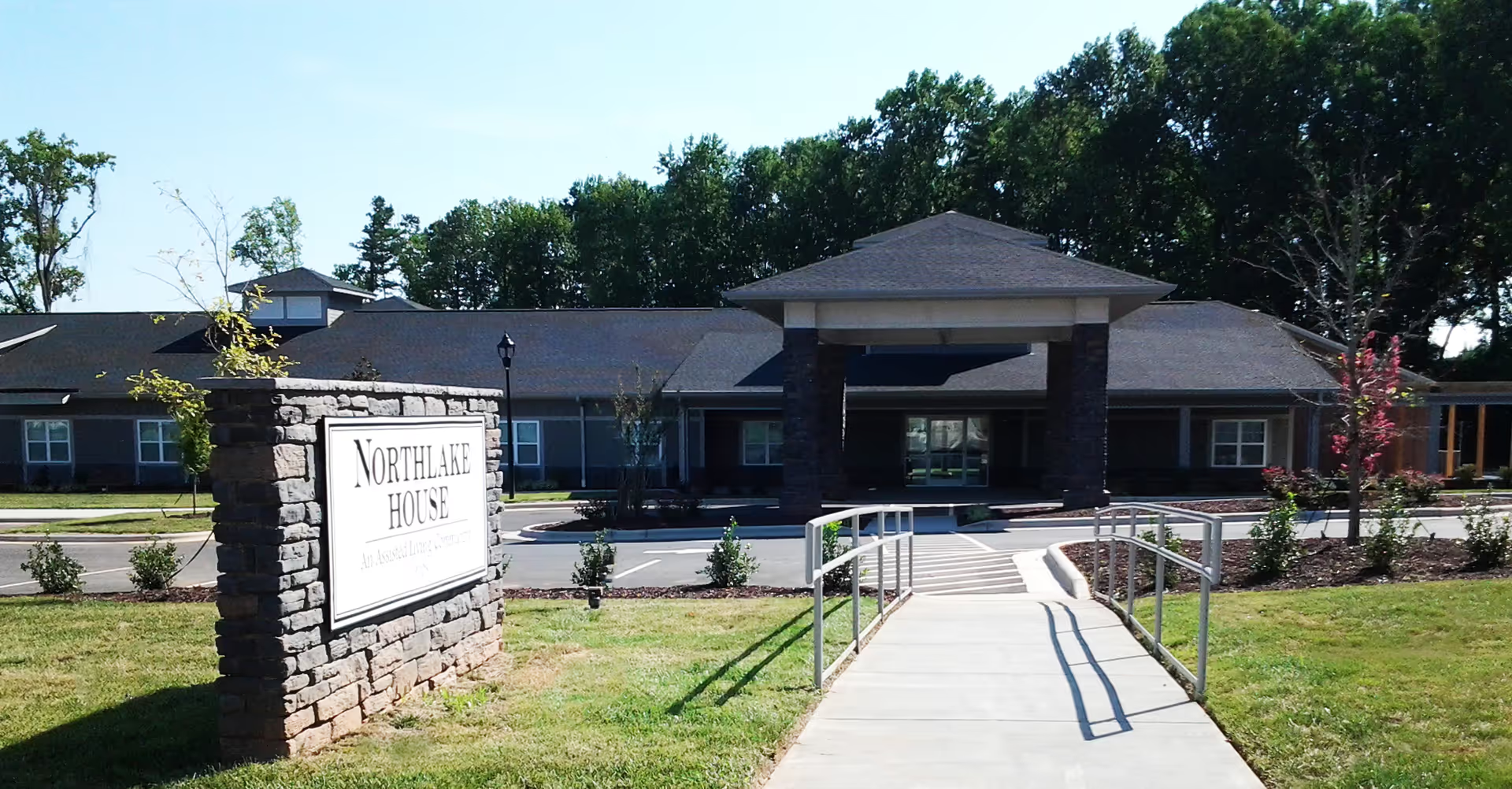
Facilities and environment: The physical plant is consistently described as clean, pleasant, and well-managed. The one-level layout and a smaller footprint are seen as advantages for residents with mobility or cognitive challenges. Rooms and common areas are generally regarded as comfortable, and external trips and community integration are noted positively.
Management, communication, and operations: Management visibility and family communication emerge as mixed. While some families describe informative, accessible staff and a seamless transition into residency, others report gaps: slow or missing callbacks, unreturned inquiries, and missing training or paperwork. These operational inconsistencies — coupled with high turnover and training/documentation gaps — suggest variability in administrative processes. Prospective families should ask specific questions about staff continuity, manager availability, communication protocols, documentation practices, and the facility’s approach to staff conduct and diversity training.
Notable patterns and recommendations: Reviews are somewhat polarized — many strongly recommend the facility based on compassionate care, clean environment, and active programming, while a subset highlights operational weaknesses that affect consistency of service. Key patterns to verify in a visit or during intake: staff continuity and turnover rates, management responsiveness, meal-service timing and menu planning, dementia-specific programming, documentation and training procedures, and policies addressing staff conduct and nondiscrimination. Observing mealtime, attending an activity, and speaking directly with administration about staffing and communication expectations will help families assess whether the facility’s strengths align with their priorities.