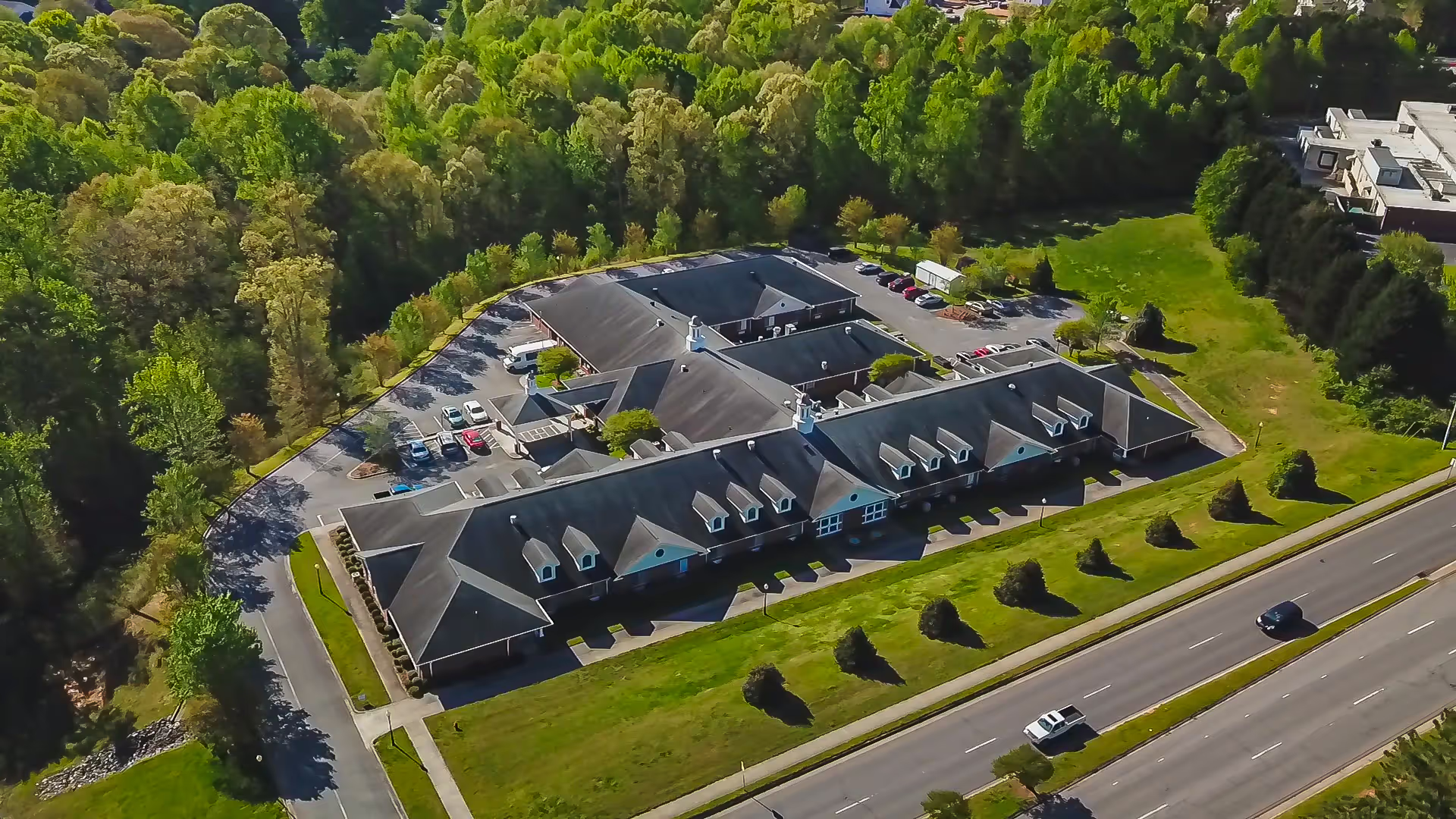
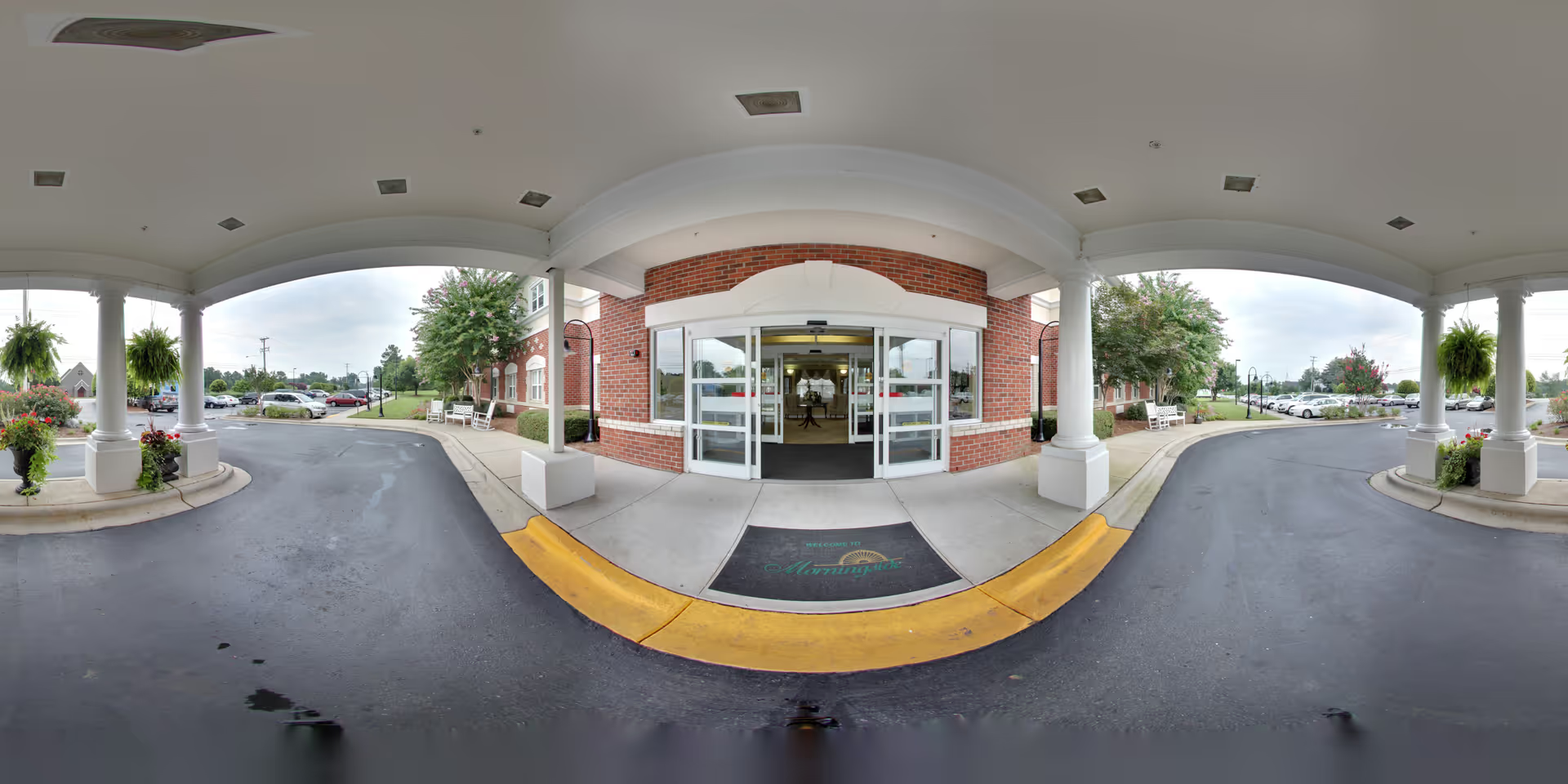
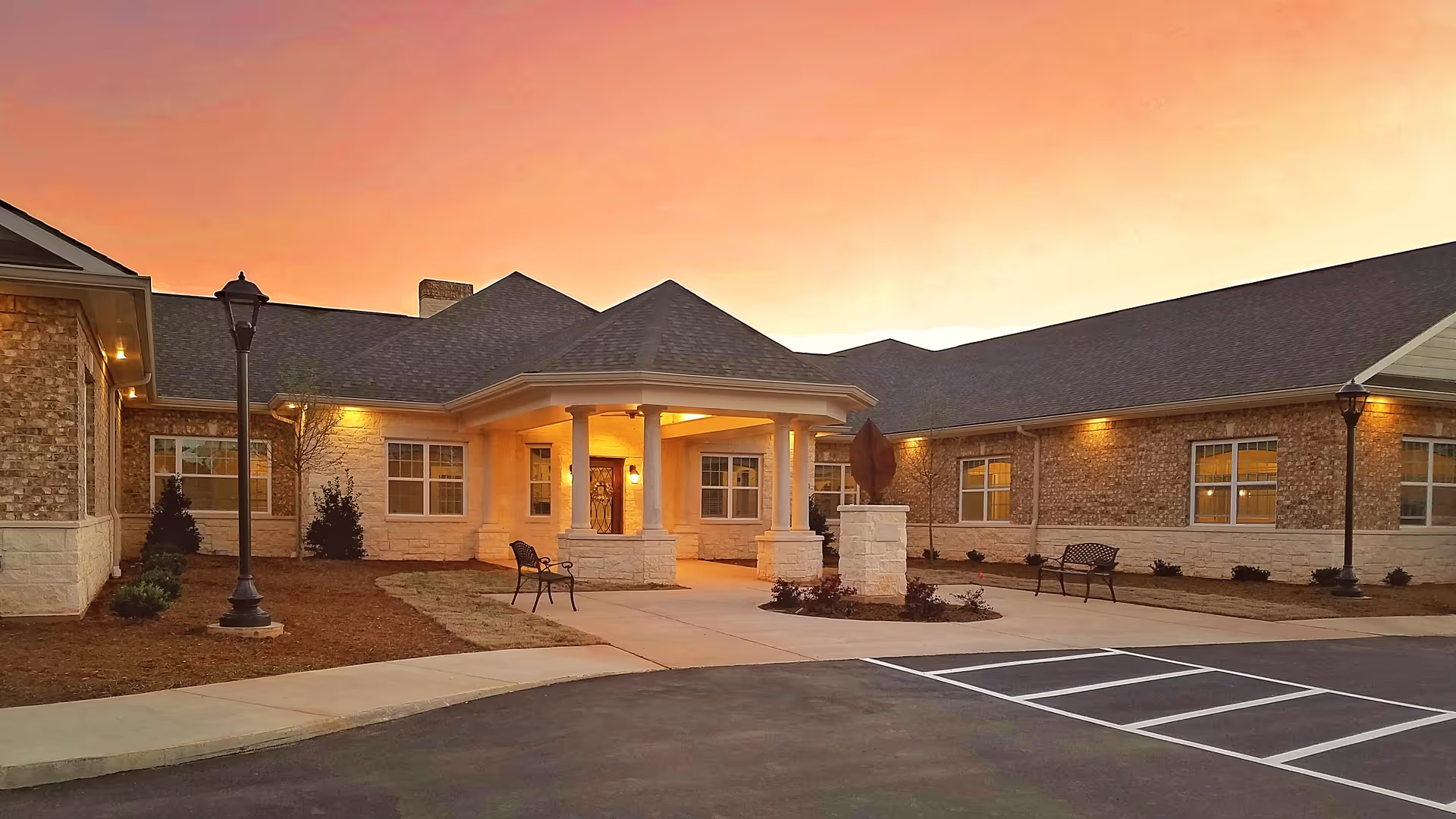
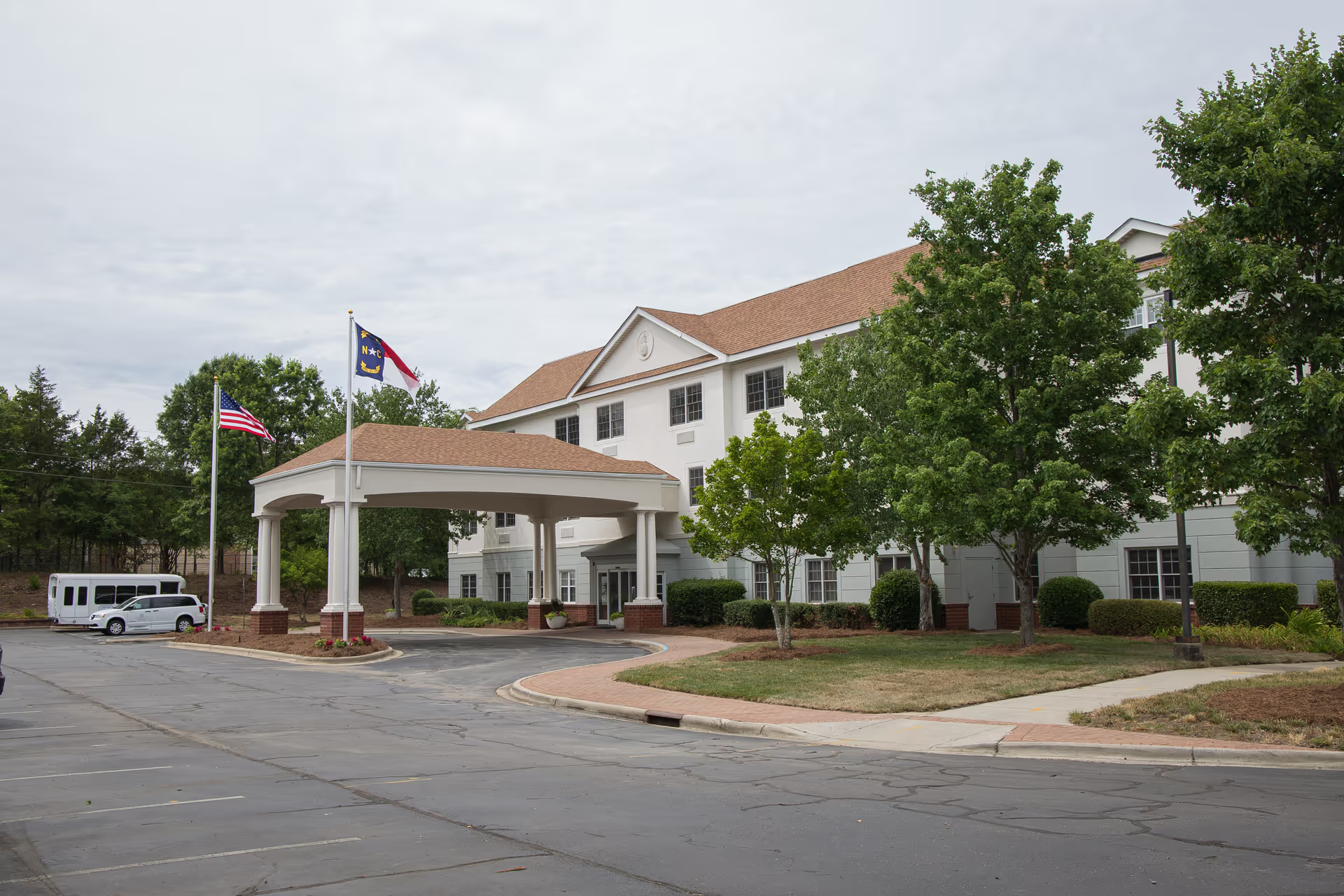
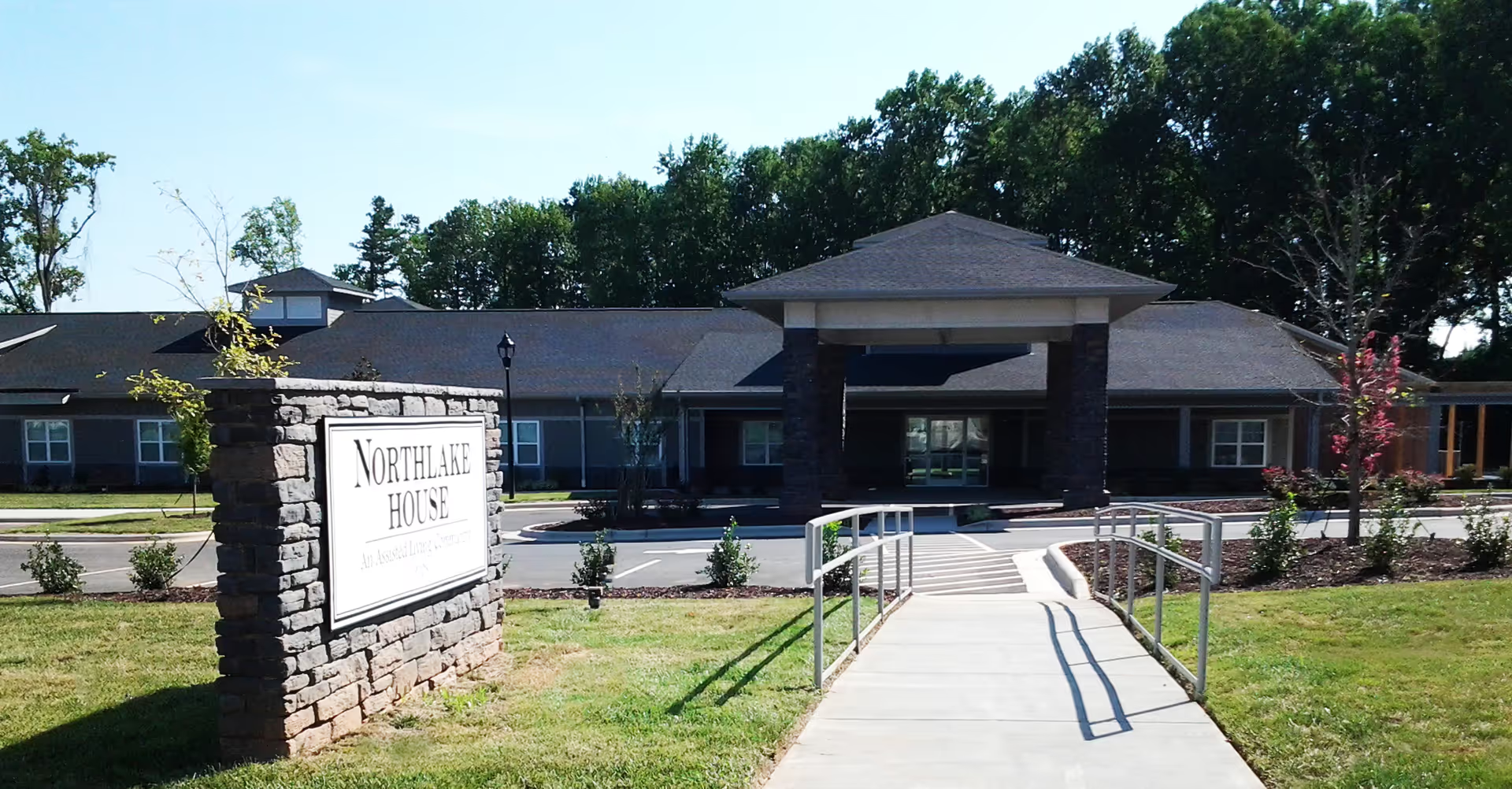
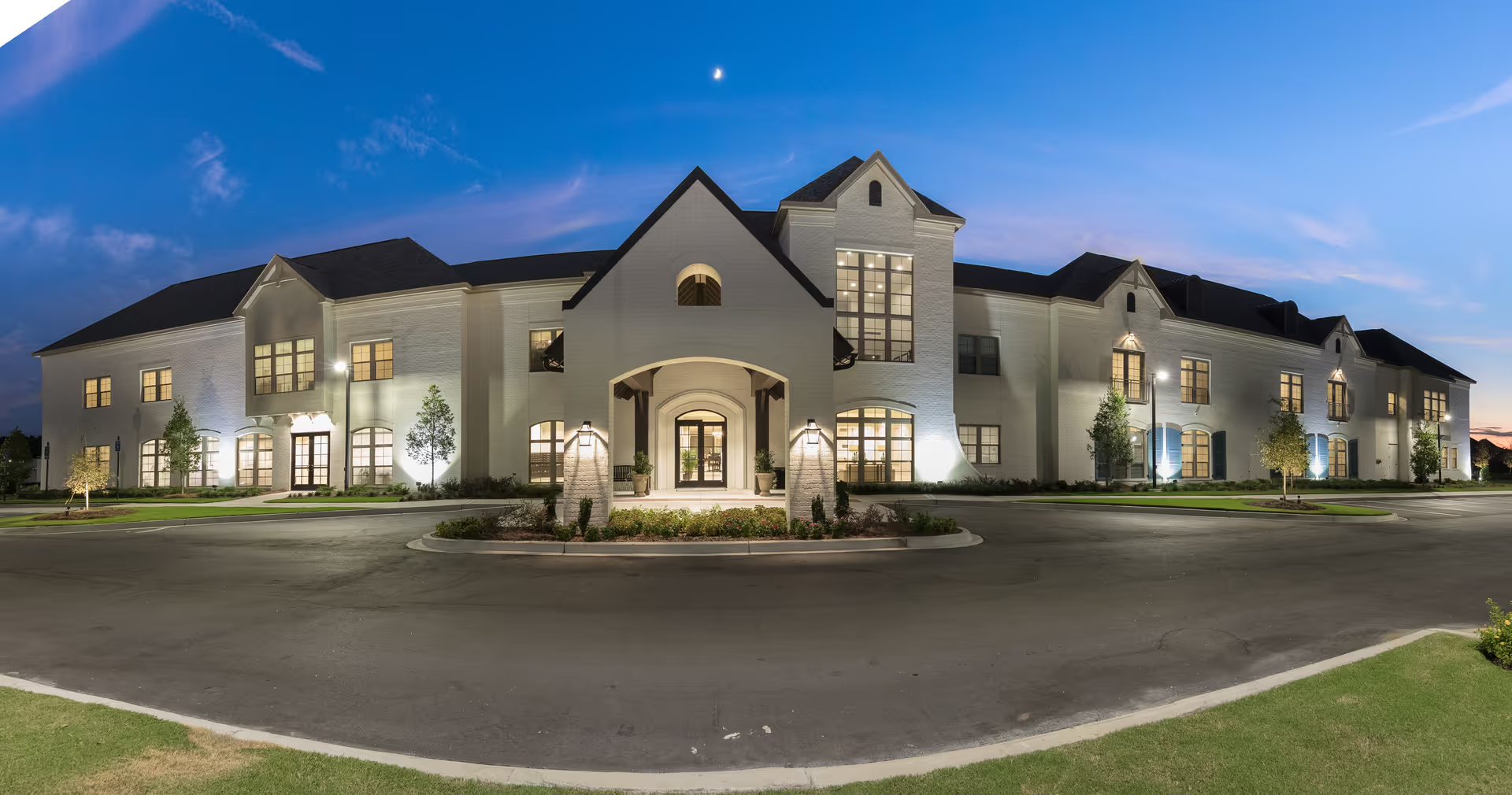
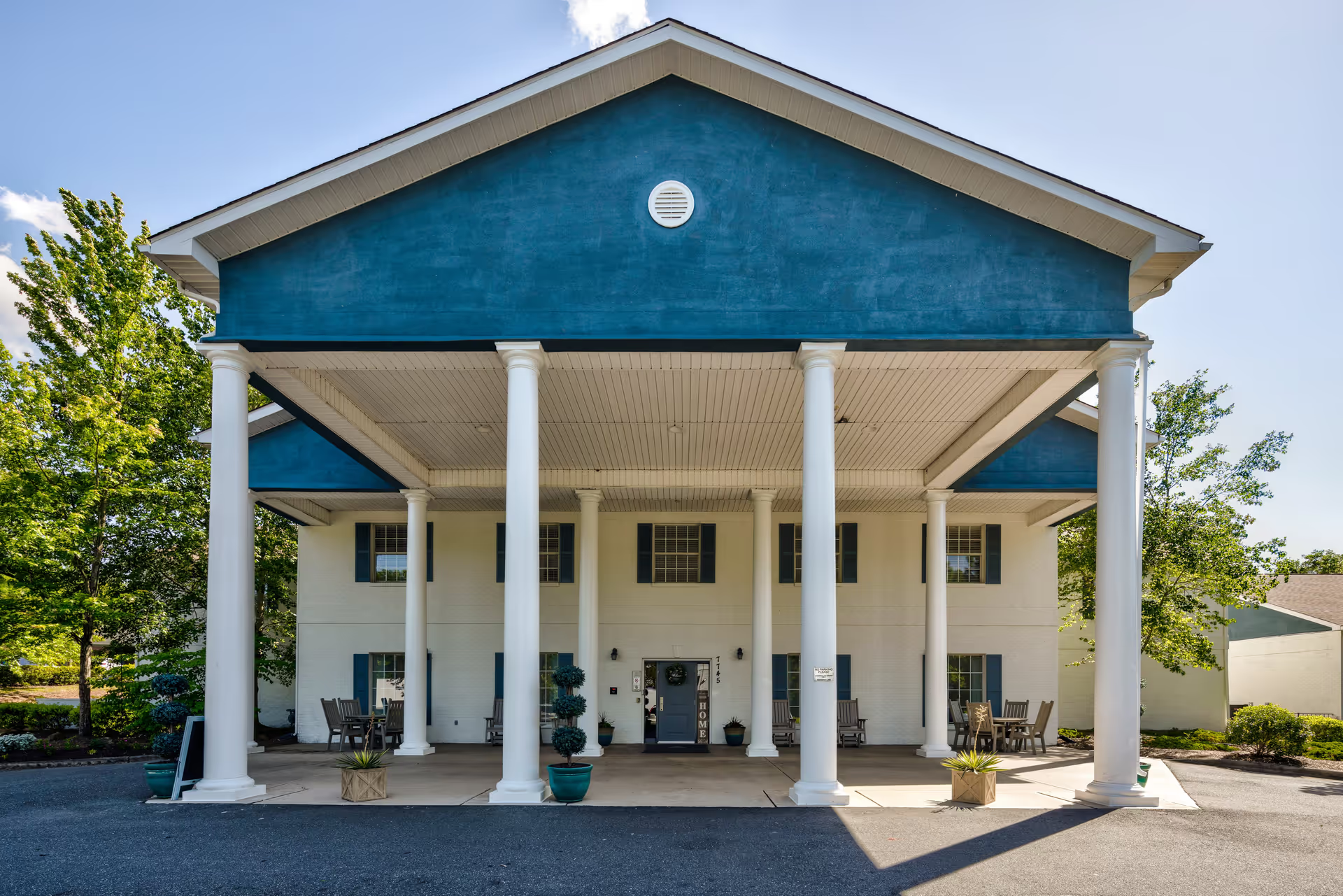
TerraBella Cramer Mountain is described overall as a clean, bright assisted-living community with a warm, home-like atmosphere and a broad set of amenities. Reviewers commonly highlight friendly, personable staff, well-maintained grounds and indoor common spaces, accessible ranch-style floor plans, and a variety of on-site features such as a beauty salon, craft room, fireplace sitting areas, and enclosed outdoor patios and gardens. The community offers restaurant-style dining and chef-prepared options, regular entertainment (piano, guest artists), themed events, family nights, and outings that many families found engaging and reassuring.
Care quality and staffing elicit mixed feedback. Numerous accounts praise caregivers who are attentive, compassionate, and willing to go beyond expectations, and several reviewers credited specific leaders and activities staff for strong resident engagement. However, a minority of accounts describe operational challenges: inconsistent staffing levels, evidence of staff burnout, and variability in how clinical needs are managed. Specific clinical gaps cited include limited on-site therapy services (e.g., physical therapy), unresolved pain-management communication, and uneven coordination with outside medical providers and lab reporting. Families considering the community should verify current staffing ratios and confirm how clinical and therapy needs would be handled for their relative.
Dining and daily living observations are likewise mixed. The facility's dining room and meal concept are positive features for many—restaurant-style service, attractive dining areas, and generally well-liked dishes. At the same time, reviewers noted inconsistent meal temperature, occasional lack of variety, and perceptions that meals can be rushed. Personal-care operational issues also appear in several accounts: lapses in laundry processing, misplaced personal items, and inconsistent incontinence-care practices. These suggest procedural or staffing constraints rather than an inherent program design problem, but they are meaningful to families reliant on consistent daily support.
Activities and social programming are frequently praised: scheduled exercise (chair yoga, balloon volleyball), crafts, music groups, book clubs, bus outings, and special events help residents remain engaged. The strength of programming appears tied to staffing stability; when activities staff are present and supported the offerings are robust, but reviewers noted variability when staffing changed. Facilities and safety features are strong selling points—safe hallways with handrails, no carpeting in corridors, wheelchair-accessible outdoor areas, and room layouts that accommodate couples or shared arrangements.
Management and communication show a divide in experience. Several reviewers named onsite leaders positively and described smooth transitions, proactive communication, and helpful admissions processes. Conversely, others reported intermittent leadership turnover, slow responses from management or corporate offices, and unresolved billing or move-in/move-out communication issues. A small number of accounts described more serious operational lapses related to supervision and safety (for example, unlocked doors or wandering-risk awareness). Those concerns point to the importance of clarifying security protocols and family-notification practices before committing to residency.
Bottom line: TerraBella Cramer Mountain offers many attributes families look for in assisted living—pleasant spaces, active programming, and a staff culture that is often described as caring. The main patterns to investigate during a tour or pre-move discussions are current staffing levels (including activities and clinical support), how the community handles clinical coordination and therapy needs, procedures for personal laundry and incontinence care, meal service consistency, and the facility's communication and billing practices. Families whose priorities are strong social programming, a chef-driven dining model, and an accessible, home-like setting may find this community a good match; those with higher or more complex clinical requirements should confirm service capacity and oversight before moving in.