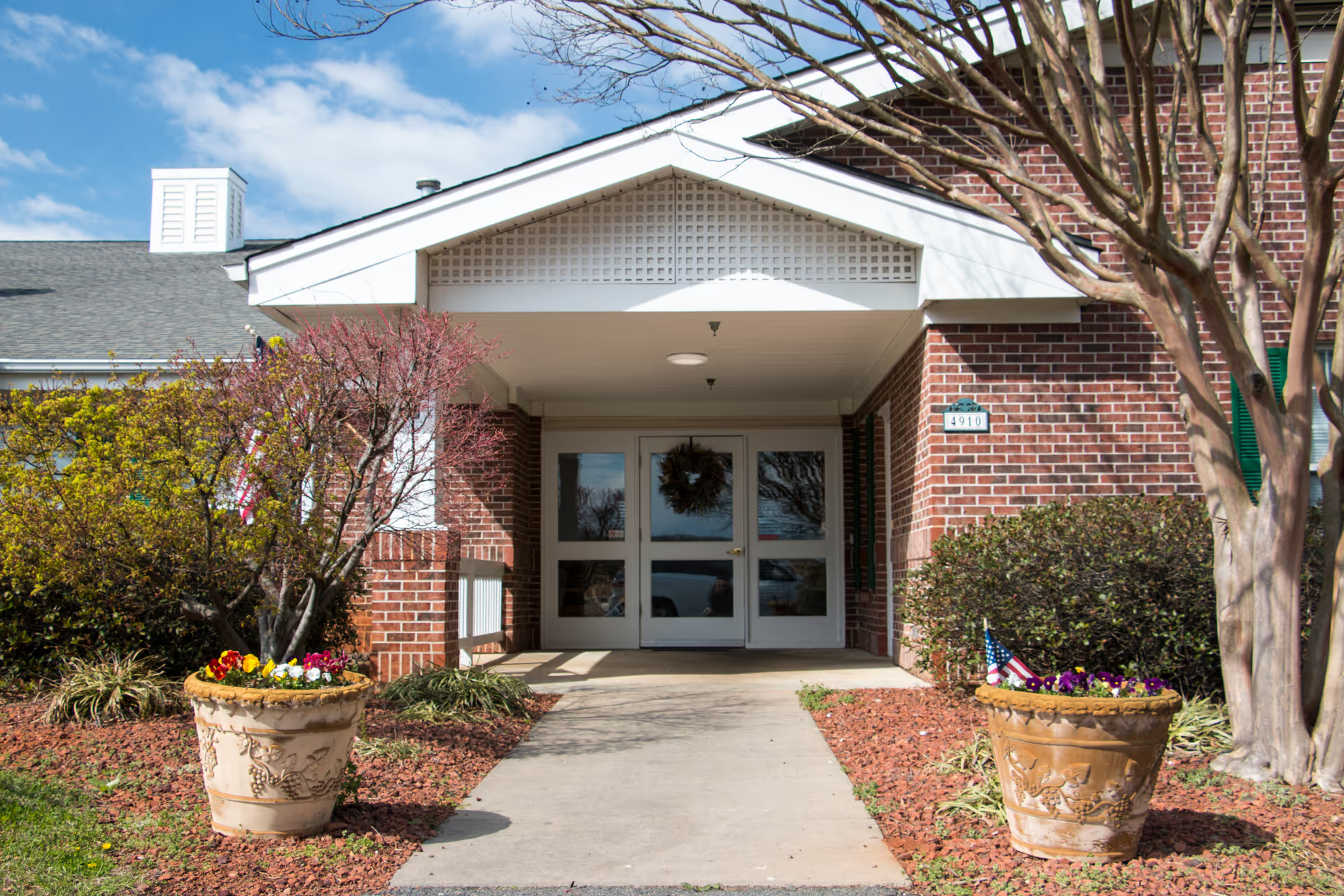
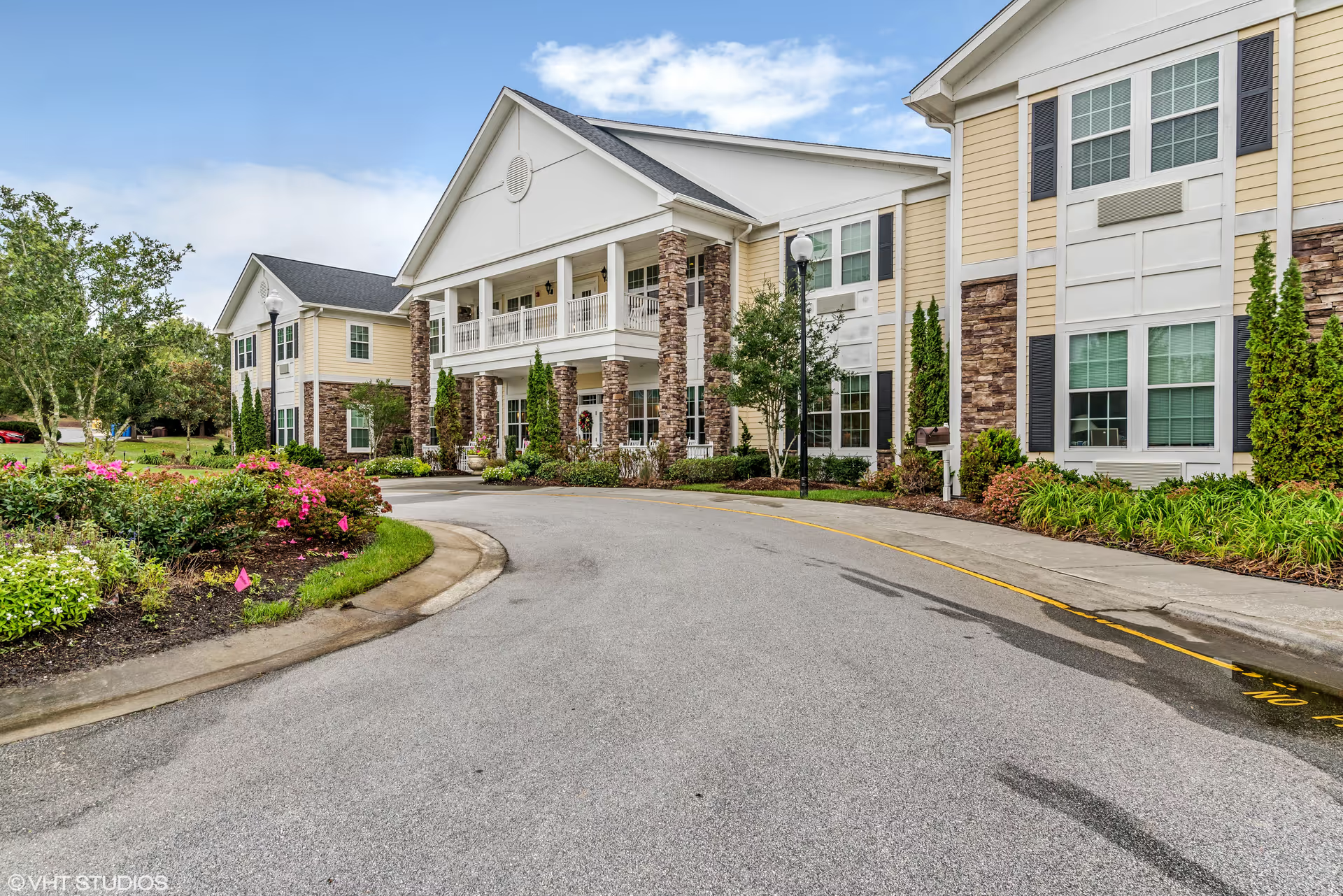
Northlake House receives consistent praise for its caregiving staff, activity offerings, and overall atmosphere. Many reviewers describe staff as caring, personable, and engaged — with frequent positive interactions, one-on-one attention, and an activities team that plans a wide variety of programs, outings, and arts-and-crafts. The community is frequently characterized as clean, well maintained, and home-like; private rooms with en-suite bathrooms and a chef-led menu are commonly cited as strengths that contribute to residents' comfort and satisfaction.
Care quality presents a mixed picture. Reviewers commonly commend day-to-day caregiving, personal attention, and the facility's ability to provide a comforting, family-oriented environment. At the same time, a number of serious clinical and operational concerns were raised: these center on gaps in the facility's response to clinical incidents and on medication-administration controls and consent processes. Families described situations that suggest opportunities for improving incident response protocols, notification to relatives, and pharmacy coordination. Some reviewers also noted that the community could struggle to meet more complex, specialized medical needs.
Dining and activities are clear strengths. The dining program is described as varied and appealing, with an engaged chef and a broad weekly menu. The activities program is a repeated highlight: residents participate in concerts, outings, themed events, and frequent creative projects led by an active director. Reviewers emphasize the positive effect these programs have on resident quality of life and social engagement.
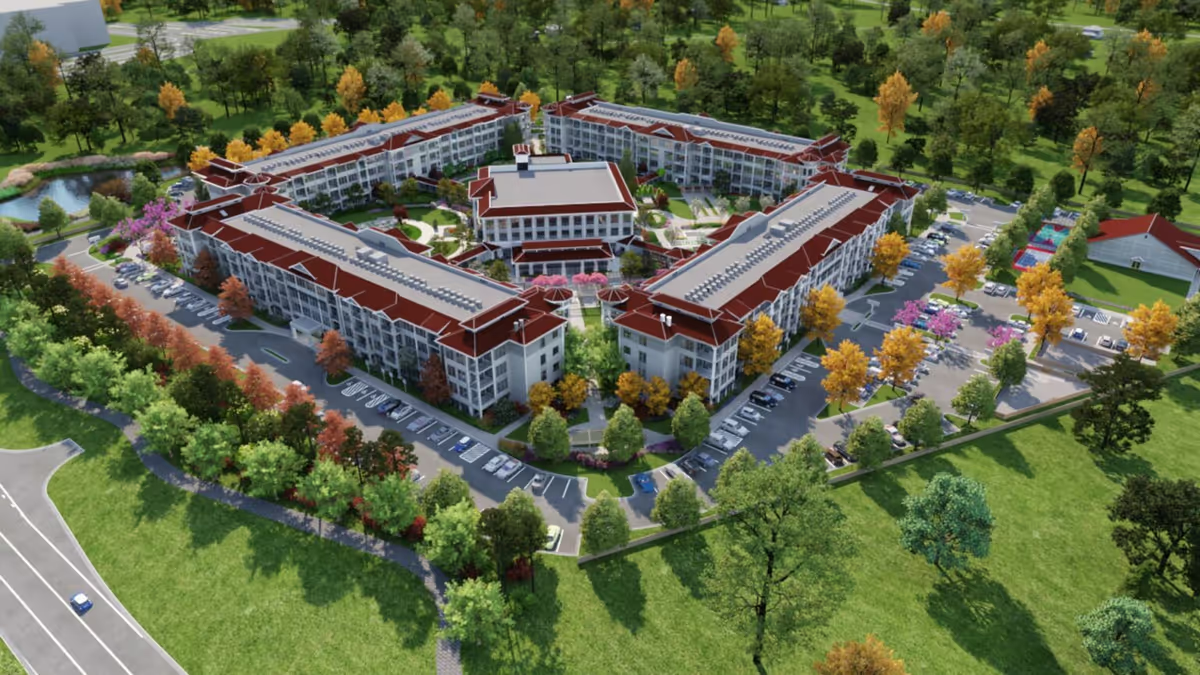
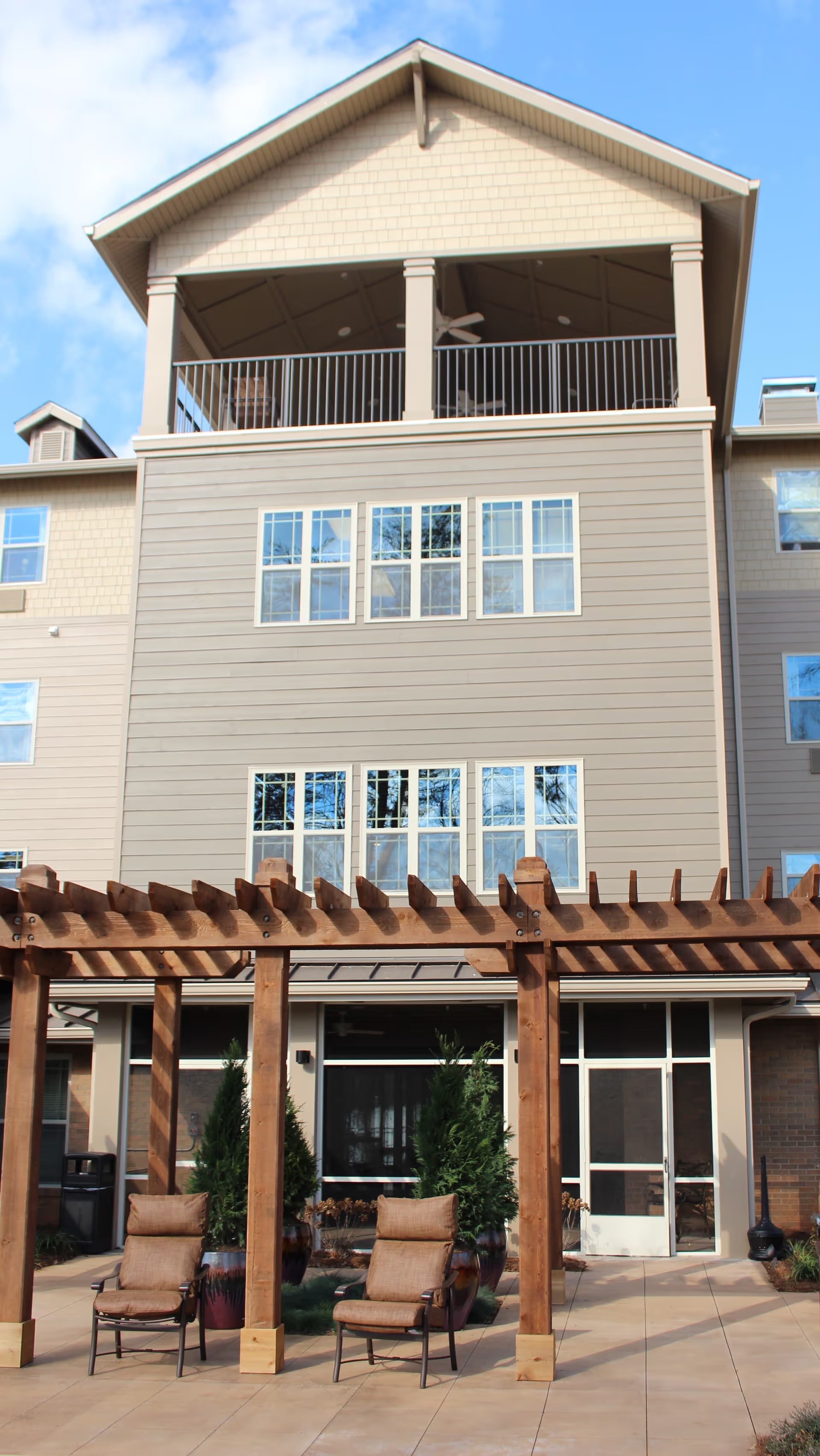
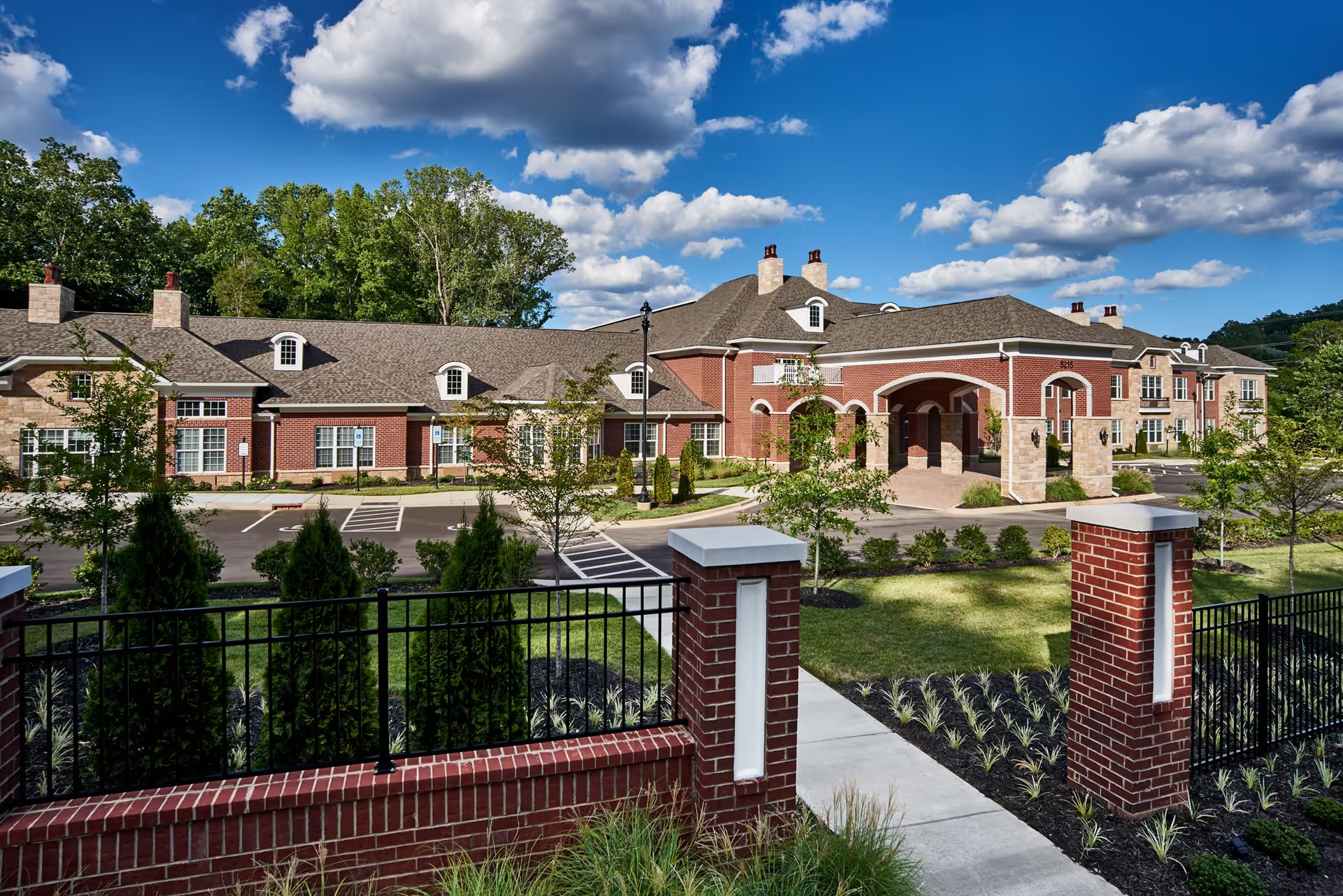
Facility condition and amenities are generally rated positively, with clean hallways, well-kept common areas, and a pleasant courtyard. However, several operational facility issues surfaced: intermittent shortages of basic supplies and inconsistent environmental controls (notably air conditioning) were noted, and some reviewers described narrow hallways and limited outdoor space as constraints on mobility and outdoor access.
Management and administration earn mixed evaluations. Many families praised accessible administrative staff and helpful move-in/transition guidance, as well as visible leadership and corporate support. Conversely, others reported frustrations with billing, refund-handling, phone responsiveness, and what they perceived as inconsistent staffing oversight and onboarding. These administrative and process weaknesses appear to be an important area for the provider to address to align operational performance with the on-the-ground strengths.
In summary, Northlake House offers a warm, activity-rich, and well-maintained environment with a staff that many families find compassionate and supportive. Prospective residents and families should weigh those positives against documented operational concerns — particularly around incident-response procedures, medication and consent processes, supply reliability, and the community's capacity for higher-acuity medical needs. Those considering the community should tour the memory-care areas, ask specific questions about incident protocols, medication/pharmacy practices, supply-chain resilience, and staffing/onboarding policies, and verify climate-control arrangements to ensure the facility meets their specific clinical and comfort requirements.