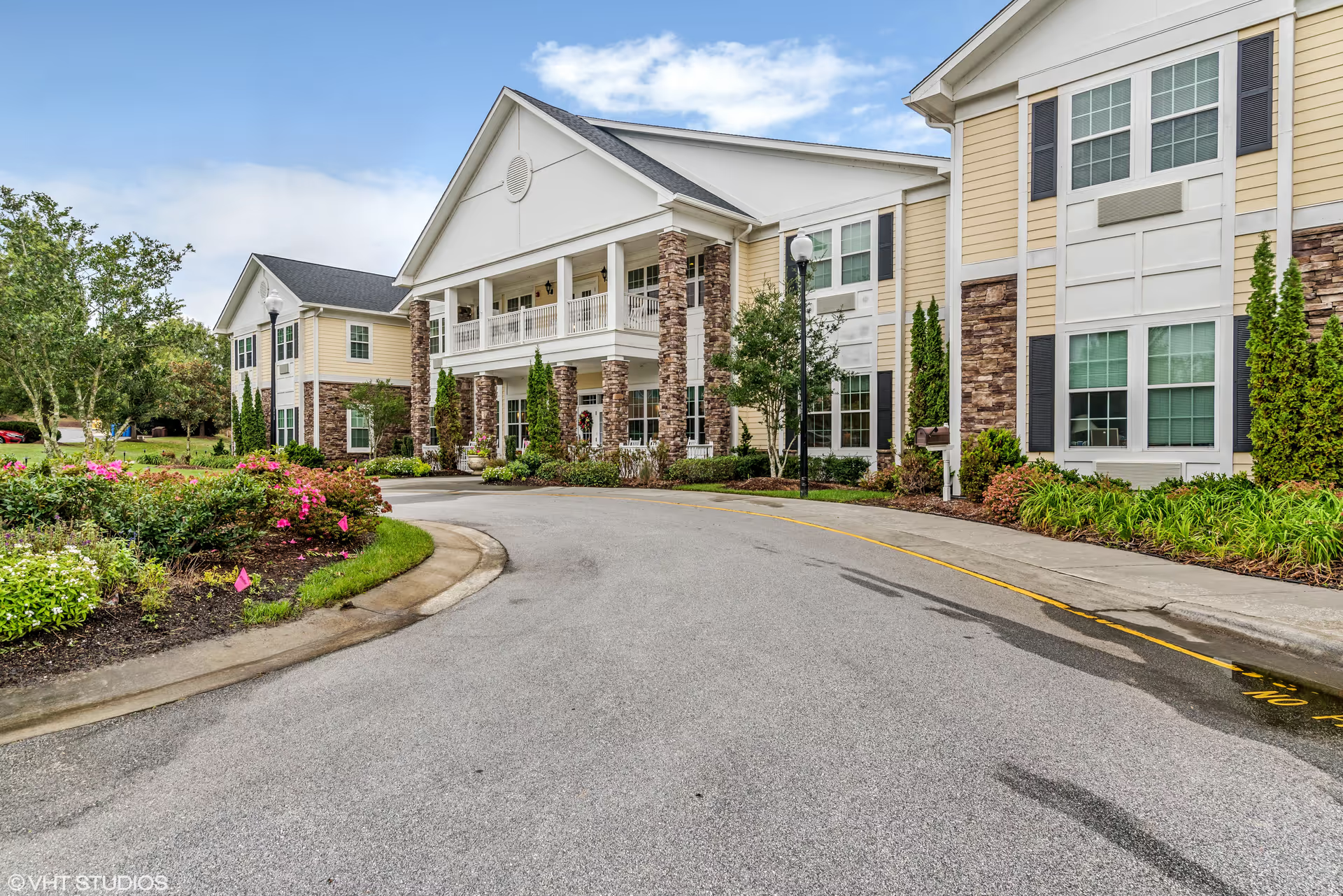
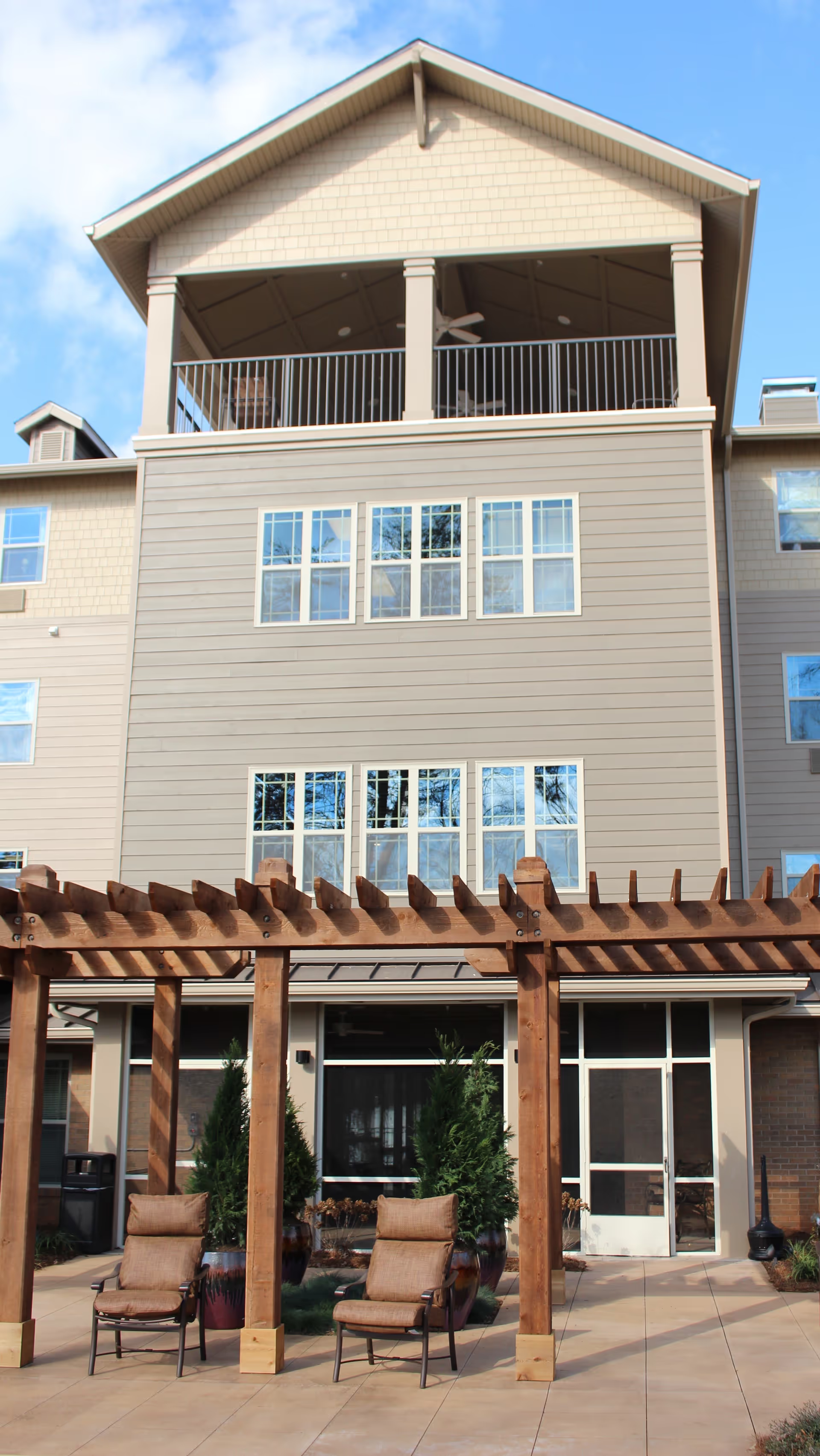
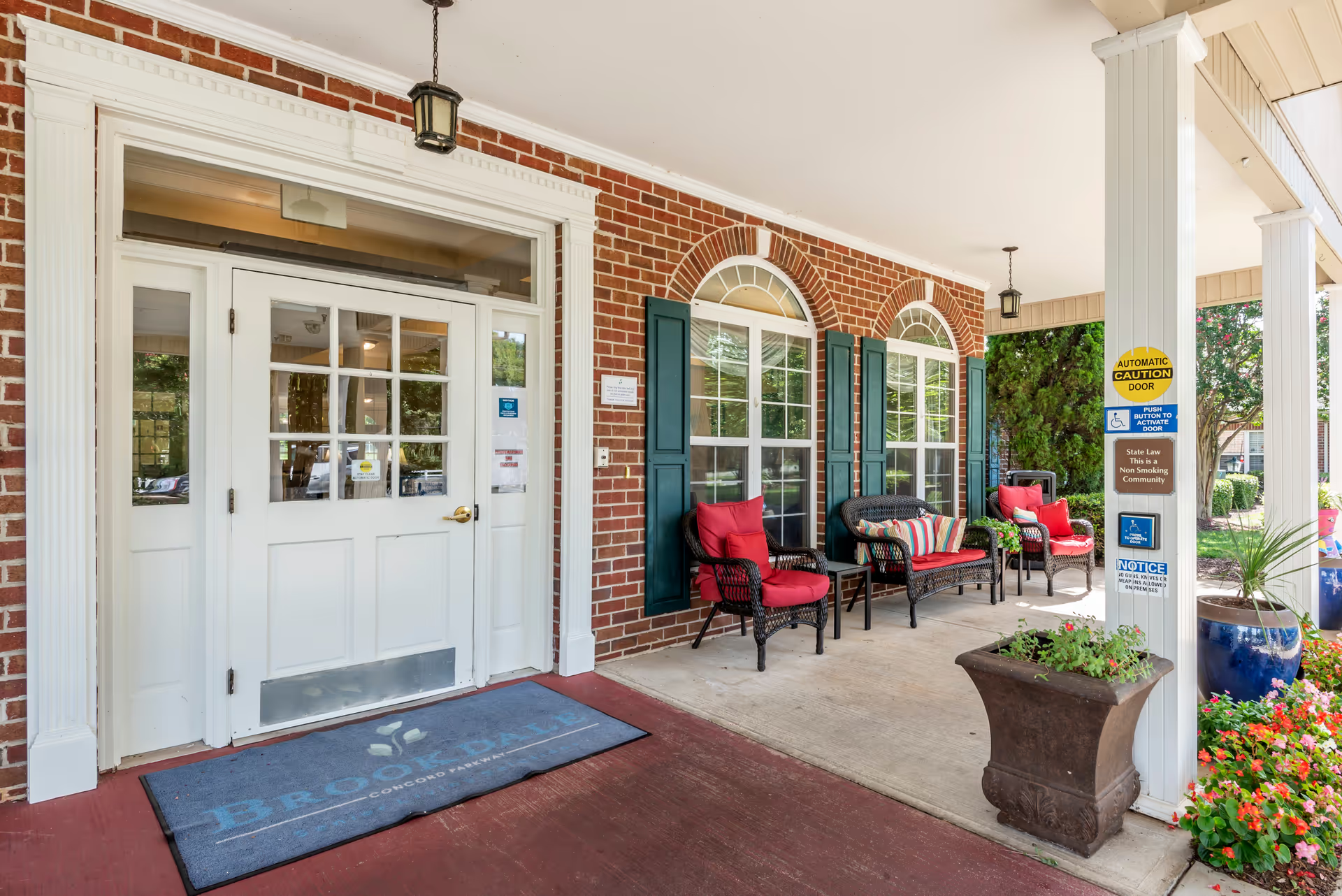
Preston House appears to be a small, memory-care–focused community that many families describe as home-like, clean, and well-maintained. The facility’s physical design — private rooms with en-suite half baths, compact wings that facilitate staff oversight, and a secure fenced courtyard and patio — supports a dementia-friendly environment. Multiple reviewers praised the availability of clinical oversight (daily RN presence and psychiatric support), hospice coordination, and an overall atmosphere in which residents are treated with dignity.
Care quality and staff performance receive predominantly positive comments: caregivers are frequently described as compassionate, attentive, and relationship-oriented, and leadership (owners/administrators and named staff) is often noted as accessible and engaged. Several families credited the staff with measurable health and wellbeing improvements after admission. That said, there is a contrasting pattern of operational concerns that bear directly on care quality. Specific issues include inconsistencies in medication administration (timing, refills, and tracking), lapses in toileting assistance and other personal-care tasks, and times when staffing levels appear inadequate for resident acuity. These operational gaps can produce delays in care and family frustration.
Dining and activities are also mixed. Many reviewers complimented nutritious, well-prepared meals, holiday dinners, and accommodation of dietary needs, along with an active calendar of events, outings, hair salon services, and seasonal programming. Conversely, others described variability in food quality, occasional meal mix-ups, menus not being posted, and activity schedules that were not always followed through. This suggests the presence of an organized activities program and culinary capability, but with uneven execution on some days or shifts.
Facility operations and management show strengths and stressors. Strengths include low staff turnover, long-tenured employees, proactive administrators, and flexible placement and billing arrangements. Areas for improvement cited across reviews include housekeeping and laundry process management, staff compensation/recognition concerns, intermittent communication lapses with families, and some access-control or security issues (for example, outdoor access and entry procedures). There are also a small number of serious claims — including allegations of resident property loss and questions about infection-control practices such as masking — that should be explored directly with management and through regulatory/inspection records where appropriate.
Overall, Preston House presents as a community with many attributes that appeal to families seeking a small, personalized memory-care setting: engaged caregiving staff, clinical oversight, a safe physical layout, and a range of social and dining offerings. Prospective residents and family members should verify operational details during a tour: ask about medication administration protocols and documentation, current staffing ratios and contingency plans for higher-acuity needs, activity adherence and menu posting practices, laundry and housekeeping workflows, infection-control policies, property-security safeguards, and the facility’s billing/admission fee structure. Those questions will help balance the facility’s clear strengths against the noted operational inconsistencies before making a placement decision.