The reviews describe a facility with a strong rehabilitation identity: many accounts highlight a robust physical and occupational therapy program that helped residents regain mobility and return home. Therapy staff are frequently described as diligent and motivating, and families credit the rehab teams and case managers with clear updates and successful transitions. Several reviewers explicitly noted positive post-discharge follow-up and outpatient therapy that reinforced gains made during the stay.
Staff performance perceptions are mixed but often polarized. Numerous reviewers praise nursing personnel, CNAs, and activity staff as caring, attentive, and family-oriented; these staff members are credited with creating a welcoming atmosphere and supporting residents’ social needs. At the same time, a substantial body of feedback points to inconsistent staffing levels and coverage that produce variability in daily care. This manifests as delays in attending to resident needs, irregular bathing/hygiene assistance, and uneven wound and medication practices. Where staffing and shift coverage were adequate, reviewers describe high-quality, compassionate care; where gaps occurred, clinical response and resident comfort were compromised.
Operational and administrative issues appear across multiple areas. Communication strengths include effective case management and clear family updates in many cases, but other reviews describe poor responsiveness from reception, social-work, or nursing administration and a terse communication tone. Billing and admission administration received mixed ratings: some families experienced timely resolution of billing problems, while others reported pressure to pay and slow corporate follow-up. Discharge planning and therapy intensity show variability — while some stays included frequent, outcome-focused therapy that enabled safe discharge, other accounts describe limited therapy minutes and inadequate discharge preparation that contributed to readmission risk.
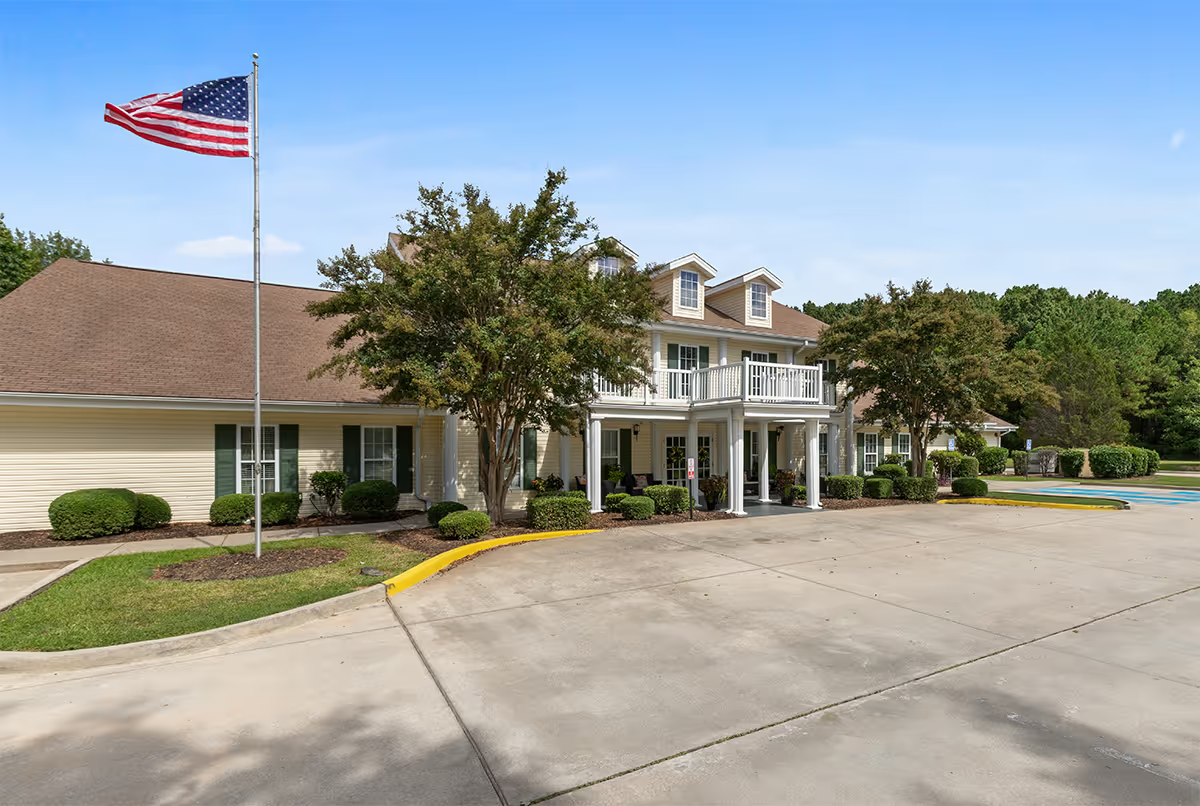
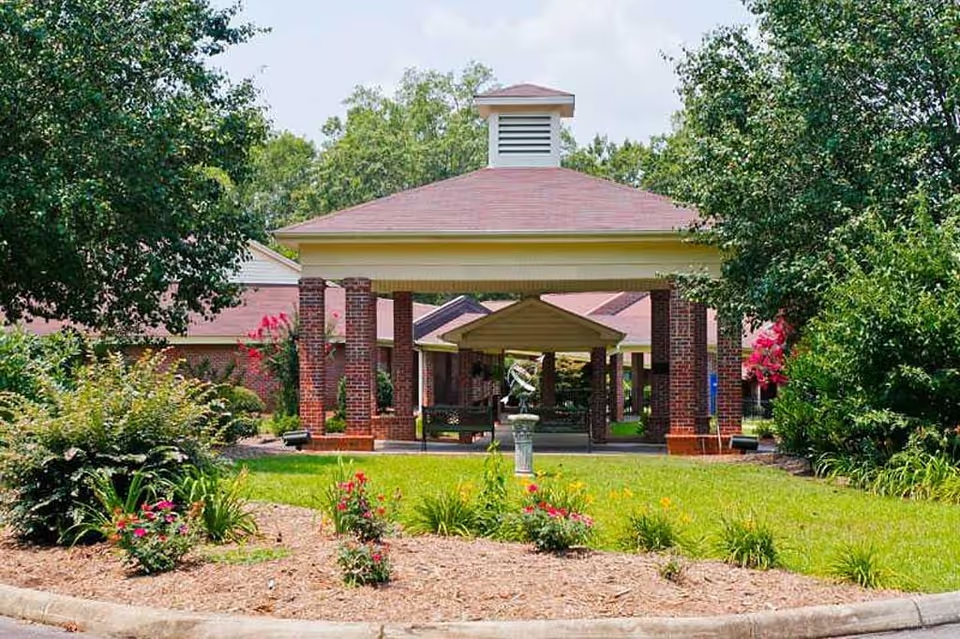
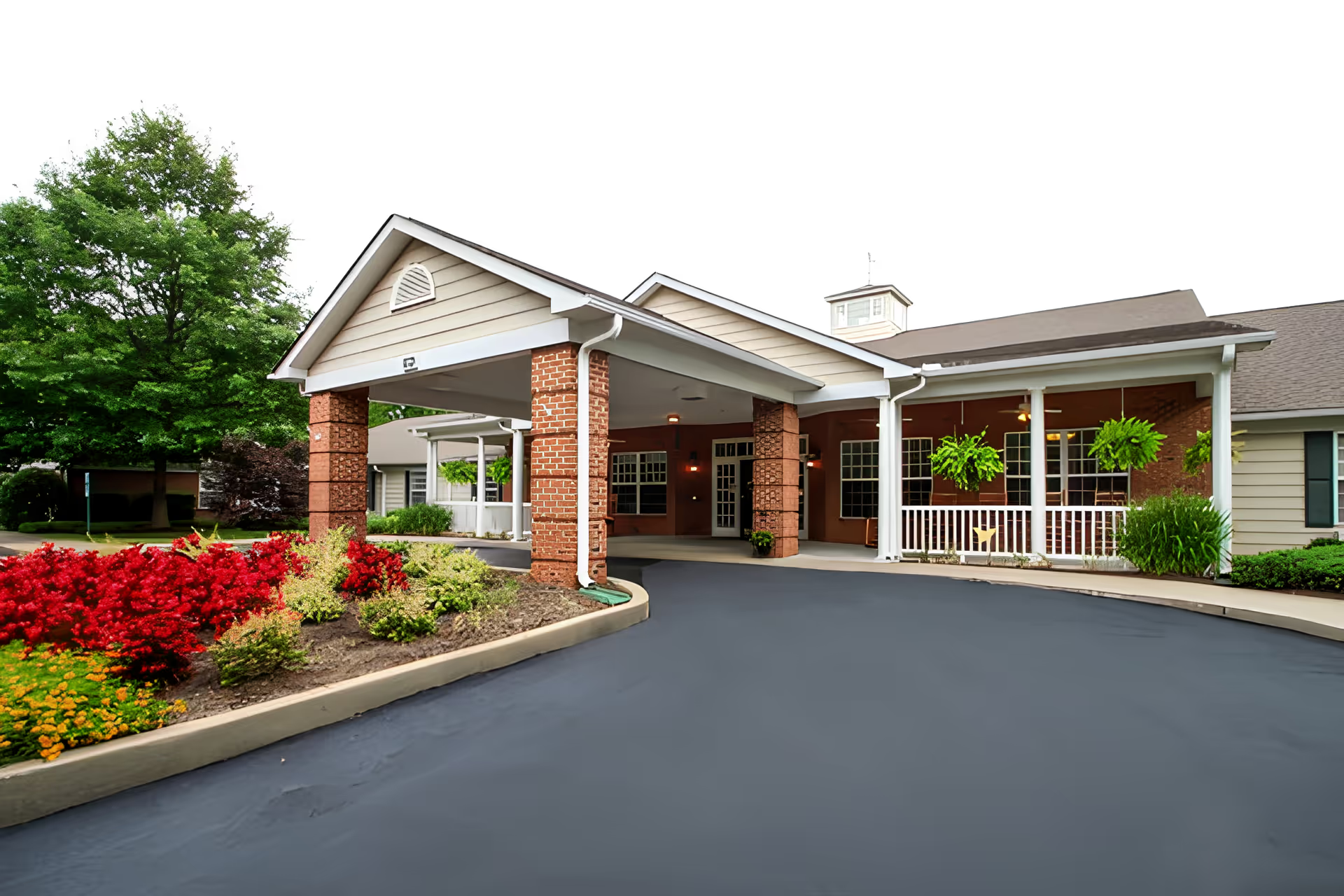
Facility-related feedback is similarly mixed. Positive comments reference clean, well-maintained common areas, pleasant meals, and an inviting, home-like environment with active programming. Conversely, other reviews raise sanitation and pest-control concerns and note inconsistent meal quality and missed meal service on occasion. Infection-control practices drew specific attention: reviewers described confusion about testing, isolation procedures, and PPE availability during quarantines, indicating opportunities to standardize communication and adherence to public-health guidance.
Overall, Union Post Acute demonstrates clear strengths in rehabilitation services, individualized therapy, and a number of compassionate frontline staff who create a supportive community environment. However, persistent operational weaknesses — particularly inconsistent staffing, variable clinical responsiveness, uneven medication and wound-care practices, and administrative communication gaps — introduce risk and variability in the resident experience. Prospective residents and families should weigh the facility’s strong therapy offerings and positive staff relationships against these operational concerns, and consider asking targeted questions about staffing ratios, infection-control protocols, therapy schedules, discharge-planning processes, and billing procedures during the tour and intake process.