Summary
The reviews paint a mixed picture of Carolina Gardens at West Columbia. Strengths include a number of consistently praised direct-care staff and clinicians who provide compassionate hands-on assistance, and a rehabilitation/therapy program that several families found effective. The community offers a dedicated memory-care unit, organized social activities (bingo, singing, outings), spiritual programming and church involvement, and a range of accommodation types from private to shared apartments. Admissions and sales personnel are frequently described as helpful and informative, and aspects of the campus — such as some dining rooms, apartments, and common areas — are noted as clean, well-maintained and resident-focused by many families.
Care quality and staffing are areas of notable variability. While some reviewers highlight devoted, patient caregivers and strong relationships with therapists and nurses, others describe frequent staffing turnover, weekend and shift-coverage gaps, and periods when direct-care staff appear overstretched. These operational staffing issues are linked in reviews to delays in assistance, inconsistent daily care routines (for example, bathing and linen/towel availability), and uneven follow-through on clinical orders. There are also recurrent concerns about medication management processes, including delayed or missed administrations and limited explanations from clinical leadership when questions arise; some reviews raised concerns about psychotropic medication use that prospective families may wish to clarify with clinical management.
Dining and food-service practices show similarly mixed feedback. Several residents and families praised the meals and the dining environment, while others reported inconsistent meal quality, menu deviations, and food-safety or sanitation concerns in service and kitchen areas. Relatedly, reviewers raised issues about adherence to physician dietary orders and special diets. Both the positive and negative comments suggest that meal experience may depend on the kitchen team on duty and the oversight of dietary staff.
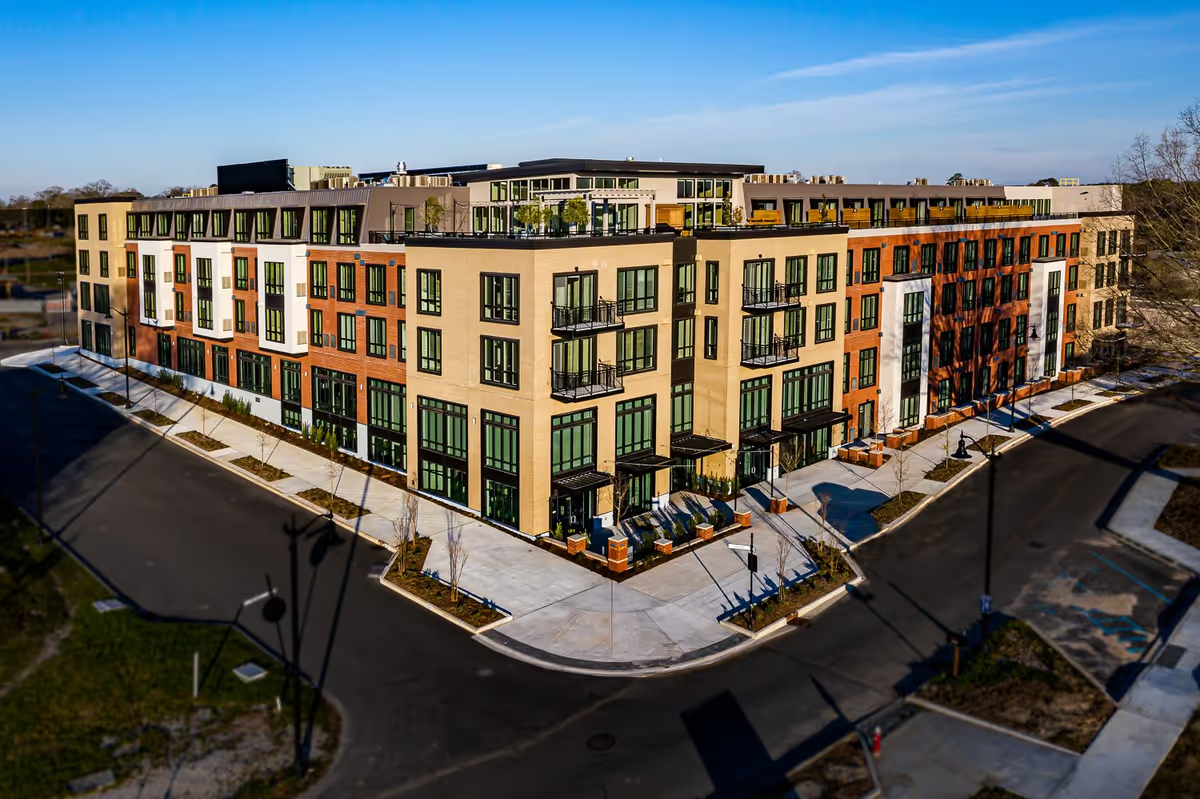
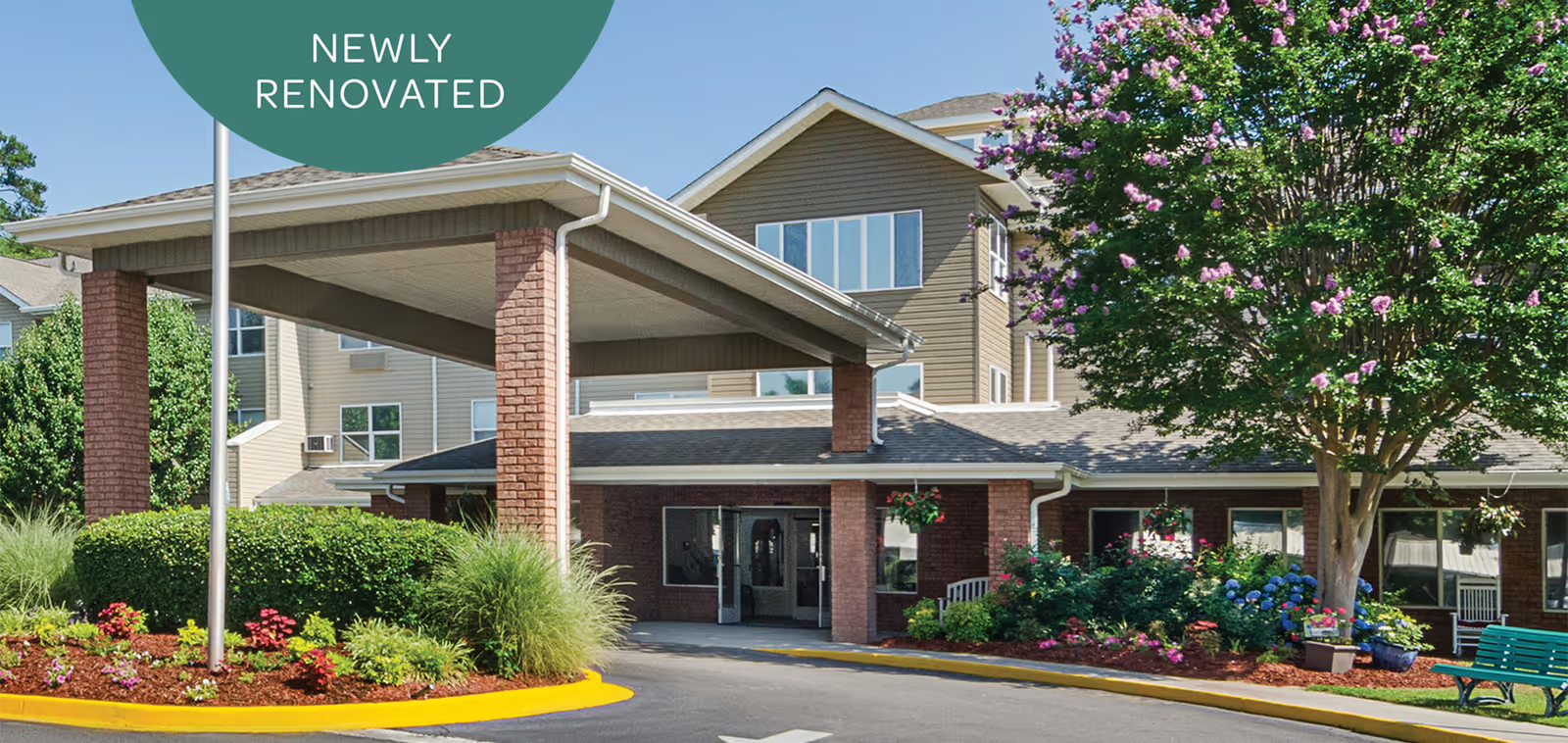
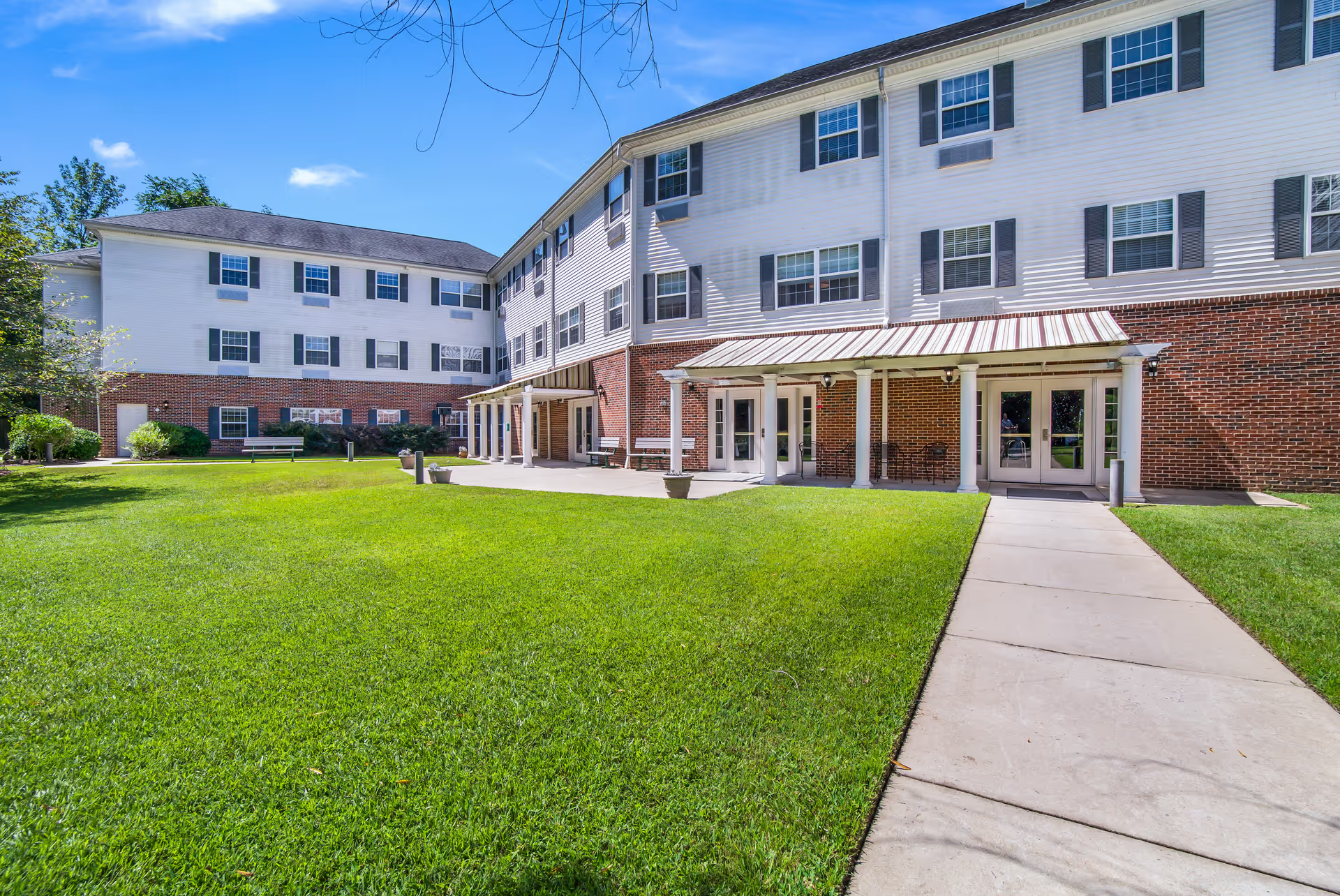
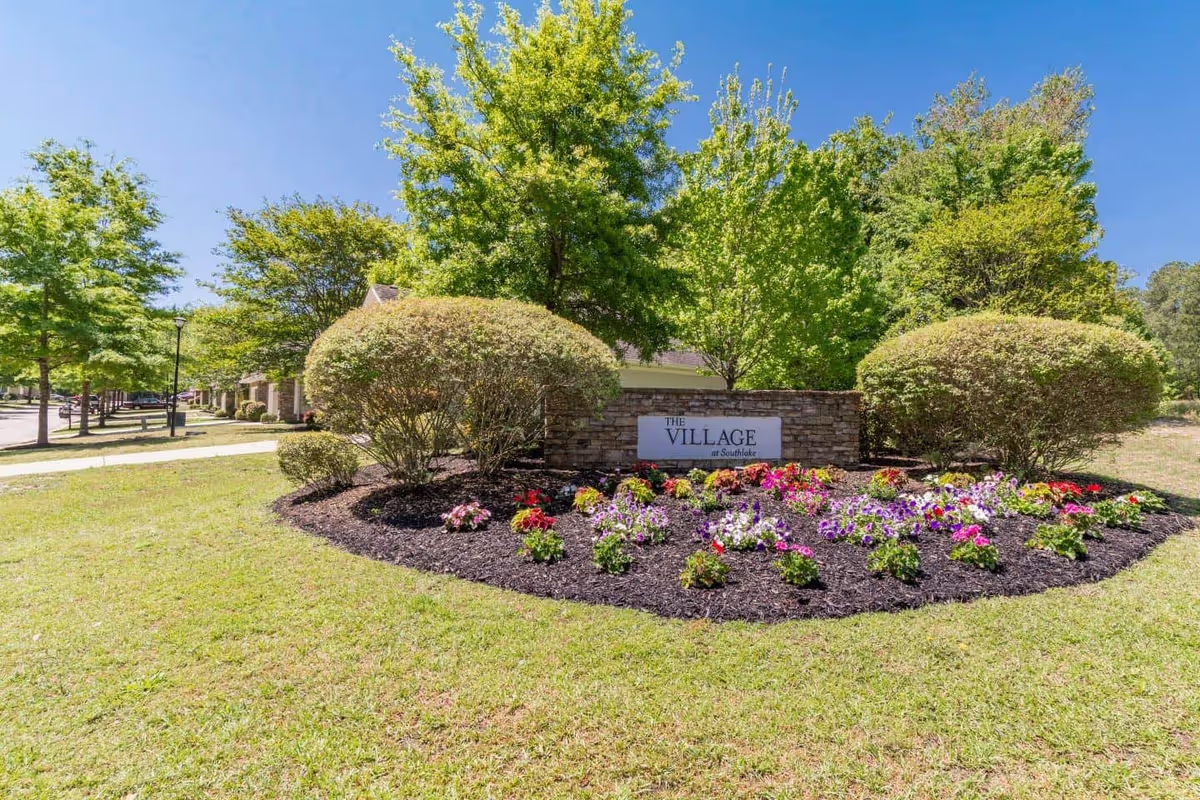
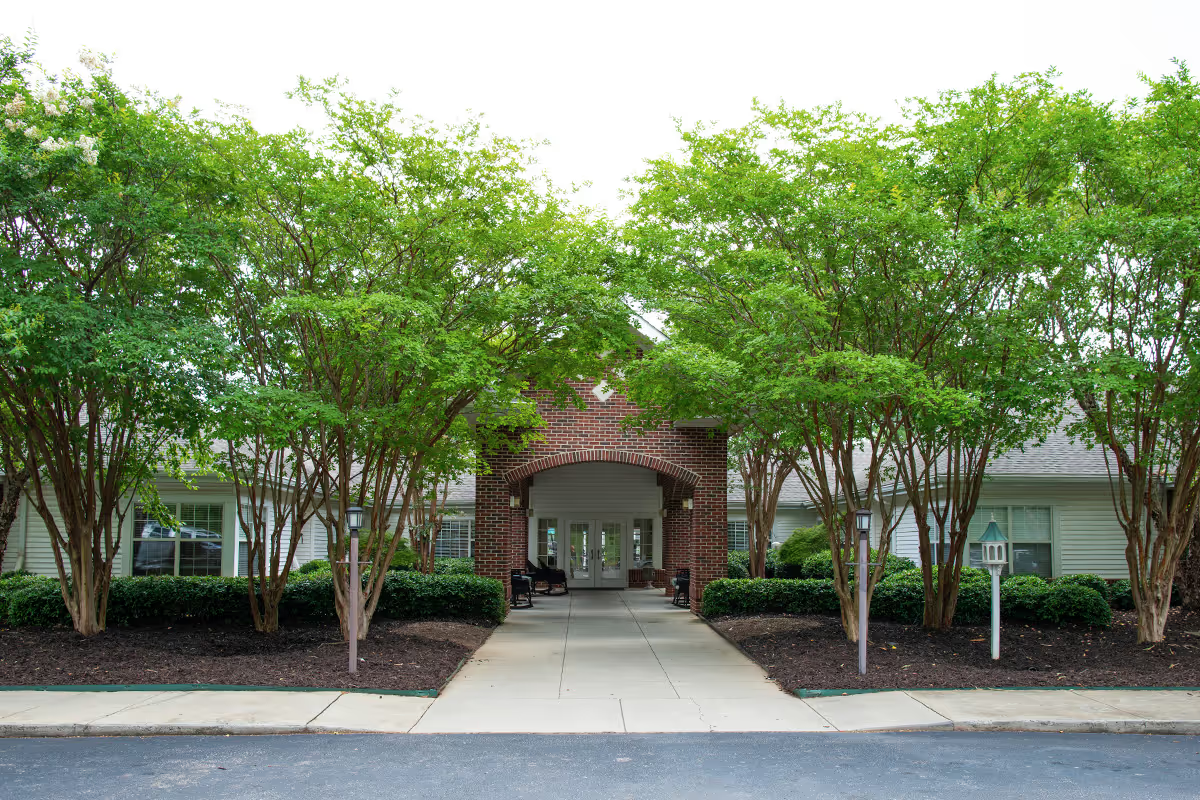
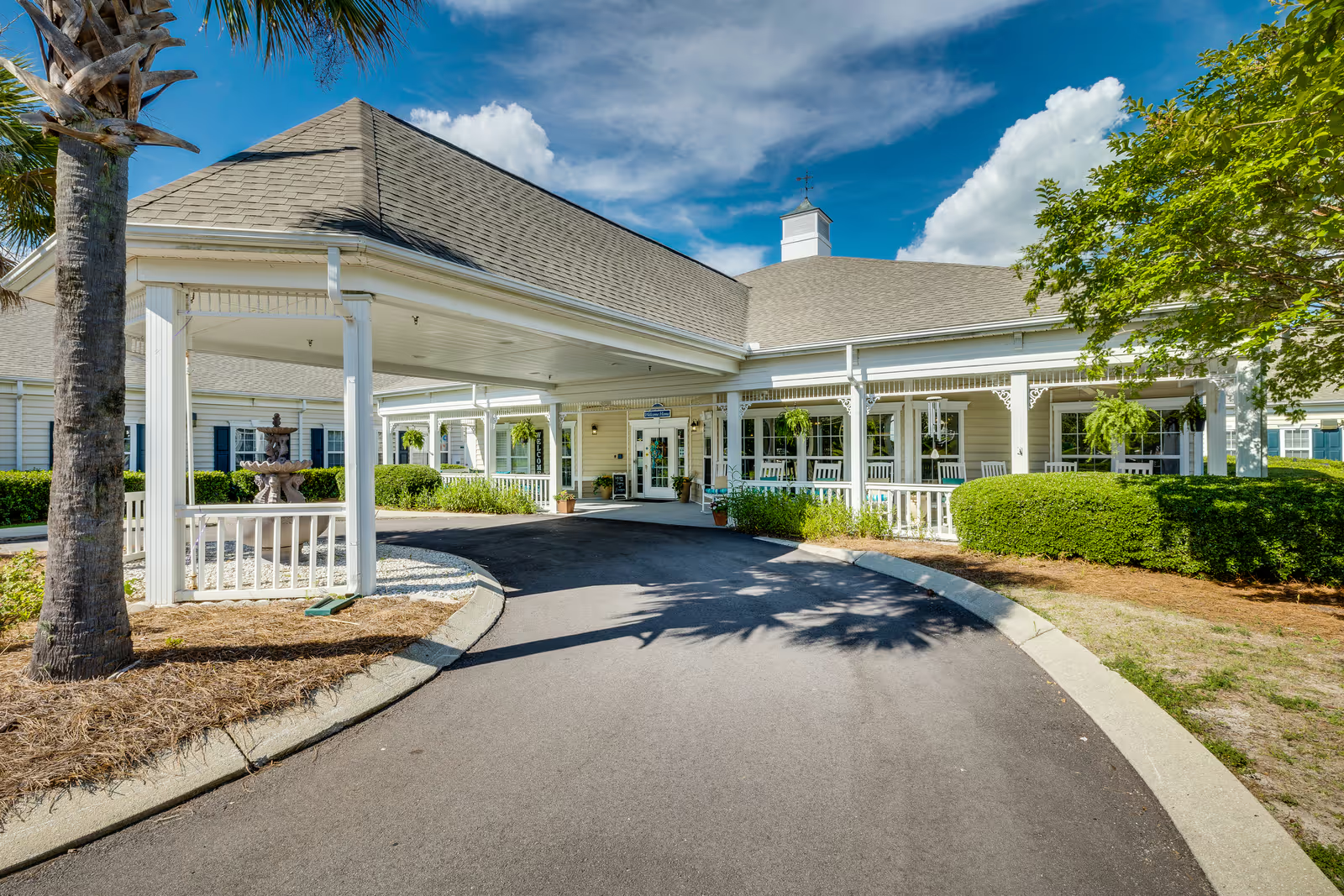
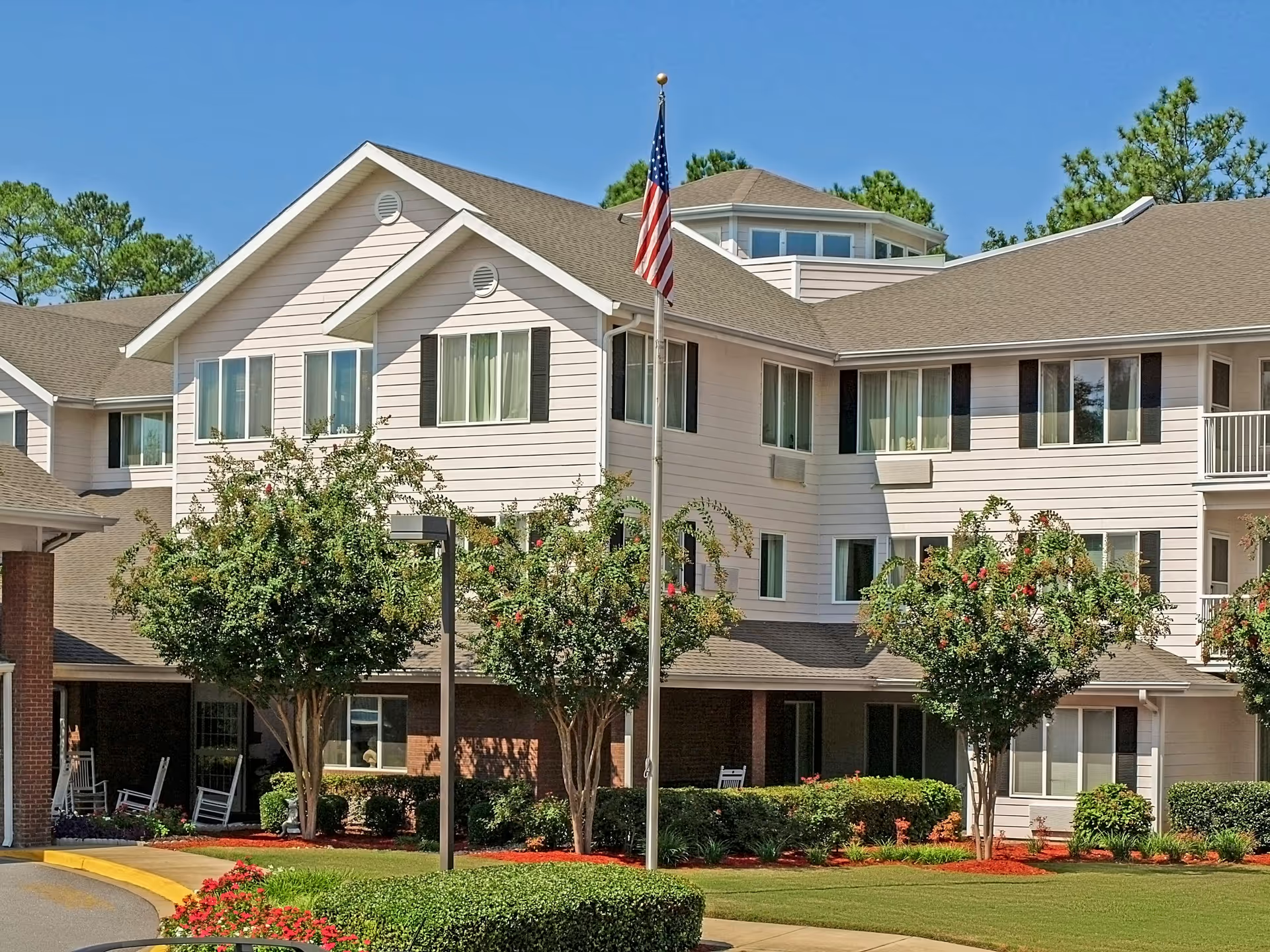
Facility condition and maintenance surfaced as another polarized area. Many reviewers described clean, odor-free spaces, attractive grounds, and spacious apartments; contrasting reviews identified unresolved maintenance requests, grounds and outdoor litter concerns, dated memory-care areas, limited parking or walking spaces, and constrained privacy in double rooms. Sanitation and infection-control practices were also highlighted inconsistently — with some families reporting good hygiene practices and others flagging inconsistent hand-hygiene, glove use, dishwashing and pest-control concerns in certain units.
Management, communication and administrative operations exhibit a pattern of uneven performance. Prospective residents often receive a professional admissions experience, but families frequently describe a gap between sales-era expectations and the day-to-day responsiveness of operational leadership. Specific operational weaknesses include slow resolution of maintenance requests, inconsistent follow-up on family concerns, and challenges with billing, reimbursement or insurance processing. These patterns, together with the facility's for-profit operation noted by reviewers, contribute to perceptions of administrative instability among some families.
Notable patterns and guidance for families: outcomes appear to vary by unit, shift and individual staff members — short-term rehab and therapy stays tended to attract more consistently positive reports, while longer-term residential care showed greater variability. If considering this community, prospective residents and their families should ask targeted questions about current staffing ratios, clinical oversight of medication and dietary orders, infection-control practices, maintenance request turnaround, and billing procedures. Multiple visits at different times (including weekends and evenings), direct conversations with clinical leaders about medication and diet protocols, and review of recent survey or inspection records can help clarify whether the facility’s strengths align with an individual’s care priorities.