Overall impression: Colonial Gardens presents as a small, dementia-focused assisted living and memory-care community with many families praising its compassionate staff, social programming, and home-like atmosphere. Numerous accounts highlight staff who are trained in memory care, who learn residents’ names and preferences, and who provide warmth and individualized attention. The facility’s scale and memory-care orientation are commonly cited as contributors to family members’ sense of safety and peace of mind.
Care and staff: Strengths include attentive aides and nurses, staff who greet residents by name, and an administrative team that many families find accessible and responsive. Reviewers frequently note positive recovery stories and improved appetites or weight gain after admission. At the same time, there are recurring operational concerns: inconsistent staffing coverage (notably on weekends and overnight), variability in personal-care routines such as bathing and oral care, and occasional gaps in medication administration and clinical monitoring. These patterns suggest dependable day-to-day care can fluctuate with staffing levels and personnel turnover.
Dining and activities: The dining program is generally described as nutritious and appealing, with regular snacks and a varied menu; several families credit the food with improved resident intake. Activity programming is a consistent strength — a broad calendar of on-site social and therapeutic offerings, frequent outings (zoo, state fair, bus trips), guest performers, and monthly celebrations contribute to socialization and mood. Some residents with higher-dependency needs or limited mobility are less able to benefit from outings and group activities, and activity inclusion can be limited for those individuals at times.
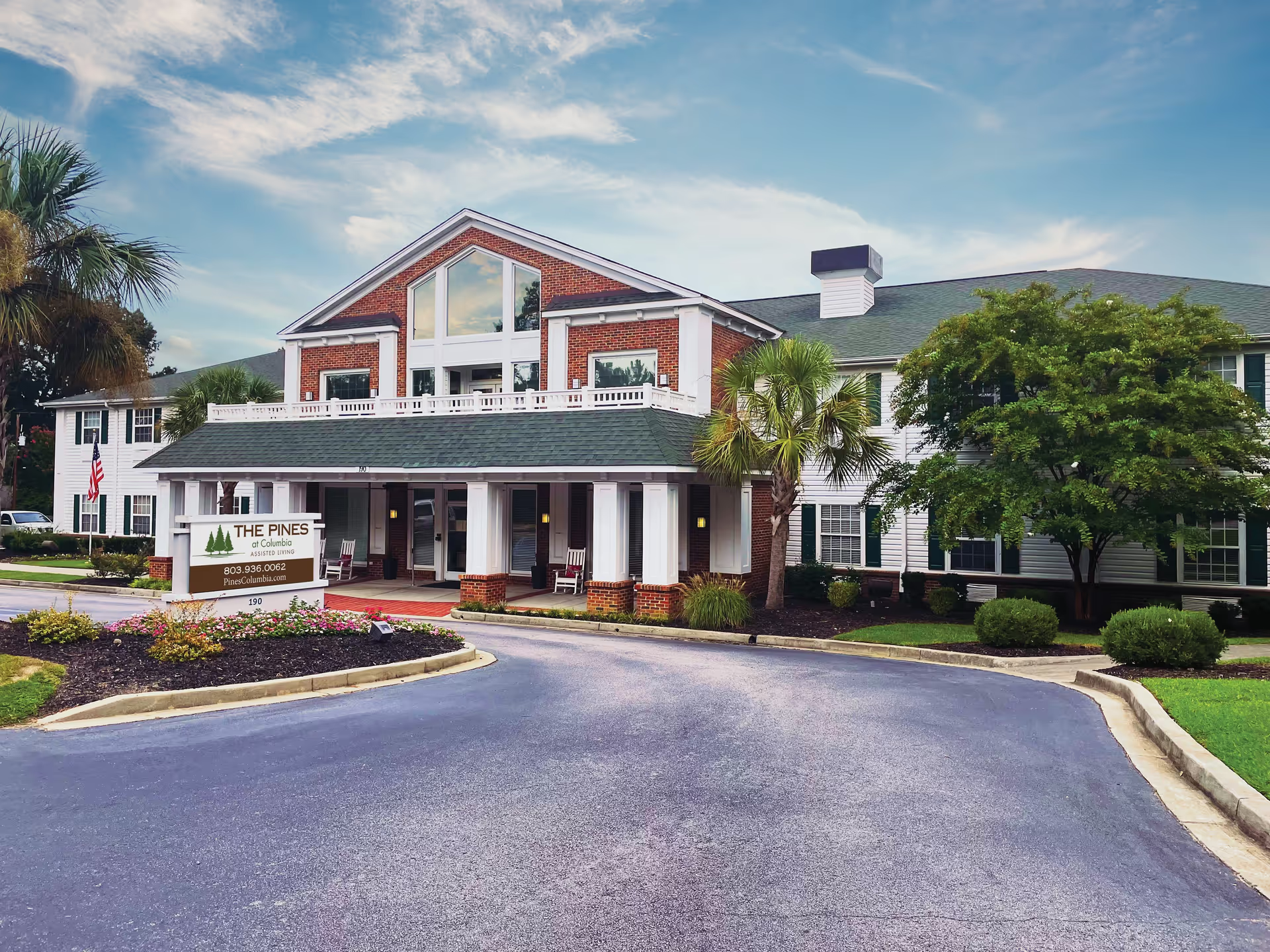
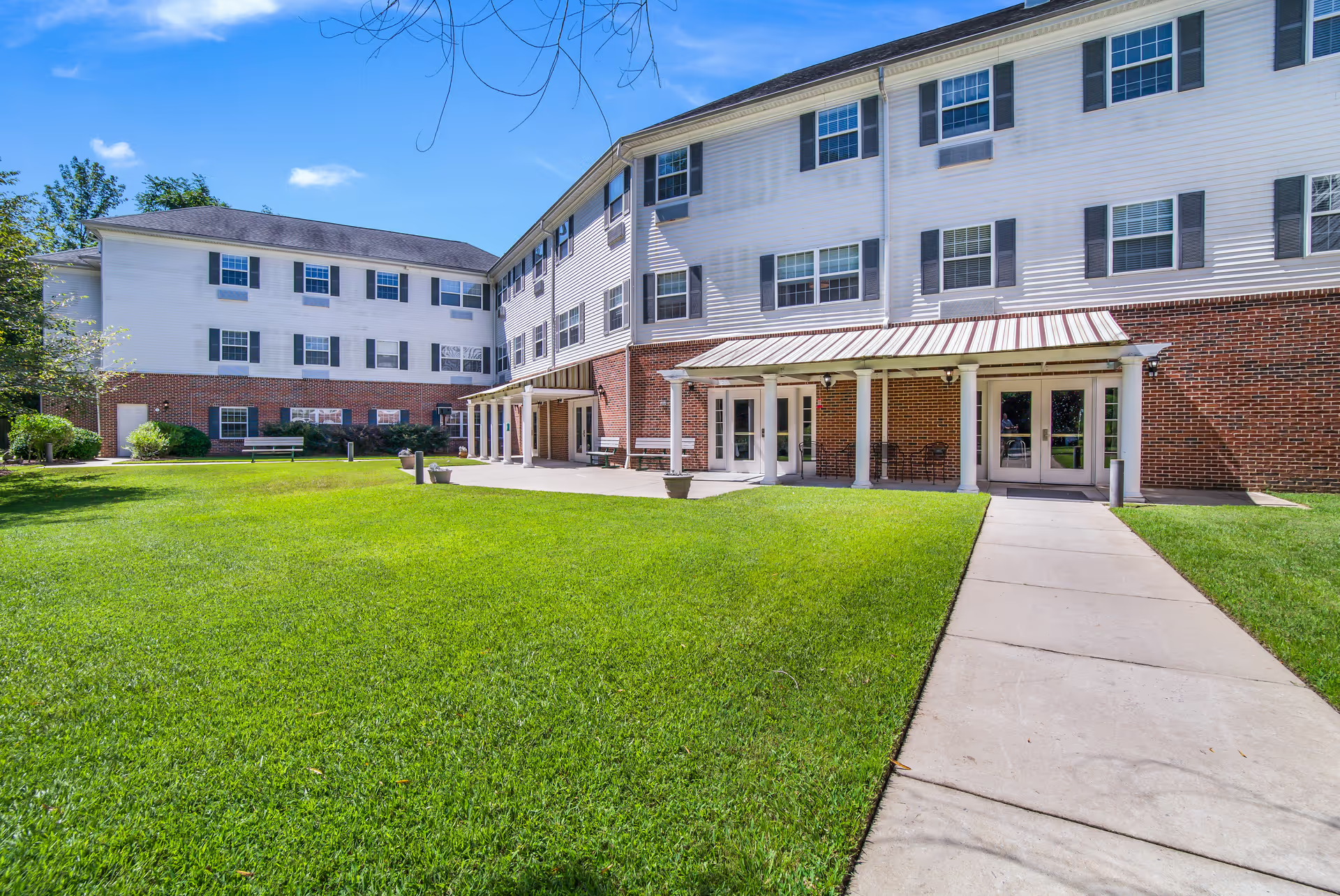
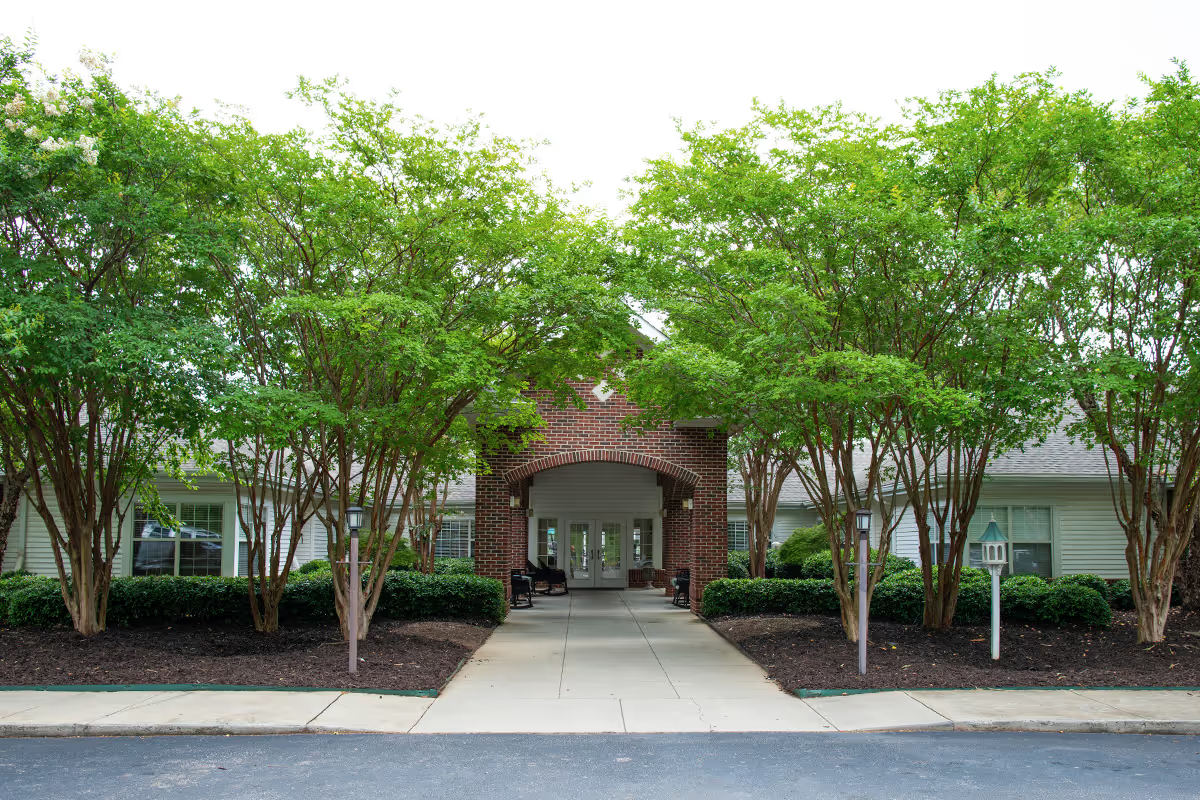
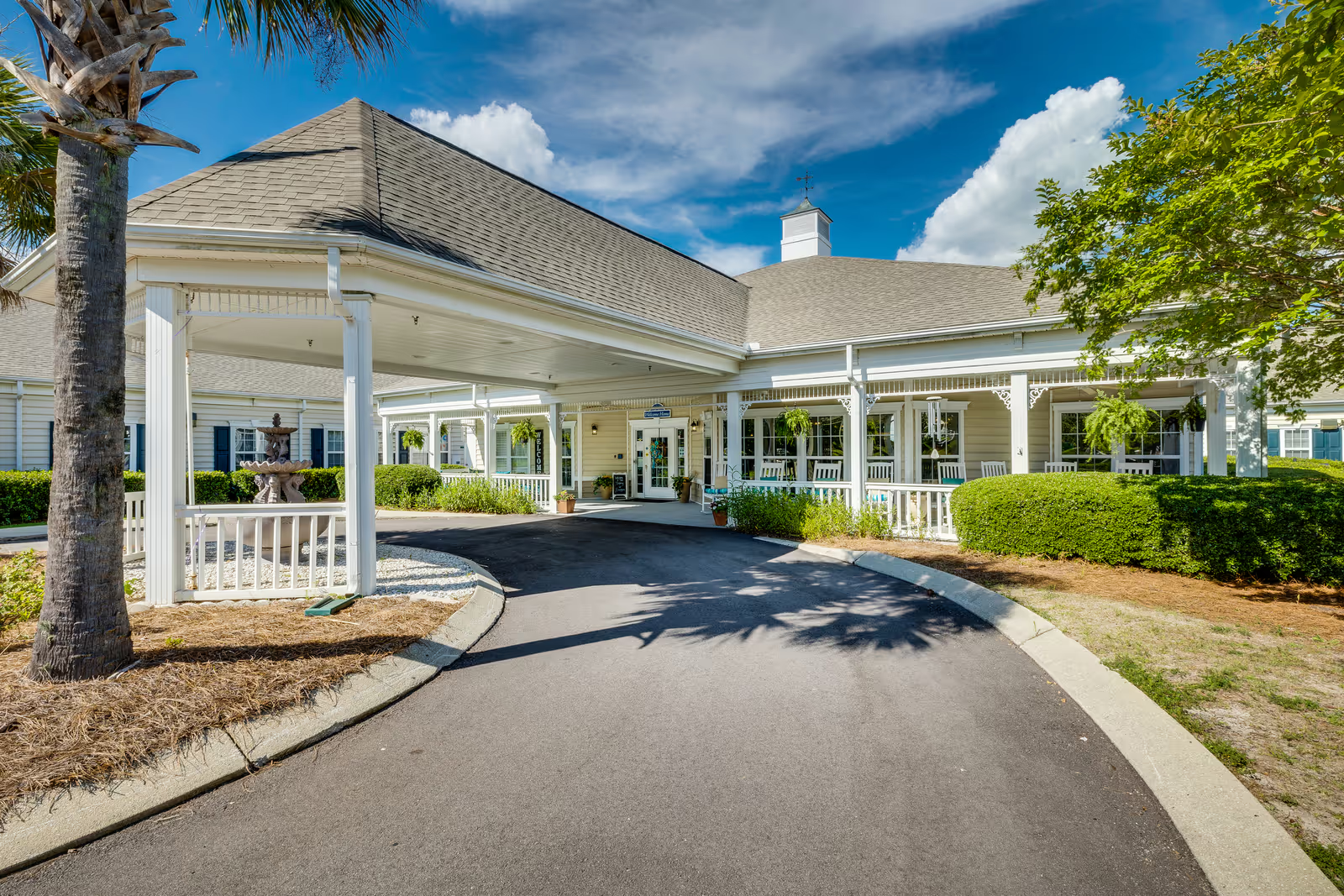
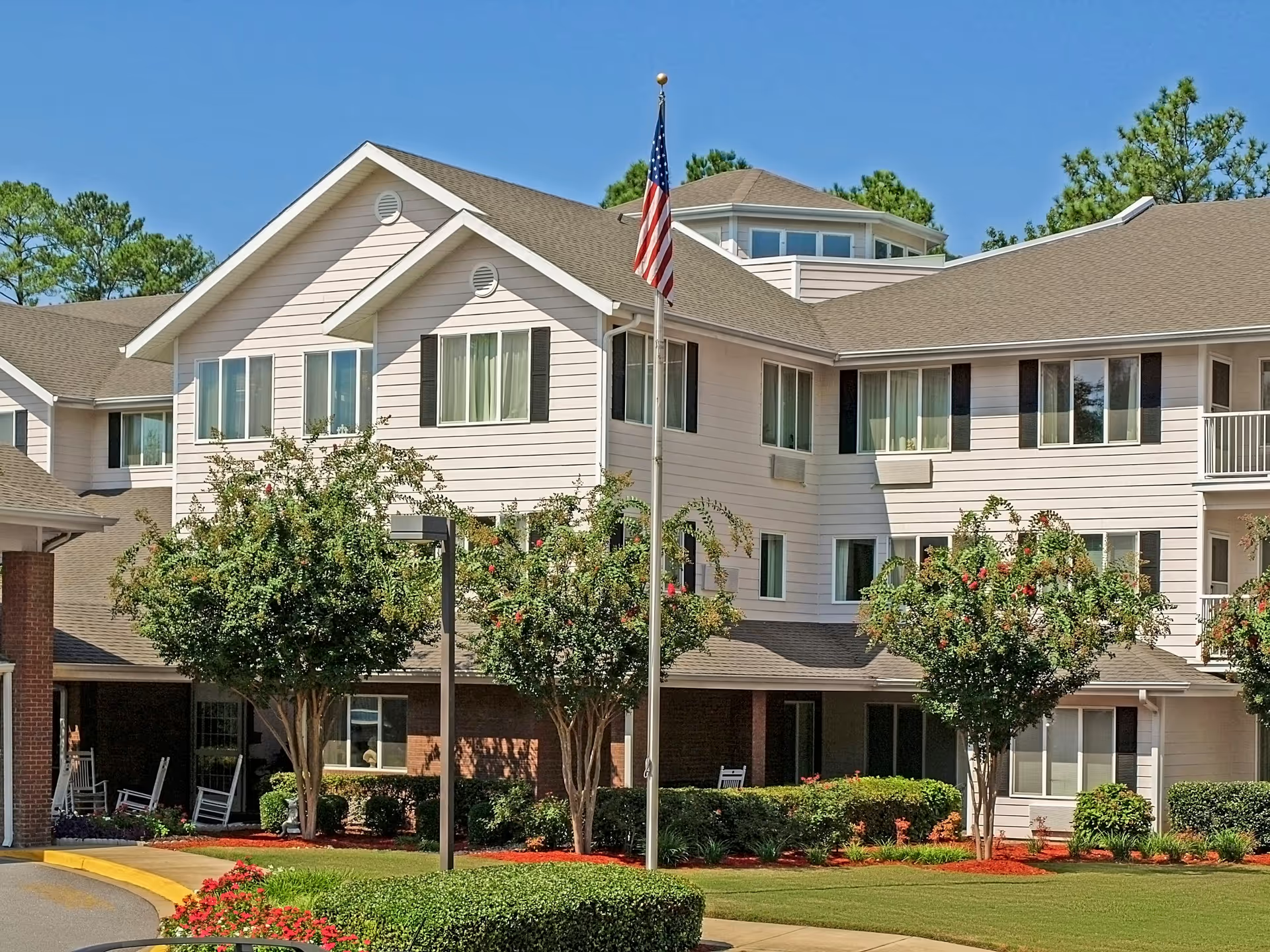
Facilities and safety: The physical environment is often described as clean, well-decorated, and appropriately designed for memory care, with features such as an enclosed central courtyard, multiple common areas, and in-room silent alarm systems. Housekeeping is praised in many accounts, though a subset of families note occasional cleanliness and maintenance inconsistencies that appear linked to staffing pressures. The facility’s small size and multiple common spaces are viewed positively for social opportunities.
Management and communication: Families commonly appreciate accessible leadership and hands-on managers; several reviewers cite quick responses to concerns. However, there are consistent notes about communication lapses during transitions (admission-day confusion), unclear upfront fee disclosures, and variable family notification around clinical events. High staff turnover and periodic ownership or management changes have been mentioned as factors that can disrupt continuity of care.
Patterns to consider: The dominant positive themes are compassionate, dementia-aware caregiving, active programming, and a well-kept physical environment. The dominant cautionary themes are operational: staffing variability that affects consistency of personal care and clinical practices; medication-administration and monitoring gaps; and intermittent communication or billing clarity issues. Prospective residents and families would benefit from an in-person tour, targeted questions about staffing ratios for the unit and shifts, medication administration protocols, and written fee disclosures. Arranging a trial visit or speaking with current family contacts can help assess whether the facility’s strengths align with an individual resident’s care needs.