Summary overview:
Reviews for Millennium Post Acute Rehabilitation present a strongly polarized picture. Positive impressions concentrate around the therapy and respiratory programs, employee onboarding, and pockets of compassionate frontline caregiving. Conversely, recurring operational concerns relate to staffing levels, responsiveness, cleanliness, safety practices, and management communication. Prospective residents and families will find evidence of both high-quality clinical rehabilitation services and systemic operational weaknesses that affect day-to-day resident experience.
Care quality and safety: Recurrent themes describe uneven clinical care. Many accounts praise the therapy teams for effective short-term rehabilitation that facilitated discharge and improved mobility; the facility also maintains a dedicated respiratory/tracheostomy and ventilator-capable unit with 24/7 respiratory support. At the same time, reviewers documented delays in attending to basic needs, medication-timing and documentation inconsistencies, pressure-injury concerns, and several incidents involving falls or transfers. These patterns suggest variability in adherence to clinical protocols and gaps in fall-prevention and wound-care follow-through across units.
Staffing, conduct, and training: Staff-related feedback is mixed. The facility receives consistent commendation for structured orientation programs, engaged trainers, and individual staff members who demonstrate compassion and go beyond assigned duties. However, chronic staffing shortages and high turnover were cited repeatedly and are linked to long wait times for assistance, inconsistent personal-care routines, and uneven staff professionalism. Morale and communication issues were also described, including reports of defensive or abrupt behavior from some supervisors and inconsistent information provided to families.
Dining and activities: Therapy and activities programming are frequently noted as strengths; reviewers referenced regular events, weekly celebrations, and an active schedule that residents and new staff found engaging. Dining feedback is inconsistent: some reviewers appreciated plentiful options, while others reported cold or stale meals, small portions, and insufficient assistance for residents who require help with feeding. Nutrition-service continuity and meal-assistance protocols appear to vary by unit and shift.
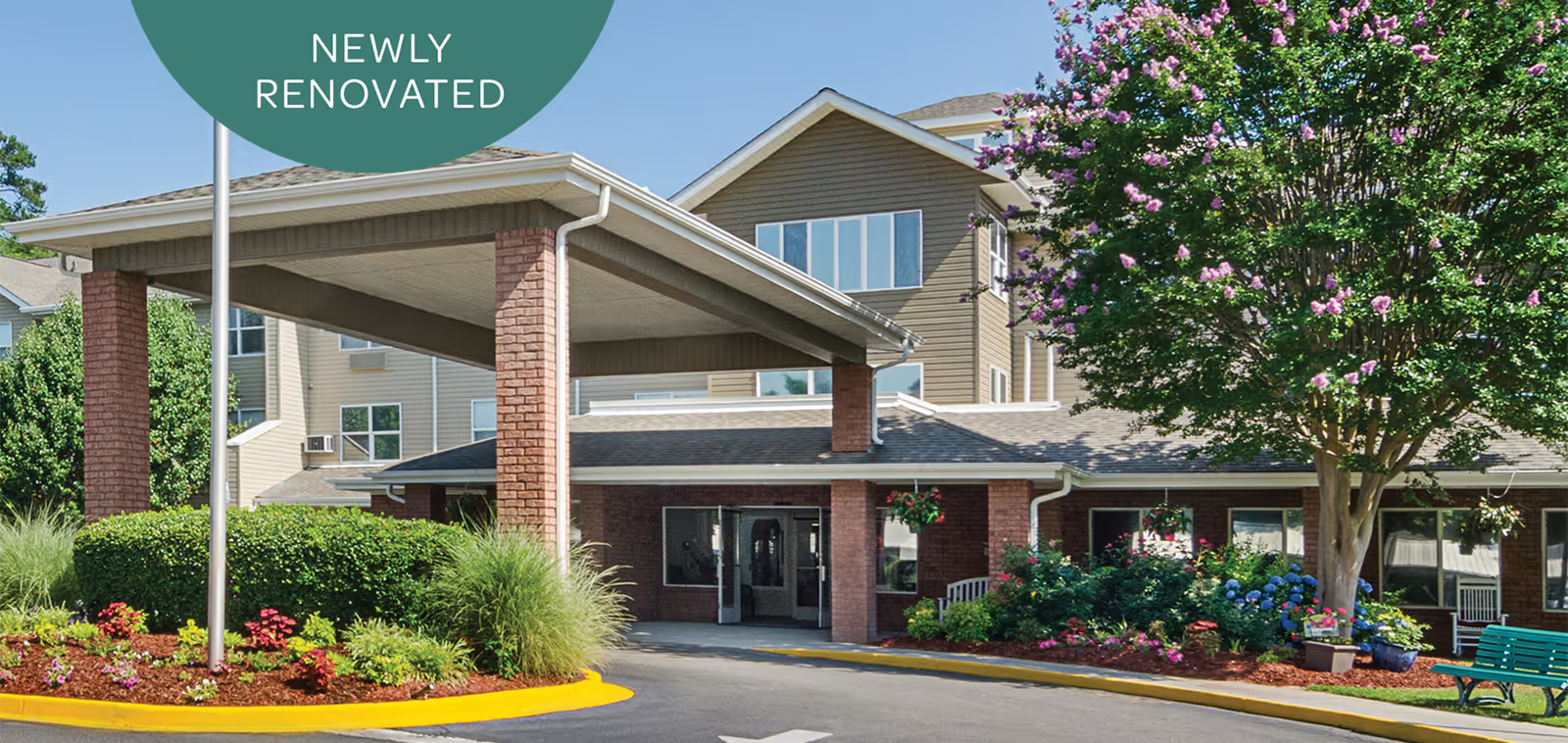
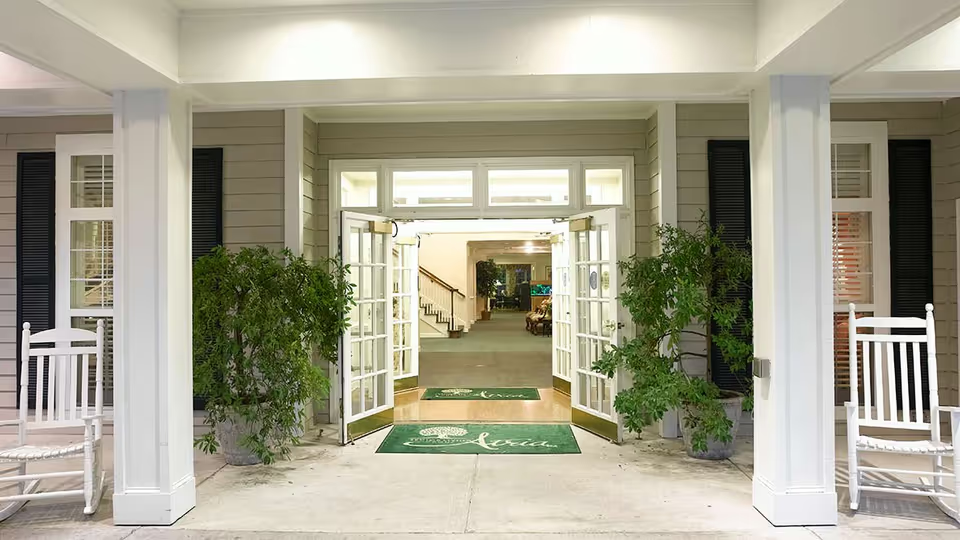
Facilities, housekeeping, and safety compliance: Physical plant observations are mixed. Portions of the facility and therapy areas are described as well-designed and comfortable, and renovations/updates have been underway. At the same time, several reviewers raised sanitation and housekeeping inconsistencies, delayed laundry return, odor concerns in common areas, and visible maintenance issues. Some reports referenced halted renovation work and specific safety-code concerns, indicating a need for clearer maintenance prioritization and timely resolution of environmental hazards.
Management, communication, and administrative processes: Leadership and administrative perceptions vary considerably. Positive comments highlight accessible HR, informative onboarding, and approachable leaders in certain departments. Conversely, many families described difficulty reaching leadership, inconsistent discharge-planning (including delays or missing DME), billing or records-management errors, and inadequate post-discharge coordination. There are also mentions of restrictive payer/contract constraints affecting placement options. A limited number of reviews included serious allegations, including claims of clinical malpractice and concerns about the integrity of online reviews; these would warrant formal follow-up by regulators or family advocates.
Notable patterns and recommendation guidance: Two clear patterns emerge: a consistently strong therapy/respiratory program and structured staff orientation, and recurring operational weaknesses tied to staffing, responsiveness, sanitation, and management communication. Families considering Millennium should weigh the facility's rehabilitation and respiratory capabilities against reports of inconsistent basic-care delivery and administrative challenges. If choosing this facility, prospective residents and families should ask targeted questions about current staffing ratios on the intended unit, fall-prevention protocols, wound- and medication-management procedures, housekeeping schedules, and oversight of ongoing maintenance or renovations. Regular, documented care plans and proactive communication commitments from leadership can help mitigate many of the issues described in these reviews.