Reviews reflect a mixed but actionable picture of clinical and operational performance at the facility. Many families praise the clinical side of care: nurses, CNAs, and therapists receive positive comments for skill and effectiveness, and short-term rehabilitation and outpatient services are frequently described as producing good functional outcomes. Caregivers are commonly characterized as friendly and encouraging, and several accounts highlight an engaged administrator and a family-like nursing culture.
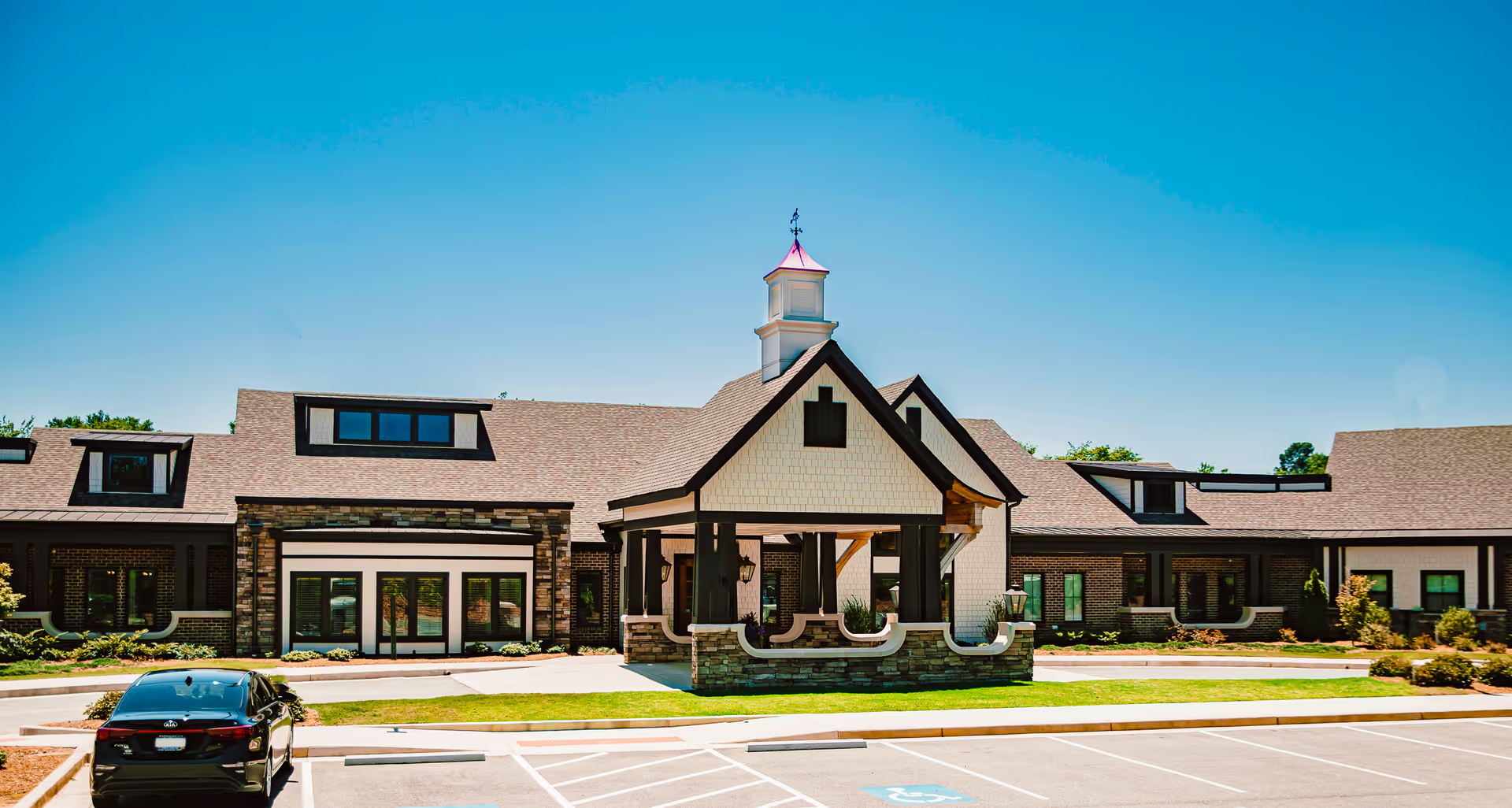
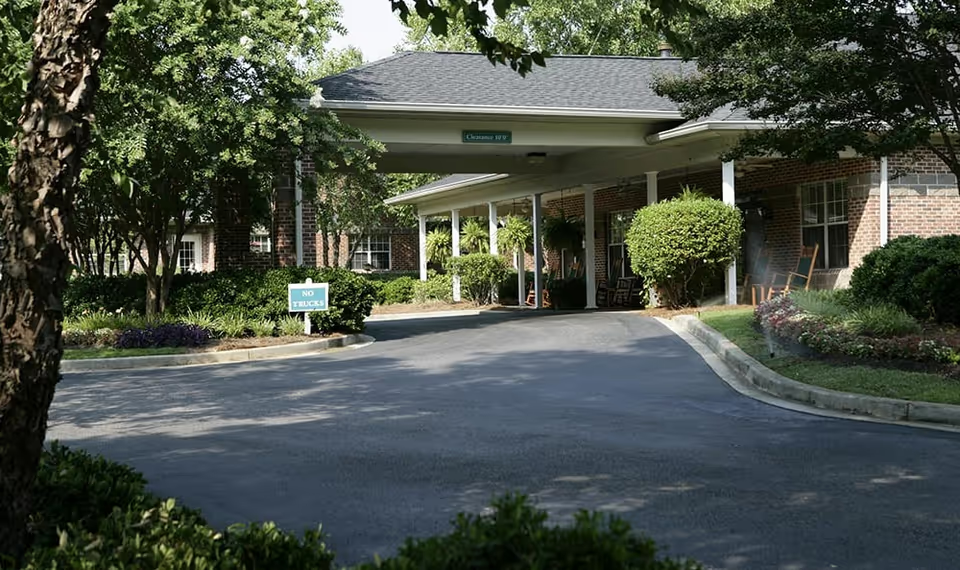
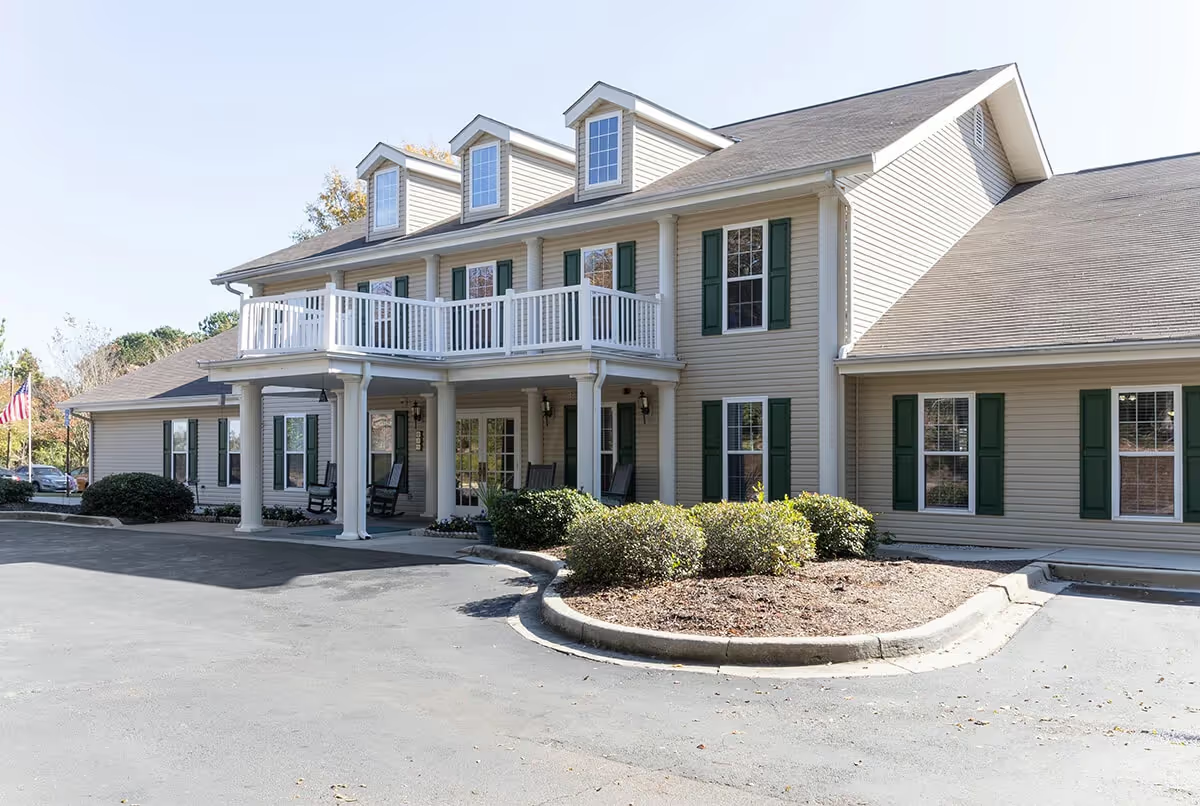
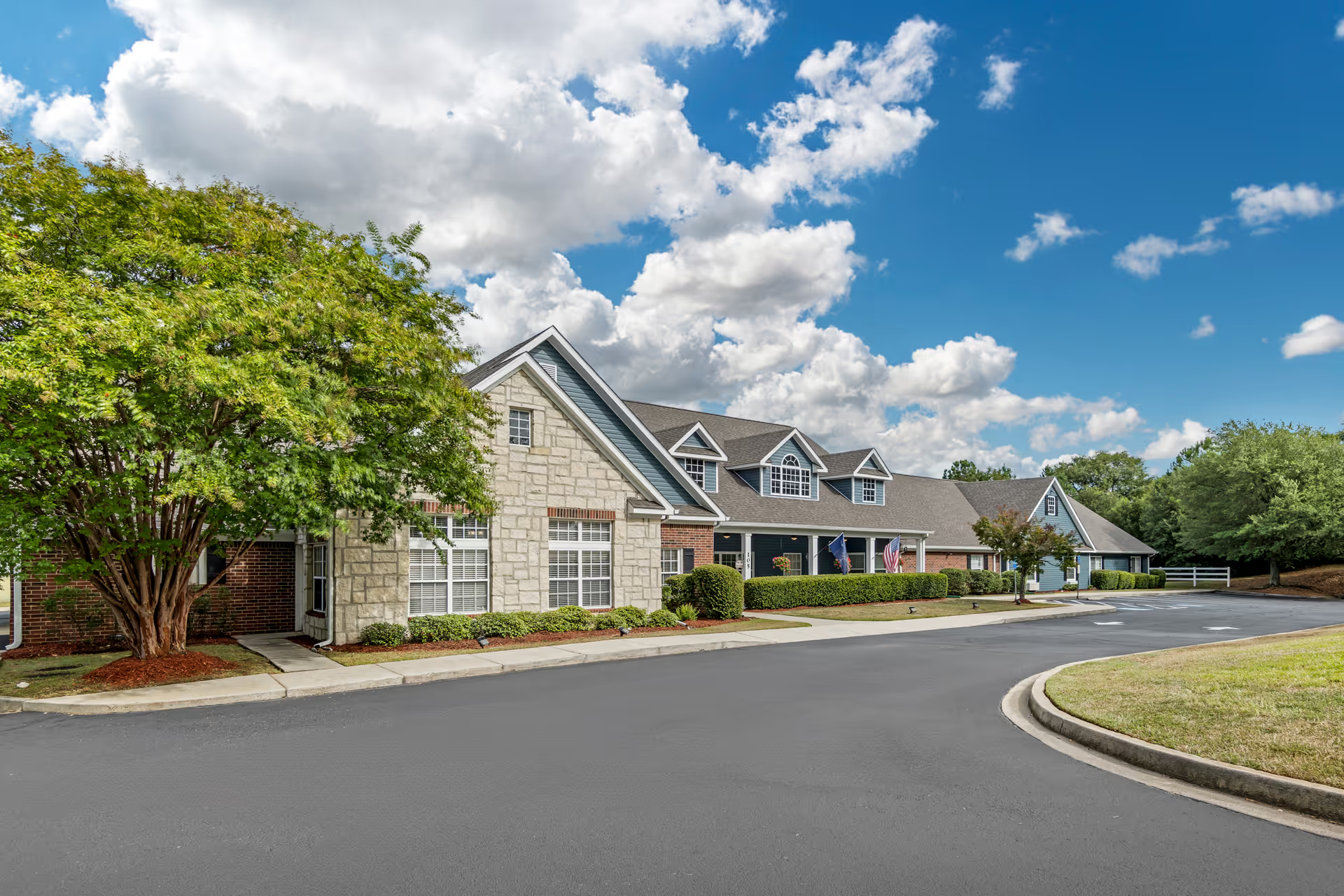
On the environment and supportive services, reviewers note a generally clean, well-maintained facility and satisfactory meal quality. While explicit commentary on social programming and activities is limited in the available summaries, the rehabilitative focus and positive therapy outcomes suggest attention to active recovery and therapy-driven engagement for short-stay residents.
However, a number of operational concerns recur. Several reviewers describe capacity-related pressures and what they perceive as staffing strain; this is linked to reports of delays in bedside assistance and inconsistent attention to personal-care needs. Communication and admission coordination are reported as inconsistent — families mention difficulties getting timely updates, missed calls or texts, and variably helpful admissions staff. Those considering placement should anticipate the need for proactive family communication and clear expectations at intake.
More serious are concerns around medication management. There are allegations involving a missed or improperly documented dose of a high-risk medication and an associated state-level inquiry, along with disputes over electronic medication-pack handling. These items point to vulnerabilities in medication processes and documentation, and they underscore the importance of asking the facility for current medication-safety protocols, audit results, and any corrective actions taken. Prospective residents and families should weigh the documented strengths in therapy and daily caregiving against these operational and communication gaps, and consider targeted questions during tours and admissions to clarify staffing ratios, medication safeguards, and family-update practices.