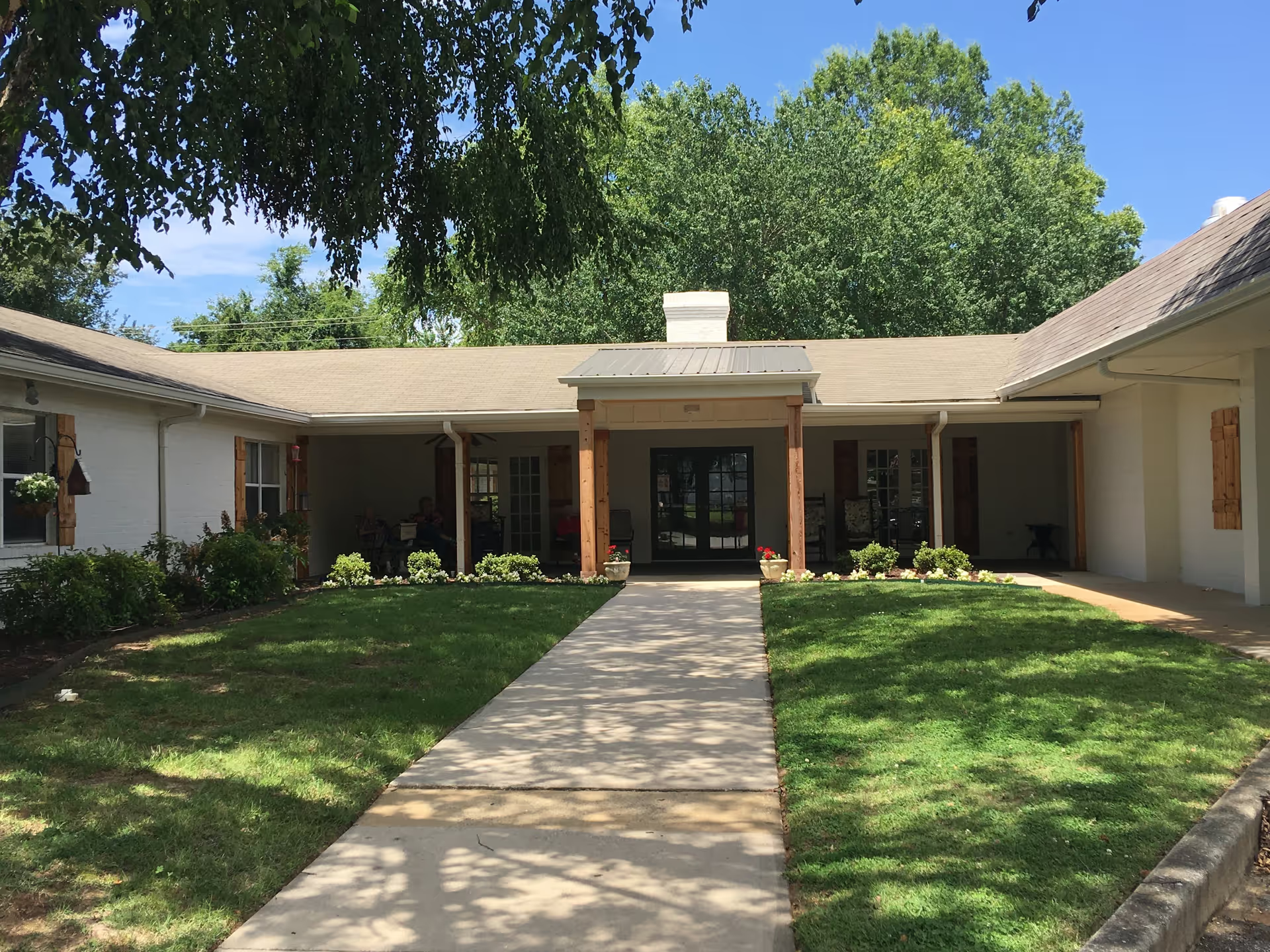
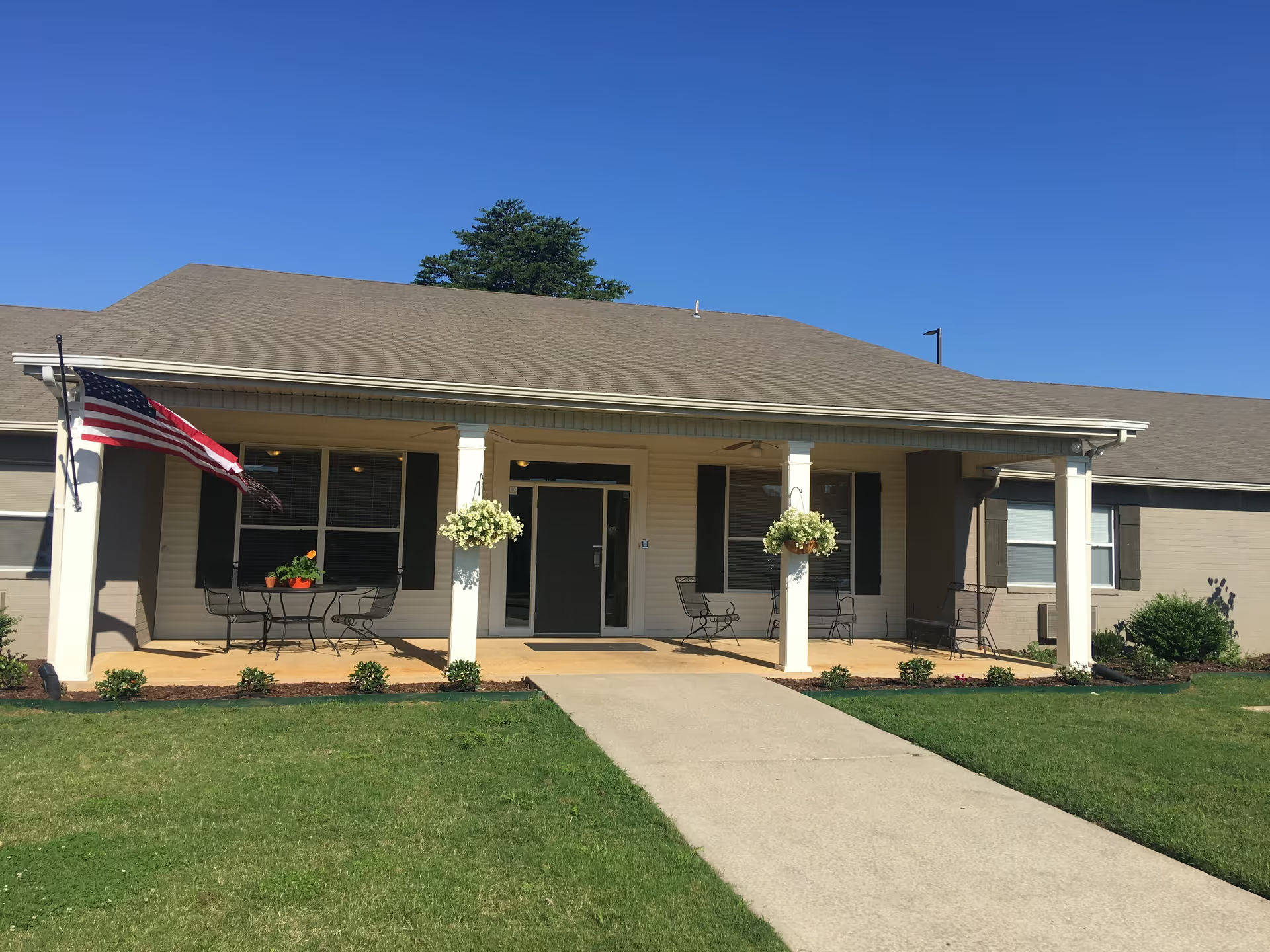
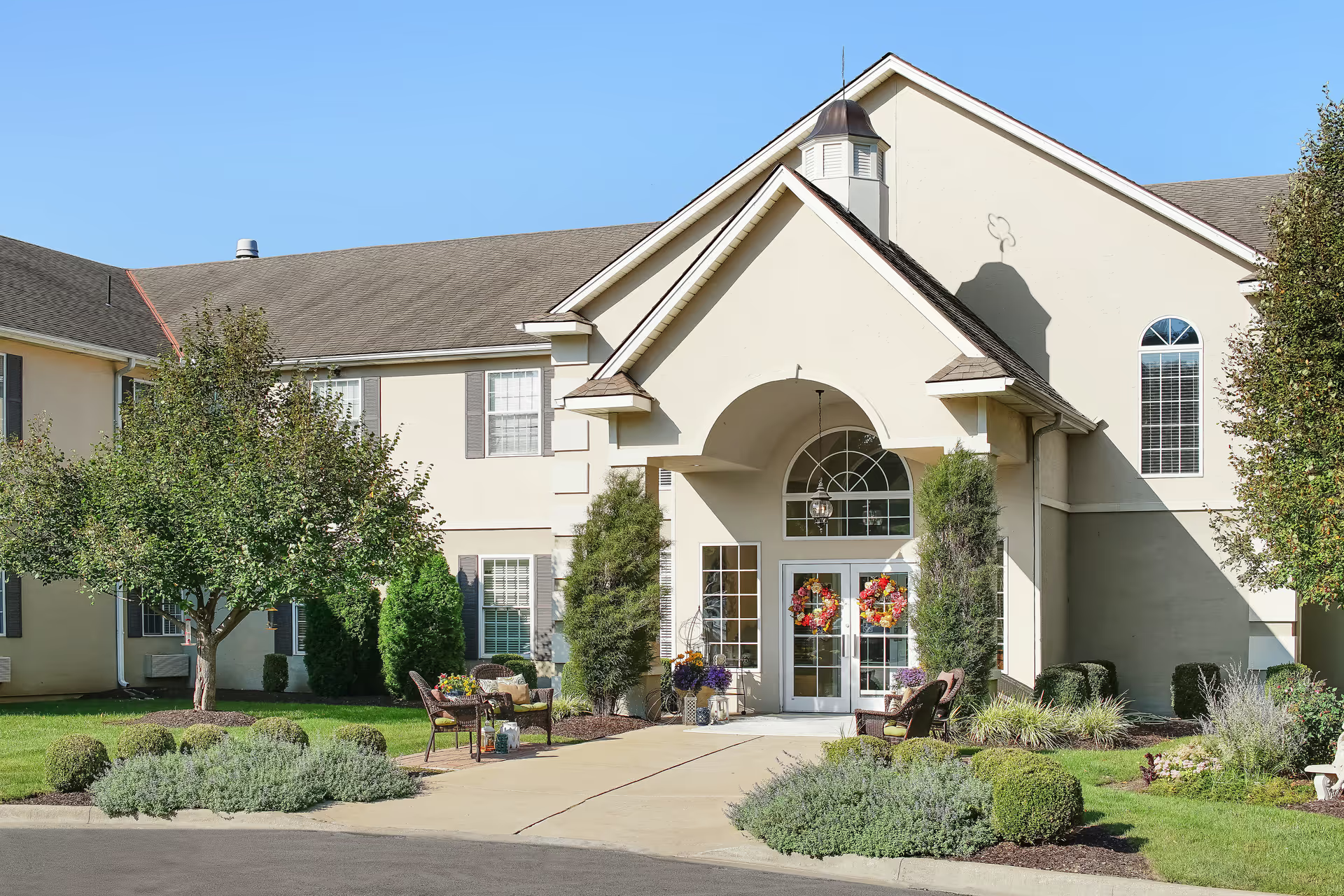
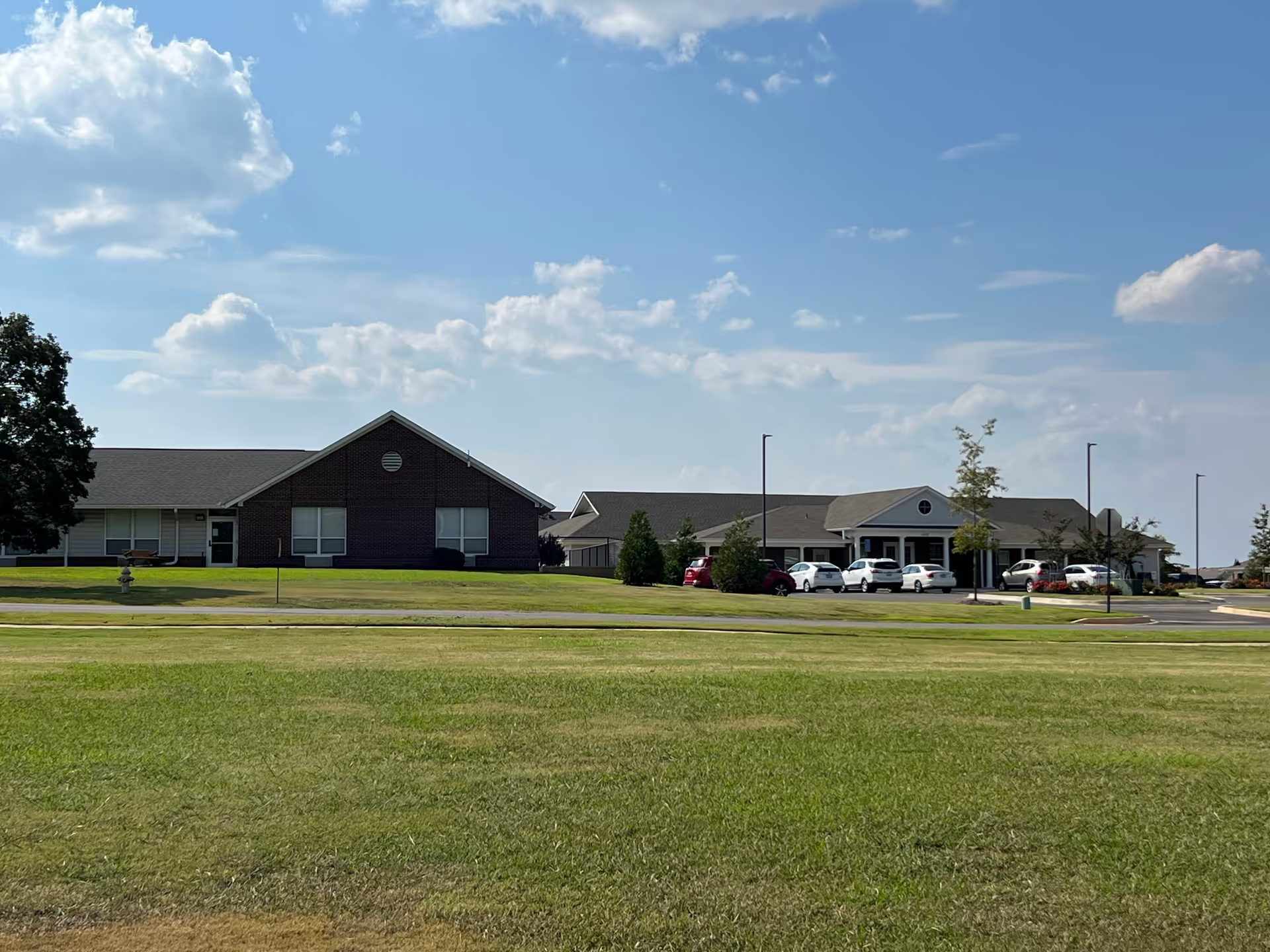
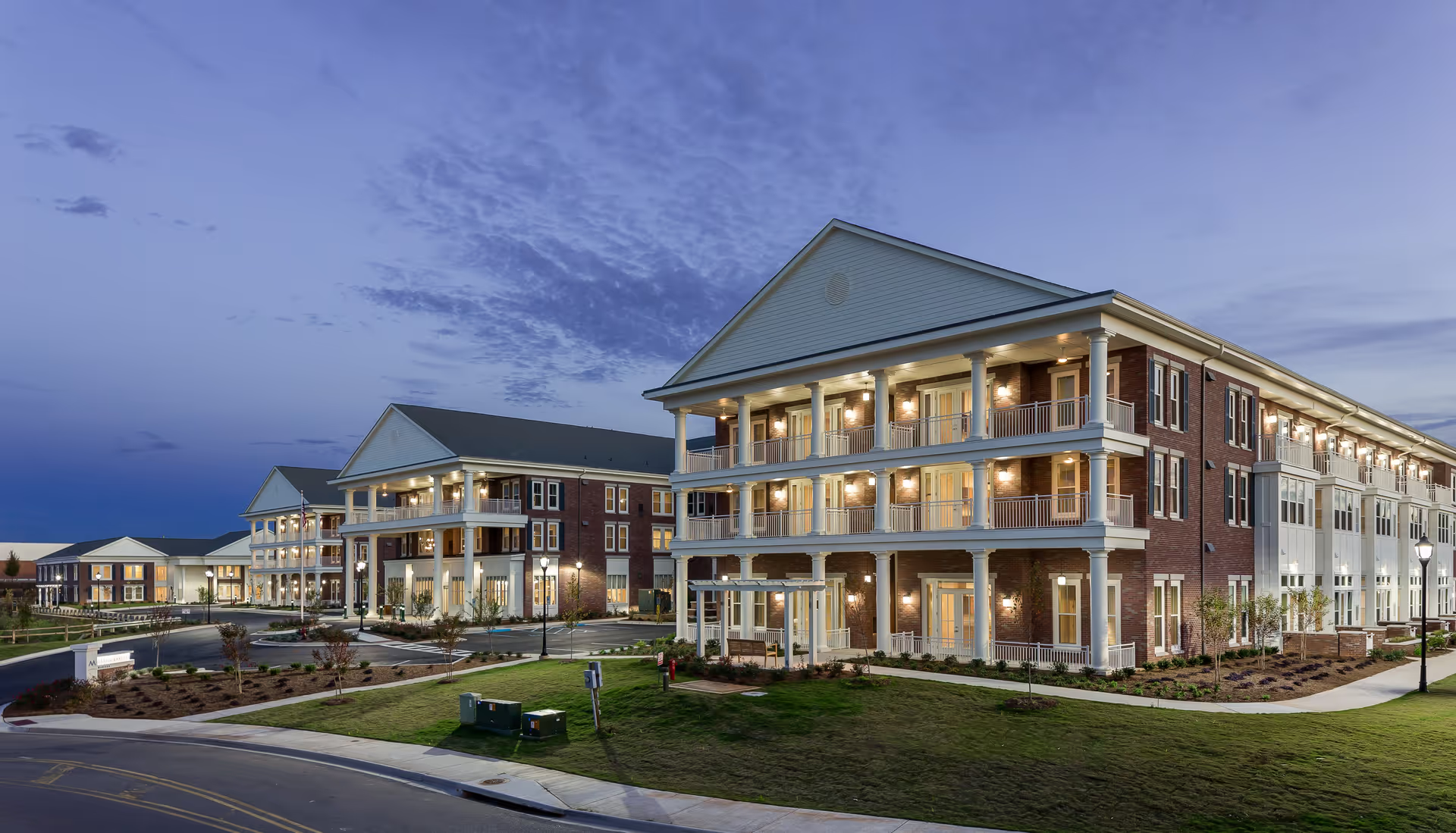
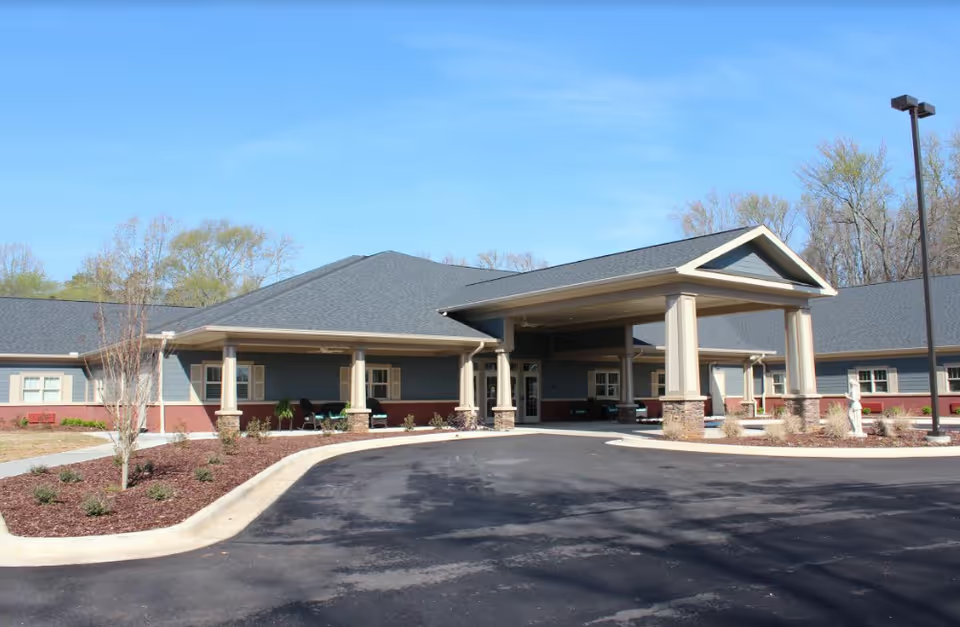
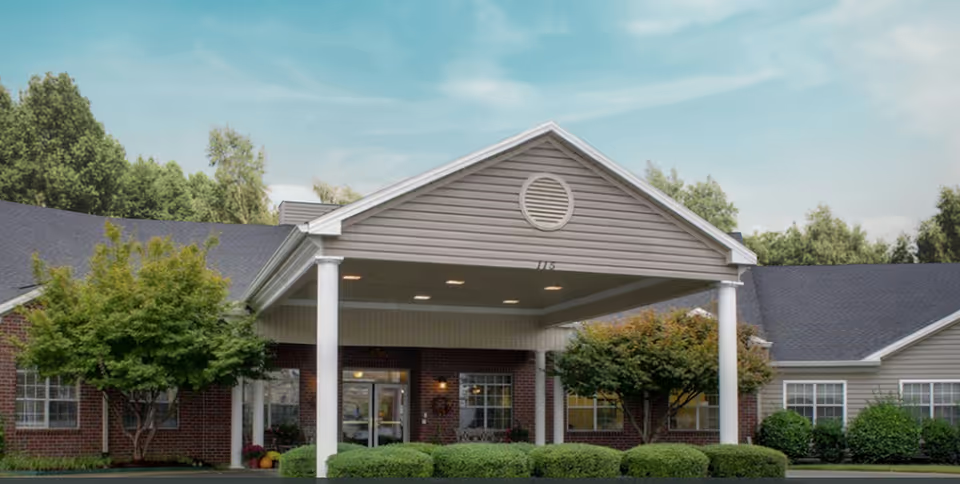
Family accounts of Elk River Health and Nursing Center describe a facility with clear strengths alongside substantive variability in care and operations. Positive comments highlight a team of compassionate nurses, attentive caregivers, and a well-regarded therapy department that many families credit with functional improvement. The facility has invested in a new building that multiple reviewers described as clean, modern, and more comfortable; that newer space appears to provide a markedly different experience than older areas of the campus.
Care quality is described unevenly. Numerous families praised individual staff members for responsiveness, timely medication delivery, and personalized attention; therapy and rehabilitation services received consistent positive feedback for being thorough and effective. At the same time, other accounts raise serious operational concerns: delayed assistance for residents in need, gaps in bathing and incontinence-care routines, and episodes where families perceived care reliability to be poor. These recurring themes point to variability in staffing levels and consistency of daily assistance rather than uniform practice across the facility.
Dining and activities are generally viewed favorably where noted. Several people enjoyed meals and social programming such as game nights and pet visits, and reviewers gave specific praise to staff who organized engaging activities. However, others described limited amenities and fewer activities in some areas, suggesting that recreational programming and amenity availability may differ by unit or based on staffing resources.
Facility and safety observations are mixed. The new building received repeated positive commentary for cleanliness and layout. Conversely, reviews referencing older parts of the facility described cleanliness and odor-control issues, as well as at least one serious maintenance concern involving exposed wiring; that account raised questions about facility maintenance and safety oversight. There are also concerning references to infection-control outcomes, including a review that described a substantial COVID-19 outbreak with multiple resident fatalities, which prospective families should treat as an important point for verification and discussion with facility leadership.
Management and communication emerge as another area of variability. Several families praised helpful front-line staff and an organized admissions experience, whereas others reported confusing admissions communications, voicemail loops, delayed or conflicting updates, and at least one report alleging failure to notify a family about a resident's death. There are mentions of leadership changes and new policies that some families found disruptive while others saw as positive improvements. Taken together, these patterns suggest ongoing transition and differing experiences depending on timing and staff assignments.
Recommendations for prospective residents and families: tour both the newer and older sections, ask for current staffing ratios and how the facility covers peak needs, request details on infection-control protocols and recent outbreak history, review maintenance and safety inspection records, and clarify the facility's family-notification and incident-reporting procedures. Given the mix of strong therapy and caring staff alongside operational inconsistencies, direct observation and specific questions will help assess whether this facility meets an individual resident's clinical and safety needs.