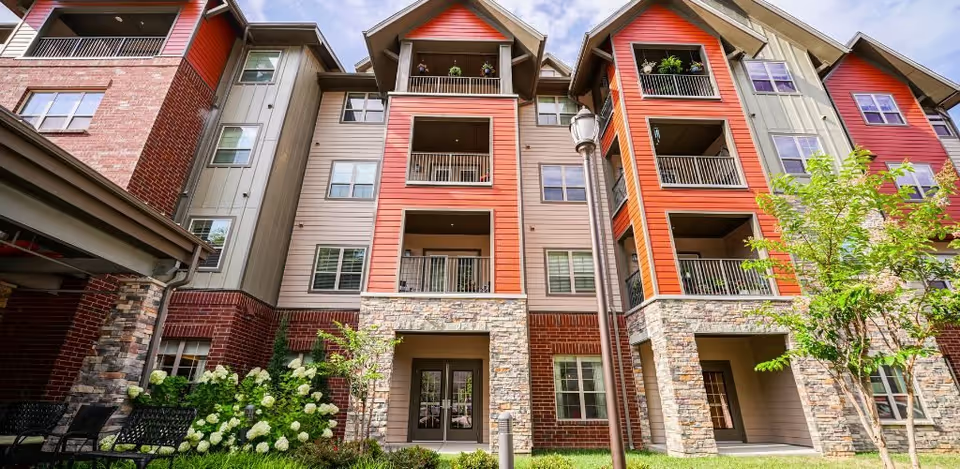
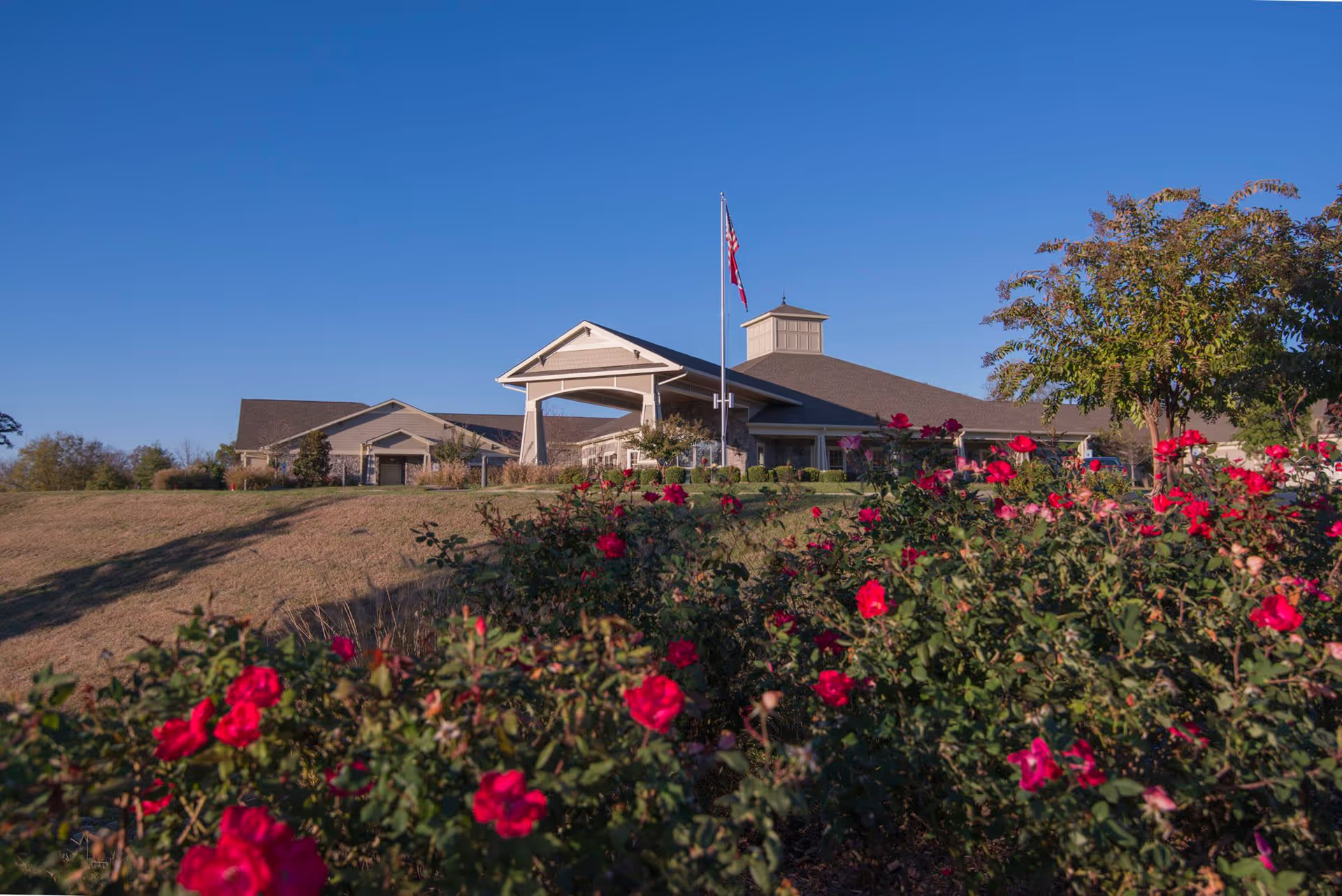
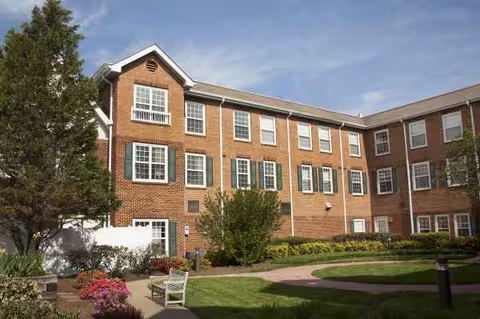
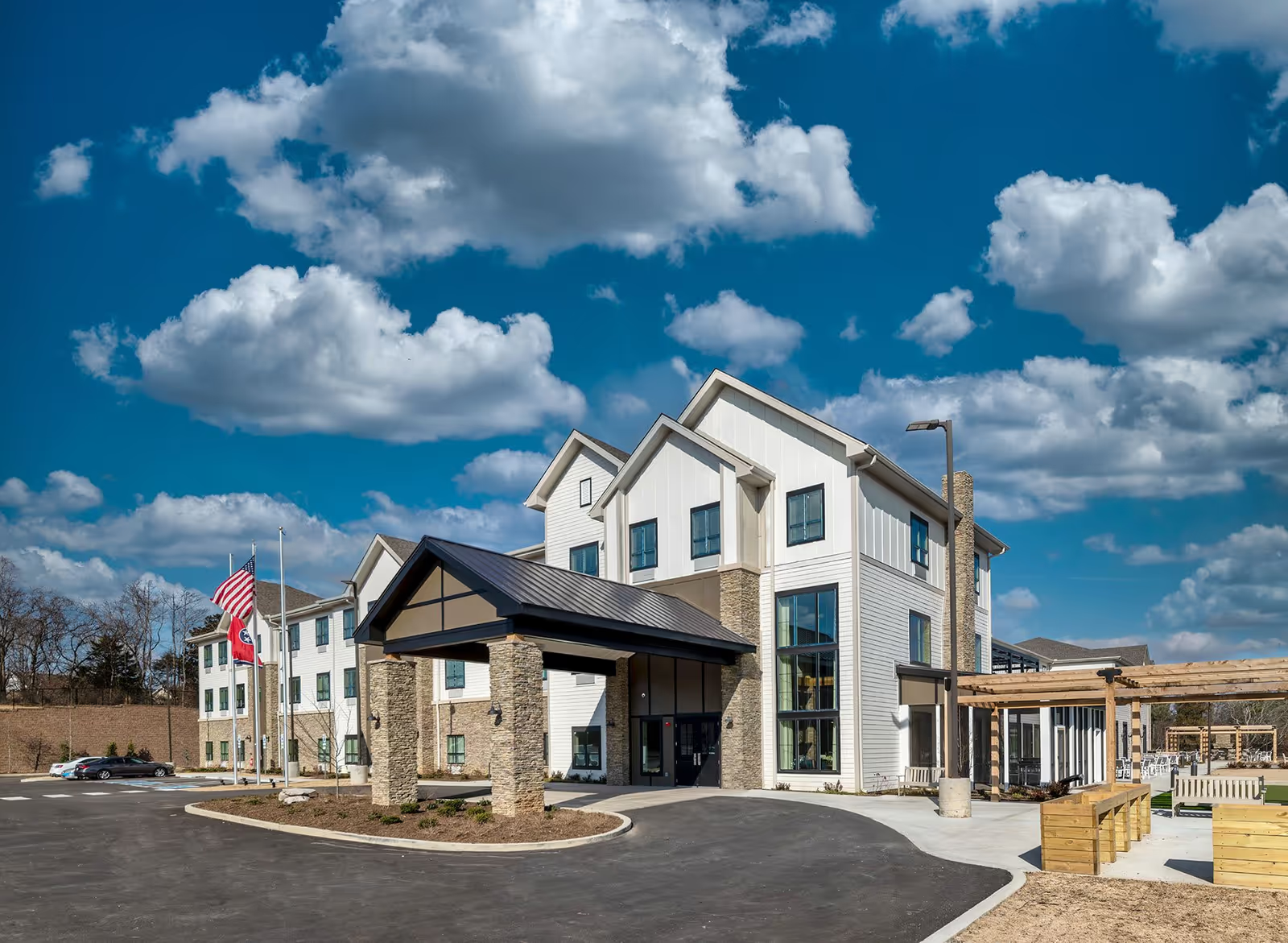
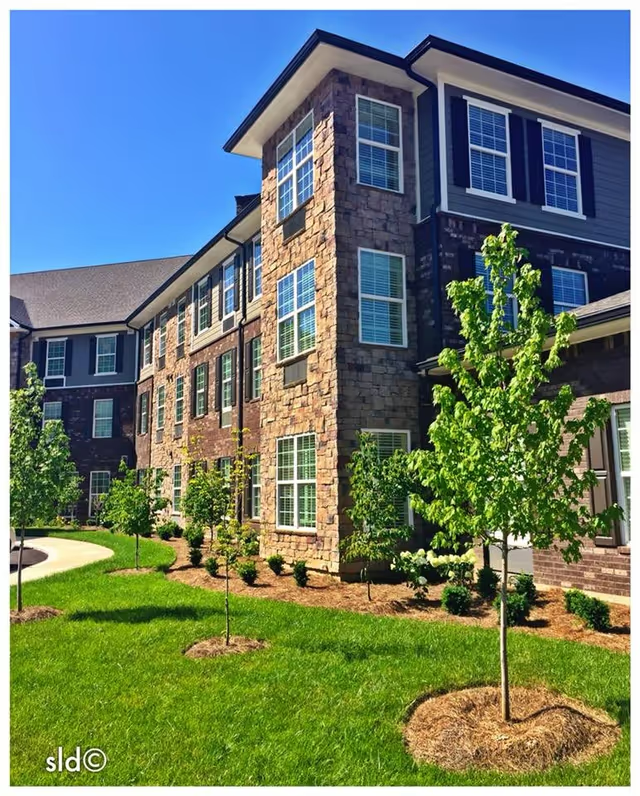
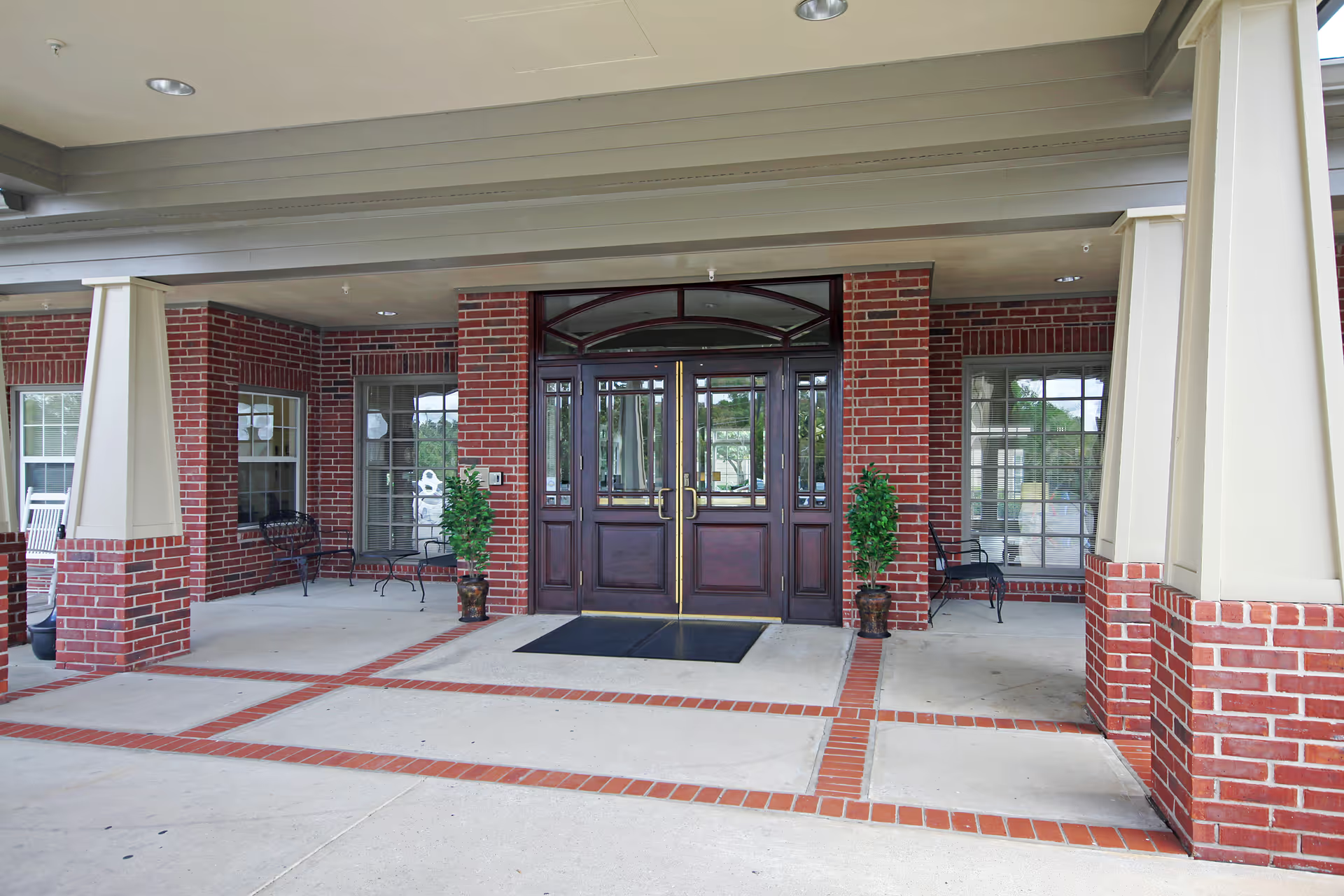
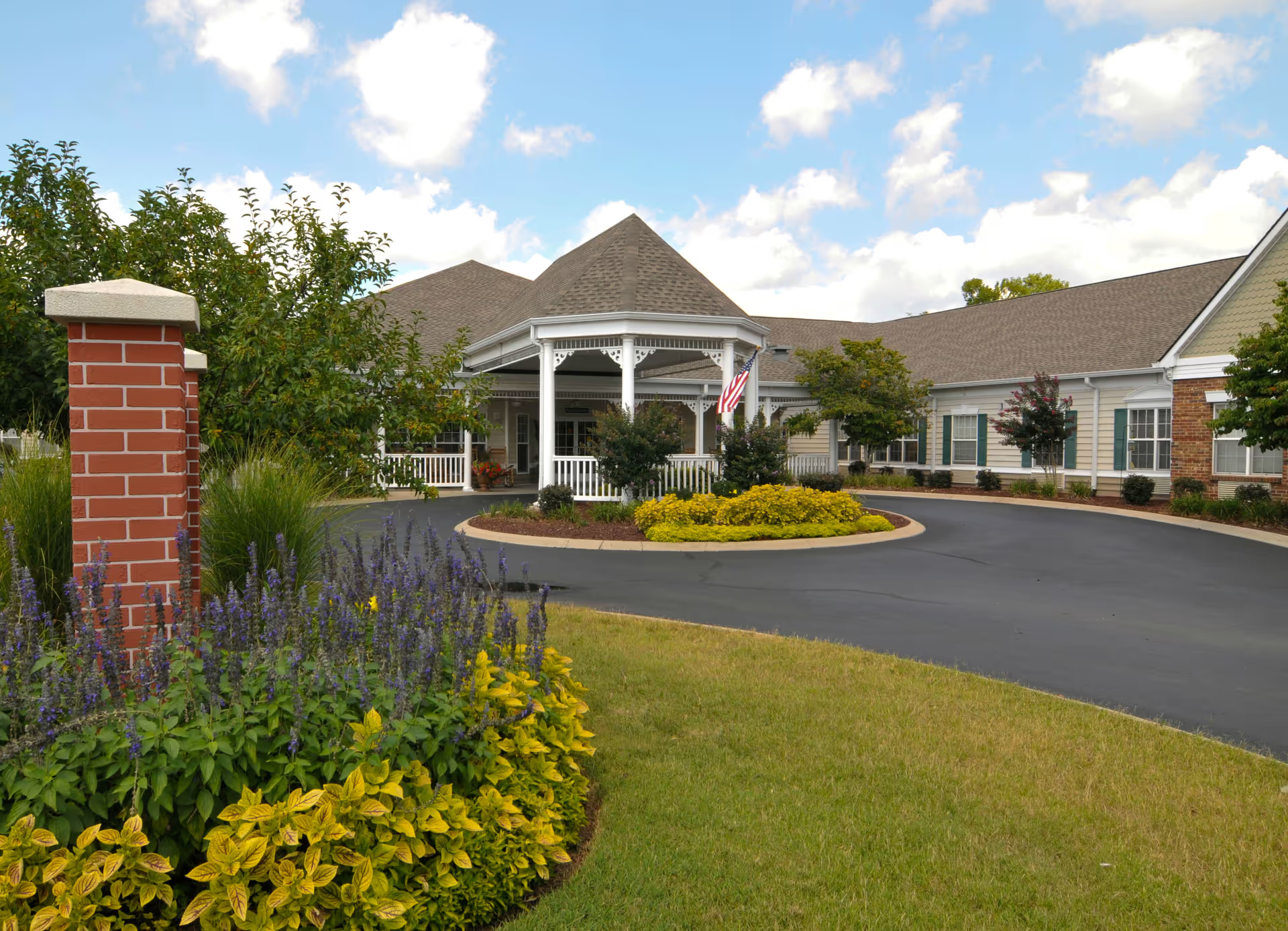
The Heritage at Brentwood presents as a premium, full-service retirement campus with many features families commonly seek: a large, park-like property, upscale apartments and villas, multiple dining venues (including a Chef's Table), a broad activity calendar, on-site clinical services, and an articulated life‑care model with return-of-capital provisions. Many residents and families praise the culinary quality, the variety of programs (art classes, Glee Club, fitness), the convenience of on-site services (salon, clinic, physical therapy, market), and the all-inclusive aspects of certain pricing plans that cover meals, housekeeping, maintenance, and transportation. The campus layout and amenities — indoor pool, exercise room, walking trails — support an active lifestyle and social engagement for independent residents.
Dining and programming are recurring strengths in the reviews: multiple reviewers emphasize high food quality, varied menus, and a robust calendar of activities that foster community and mental stimulation. Transportation services and on-site clinical capacity are also noted positively; families appreciate the convenience of clinic access, prescription delivery, and escorted transportation to local appointments and shopping. The facility’s continuum-of-care promise and life-care contract language are often cited as a key reassurance for families concerned about long-term needs.
At the same time, a consistent pattern of operational concerns appears across accounts. Clinical and medication-management processes are an area of significant apprehension for some families — examples include delays in prescription handling, inconsistent physician availability, and occasional disorganization around discharge or follow‑up. Staffing is uneven: many reviewers commend individual caregivers for warmth and dedication, yet others describe understaffing in assisted-living and memory-care areas, high turnover, and visible training gaps. These staffing issues correlate with reports of inconsistent service quality and difficulties for residents who require more hands-on care.
Service coordination and management practices drew mixed reactions. Several reviewers described constructive, helpful front-line teams and responsive security personnel; others encountered dismissive management interactions, billing inconsistencies, and service availability differences between building wings (for example, access to certain amenities or salon services). Activity coordination and reminder systems were also cited as needing improvement in order to better support residents who require prompts or structured schedules. Finally, cost and value are recurring considerations: the community positions itself at the higher end of the market, and several families felt the financial commitment should be weighed carefully against the observed variability in staffing and clinical follow-through. A small number of reviews included serious allegations regarding financial conduct; prospective residents should treat such claims as items to investigate directly with management and regulators.
For prospective residents and families, the pattern is clear: the Heritage at Brentwood offers many upscale amenities, strong dining and social programming, and a comprehensive campus with clinical services — features that appeal strongly to independent and socially active seniors. However, those evaluating assisted-living or memory-care placements should assess current staffing levels, medication-management protocols, and day‑to‑day activity coordination during a visit. Requesting copies of staffing ratios, medication administration policies, sample bills, and the residency agreement (including the return-of-capital terms) will help clarify whether the community’s operational practices align with its premium positioning and your family’s care expectations.