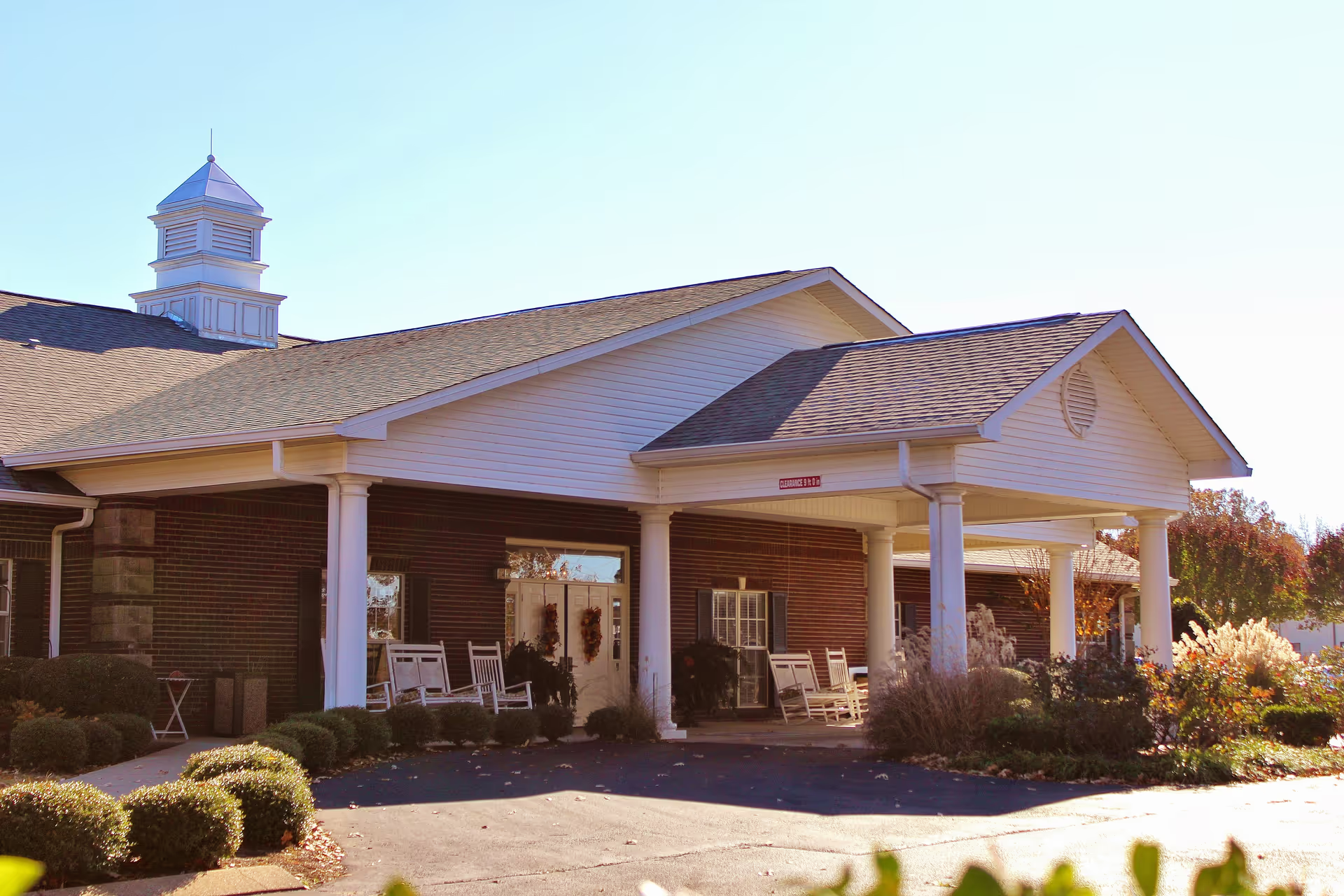
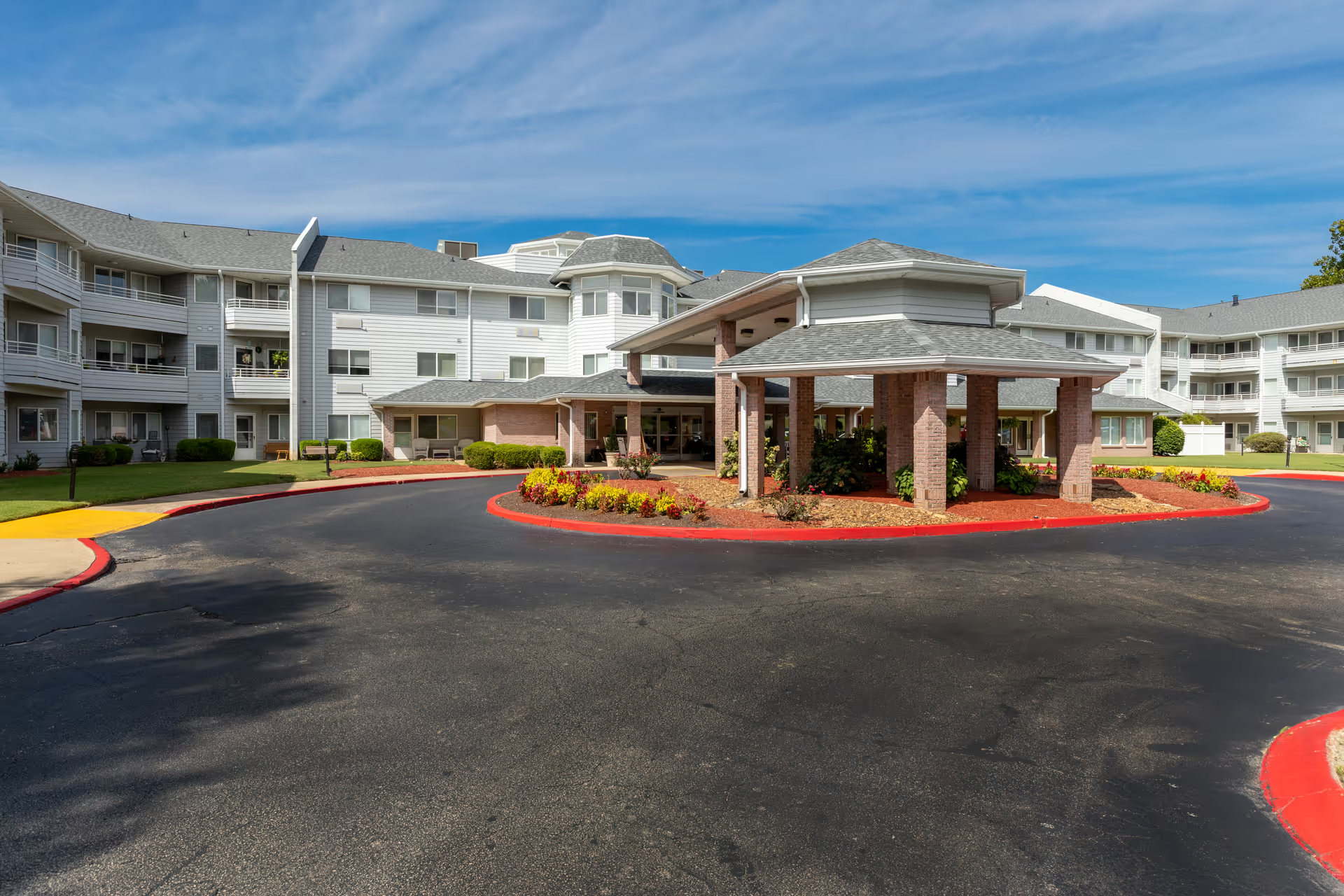
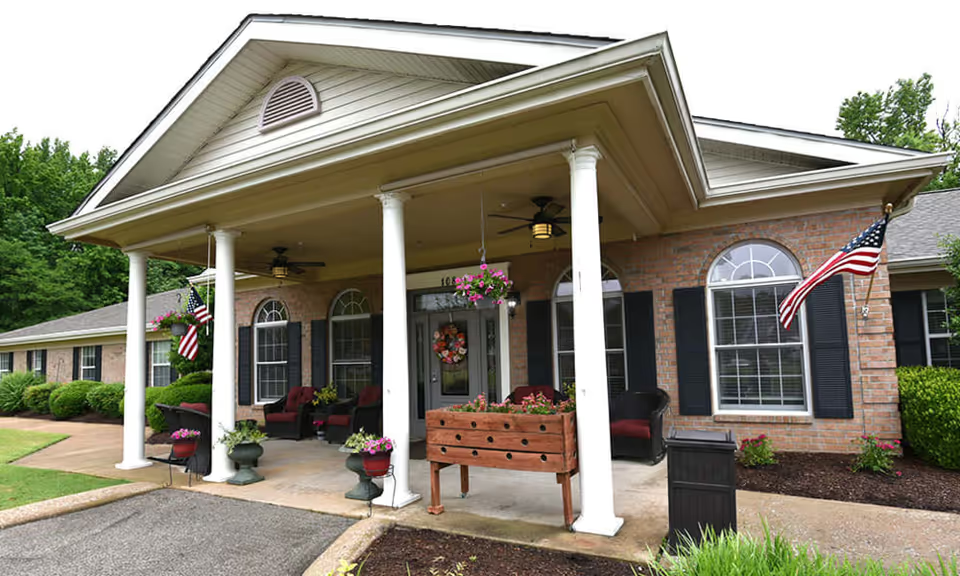
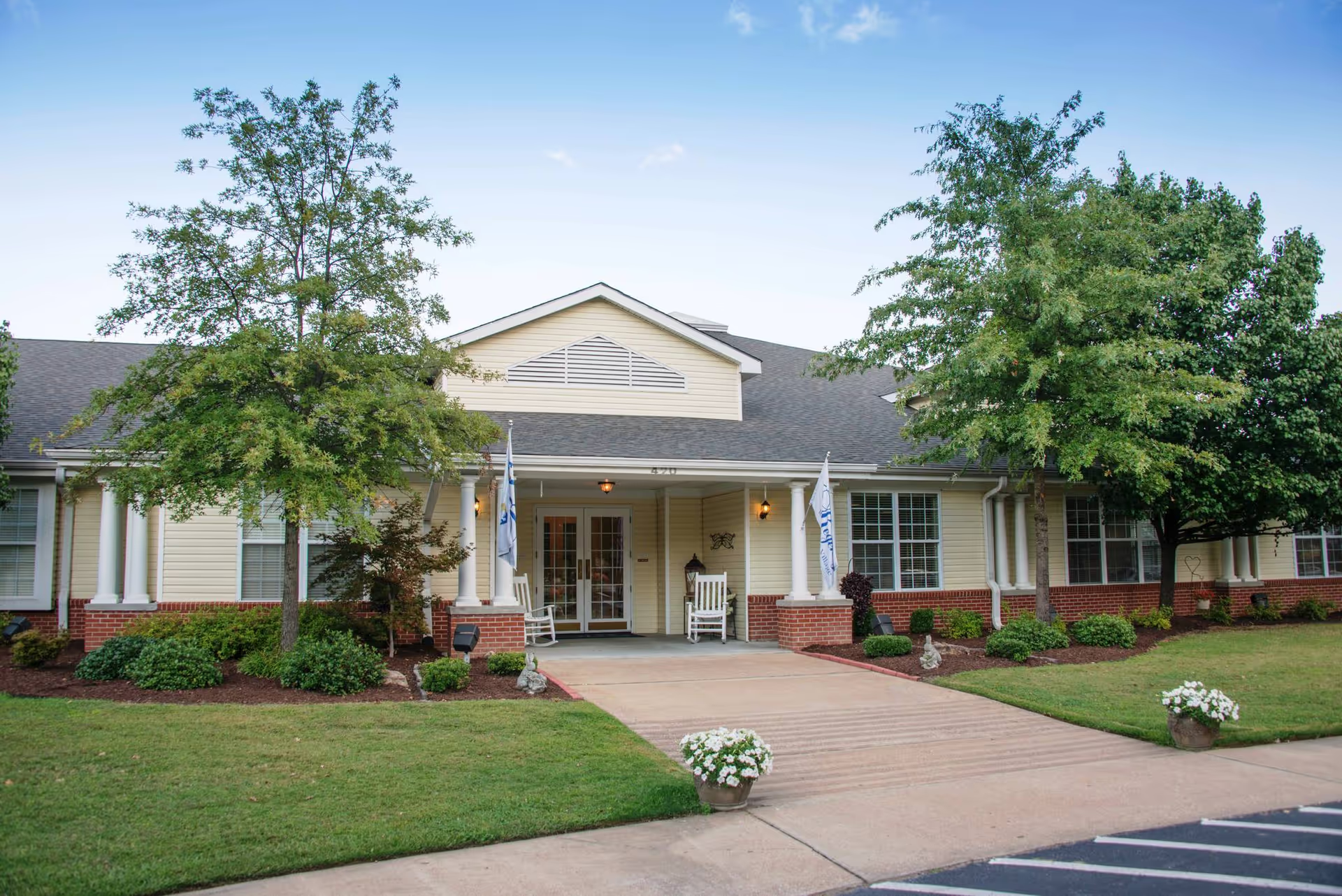
Reviewers present a mixed picture of Haywood Post Acute. Positive comments emphasize strong clinical rehabilitation, a clean and professional facility atmosphere, and friendly, caring staff — particularly during weekdays and within the therapy team. Several families praised the administrator and leadership, and others described effective short-term rehab outcomes and overall satisfaction for some long-term stays.
Care quality appears uneven across shifts. Weekend staffing and skill levels are a recurrent concern; weekday CNAs and therapy staff are frequently characterized as attentive and effective, while weekend coverage is described as less consistent and less experienced. These patterns suggest staffing and training variability that affects day-to-day care continuity. Related operational issues include delays in responding to call systems and gaps in supervision that reviewers connect to safety and clinical escalation concerns.
Dining and nutrition accounts are mixed. Some reviewers describe meals as "on point" and well-presented, while others report inconsistent meal delivery, food left uneaten, and interruptions to dining continuity. These observations point to operational variability in meal-service execution and tray/room-delivery practices rather than a single systemic menu issue. Activities programming is similarly split: some families report plenty of engaging activities, while others perceive a lack of meaningful options, indicating inconsistency in programming or differences between units.
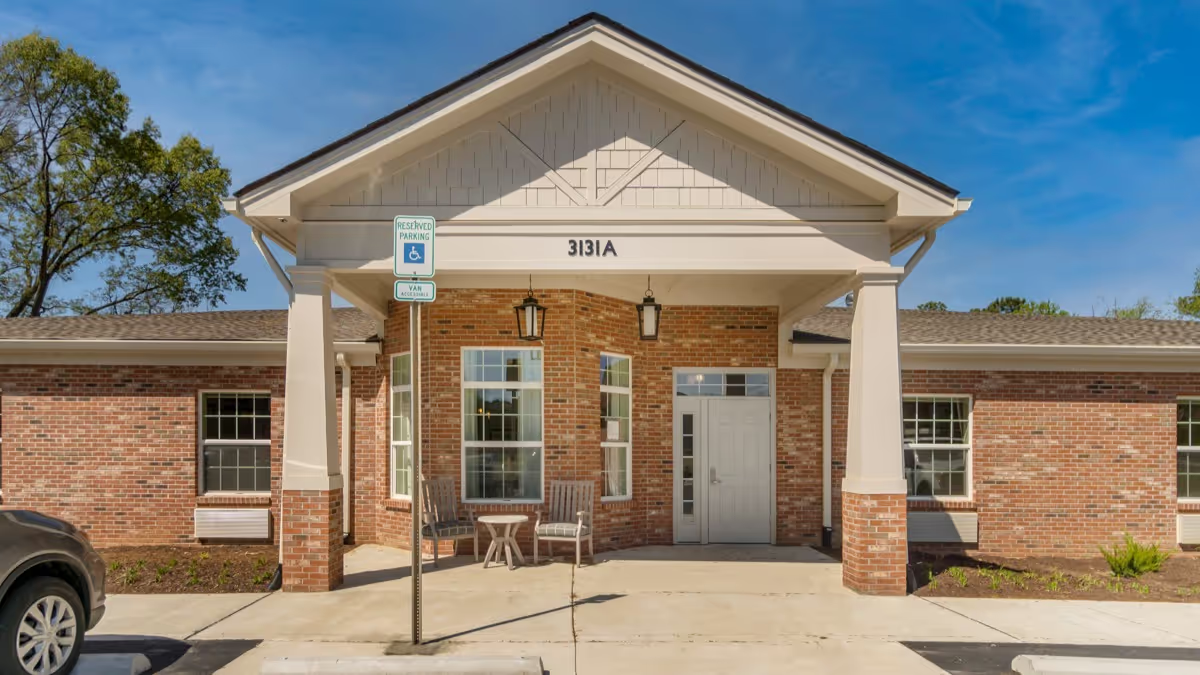
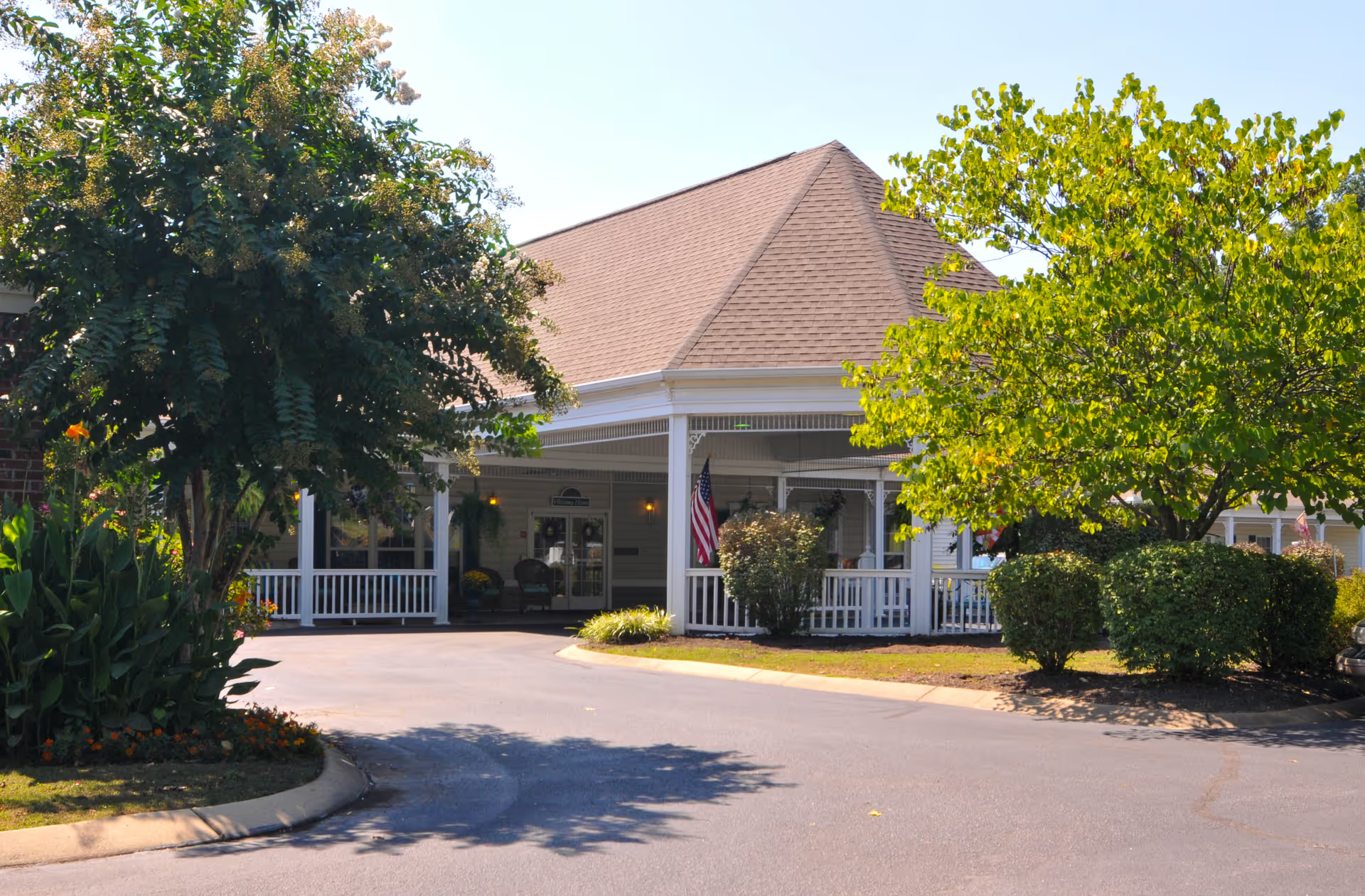
Facility environment and management receive generally positive remarks: the building is described as clean and professional, and the leadership/administrator is often commended. However, several reviewers raise concerns about marketing accuracy and memory-care placement, suggesting that advertised services or unit-level designations may not match residents' experiences. There are also serious individual claims, including alleged incidents of resident mistreatment and clinical deterioration requiring hospital transfer; these accounts raise questions about incident response protocols, hydration and clinical monitoring, and family communication following adverse events.
Taken together, the pattern is one of strong clinical and rehabilitation capability under certain conditions (notably weekday staffing and therapy involvement) combined with operational inconsistencies—especially on weekends, in supervision, meal service continuity, and memory-care placement accuracy. Prospective residents and families should weigh the facility's demonstrated strengths in therapy and leadership against variability in staffing, weekend coverage, and communication. For families considering placement, targeted questions about weekend staffing ratios, staff training, incident escalation procedures, meal-delivery processes, and how memory-care needs are evaluated and honored would help clarify whether the facility's operational practices meet their expectations.