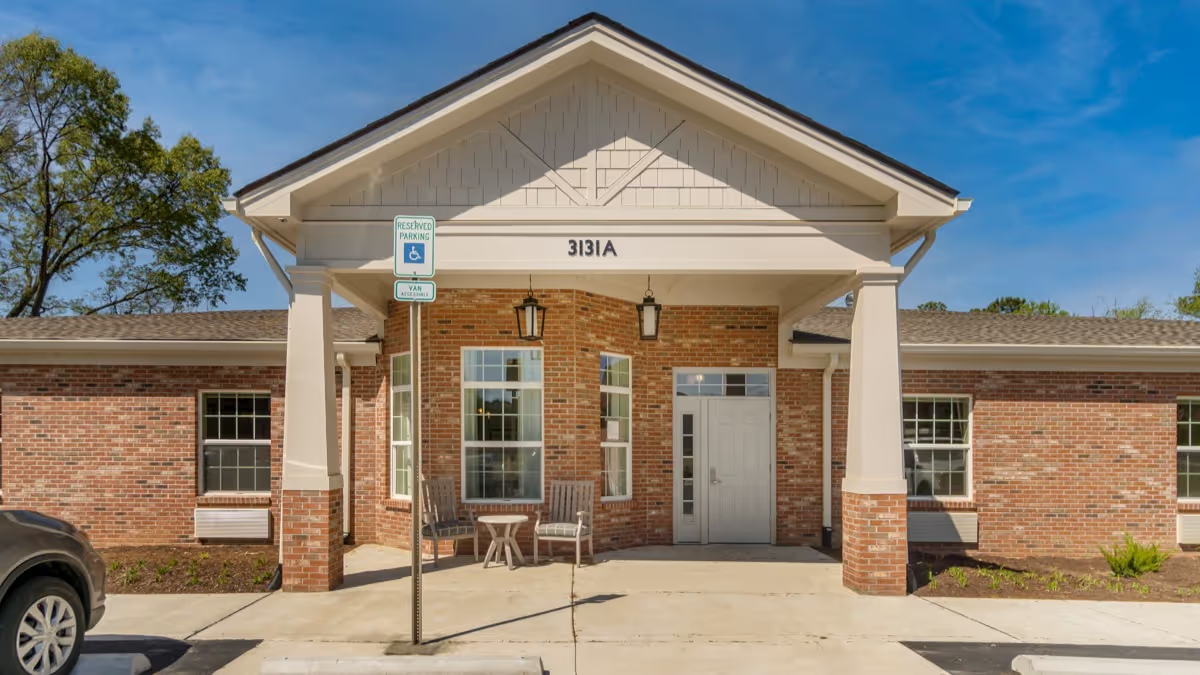
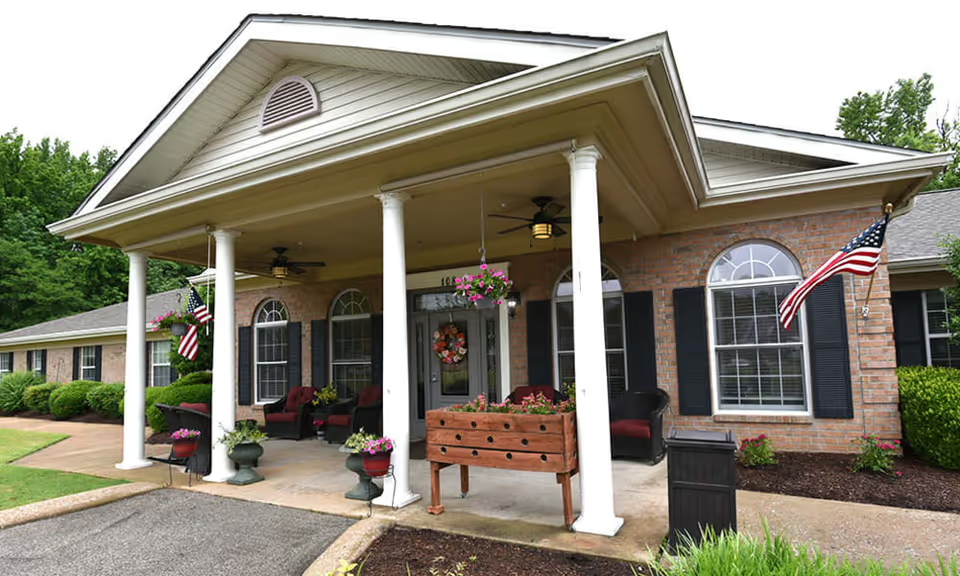
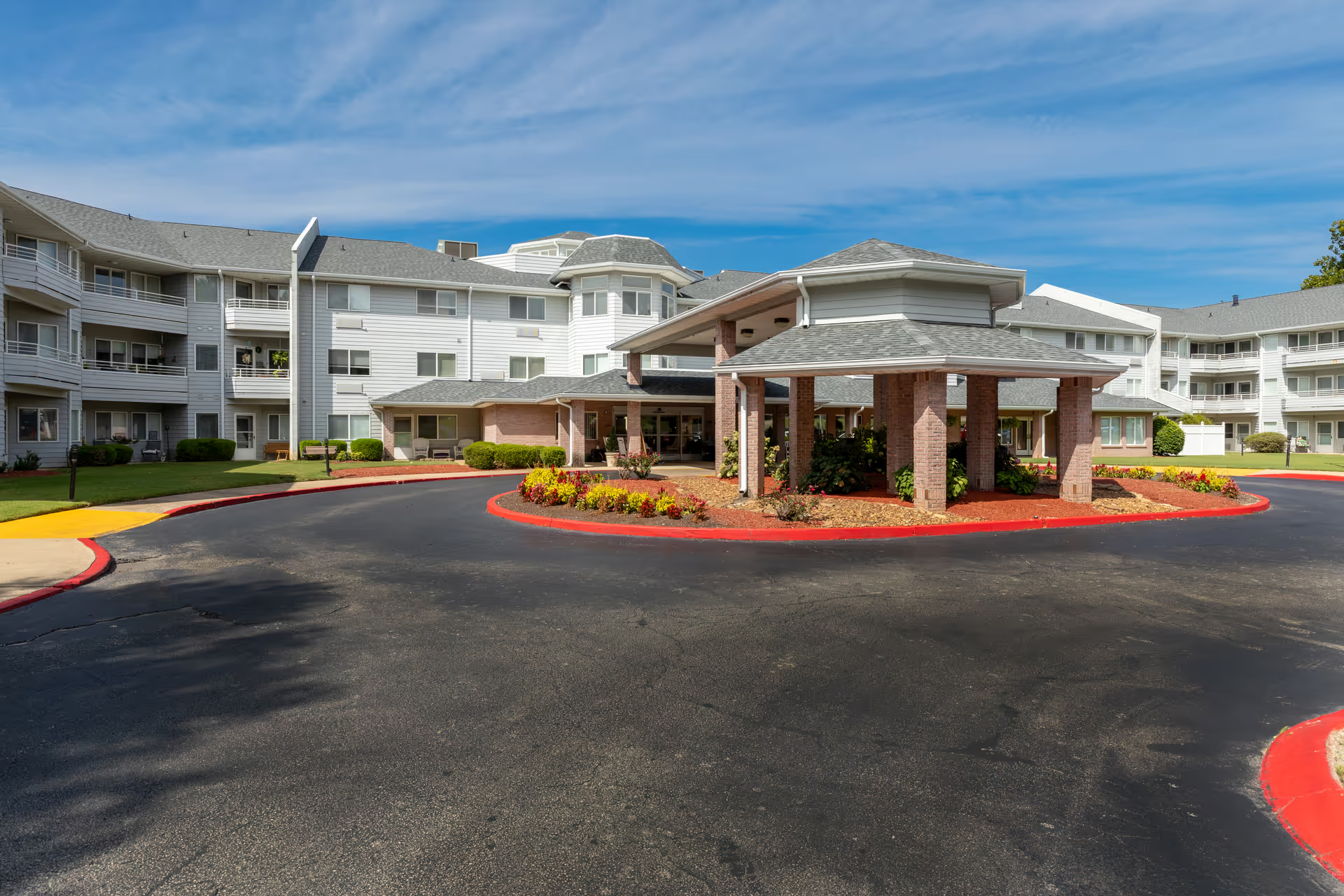
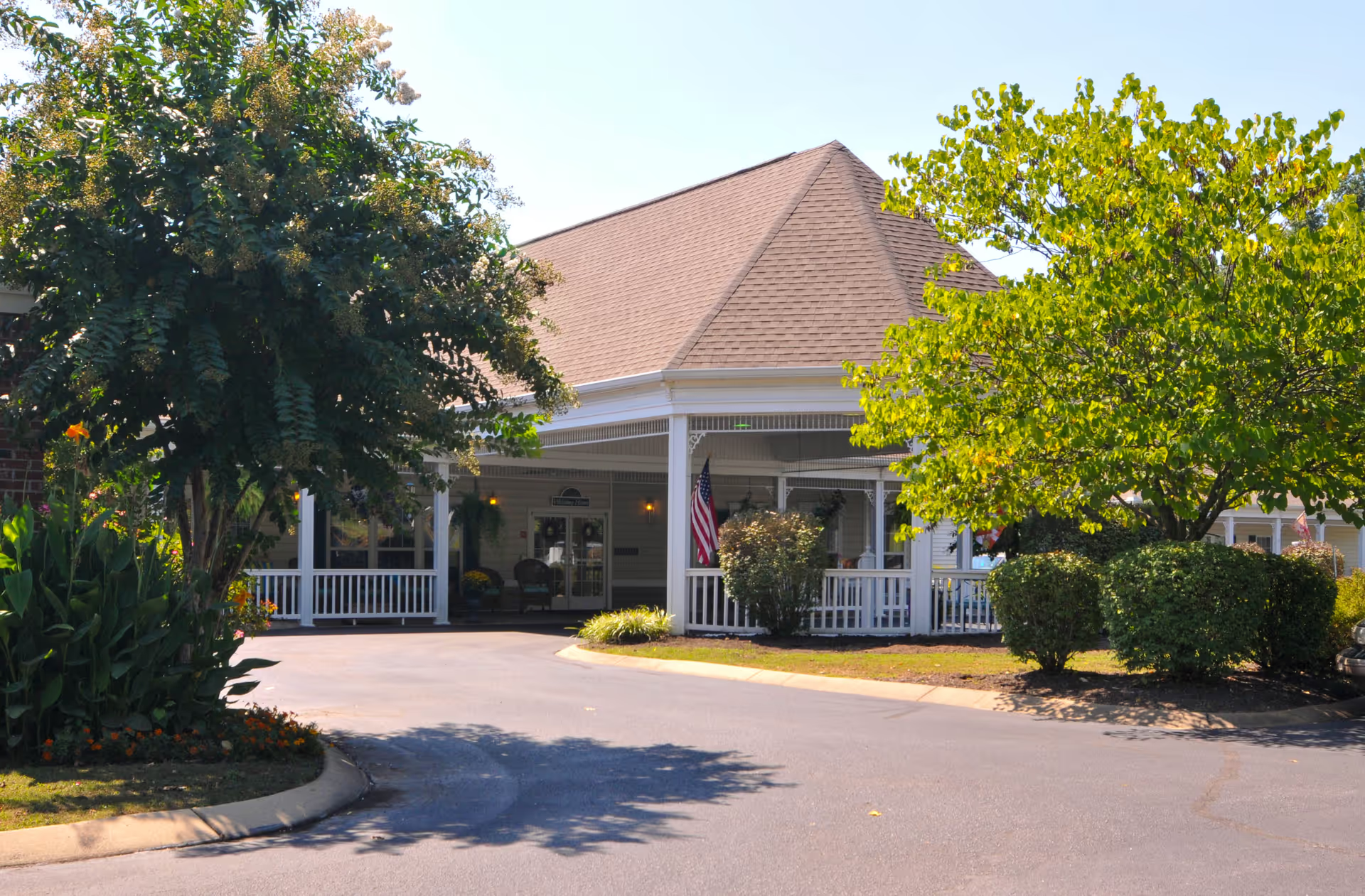
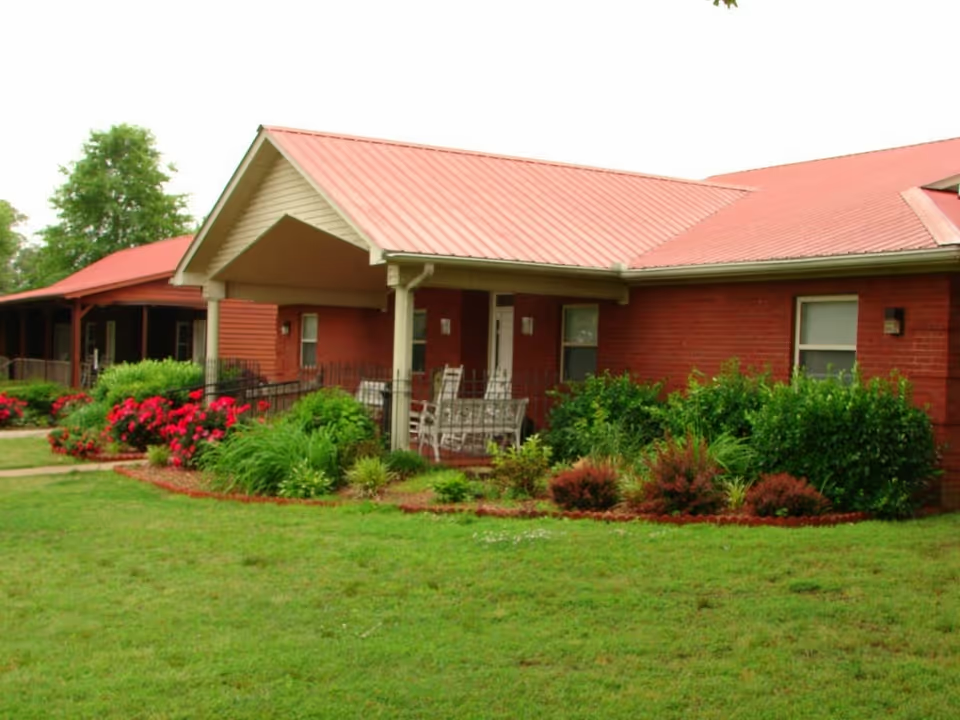
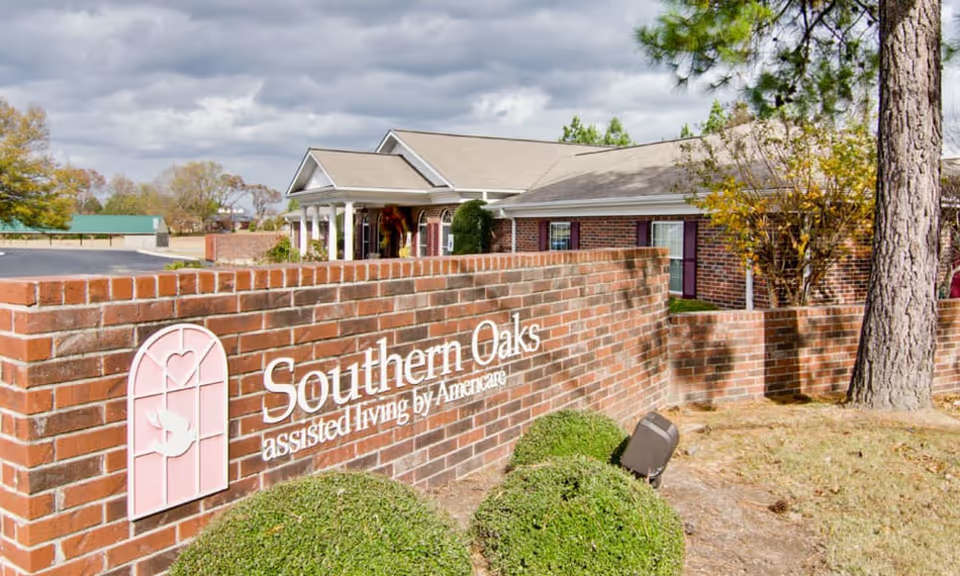
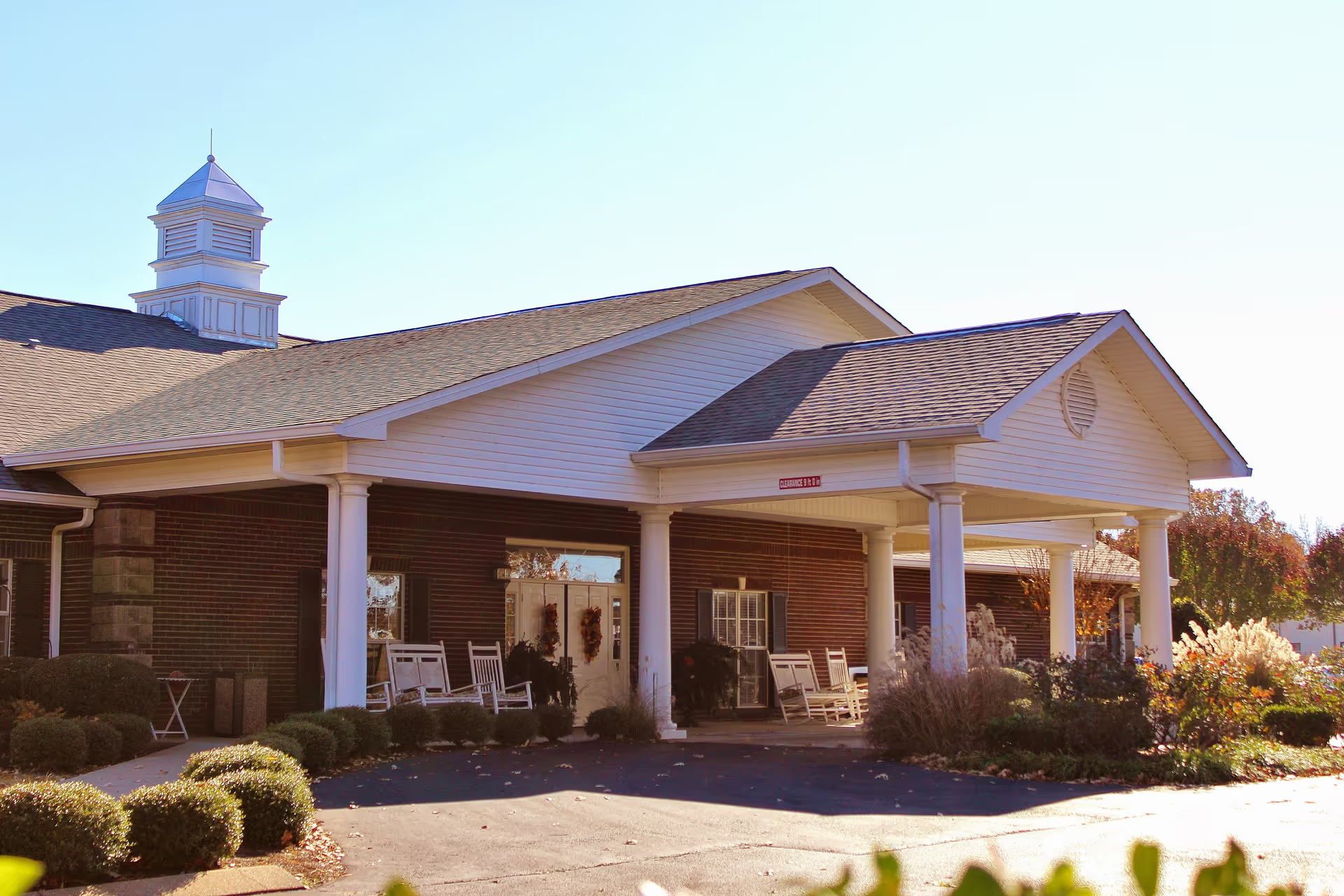
Across the collected summaries, reviewers consistently highlight the staff and the day-to-day living environment as primary strengths. Many families describe caregivers and clinical staff as compassionate, patient-focused, and attentive; admissions and move-in procedures receive frequent praise for being personalized and supportive. The facility is regularly described as clean, bright, and well maintained, with housekeeping and laundry services noted as reliable. Several comments emphasize a family-like atmosphere and staff familiarity with residents by name, which families associate with resident comfort and dignity.
Programming and dining are recurring positive themes. The activity schedule is described as varied and engaging — examples include social events, themed nights, crafts, Bingo, and outings — and review excerpts indicate staff encourage resident participation. Dining quality is frequently commended; reviewers mention enjoyable meals, a range of options, and special-event refreshments. Safety and security in the memory-care unit are often noted, as are room personalization and move-in accommodations that help residents feel at home.
Notwithstanding these strengths, several operational concerns recur and merit attention. Staffing levels and turnover emerge as a persistent pattern: reviewers describe periods when coverage felt thin and when continuity of caregivers was affected. Related clinical concerns include inconsistent toileting and mobility assistance and weaknesses in fall-prevention practices; these are framed by families as risks to resident safety and mobility outcomes. A smaller but significant set of comments raises concerns about how personal items and laundry are handled, including missing or damaged belongings and hearing-aid management. There are also isolated but serious perceptions of unequal treatment along racial lines, which families identify as a cultural and supervisory issue.
Communication and management experience mixed assessments. Many families praise managers and specific staff for responsiveness, empathy, and going beyond expectations during admissions and transitions; several staff members are called out by name for positive influence. At the same time, other families report episodic gaps in incident follow-up, owner responsiveness, and clarity about certain fees or price increases. Facility layout and room configurations are occasional logistical complaints — for example, shared-bathroom rooms and some units located far from the dining area — which can affect convenience for residents and families.
In summary, Regency Retirement Village of Jackson appears to deliver strong strengths in staffing culture, cleanliness, activities, and dining, providing many families with visible comfort and peace of mind. However, prospective residents and families should assess clinical staffing consistency, fall-prevention and toileting protocols, personal-item handling policies, and any financial/fee questions during tours and admissions discussions. Asking for recent staffing ratios, turnover data, written laundry and possessions procedures, and examples of dementia-care staffing plans will help clarify whether the facility’s operational practices align with a particular resident’s clinical and cultural needs.