Overall impression: Reviews for Signal Mountain Senior Living are highly mixed, with strong praise for frontline caregivers, the activity program, location, and apartment amenities counterbalanced by repeated and serious concerns about staffing, medication safety, management communication, billing, and housekeeping. Many families and residents report a warm, family-like culture and excellent hands-on care from nurses, resident assistants, and dining staff. At the same time a significant subset of reviewers describe troubling incidents including medication errors, inadequate staffing, and administrative failures that in some cases led to hospitalizations and moves to other facilities.
Care quality and staffing: One of the clearest patterns is the split between experiences with direct caregivers and experiences with clinical/administrative systems. Numerous reviews single out caregivers, nurses, and activity staff as compassionate, skilled, and attentive — families frequently say residents felt "loved and safe" and that staff went "above and beyond." Conversely, there are many reports of chronic understaffing (including on the memory-care floor), high staff turnover, reliance on untrained agency nurses, medication delays and errors, and insufficient nursing coordination. These problems have real consequences in some reviews (late or missed medications, hospitalization, long ambulance waits). Staffing issues also ripple into housekeeping, laundry, activities, and maintenance responsiveness.
Management, communication, and billing: Administrative and management shortcomings are a recurring theme. Several reviewers report poor responsiveness from executive staff or central office, unreturned phone calls, and departmental communication breakdowns. Billing problems are repeatedly cited: double charges, delayed invoices, unresolved overcharges, sudden rate increases, and difficulties obtaining refunds after a resident's death. Some reviewers attribute worsened performance to management changes after a buyout, and others allege aggressive sales tactics or coercion. These administrative and financial issues undermine trust for many families even when day-to-day caregiving is praised.
Dining and meals: Dining receives polarized feedback. Many reviewers praise the chef and dining room staff, describing "fantastic meals," delicious daily options, and supportive dining staff who customize meals for residents. Others report severe inconsistency: cold or late food, tough meals, limited weekend options, inadequate nutrition (lack of fruit/vegetables), and limited portions. Several reviews describe dining-room noise or chaotic service. Overall, food quality appears to vary by kitchen staffing and shift, with the experience ranging from a highlight for some residents to a significant negative for others.
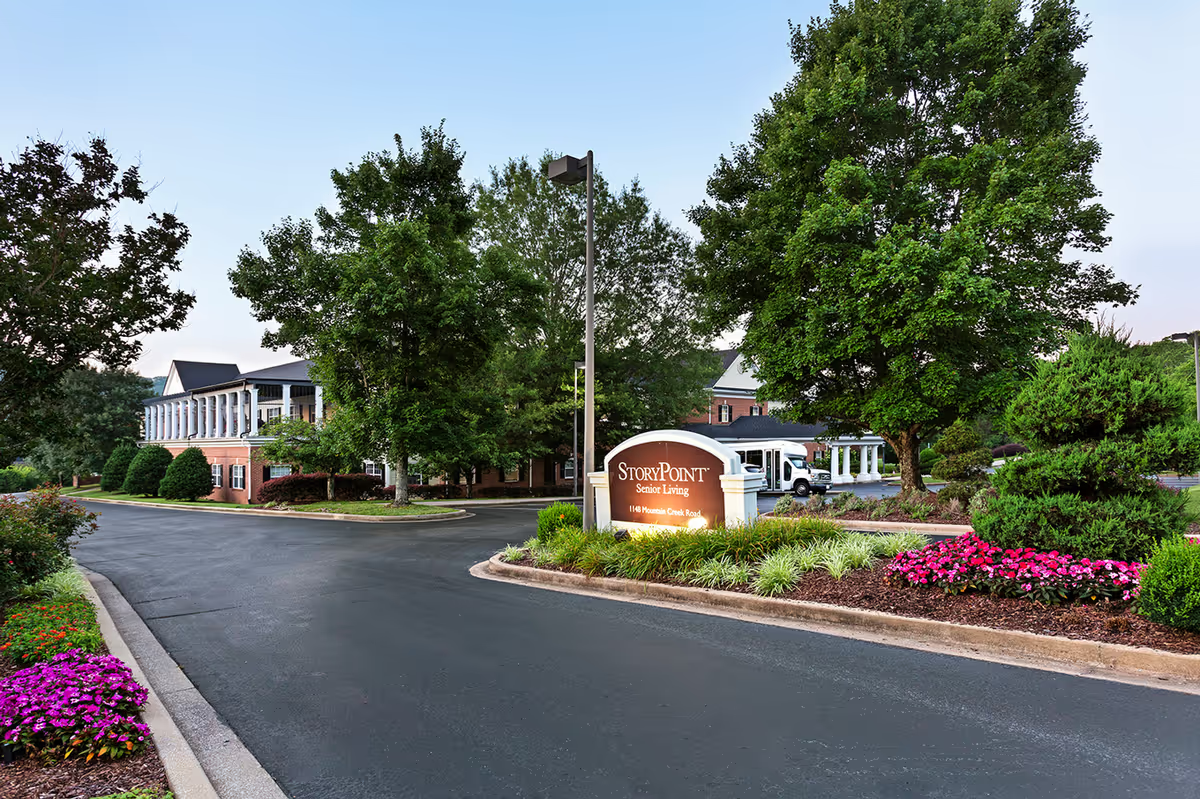
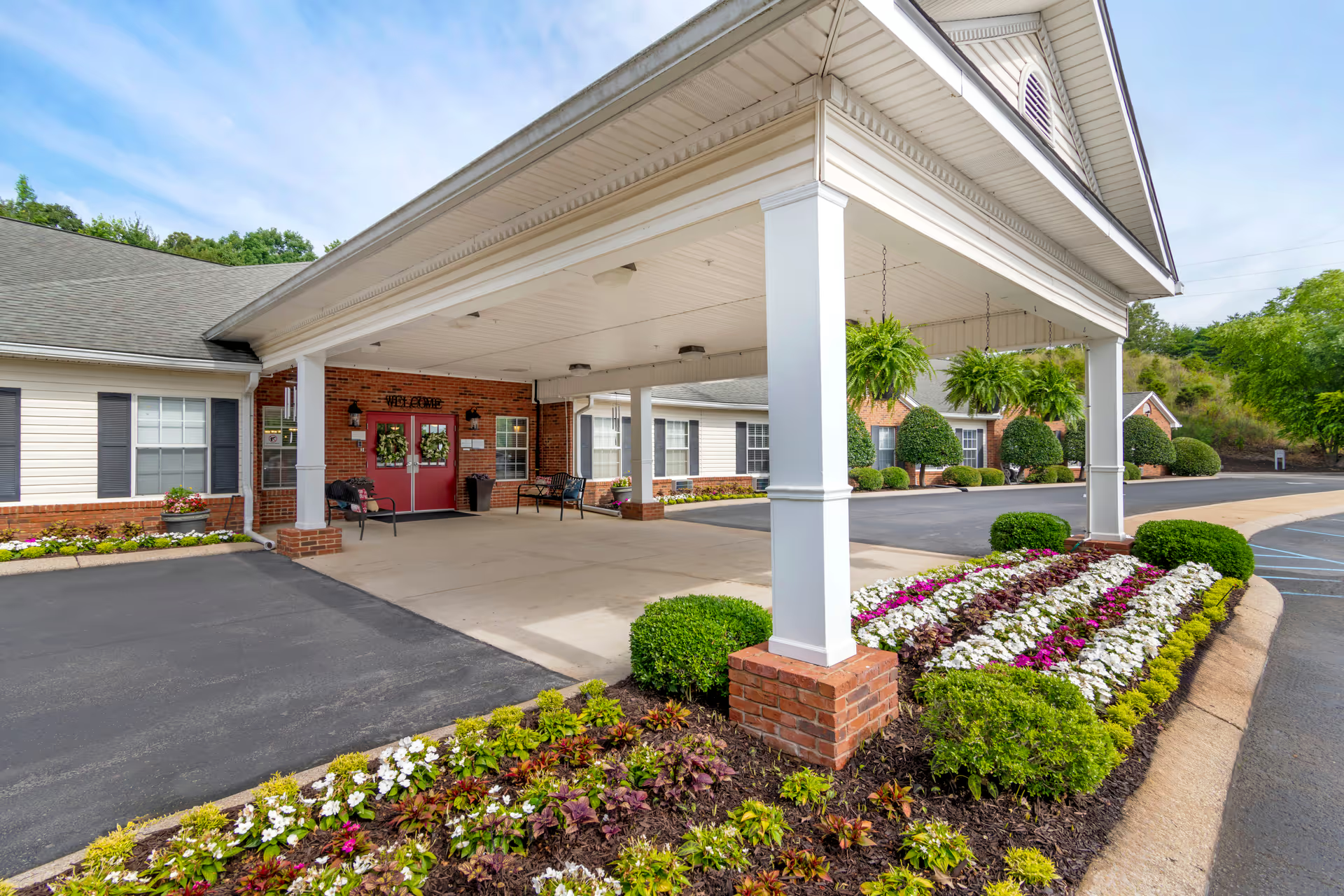
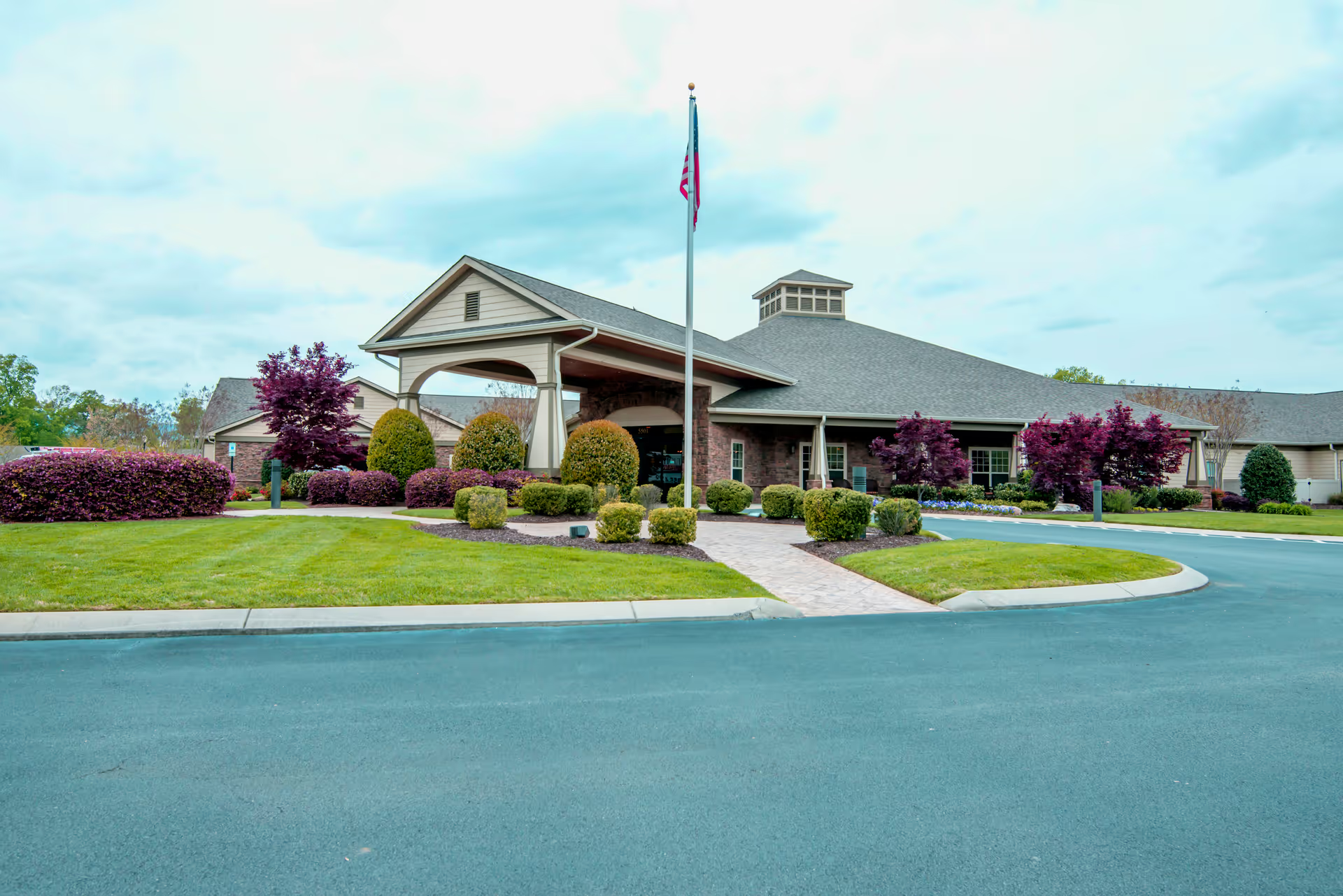
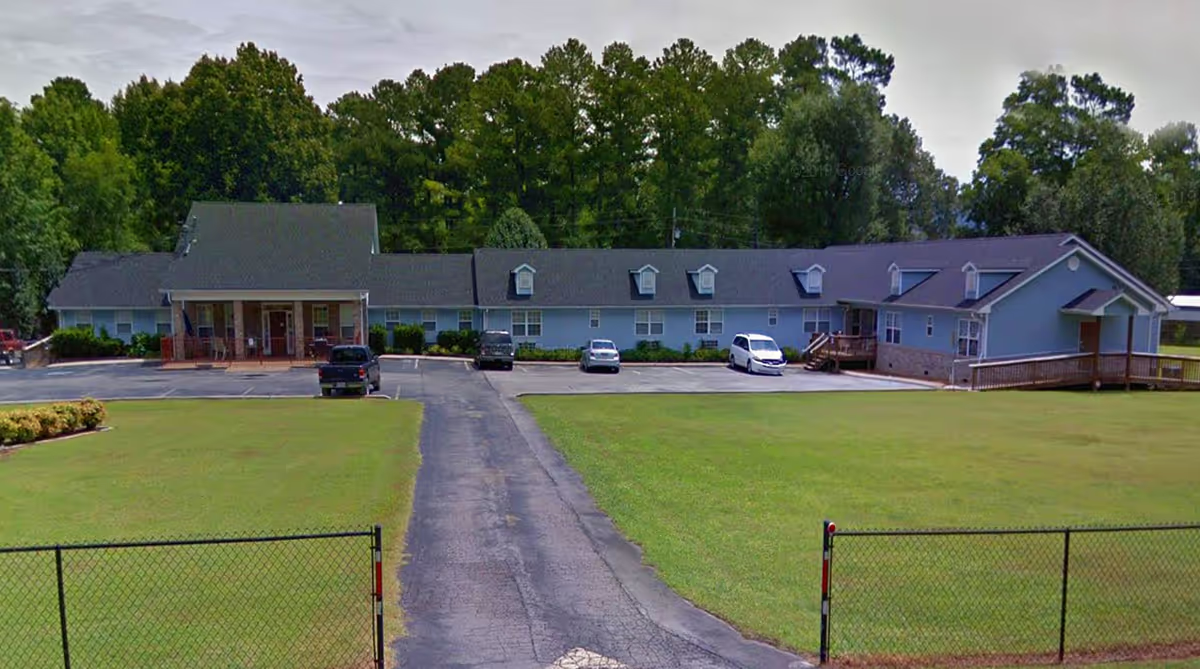
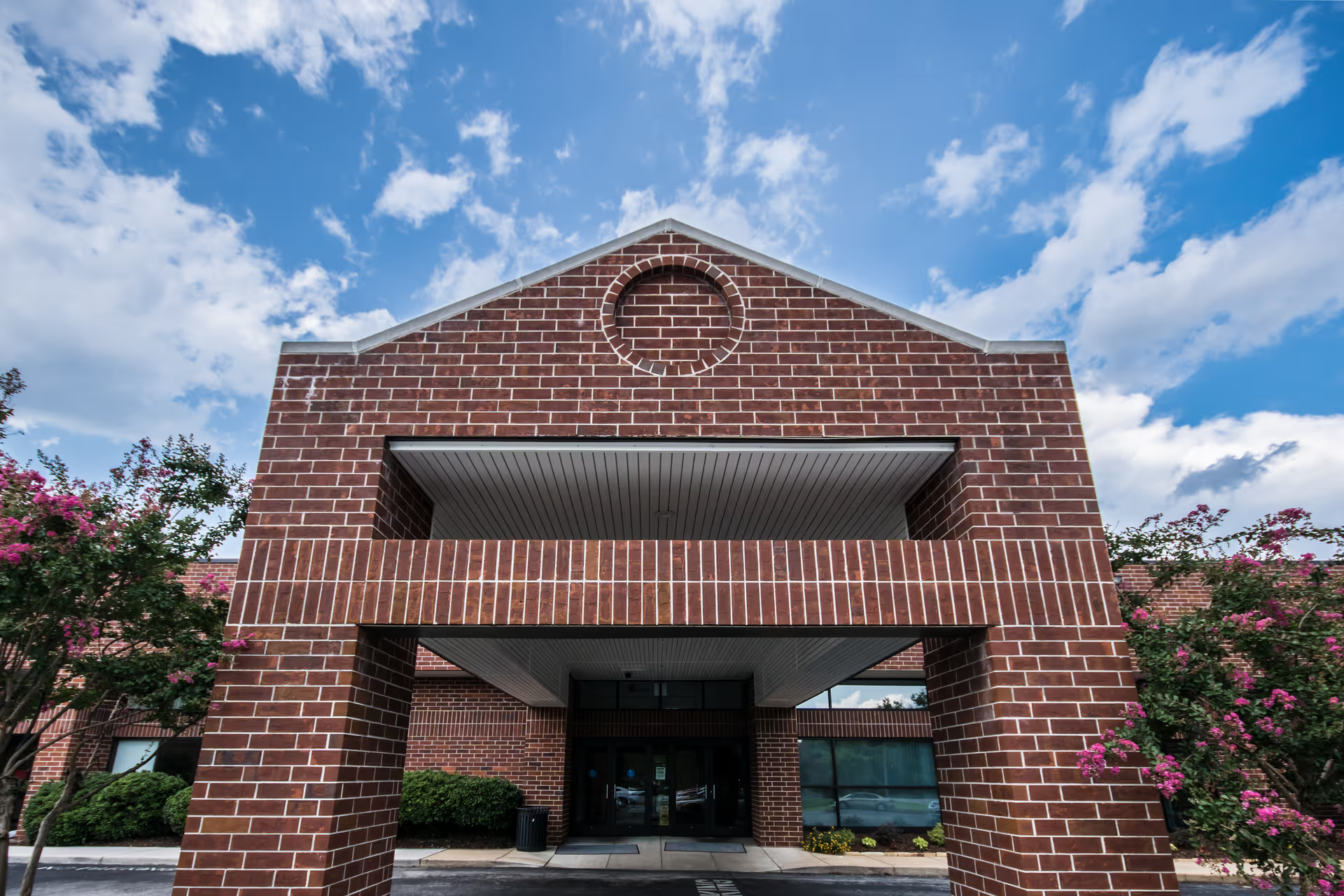
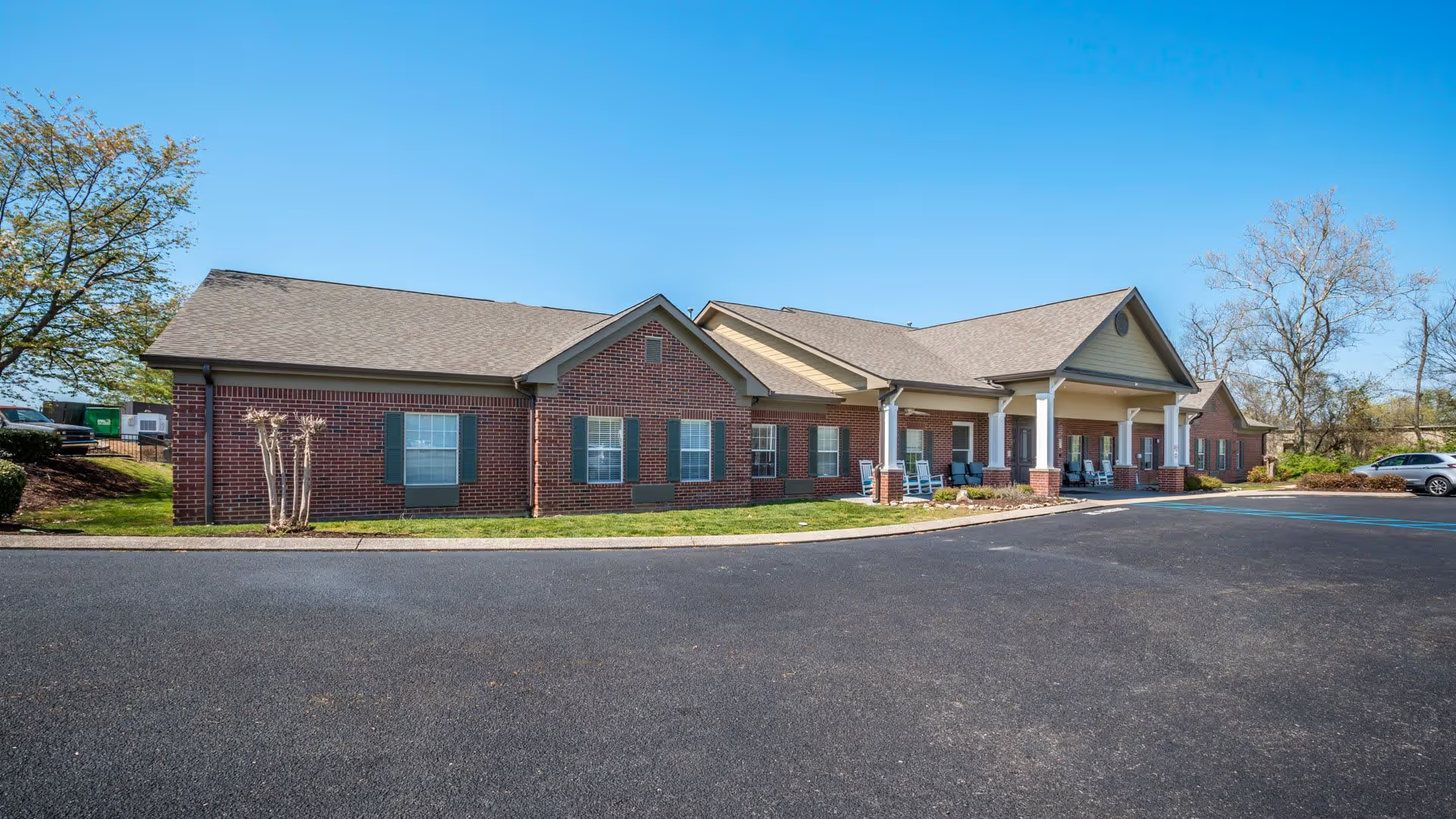
Facilities, amenities, and activities: The property, location, and apartments are frequent assets. Reviewers cite a beautiful mountain/woodland setting, pleasant communal spaces (lobby, dining room, activity rooms), sizeable apartments with balconies and good views, and on-site amenities such as a salon, library, therapy room, and cafe. Activity programming is often robust — bingo, cards, outings, craft nights, chair exercises, and bus trips are mentioned many times — but several reviewers say activities have become limited at times due to staffing shortages. Ongoing renovations and updates are noted positively for aesthetics, though some reviews state that renovation efforts sometimes divert staff away from direct care.
Housekeeping, maintenance, and safety: Responses are mixed. Many reviewers describe the building as clean and well-kept, whereas others report dirty rooms, urine odors (notably in memory care), pest sightings (cockroaches, spiders, centipedes), and insufficient laundry services (too few machines, missing items). Maintenance complaints include poor repairs, missing mailbox covers, and understaffed maintenance teams. Safety and accessibility concerns appear in several reviews: wheelchair access problems, issues with door keys and call buttons, fall incidents with delayed response, and problematic communication during lockdowns.
Memory care and clinical oversight: Memory-care experiences vary widely. Some families praise the secure wing and attentive staff; others report understaffing, lack of engagement, wandering residents, personal items taken, and poor cleanliness. Clinical oversight is another area of concern with multiple reports of medication administration failures, late calls, and mishandled medical orders, occasionally involving hospice or external providers.
Customer experience and move-in/respite: Many reviewers commend the admissions and tour staff (Mindy and other sales/tour personnel receive repeated positive mentions) and appreciate the respite care option. Initial tours are often informative and empathetic. However, several reviewers report a deterioration in communication after move-in, price increases after admission, and some accounts of aggressive or hard-sell practices during enrollment. A number of families report helpful move-in support and follow-through, while others encountered post-move-in unresponsiveness and service shortfalls.
Notable patterns and risk areas: The dominant risk factors identified across reviews are staffing instability and administrative failures. Where staffing is stable and management responsive, residents tend to thrive socially and clinically; where staffing is thin and management unresponsive, families report serious safety, hygiene, and financial problems. Pest control, laundry capacity, and consistency of meal service are specific operational areas cited repeatedly for improvement. Billing transparency and quicker, clearer administrative communication are also recurring needs.
Conclusion and recommendation framing: Signal Mountain Senior Living offers many strengths — location, apartments, amenities, and strong stories of compassionate caregiving and engaging activities. However, the facility also shows recurring operational vulnerabilities that materially affect resident safety and family trust: medication and clinical coordination problems, staffing shortages and turnover, inconsistent housekeeping and pest control, and troubling administrative/billing practices. Prospective residents and families should weigh the facility's attractive physical environment and praised caregiving staff against the documented instability in clinical staffing and administration. Practically, families considering this community should: 1) ask specifically about nurse-to-resident ratios and agency nurse use on the relevant floor, 2) request written billing and fee policies and recent examples of refunds/resolution timelines, 3) tour memory-care spaces during active hours, 4) probe housekeeping and pest-control protocols, and 5) verify meal-service practices and dietary accommodations. These targeted questions can help ascertain whether the positive aspects highlighted by many reviewers are consistent and whether the operational concerns have been addressed.