Reviewers of Park Meadows Post Acute present a highly polarized picture. Many families and some residents praise the facility’s rehabilitation services, activity programming, and several individual caregivers; other reviewers describe significant operational problems that materially affected care. The overall pattern is of strong pockets of clinical and rehabilitation expertise alongside uneven performance in core nursing and support functions.
Care quality: Therapy departments (physical, occupational and speech) are frequently described as effective, professional, and instrumental in measurable recovery. By contrast, nursing and personal-care functions show recurring weaknesses in several reviews: delays in attending to call lights, inconsistent bathing schedules, delayed incontinence care, and concerns about medication administration and documentation. Several reviewers described delayed recognition or escalation of clinical changes; a small number of accounts raised concerns following serious clinical incidents and end-of-life events. Pain management and timely clinical communication with families are areas of notable variability.
Staff: Individual staff members receive both high praise and criticism. CNAs and many therapists are commonly described as compassionate, attentive, and communicative. However, reviewers also describe rude or dismissive interactions with some nurses, front-desk personnel, and administrators. Staffing levels and shift coverage are frequently cited as drivers of response delays and inconsistent resident support.
Dining and activities: Activity programming, including music therapy, crafts, and wellness offerings, is consistently identified as a strength that contributes to resident engagement. Reports on dining are mixed: some reviewers commend nutritious meals and available snack options, while others report small portions, cold or low-quality meals, short meal service windows, and reliance on disposable containers. Prospective families should confirm meal scheduling and dietary accommodations during a tour.
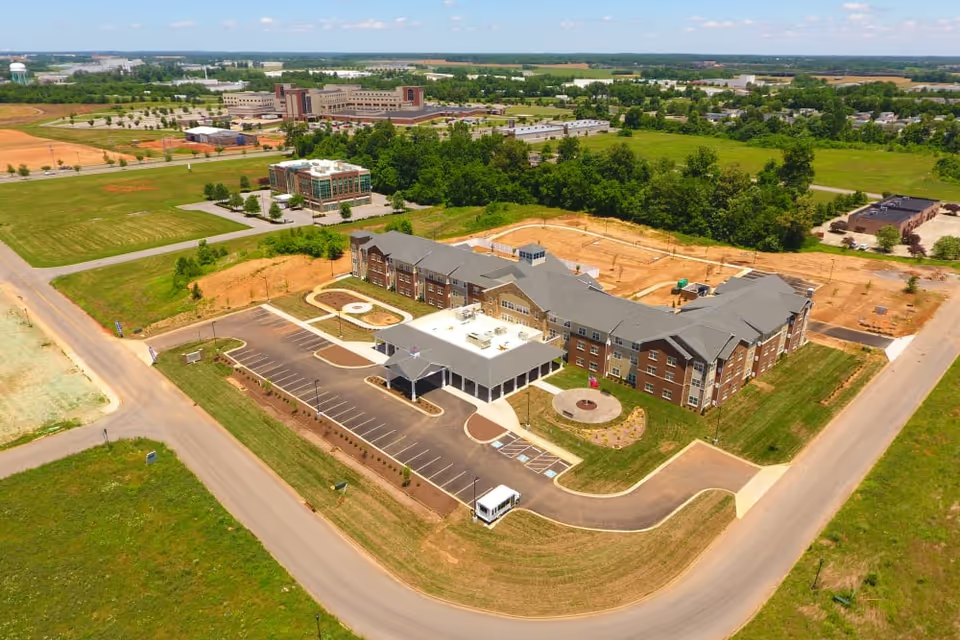
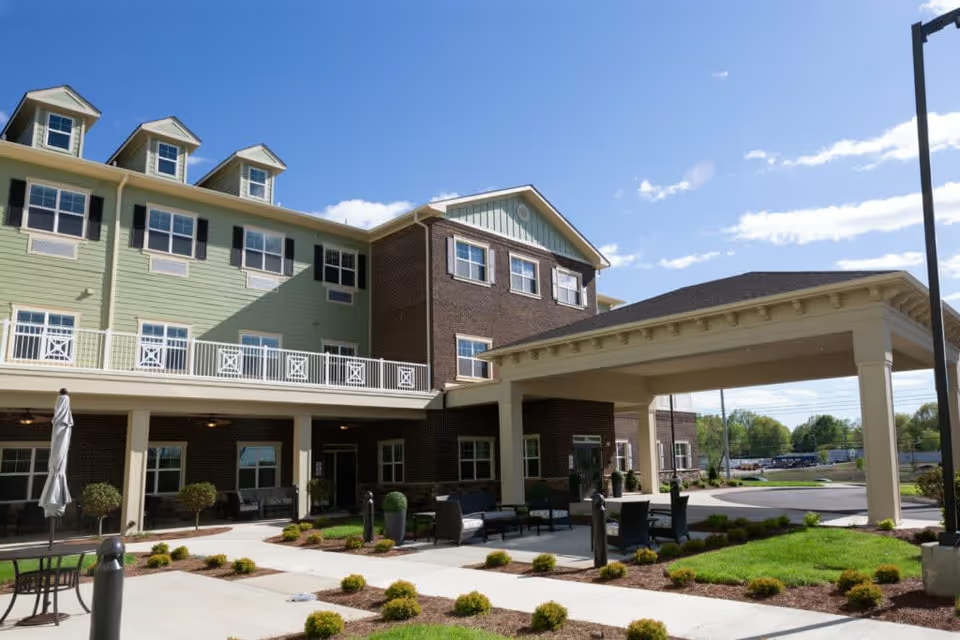
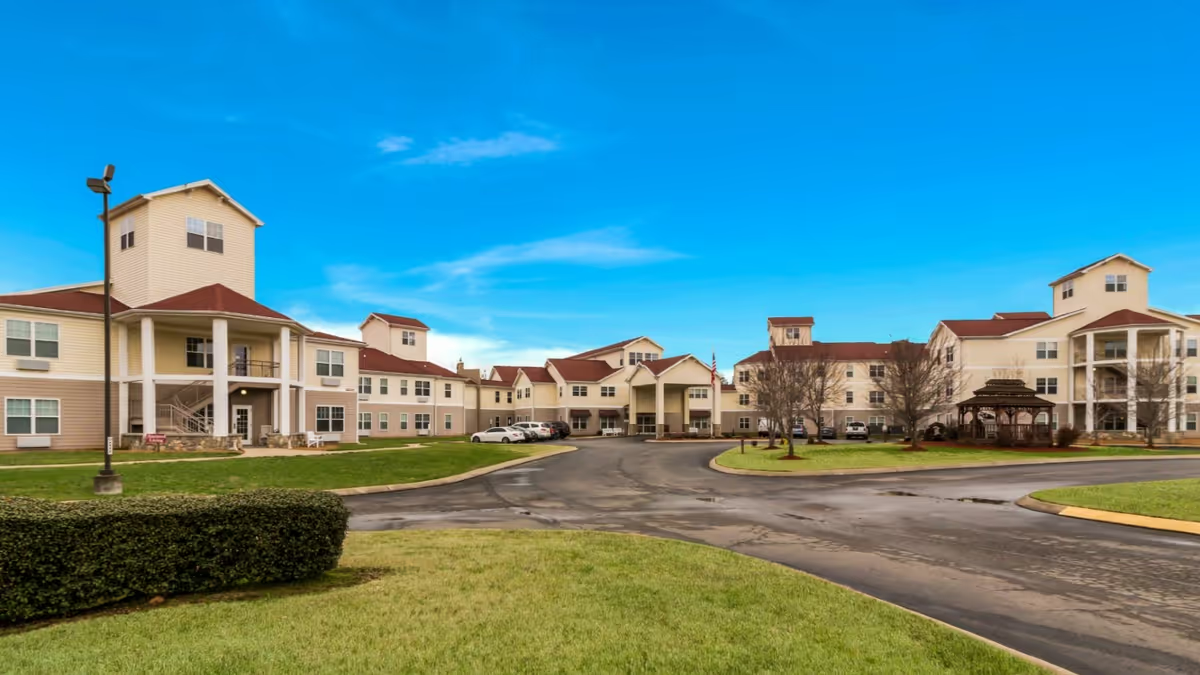
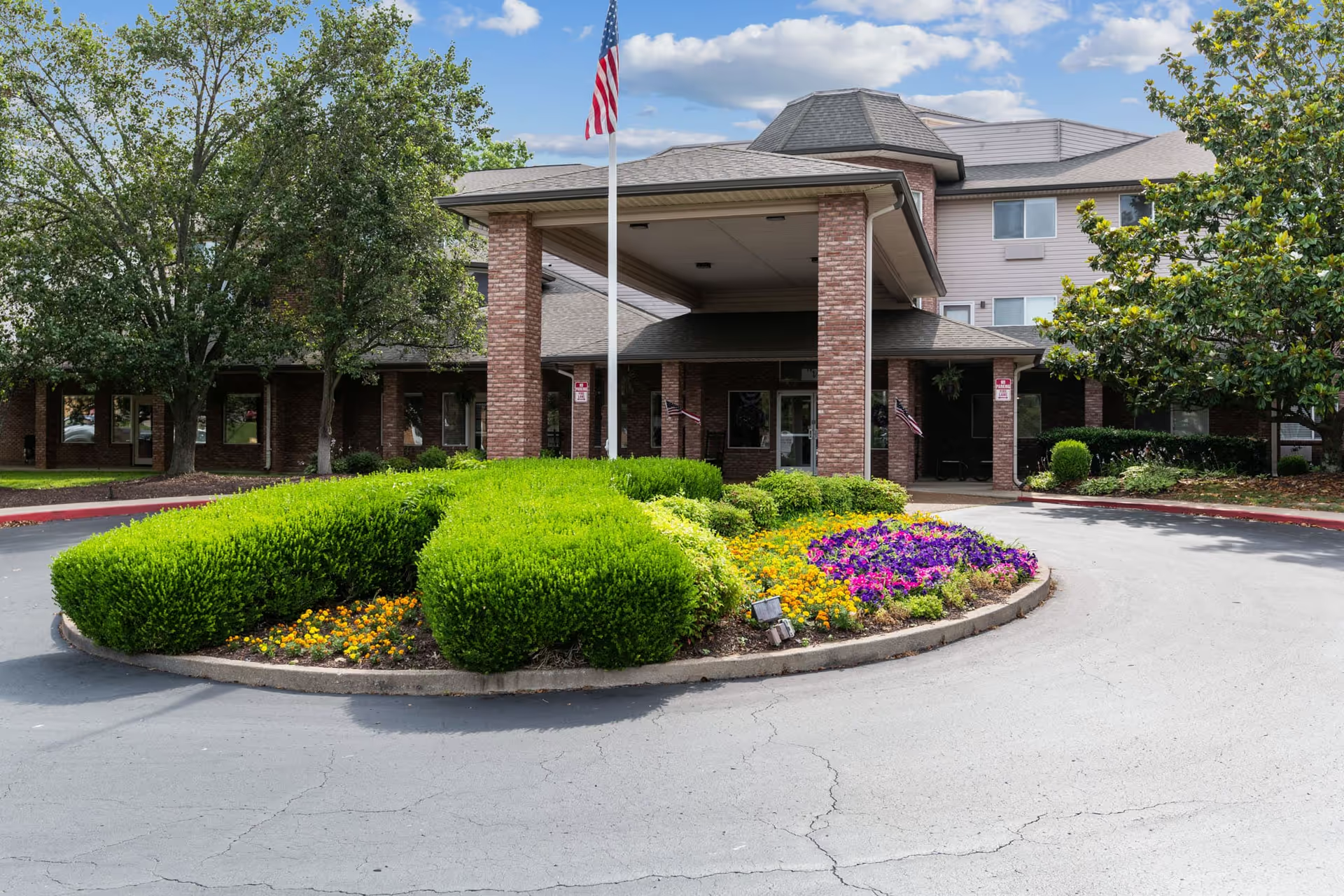
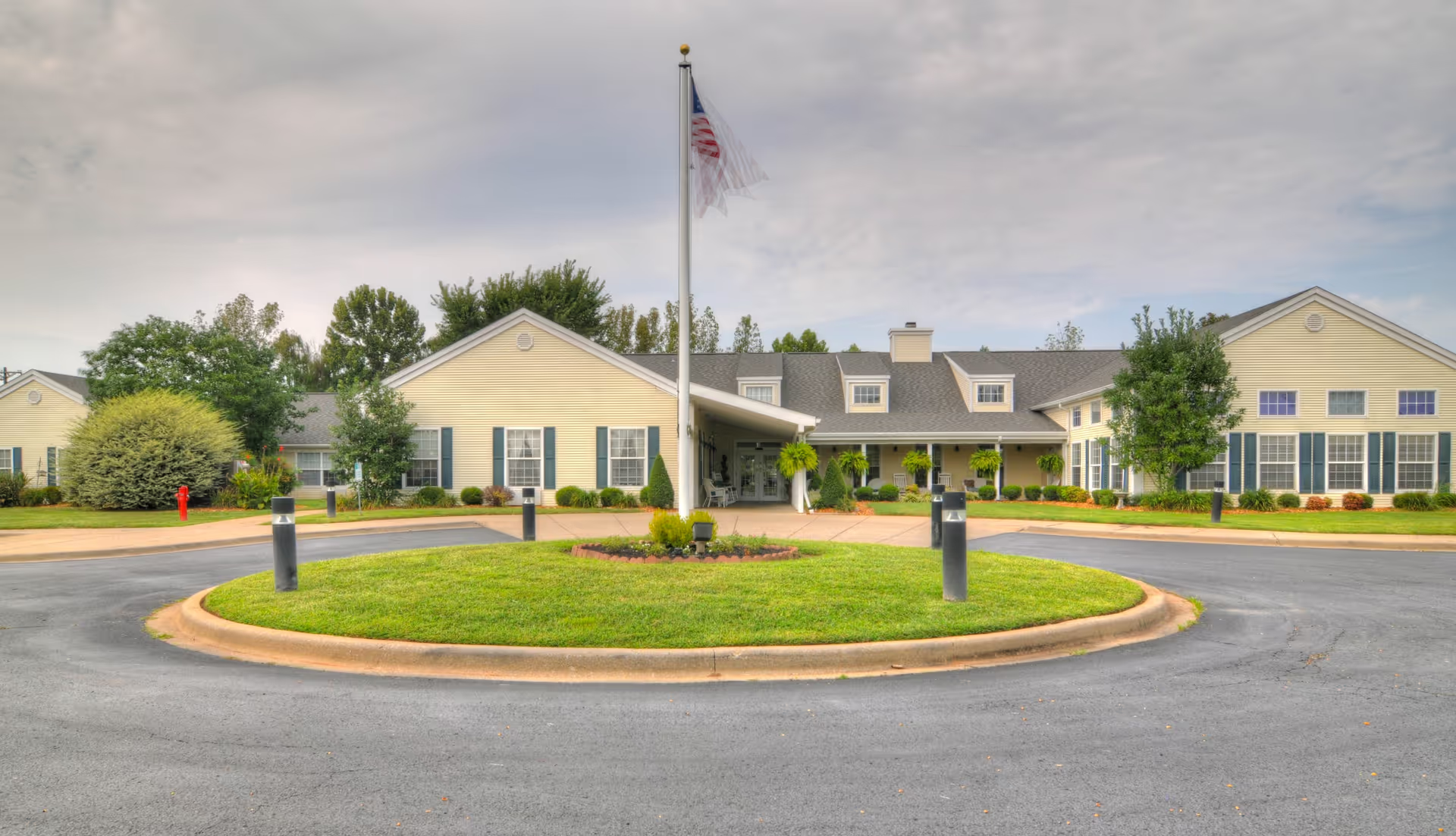
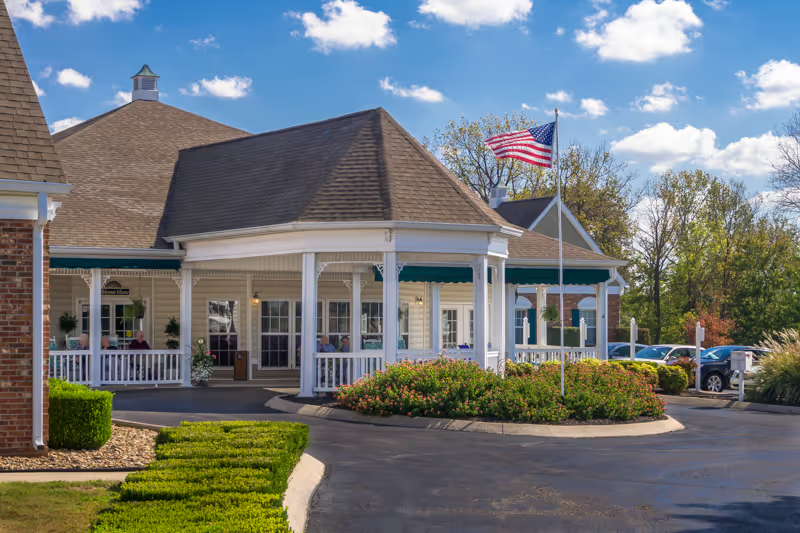
Facilities and housekeeping: Several reviews highlight clean, modern common spaces and comfortable private rooms with climate control. At the same time, there are recurring housekeeping and sanitation concerns — delayed room cleaning, inconsistent restroom maintenance, and odor issues in some areas. A few reviewers described maintenance problems such as non-functioning air conditioning in rooms.
Management and communication: Leadership and administrative responsiveness are inconsistent in the reviews. Some families found admissions and administrative staff helpful and informative, while others encountered unreturned calls, unavailable administrators, and poor incident follow-up. Transportation and appointment coordination (for example, dialysis or outside imaging) are described as unreliable in some accounts.
Notable patterns and takeaways: The strongest, most consistent positive signal is the facility’s rehabilitation team and several dedicated frontline caregivers; the most consistent negative signals are inconsistent staffing and resultant delays in resident assistance, incontinence-care and bathing irregularities, medication-management gaps, and variable housekeeping standards. There are a few serious allegations that warrant attention; prospective residents and families would be prudent to schedule an in-person tour, ask specific questions about staffing ratios, medication administration protocols, bathing and incontinence schedules, incident reporting and escalation procedures, meal service times, and examples of how the facility addresses family communication and clinical concerns.