Reviews of Tennessee State Veterans' Home describe a facility with clear strengths in resident comfort, rehabilitation services, and a veterans-centered culture, but also significant and recurring operational concerns that families should consider when evaluating placement.
Care quality is described in mixed terms. Many reviewers praised attentive, compassionate staff and highlighted successful restorative rehabilitation (physical and occupational therapy) that helped residents regain independence. At the same time, multiple comments raised concerns about medication-management practices, including delays, inconsistent administration, and decisions about psychotropic medication or symptom attribution that families found problematic. These medication-related issues appear to be a primary driver of family anxiety and merit close monitoring by prospective residents and their representatives.
Staffing and professionalism show a bimodal pattern. Numerous accounts commend dedicated, friendly, and helpful employees who provide respectful, person-centered interactions and go above and beyond. However, other accounts describe variable staff competency, a heavier reliance on temporary staff (particularly on night shifts), and instances of unprofessional conduct or poor tone during handoffs and at the front desk. Several reviewers noted that management responses to staff performance (discipline, retention, or termination) appear inconsistent, which contributes to perceptions of instability in caregiver quality.
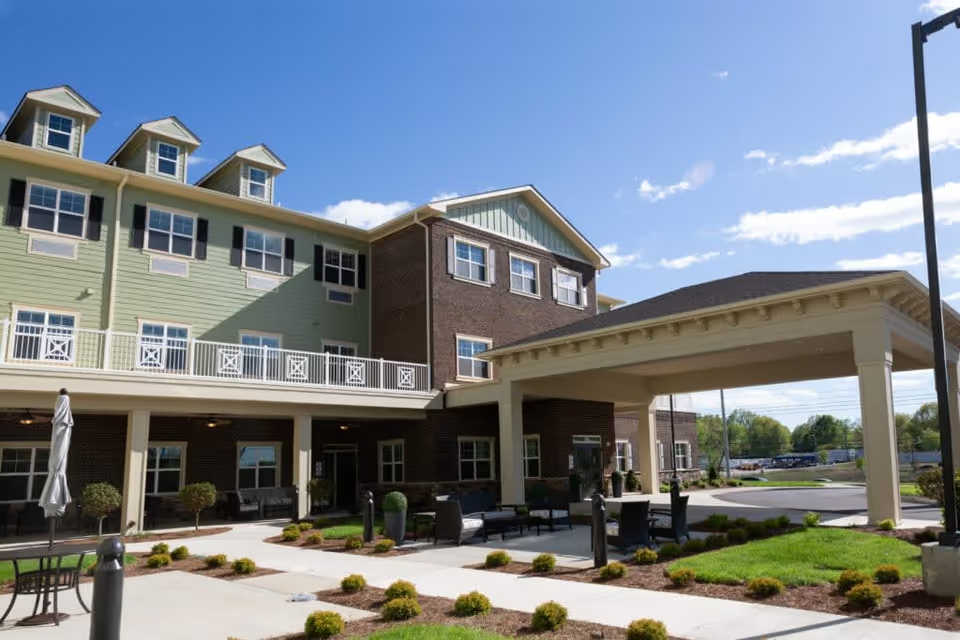
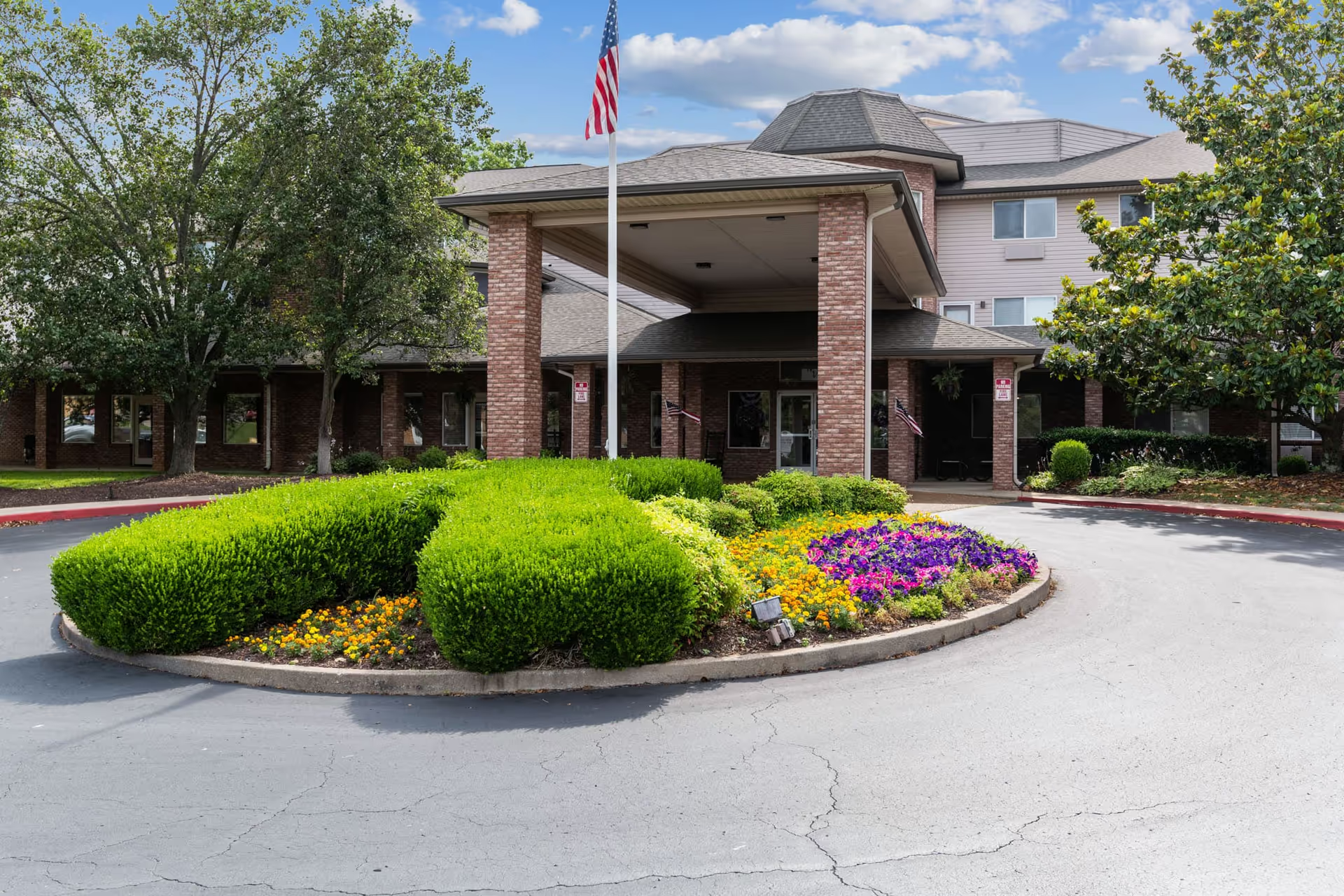
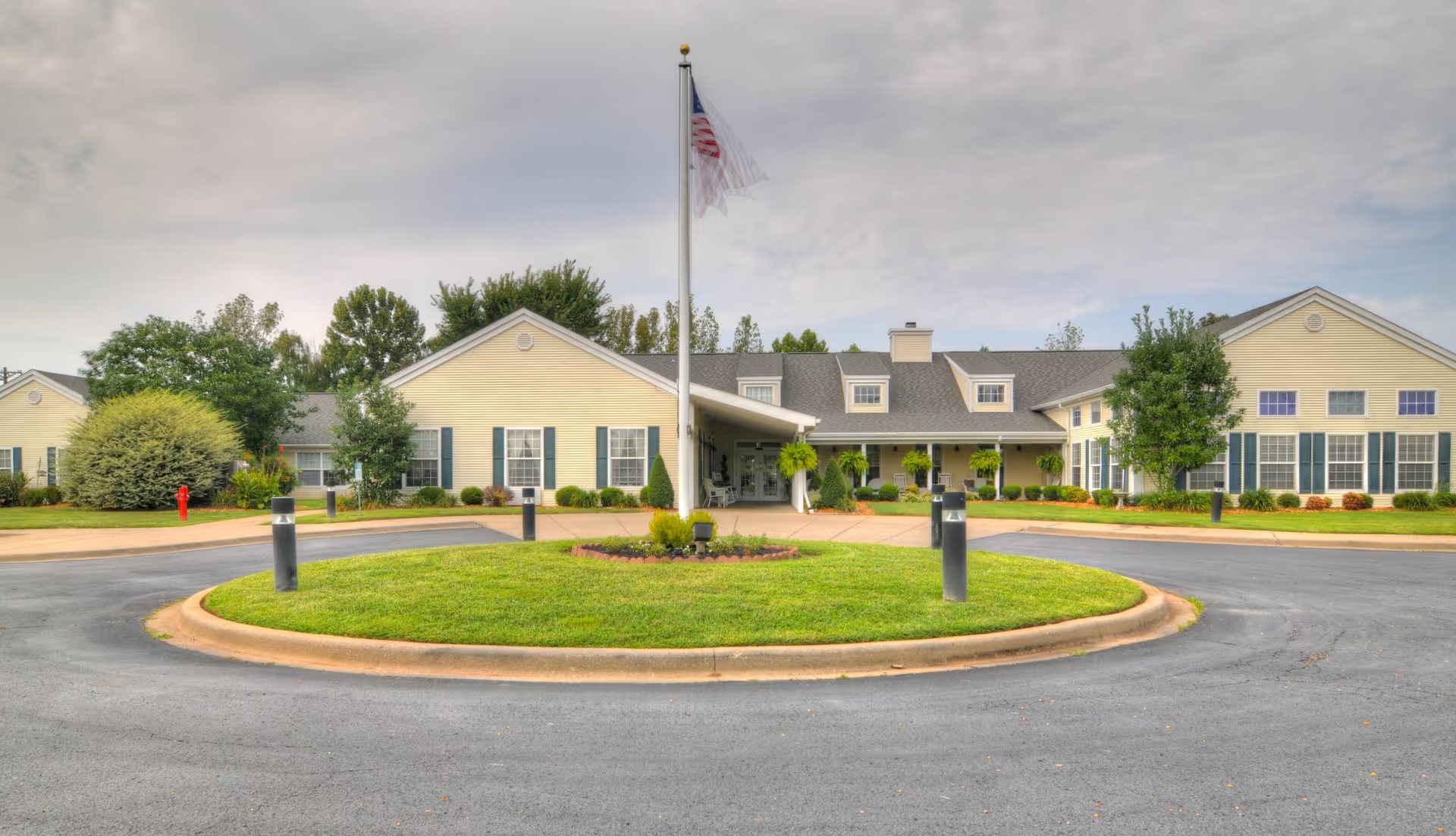
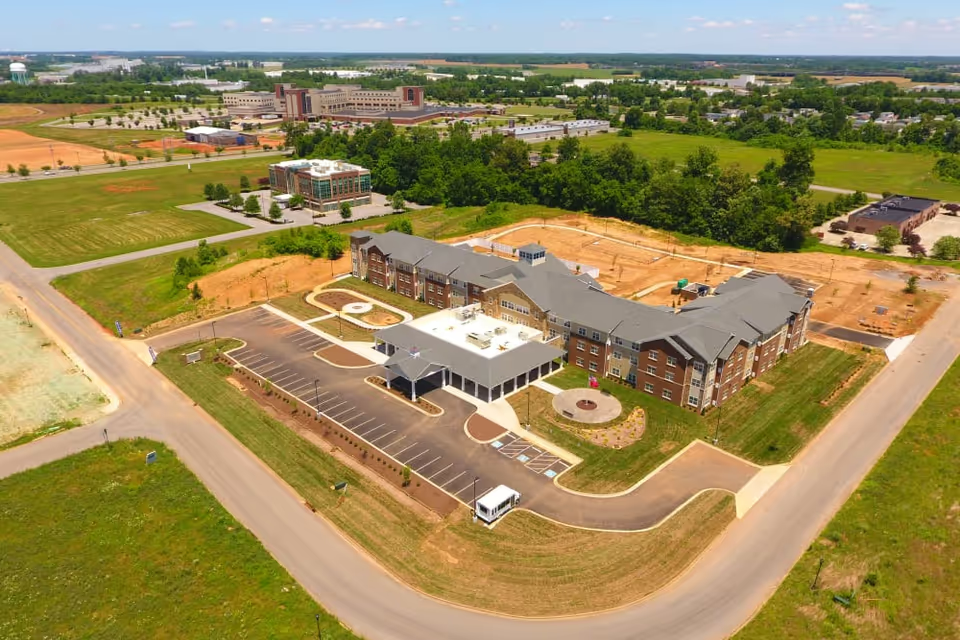
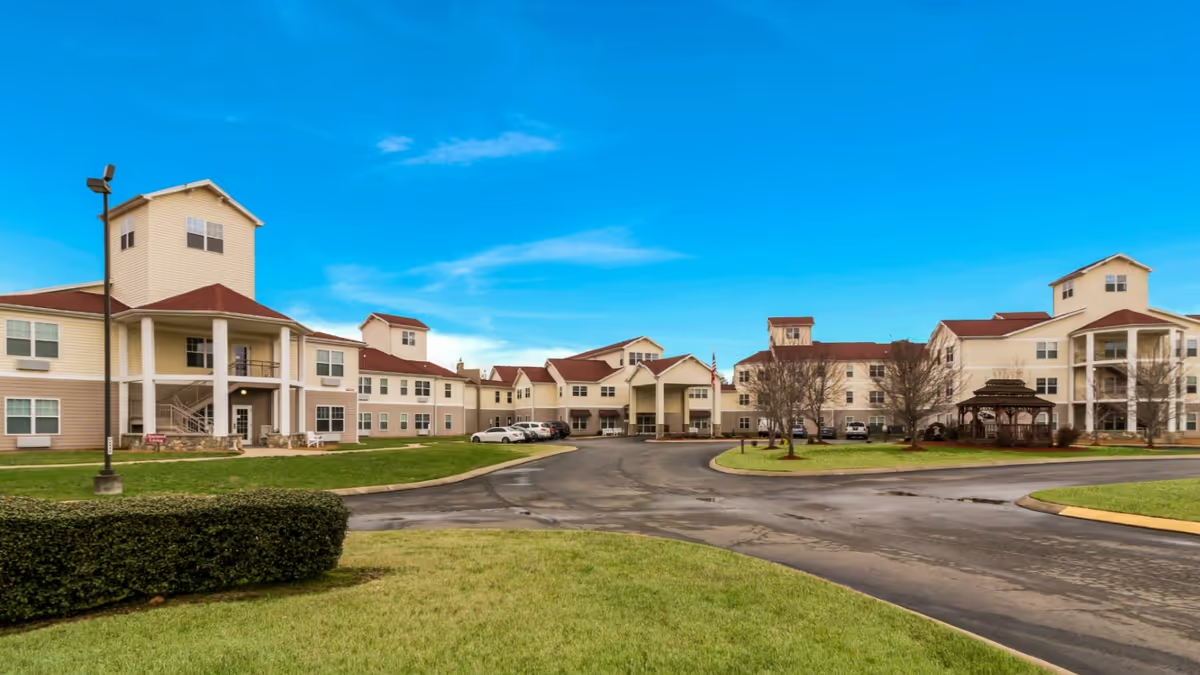
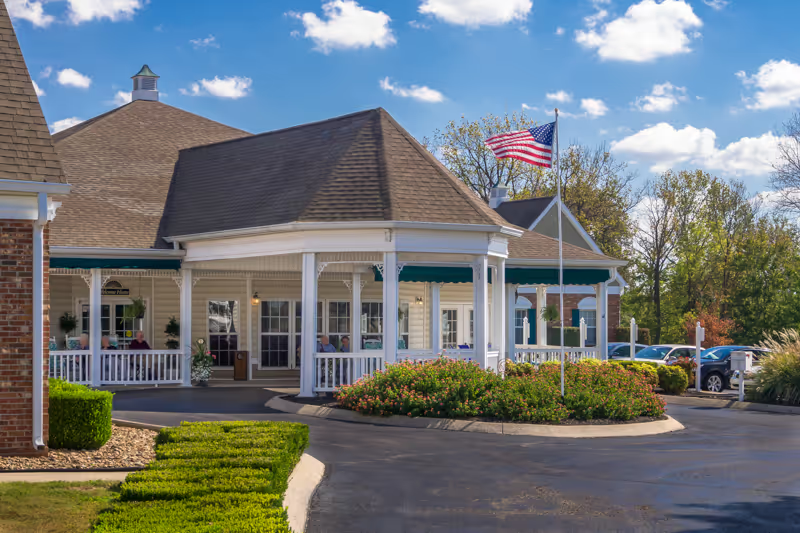
Dining, activities, and communal life are frequently cited as positive aspects. Meals are often described as tasty and filling, and the home offers many activities and fellowship opportunities that engage residents. Common areas are described as homelike and comfortable, with private visitation spaces for families. Housekeeping and laundry services are generally reported as effective, and the facility is noted for being clean and well maintained in many areas, with pleasant grounds and adequate space.
Facility operations and management show recurring operational weaknesses. Reviewers reported unclear admissions and intake procedures, problems with access control and reception responsiveness (e.g., bell systems and entry procedures), and challenges coordinating insurance or waivers. There are also accounts of delays in arranging diagnostics such as MRI and in communicating about transfers or clinical status with families. A subset of comments raised sanitation and odor concerns in specific common areas. Finally, a small number of serious allegations regarding staff conduct were described; those accounts suggest the need for formal investigation and transparent incident reporting when events occur.
In summary, Tennessee State Veterans' Home appears to provide strong rehabilitative services, a veterans-focused culture, engaging activities, and many instances of compassionate caregiving. Concurrently, patterns in medication management, staffing variability (especially with temporary or night-shift coverage), family-communication gaps, and administrative processes (intake, access, billing, and diagnostics coordination) emerged as consistent areas of concern. Prospective residents and families should weigh the facility's clinical and social strengths against these operational risks, and consider asking targeted questions about medication oversight, staffing stability, incident-investigation procedures, and communication protocols during tours and admissions discussions.