Reviews paint a mixed but distinct pattern: many families praise individual caregivers, rehabilitation staff and certain units for attentive, personalized care and measurable functional progress, while others describe systemic operational weaknesses that affect safety, communication and consistency.
Care quality appears uneven. Several families highlighted strong rehabilitative services (physical and occupational therapy) and named nurses and aides who provided compassionate, hands‑on care and helped residents regain mobility. At the same time, there are recurring concerns about medication administration, clinical monitoring and timeliness of physician involvement. Specific issues described include medication-timing problems, inconsistencies in medication dosing or monitoring, delayed clinical testing and delayed physician contact. These concerns suggest variability in clinical oversight and handoffs that families should evaluate when assessing care plans.
Staffing and conduct are similarly mixed. Many reviewers singled out individual staff members and wings for excellent, personable care and strong relationships with residents. Conversely, other accounts describe staff shortages, distracted or curt interactions, and lapses in basic responsiveness. A small number of serious conduct concerns and bruising allegations were mentioned and appear to be under review; these individual claims heighten the importance of asking about supervision, incident investigation processes and staff training during a tour.
Dining and activities receive both praise and criticism. The facility offers a range of activities (dance, exercise, movie nights) and some families report meals tailored to dietary needs and attentive dietary staff. Other families noted inconsistent meal quality, issues with food temperature and occasional preparation problems. Prospective families should ask about menu planning, special-diet processes and meal-service continuity.
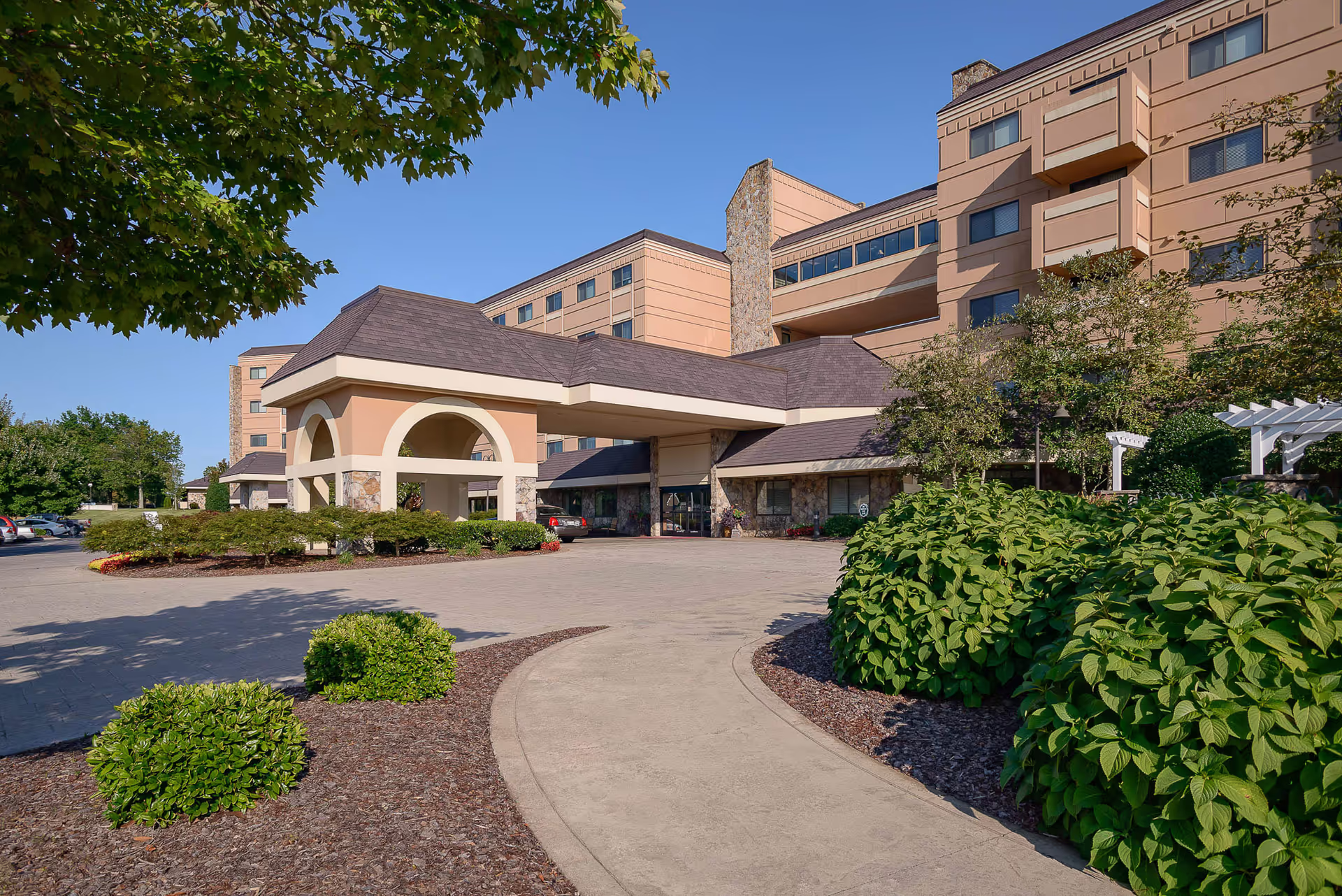
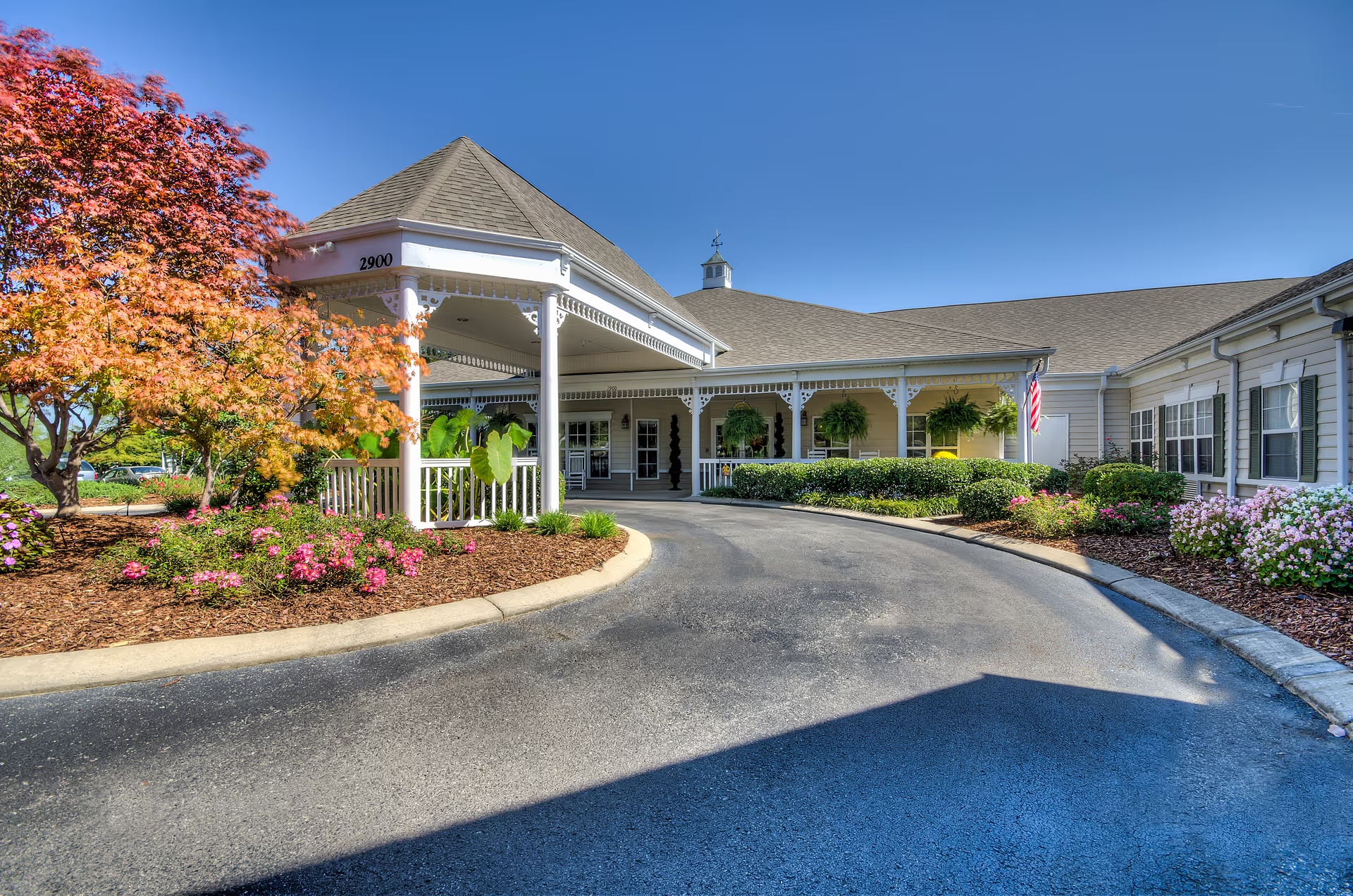
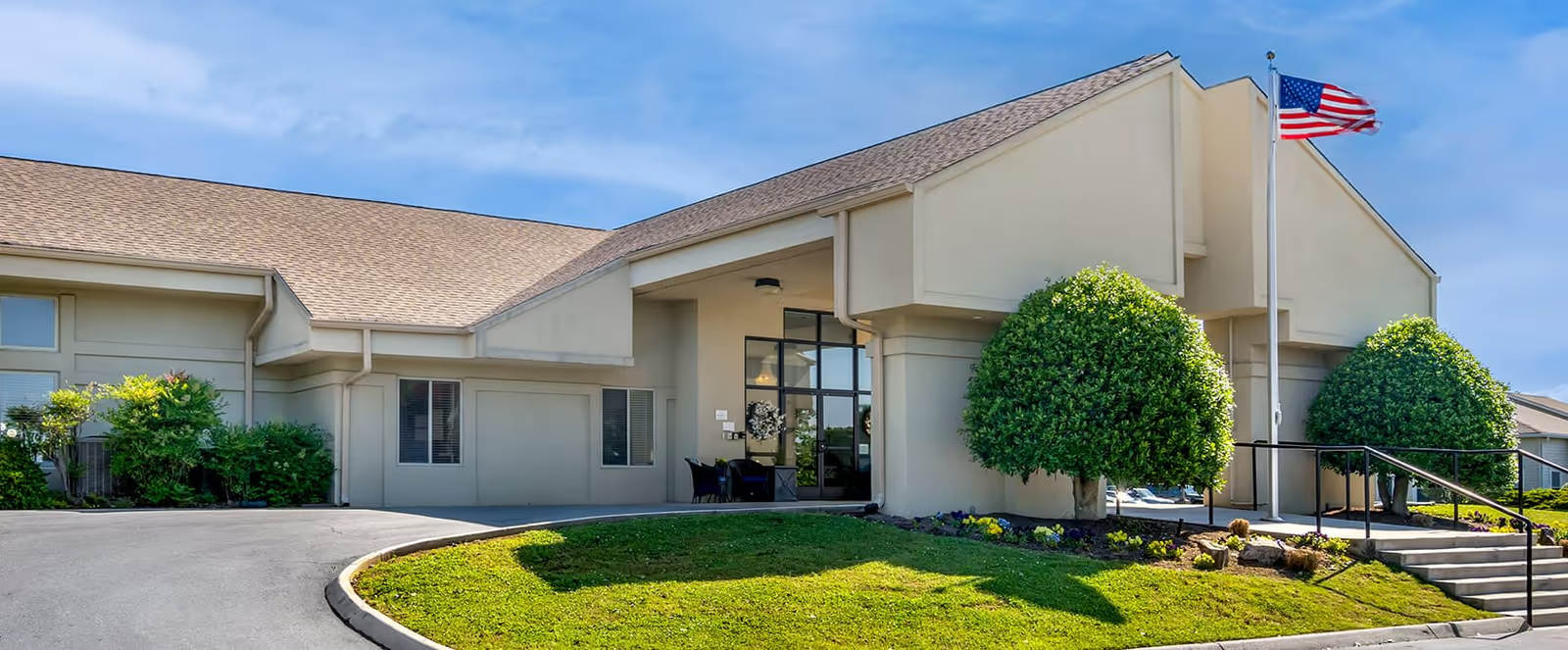
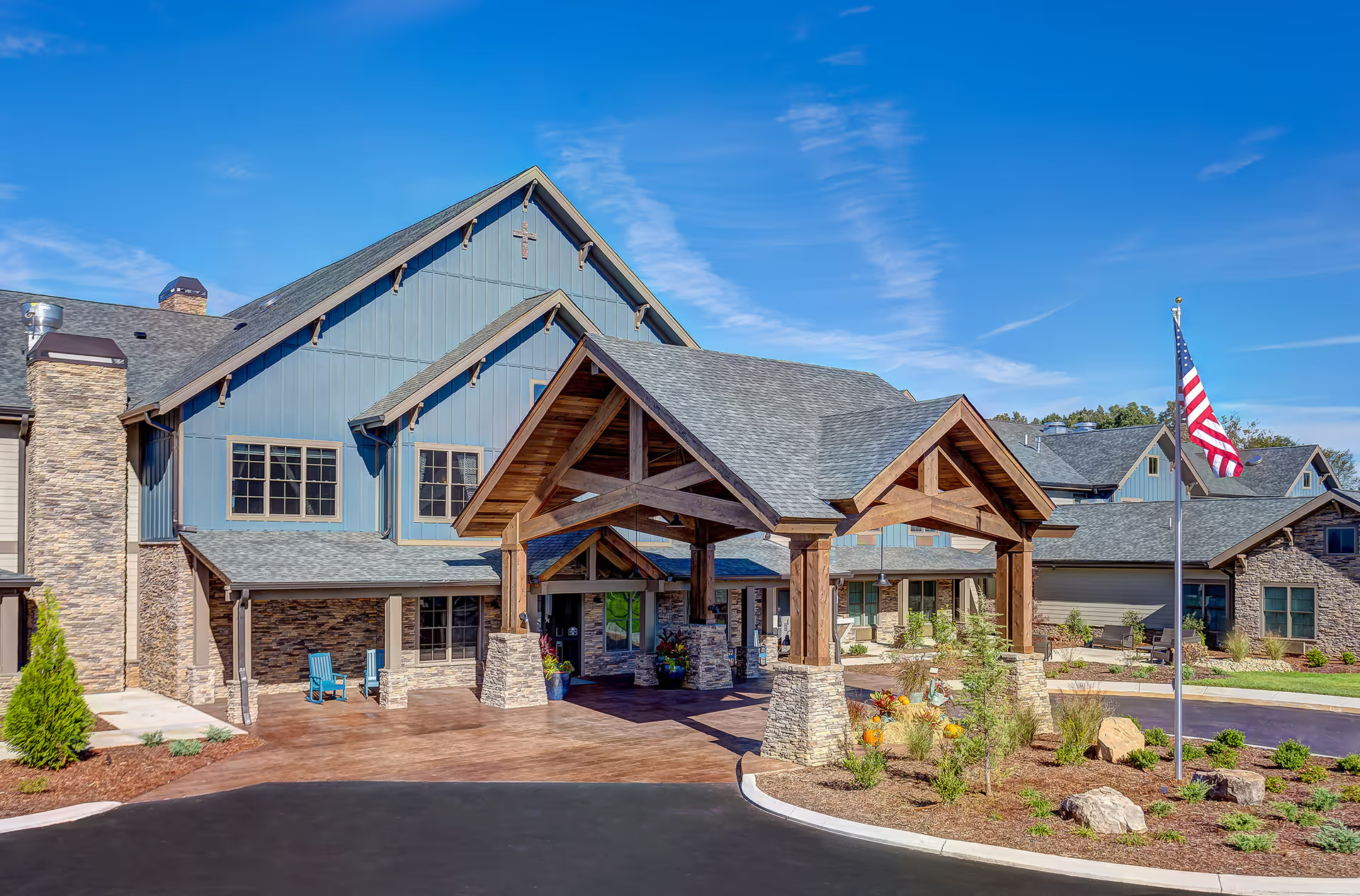
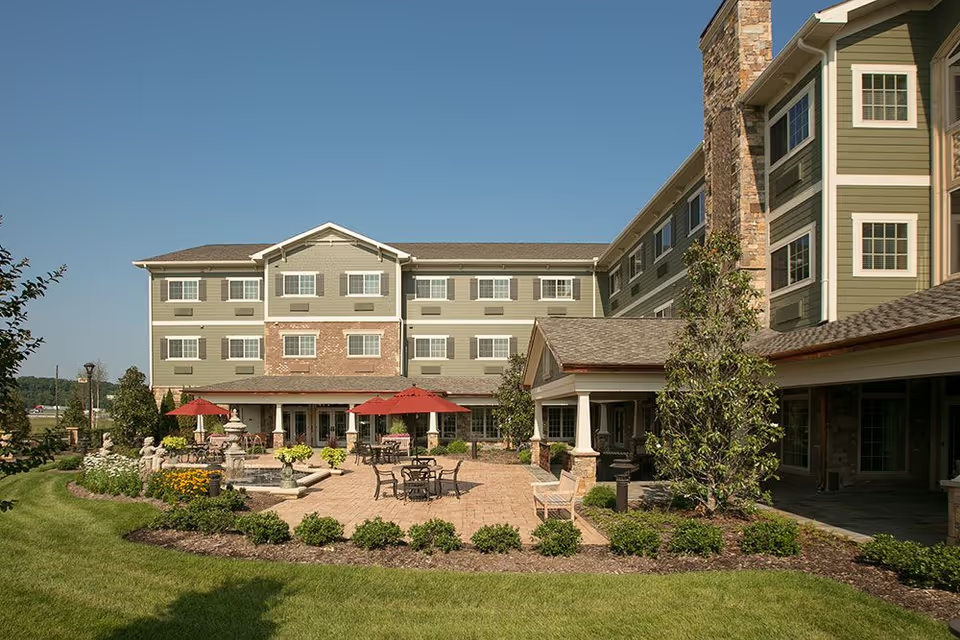
Facility environment and housekeeping are described as variable by location. Some wings were described as clean, with helpful housekeeping and larger rooms, while others had sanitation concerns and localized mold or odor issues in bathrooms or common areas. These descriptions point to disparities in environmental maintenance across units and to the potential impact of staffing on housekeeping performance.
Management and administrative processes show patterns worth scrutinizing. Reviewers cited gaps in family notification, record-keeping, property handling (missing or moved belongings without clear notification) and perceived emphasis on billing or cost. Unit-to-unit variability was a common theme, suggesting that leadership and staffing at the wing level influence day-to-day resident experience.
Overall impression and guidance: the facility demonstrates clear strengths in rehabilitation and in areas where staff continuity and leadership are strong, and several families expressed gratitude for compassionate caregiving. However, persistent themes — inconsistent clinical monitoring and medication practices, uneven housekeeping and environmental upkeep, communication shortfalls with families, and variable unit-level quality — warrant careful inquiry by prospective residents and families. Recommended steps include touring multiple units at different times of day, asking for staffing ratios and medication administration protocols, reviewing incident-reporting and physician‑notification procedures, and requesting recent environmental inspection or infection-control documentation to better understand how the facility addresses the variability described in reviews.