Overall impressions of Jordan River Health Campus are mixed but largely polarized: many families and visitors praise the facility's environment, staff demeanor, and clinical successes, while others describe operational weaknesses that have affected individual care experiences.
Care quality: Numerous accounts highlight compassionate, attentive caregiving and successful outcomes from rehabilitation and therapy programs. Several families credited the staff with meaningful clinical improvements and with creating a reassuring, family-like atmosphere in which residents are known personally. However, there are recurring operational concerns tied to clinical processes: timing and documentation of medication administration, hydration- and infection-related hospital transfers, and gaps in wound assessment and charting. Those issues suggest variability in clinical reliability depending on staffing and shift coverage.
Staff and staffing patterns: The workforce is frequently described as kind, patient, and engaged when regular staff are present; visible leadership and helpful admissions personnel are also repeatedly praised. At the same time, reviewers identify inconsistent staffing levels, frequent use of agency or temporary personnel, and turnover in clinical leadership as contributors to discontinuity of care. Families reported particular strain around weekends and certain shifts, and some described delayed responses to nurse calls during understaffed periods.
Dining and activities: Dining and programming receive substantial positive feedback—many reviews note generous portions, appealing presentation, and enjoyable meals; activities (including memory-support programming) are described as engaging and well-run. Nevertheless, there are patterns of inconsistency: occasions of cold meals, errors with dietary accommodations (for example, diabetic meal mismatches), and limited access to snacks for residents with reduced mobility. Prospective families should ask about meal protocols for restricted diets and support for non-ambulatory residents.
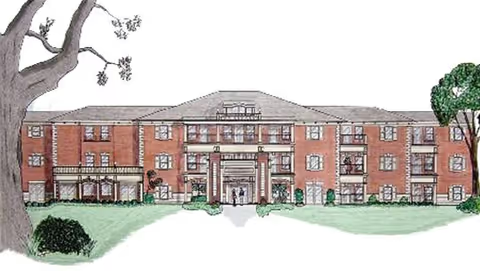
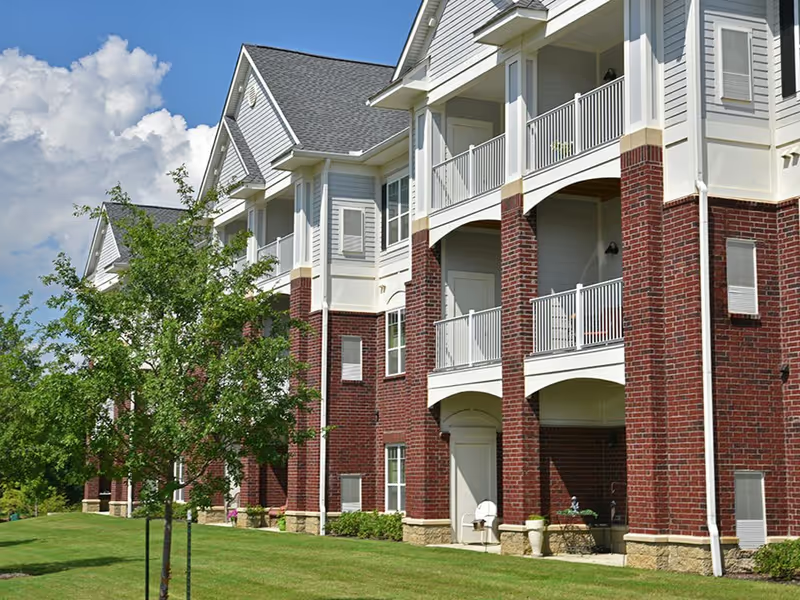
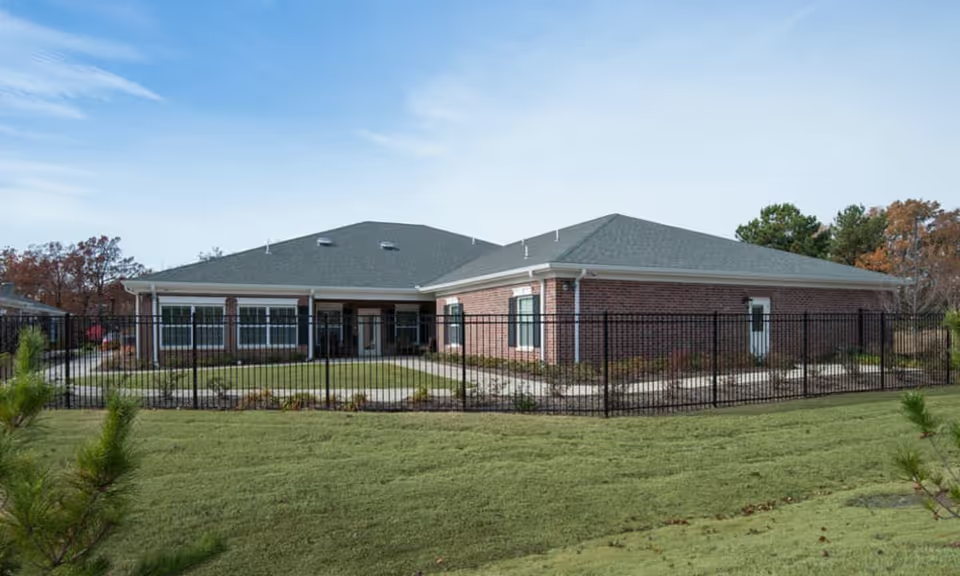
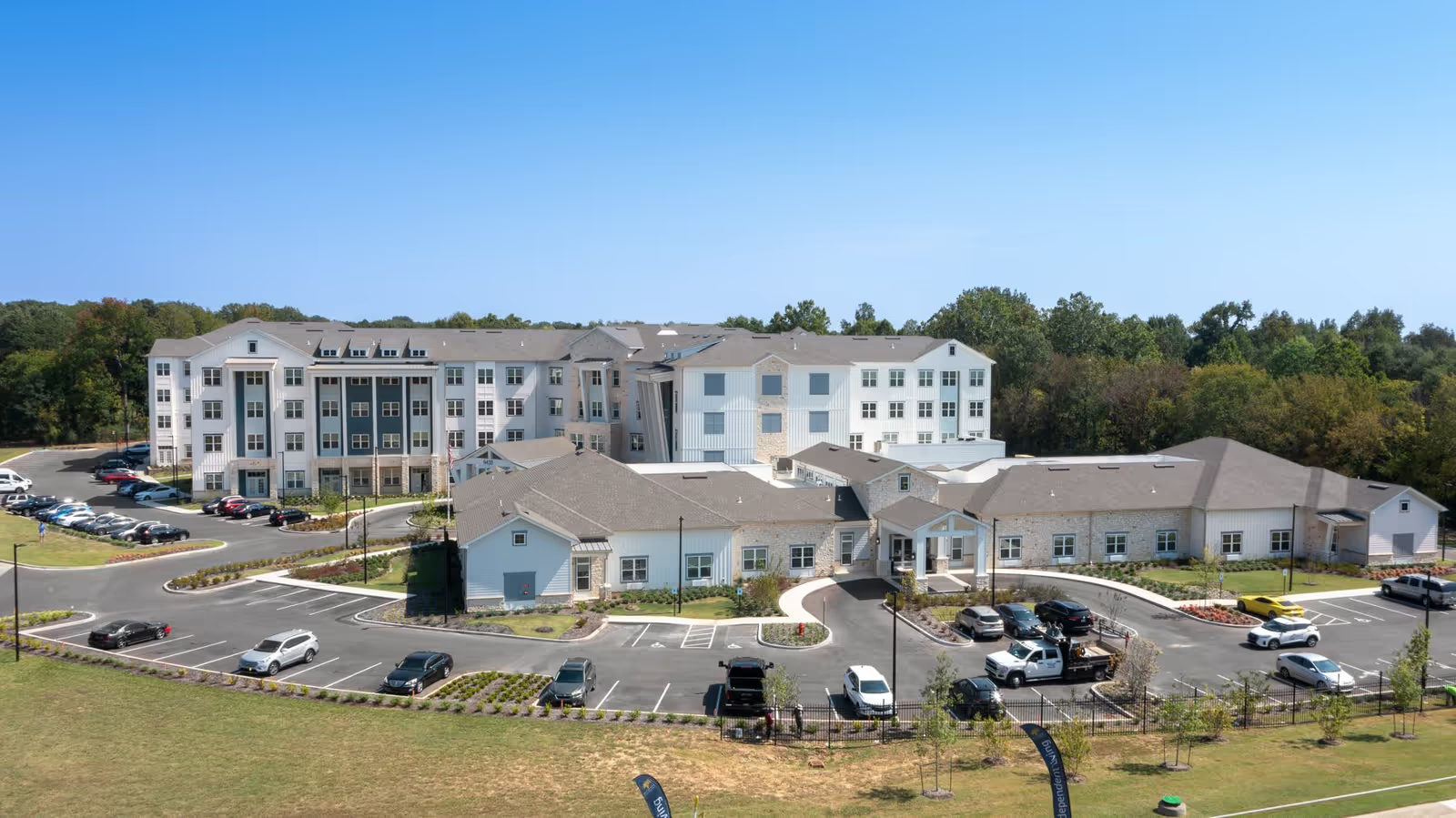
Facilities and accessibility: The physical plant is consistently praised as new, immaculate, and well designed: spacious rooms, abundant natural light, and attractive common areas are frequent highlights. A few practical concerns arise around accessibility at specific points of entry (for example, check-in procedures and automated screening that can be difficult for wheelchair users), so visitors should assess entry logistics during a tour.
Management, communication, and documentation: Admissions and front-desk staff, as well as some administrators, receive positive remarks for professionalism and helpfulness. Counterbalancing that, multiple reviews note problems with phone responsiveness, full voicemail boxes, an unresponsive nurses' desk at times, and follow-through on requests. There are also mentions of inconsistent or incomplete documentation practices and isolated allegations regarding record accuracy; these point to an area where families may wish to obtain written policies and clarify documentation/communication expectations.
Notable patterns and practical guidance: Jordan River appears to offer a high-quality physical environment and many instances of excellent, compassionate care, especially when regular staff and therapists are present. At the same time, recurring operational themes—staffing variability, reliance on agency personnel, medication- and documentation-related gaps, and intermittent communication breakdowns—have affected some residents' experiences. Prospective residents and their families should tour the campus, ask specific questions about staffing ratios (including weekend and night coverage), medication administration protocols, dietary accommodations, documentation and incident-reporting procedures, and accessibility of entry systems before making a placement decision.