Starr Regional Health and Rehabilitation presents a mixed but informative profile. The facility offers substantial acute-care infrastructure — including a 24-hour emergency department, helipad, and pathways for rapid transfer to regional hospitals — plus on-site outpatient surgery and diagnostic services (lab, X‑ray, CT) during standard business hours. Its inpatient rehabilitation services are frequently highlighted as a strength, and many reviewers attribute functional recovery and successful discharge home to the rehabilitation team and coordinated therapy staff.
Staff and clinical leadership receive frequent praise. Reviewers commonly describe nurses, therapists, and certain admission or care-coordination staff as attentive, compassionate, and effective; named individuals were singled out for smooth admissions and meaningful rehabilitation support. Several accounts cite engaged physicians and prompt acute-care response, which supports the facility’s role as a transitional and post-acute provider.
However, reviewer experiences are polarized and point to operational variability. While some residents experienced substantial improvement, others described declines in function and extended stays without expected progress, suggesting inconsistent rehabilitation outcomes and clinical-care continuity across units. Related operational themes include concerns about medication management, hydration and nutrition coordination, and wound-care or incontinence-care handling. Communication lapses with families — including limitations on visitation and delayed notification of clinical changes — are also recurrent issues raised in narratives.
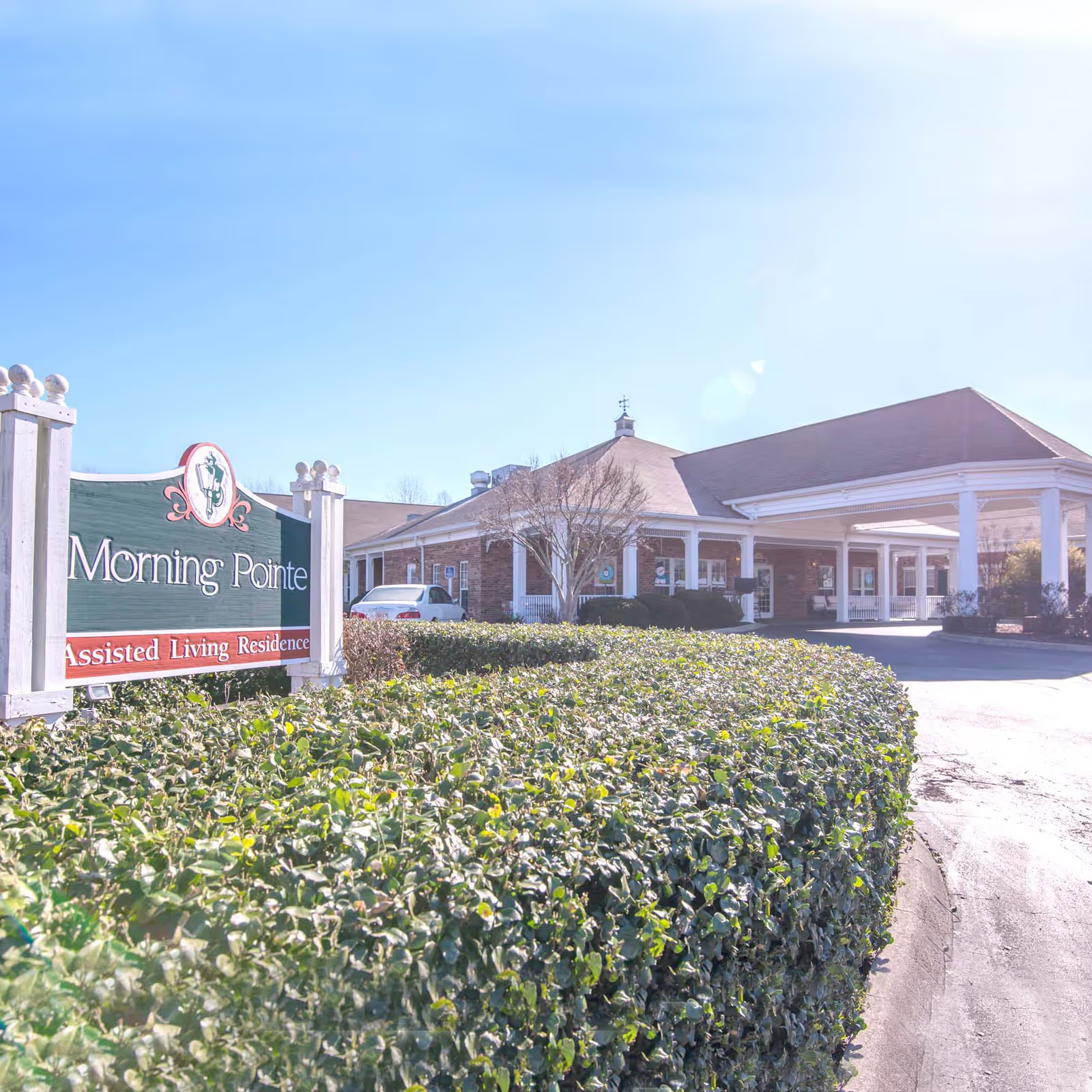
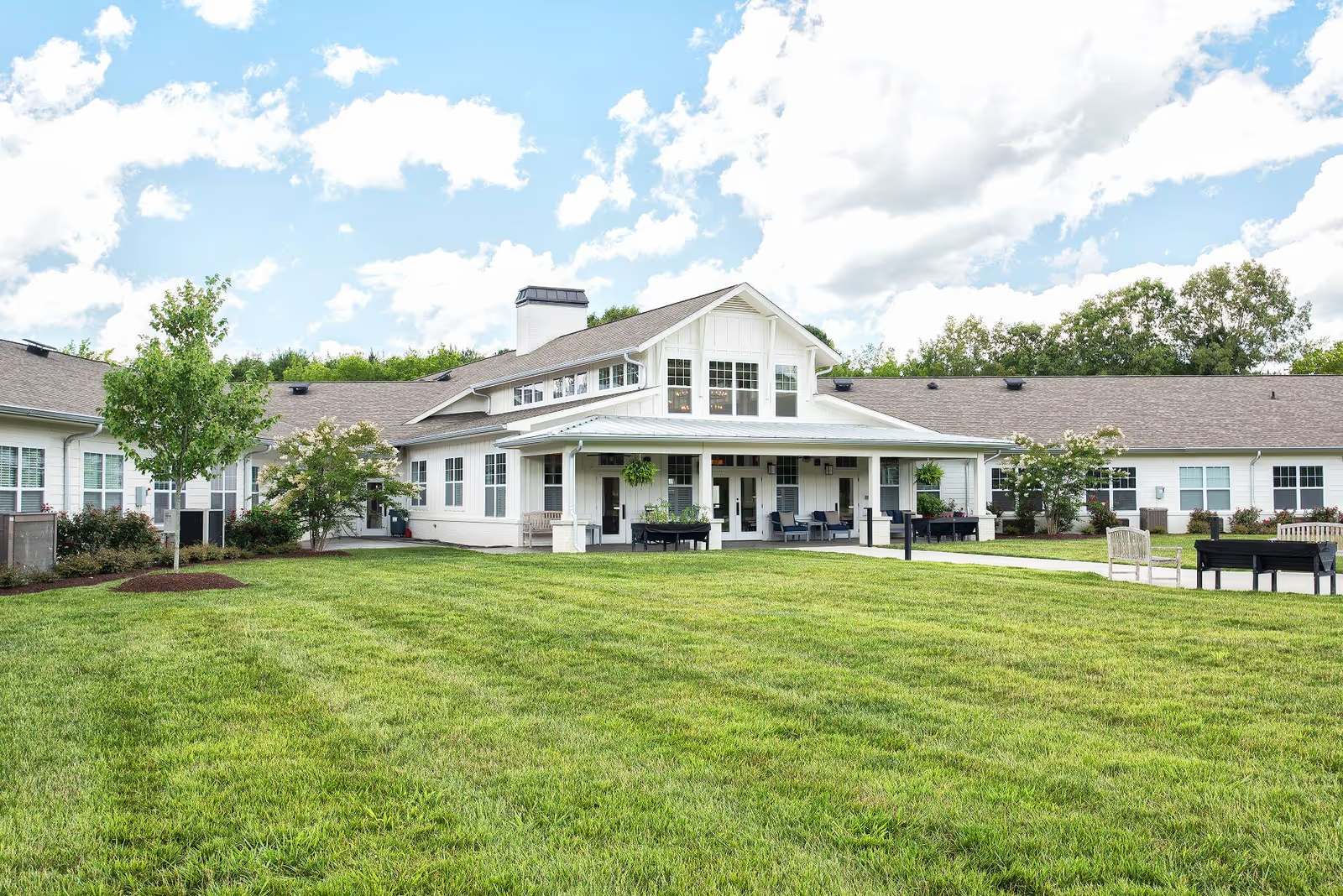
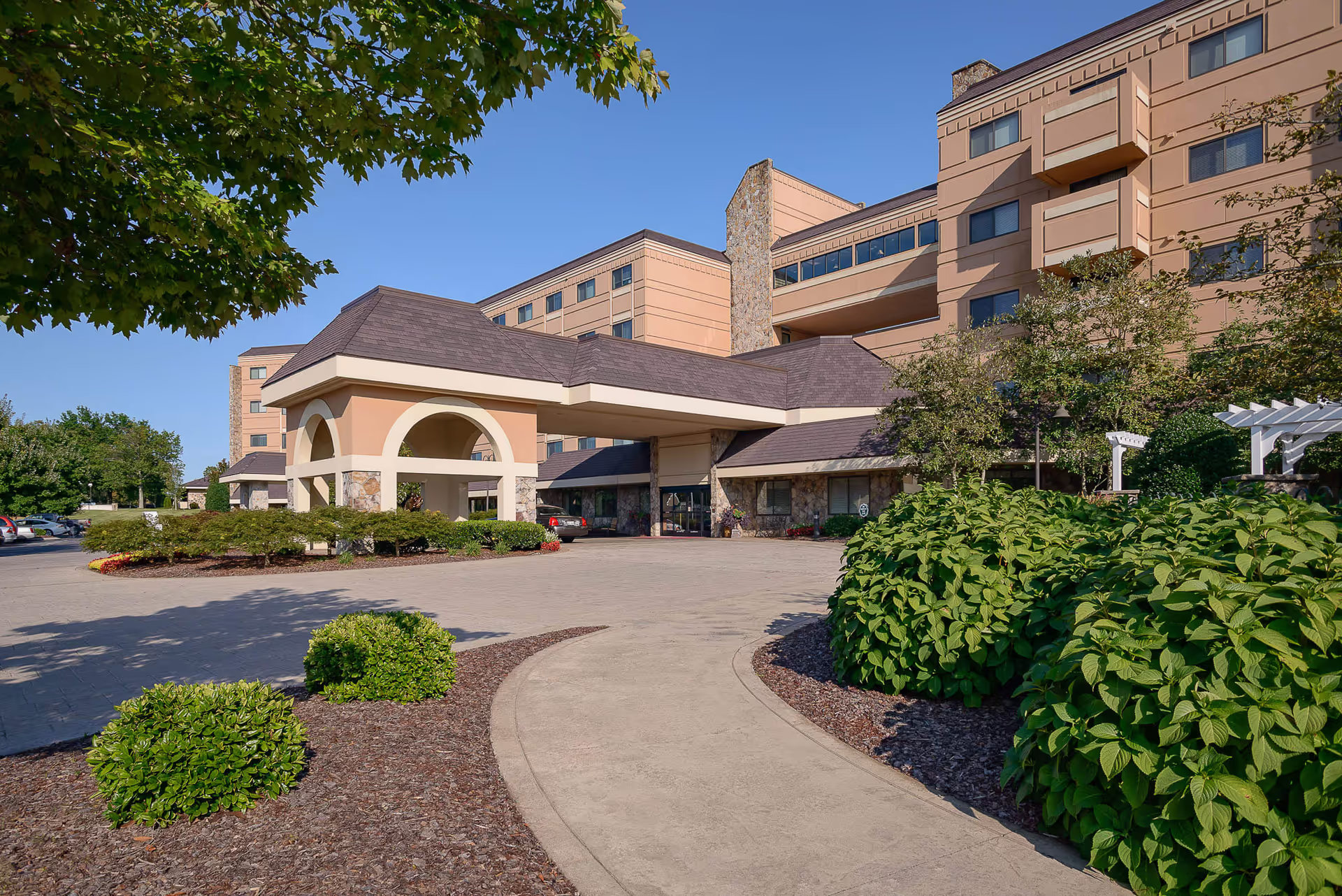
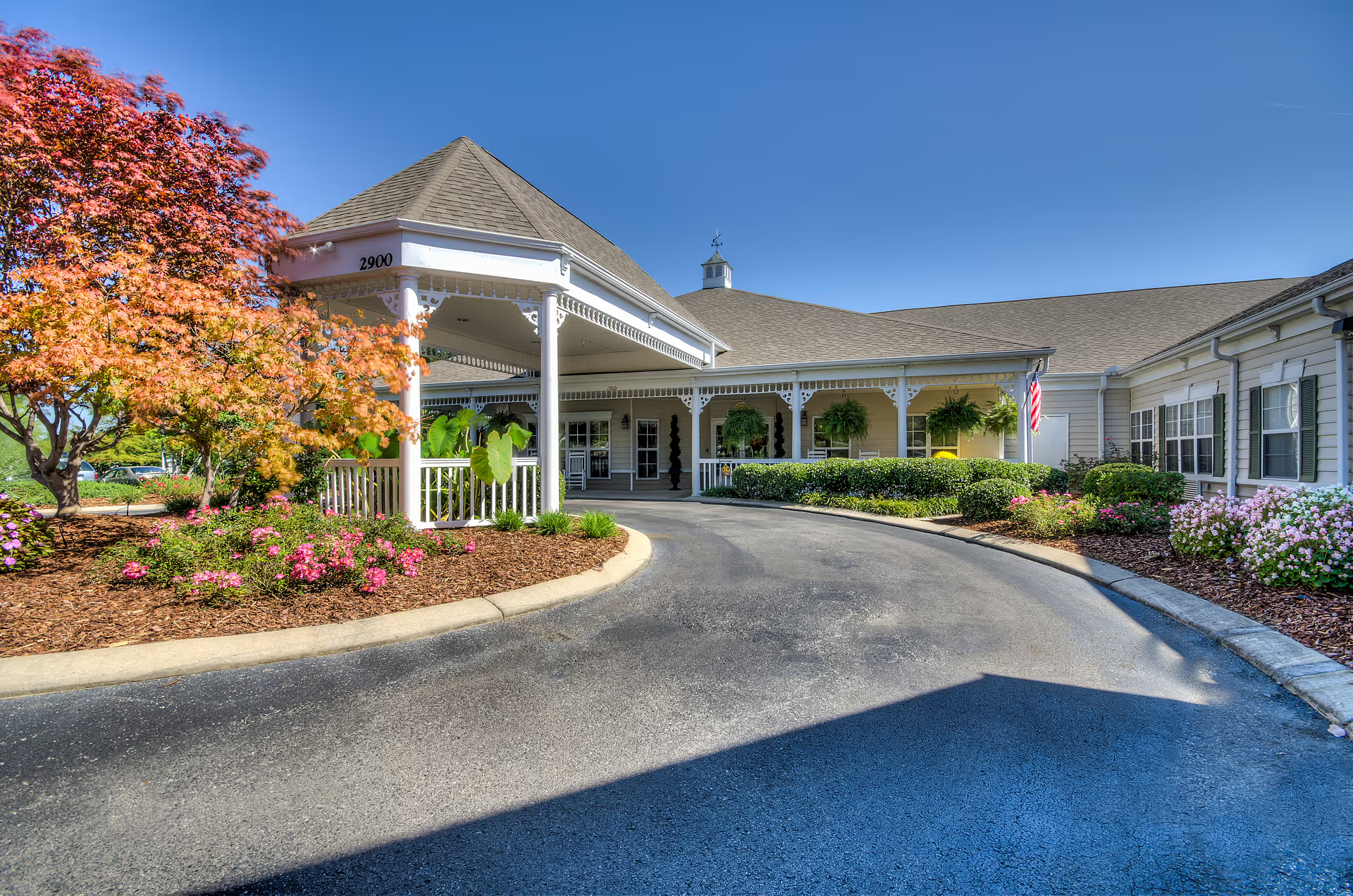
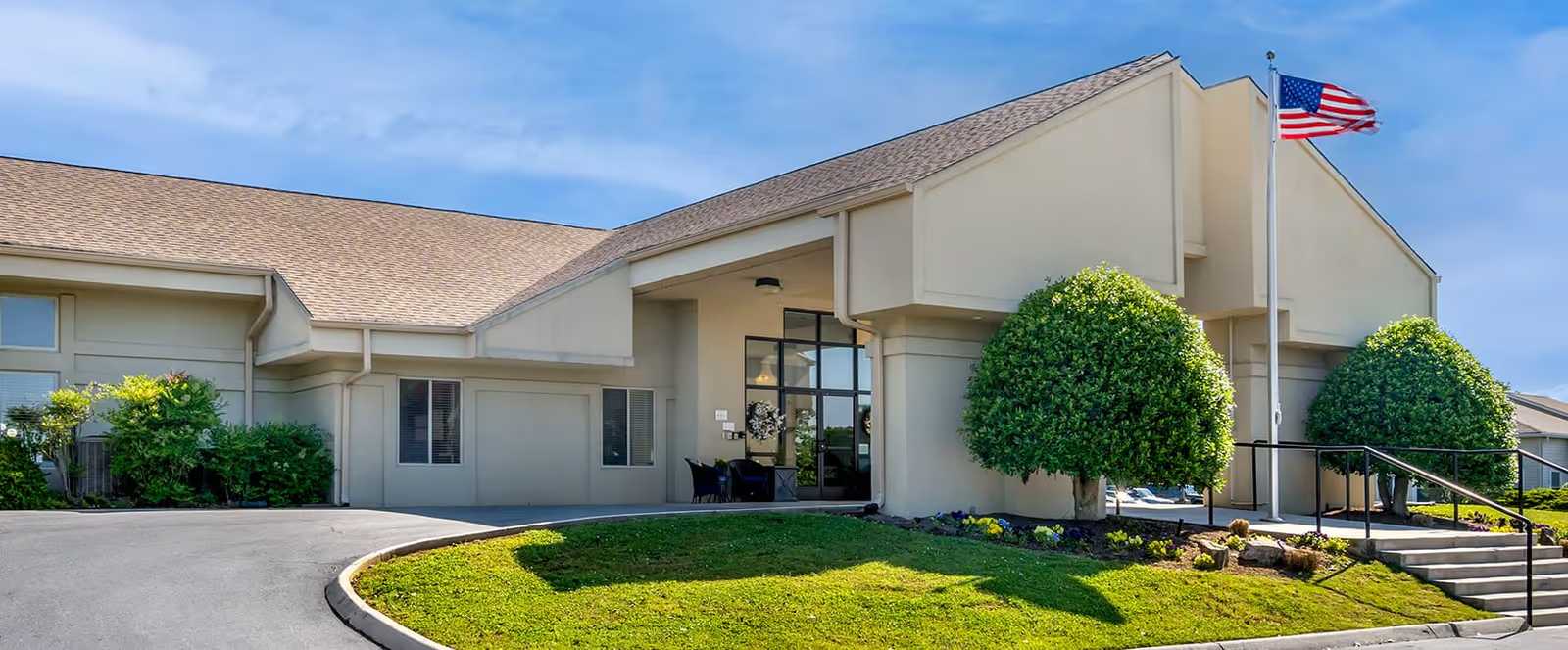
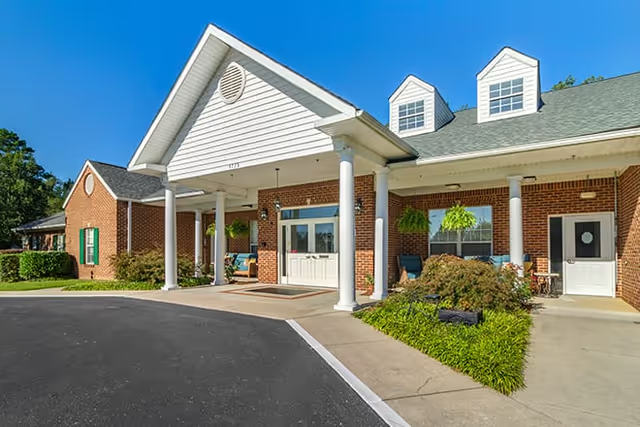
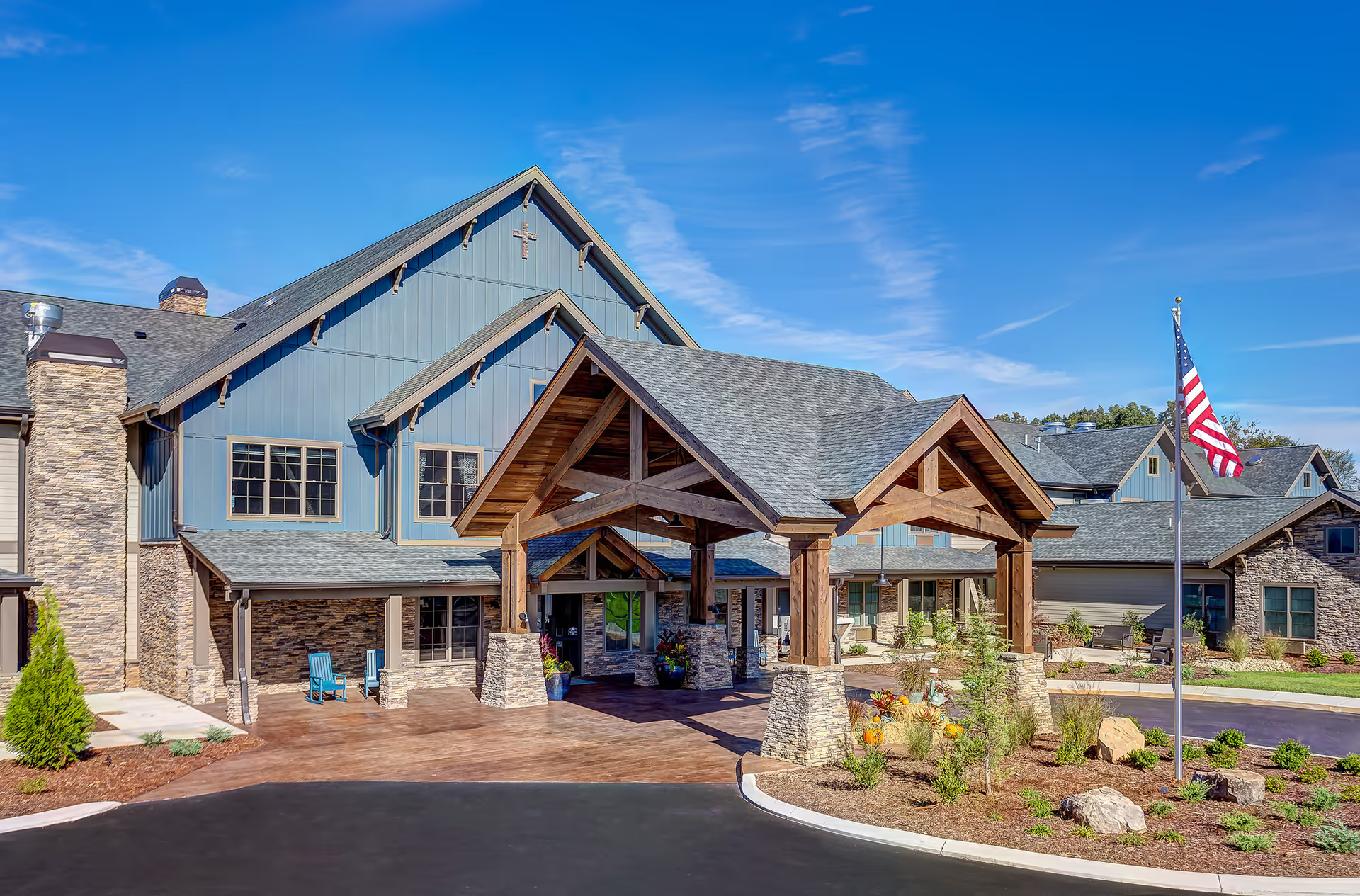
Facility maintenance and environment are described positively: reviewers note a clean, home-like atmosphere and well-kept common areas. Management-strength indicators include efficient admission procedures and staff members who facilitate discharge planning. At the same time, limitations in diagnostic services outside business hours are a practical constraint to consider, and reviews point to variability in how visitation and end-of-life coordination are handled.
Review coverage is thin on dining and activities; reviewers focused largely on clinical care and operations, so prospective residents should request specifics about meal quality, menu accommodations, and daily activity programming during a tour. Similarly, staffing levels, medication-administration protocols, wound-care practices, and recent regulatory survey findings are not consistently described and should be verified directly with facility management.
In summary, Starr Regional offers meaningful clinical infrastructure and a well-regarded rehabilitation program with many examples of positive outcomes and committed staff. Counterbalancing those strengths are patterns of inconsistent care continuity, communication gaps with families, and operational limits such as imaging availability outside business hours. Families considering this facility should tour in person, meet the rehabilitation and nursing leads, review care protocols for medications and wound/incontinence management, and request recent inspection or quality metrics to assess how the facility’s strengths and weaknesses align with the prospective resident’s needs.