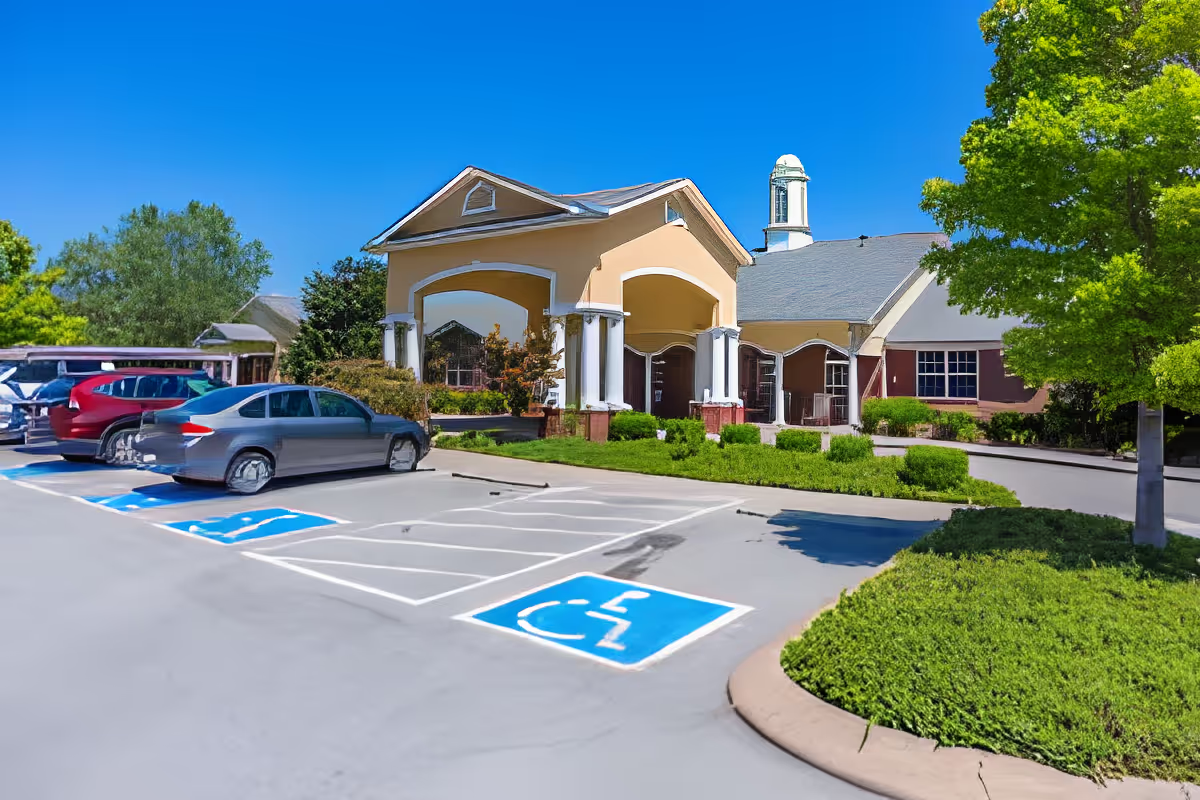
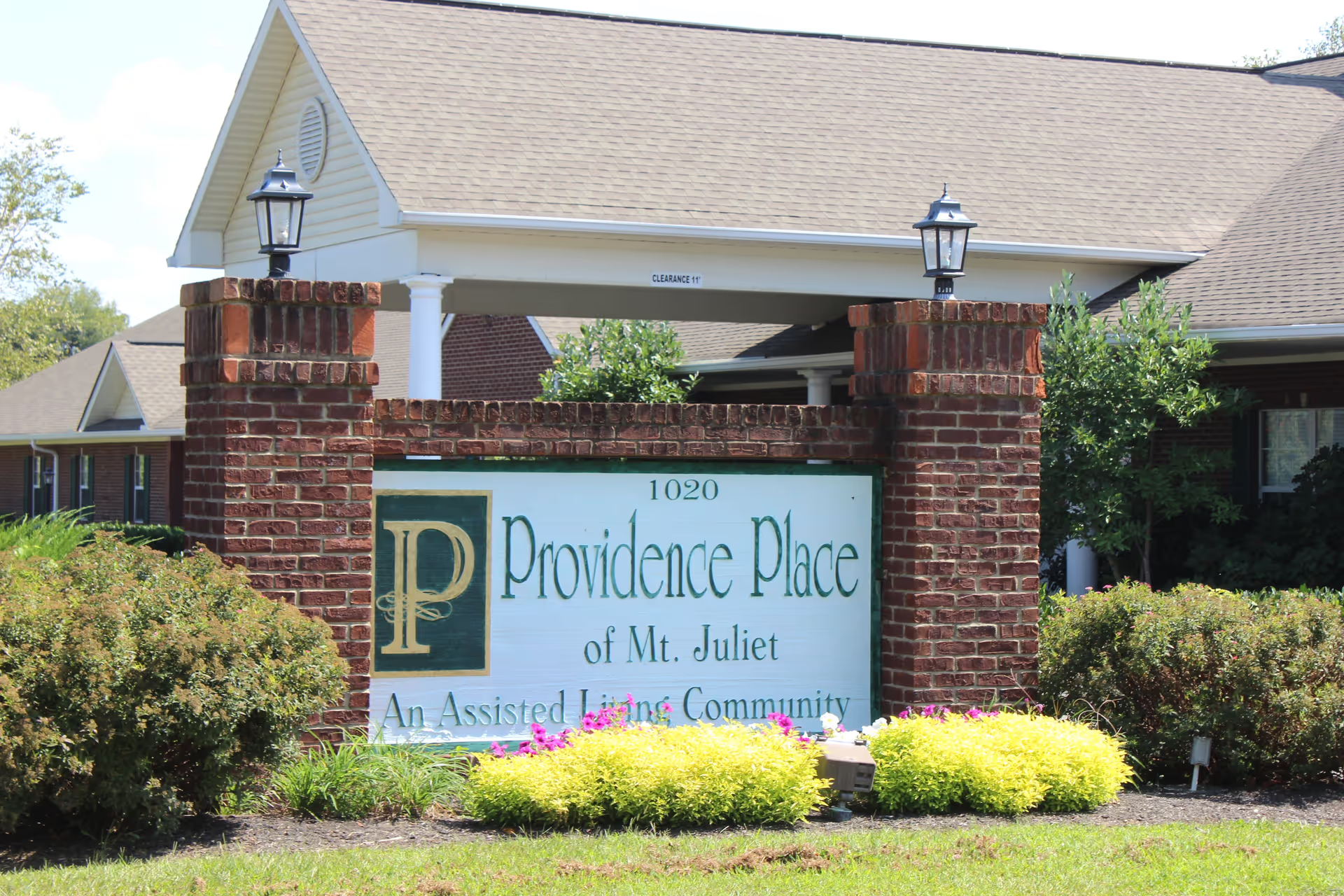
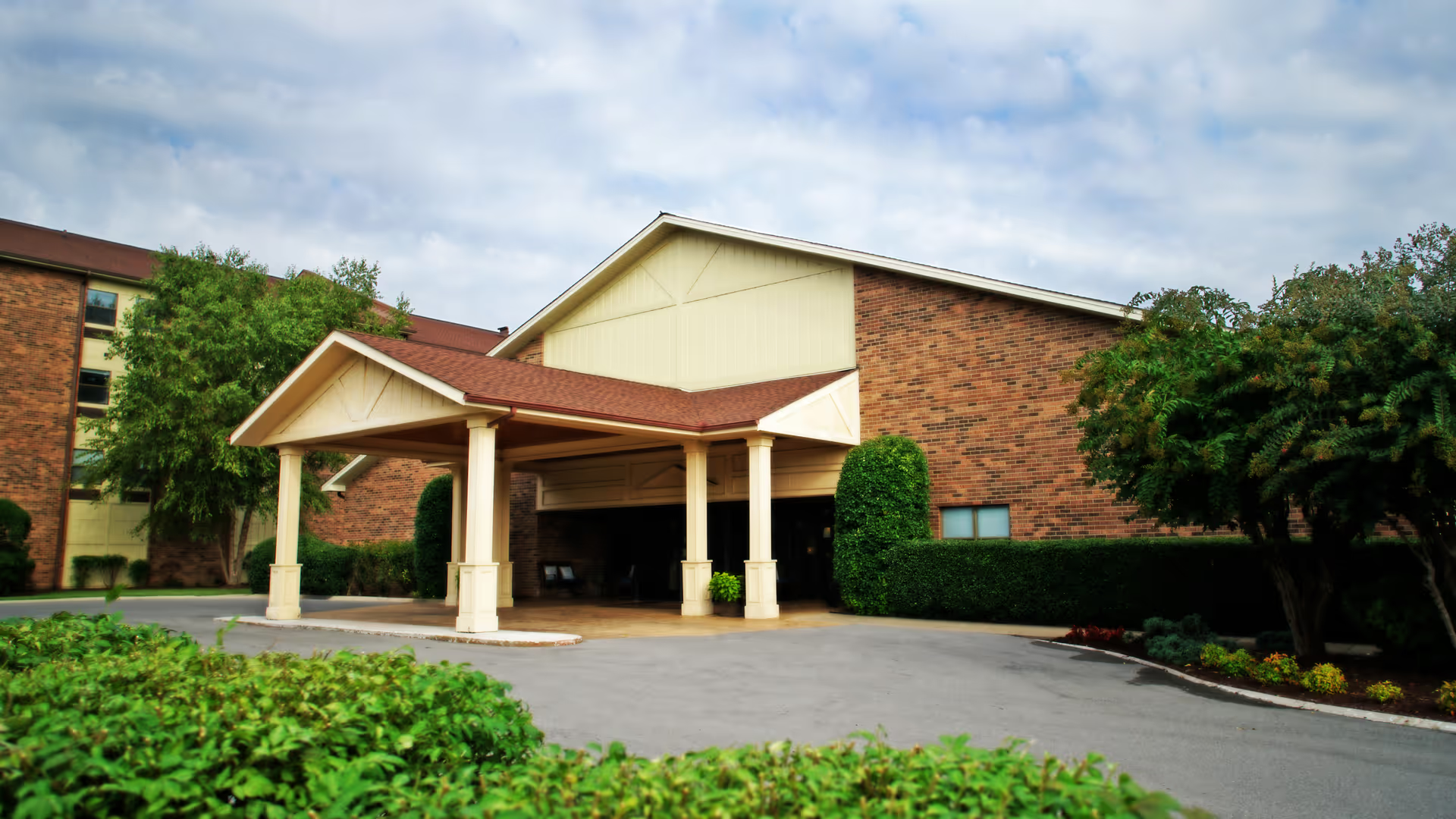
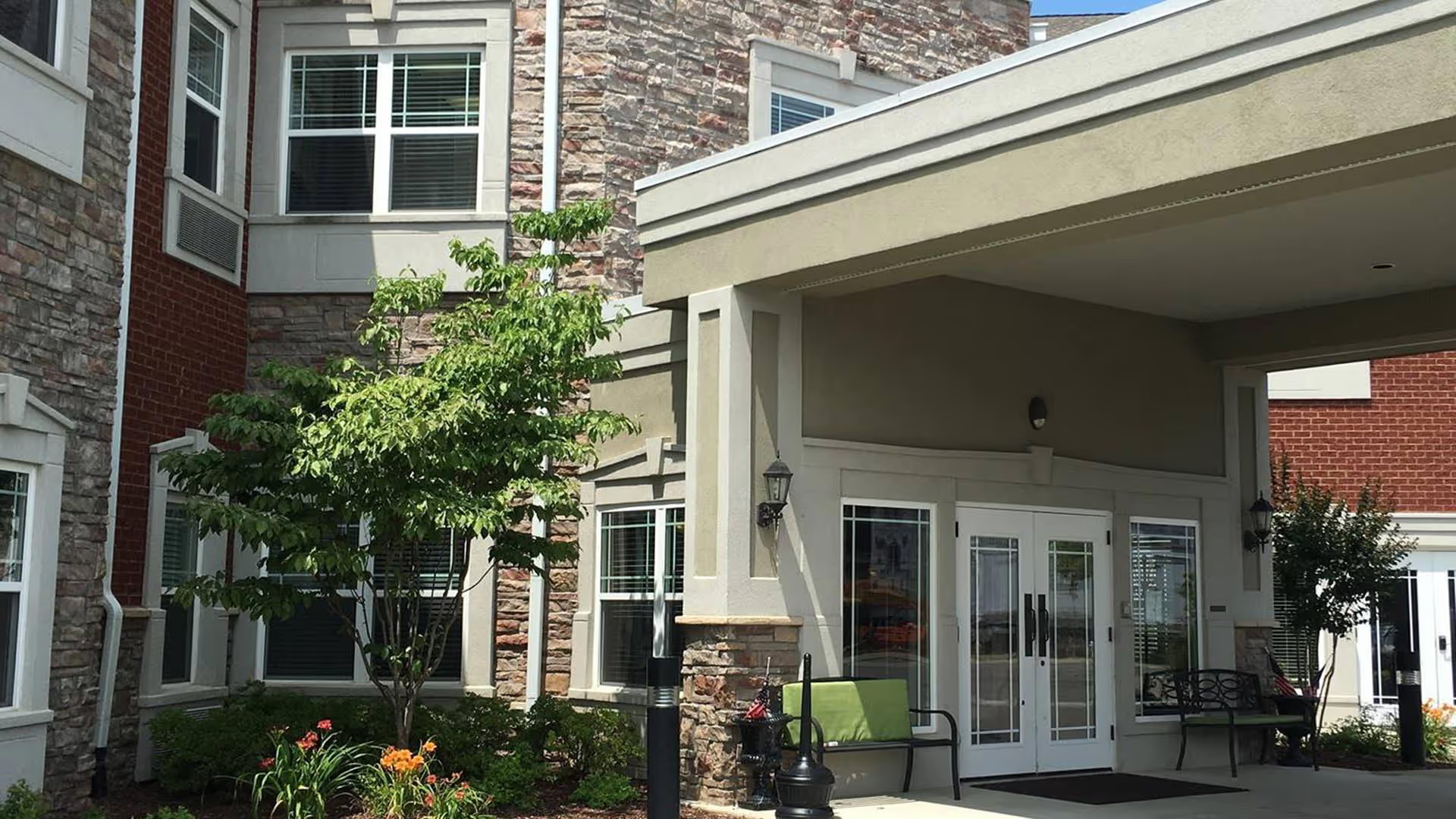
The McKendree Senior Living presents as a large, multi-level campus with many of the amenities and programmatic elements families commonly seek: an active life-enrichment calendar, on-site rehabilitation services, indoor pools and fitness areas, chapel and faith programming, a variety of social and creative offerings (art room, wood shop, movie theater), transportation and organized outings, and on-site clinical resources such as a pharmacy and hospice support. Many reviewers emphasize a warm social environment, a helpful move-in experience, and an engaged activities staff. Maintenance responsiveness and certain areas of cleanliness (coffee shop, movie room) are frequently cited as strengths, and numerous individual caregivers, therapists, and nursing staff receive specific praise for attentiveness and compassion.
At the same time, the collection of reviews shows notable variability in clinical care and operational consistency across units and shifts. Multiple accounts describe lapses in clinical oversight that include medication-administration errors, wound-care gaps, and premature insurance-driven discharges; these translate to an overall pattern of inconsistent clinical management. Staffing levels and staff turnover are recurring operational concerns: reviewers describe understaffed dining rooms, long call-light response times, and limited coverage during weekends or nights. Several families also raised concerns about the availability of registered nurses at all times and questioned whether memory-care staff have sufficient dementia-specific training.
Facility condition and maintenance present a mixed picture. Parts of the campus are well-kept and recently renovated, while other areas — particularly older buildings and some cottages — are described as dated or in need of repair. Reviewers note uneven housekeeping and sanitation practices in certain units, as well as occasional odor concerns in long hallways or common areas. Dining quality and service are similarly inconsistent across reports: some residents praise the food and multiple daily options, while others report cold meals, staffing shortages in the dining room, and limited accommodation for specific dietary needs.
Communication and administrative processes emerge as a third theme. Families commend staff members and case managers who provide proactive updates and coordination, yet other accounts describe delays in family notification following incidents, opaque billing or contract disagreements, and frustration with responsiveness from certain administrative staff. Property-management issues — lost personal items and inconsistent follow-through on cottage repairs — are mentioned often enough to suggest procedural gaps.
Taken together, the pattern in reviews indicates that resident experience at McKendree can depend heavily on specific units, shifts, and individual staff. Strengths center on a robust amenities package, an active social environment, accessible rehab services, and many dedicated caregivers. Areas for prospective residents and families to probe during a tour include: current staffing ratios and RN coverage, wound-care and medication-administration protocols, call-light response metrics, dementia-care training and staffing in memory units, dining-service staffing and accommodation policies, maintenance response times for cottages and older units, and billing/contract terms. Asking for recent quality or inspection data, and speaking directly with unit-level clinical leadership, may help families gauge whether the facility’s strengths align with their medical and daily-living needs.