Reviewer feedback for Huntsville Post-Acute and Rehabilitation Center is strongly mixed, with a clear split between consistently positive descriptions of front-line caregivers and therapy services and a set of operational concerns that recur across reviews. Many families and residents emphasize the facility's strengths in interpersonal care and rehabilitation outcomes, while other accounts raise serious questions about responsiveness, sanitation-related practices, and management reliability. Prospective families should weigh both sets of themes and verify current conditions during an in-person visit.
Care and staff: A dominant theme is appreciation for the nursing staff, CNAs, and therapy teams. Reviewers frequently describe caregivers as compassionate, attentive, and willing to go beyond assigned duties; several named individual staff members and praised the therapy department's effectiveness in mobility and rehabilitation goals. At the same time, there are recurrent operational issues: inconsistent staffing levels (notably overnight), delayed responses to call lights and care requests, and variability in staff engagement on some shifts. These patterns translate into uneven resident experiences — many report excellent, consistent care, while others report delays in basic attention and dissatisfaction with staff responsiveness.
Dining and activities: The activities program is repeatedly noted as a strength, with structured events, social offerings, and small amenities (coffee bar, popcorn, snacks) contributing to a home-like atmosphere. Meals attract mixed feedback: several reviewers praised specific menu items and overall portioning, while others described variability in food quality and consistency. Families who prioritized social engagement and therapy-centered rehabilitation generally found the activity and therapy offerings beneficial.
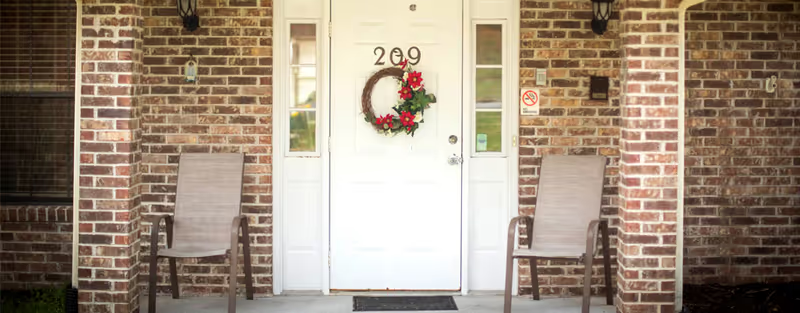
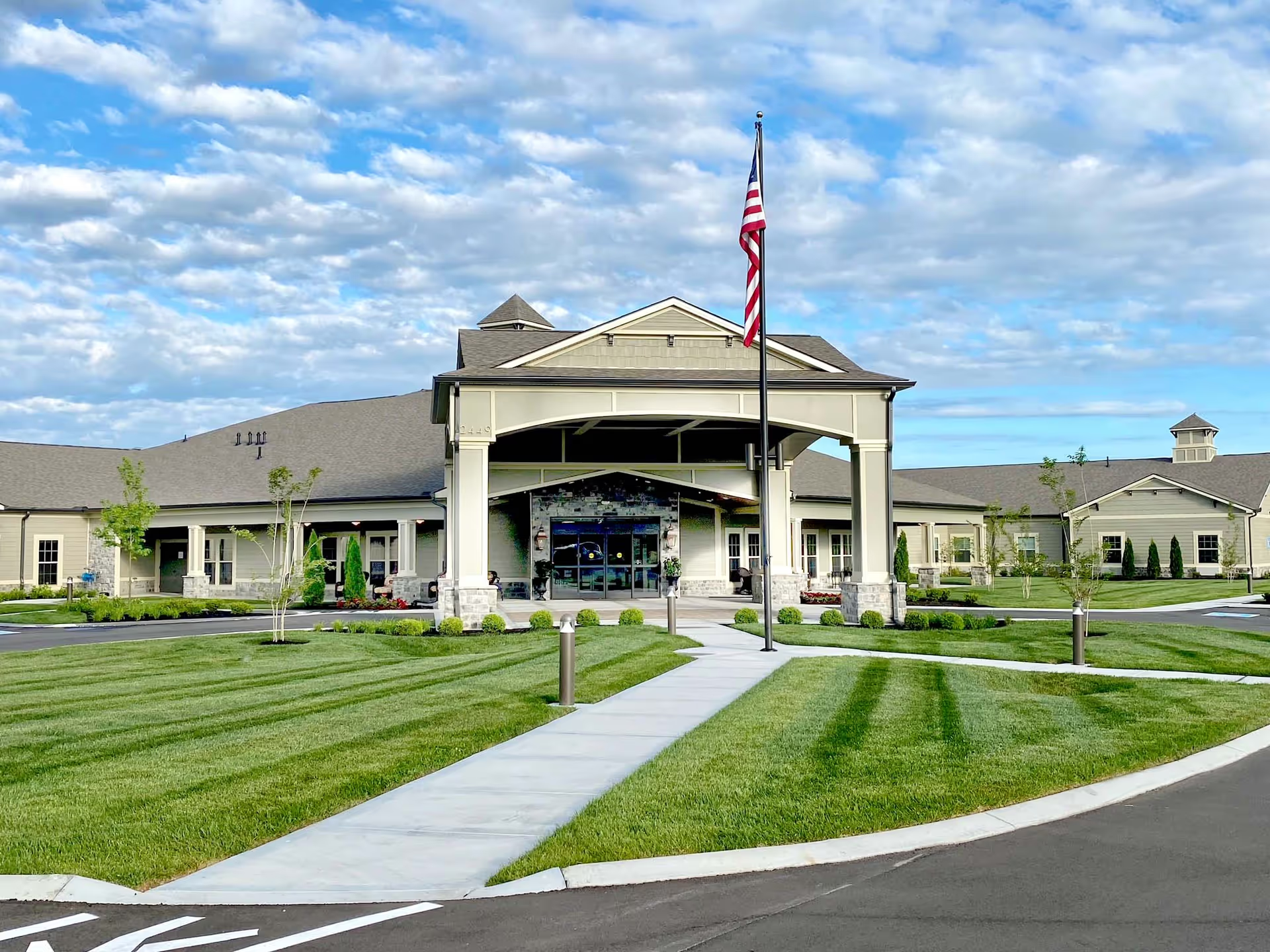
Facilities and clinical supports: Multiple reviewers described the facility as clean, attractively decorated, and comfortable; housekeeping and common-area presentation are often commended. Conversely, other reviews raised sanitation concerns and described gaps in equipment availability and maintenance (for example, call-system failures, mobility equipment, or specialized respiratory devices). Environmental comfort issues — including noise levels, temperature control, and exposure to smoke in some areas — were also reported. A few accounts include serious clinical concerns such as questions about medication management, misdiagnosis, or other care oversight; these are significant and warrant direct inquiry during any evaluation.
Management, communication, and logistics: Comments indicate mixed performance from administration. Some reviews note visible management efforts and improvements, while others point to poor communication with families, delayed or inconsistent responses to calls, billing and insurance coordination difficulties, and occasional problems with lost personal items or transport coordination. Transportation and hospital-transfer delays were mentioned as an operational weakness. These items suggest potential gaps in policies and consistency rather than a uniform absence of competence.
Notable patterns and guidance: The pattern is one of strong front-line caregiving and therapy capability coupled with variability in system-level reliability. For prospective residents and families, recommended steps include asking about current staffing ratios (day and night), verifying call-system reliability and maintenance schedules, reviewing recent state inspection reports, clarifying insurance and billing procedures, confirming respiratory and mobility equipment availability, and observing mealtime service and activity programming during a tour. Also inquire directly about incident reporting, medication oversight protocols, and how management addresses family concerns. These targeted questions will help determine whether the facility's prevailing strengths align with a given resident's needs and whether management has addressed the operational concerns cited in some reviews.