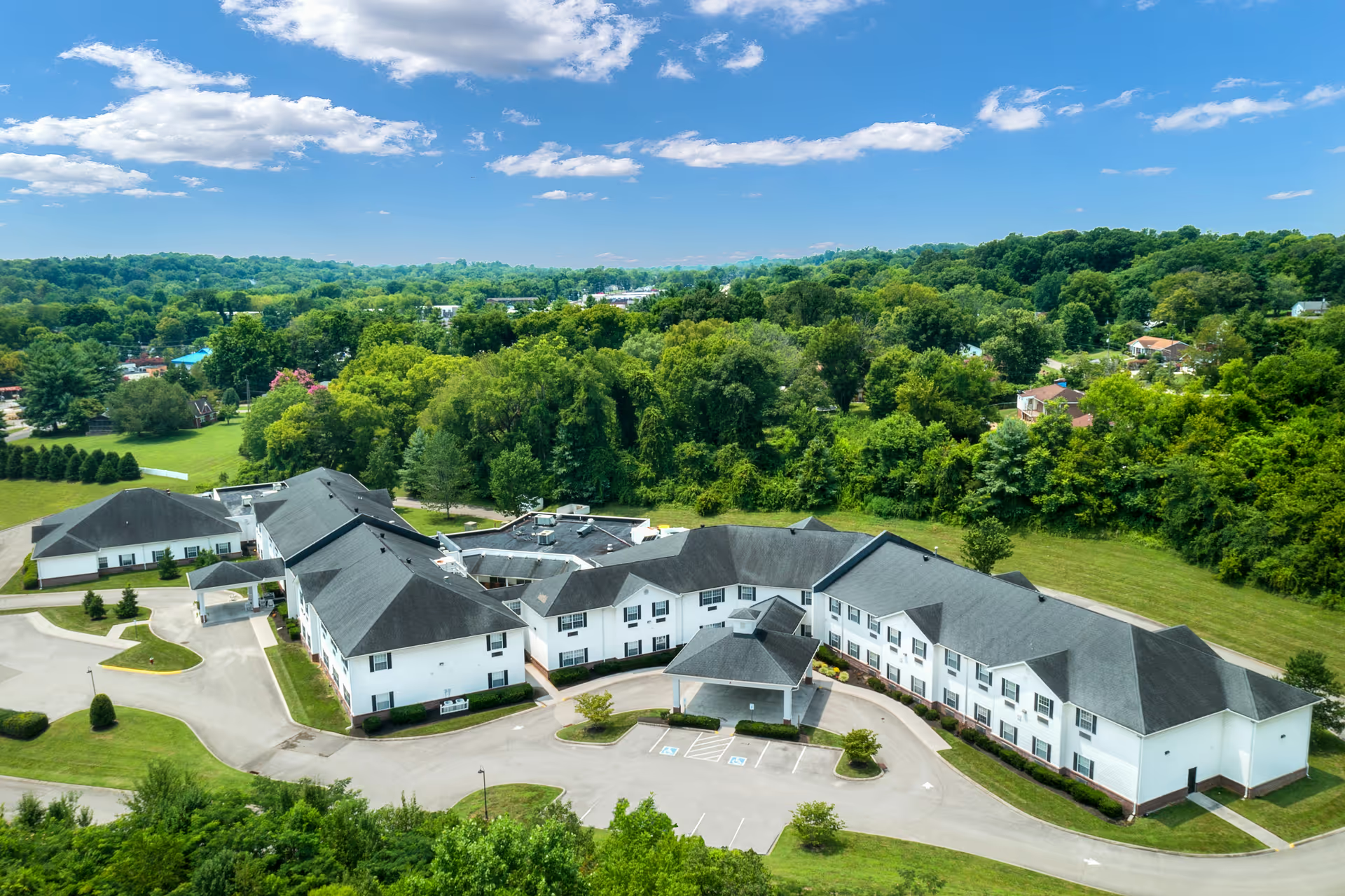
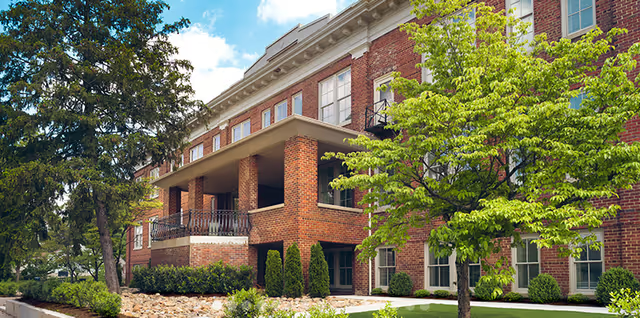
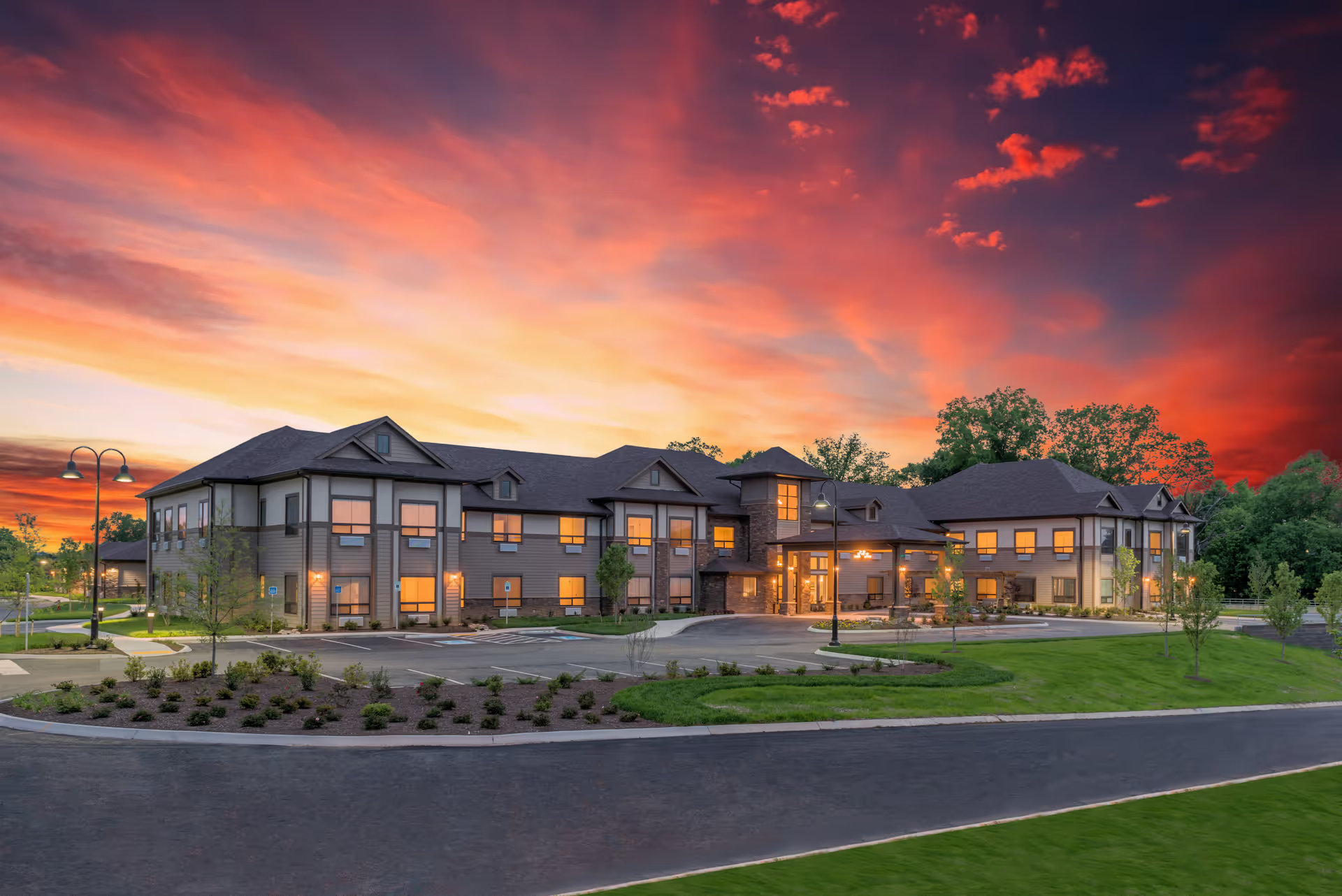
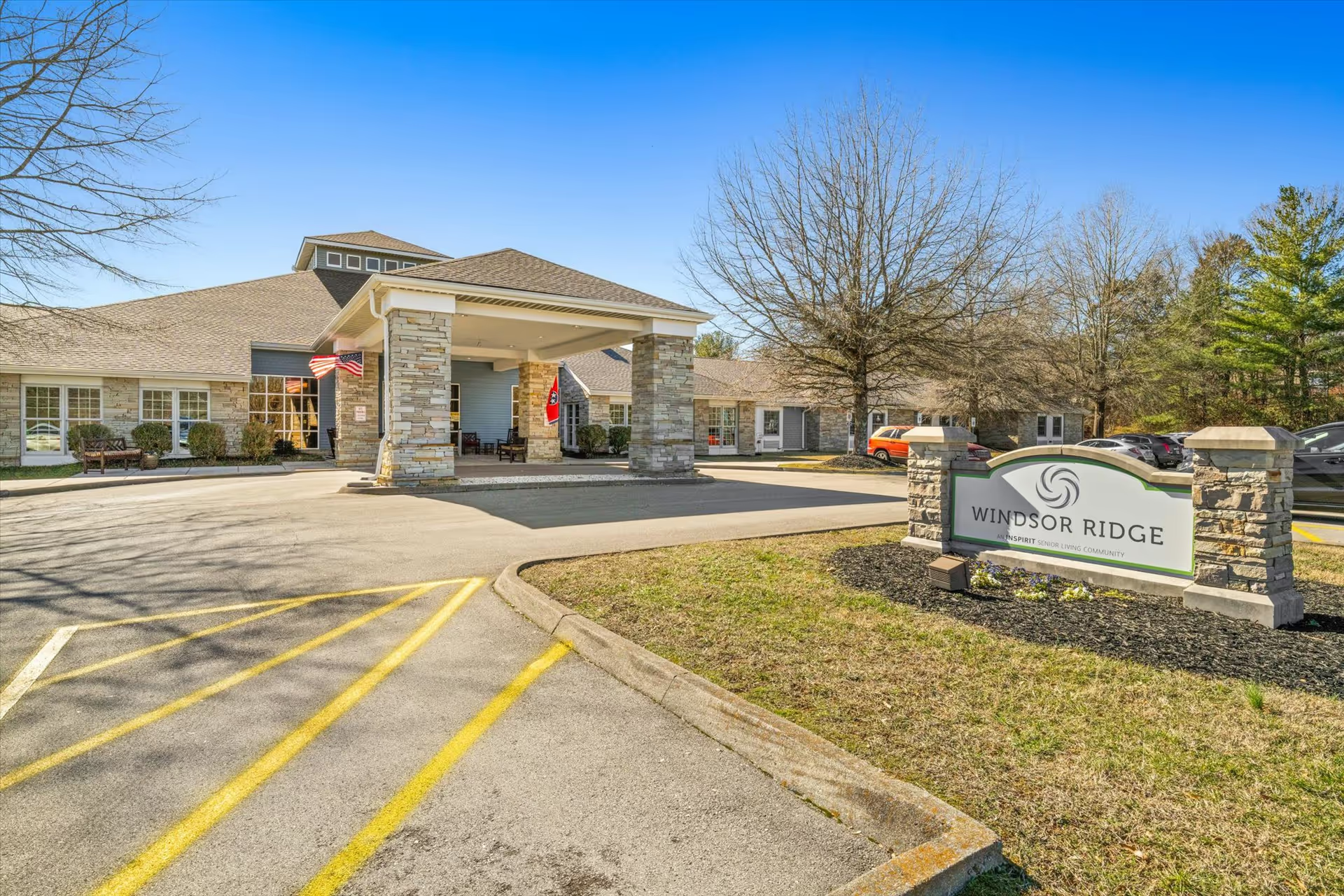
Holston Health and Rehabilitation Center presents a mixed profile: many reviewers praise the facility's physical environment, therapy capabilities, and engaging activity offerings, while others raise persistent operational concerns that affect routine care and safety. The facility appears well maintained with pleasant common areas (front porch, courtyard, activity spaces) and generally clean patient rooms. Admissions and administrative staff are frequently described as helpful and efficient, and the visitor sign‑in and online reservation systems are noted as user‑friendly. For short‑term rehabilitation, the center's therapy department (physical and occupational therapy) is a clear strength, with multiple accounts of effective programs that supported rapid mobility recovery.
Clinical-care observations are divided. Therapy and some nursing staff are characterized as knowledgeable, kind, and attentive; reviewers credited staff for positive rehabilitation outcomes and compassionate interactions. However, a recurrent operational pattern is chronic understaffing, especially among CNAs, producing high patient loads per caregiver. That staffing pressure is linked in reviews to delays in responding to call lights, slower toileting and personal‑care assistance, and what reviewers describe as inconsistent nursing support for frontline aides. Several families described gaps in basic clinical processes such as timely medication administration and pressure‑injury prevention, which raises safety concerns for residents with higher dependency.
Dementia care and behavioral management emerge as specific areas of concern. Reviewers noted limited staff training in dementia‑specific techniques and difficulty redirecting residents with cognitive impairment; some described reliance on pharmacologic approaches rather than nonpharmacologic redirection. For families considering long‑term placement for residents with Alzheimer’s or significant cognitive deficits, these patterns suggest caution and a need to verify staff competencies and care plans for behavioral symptoms.
Dining and food service are inconsistent across accounts. Positive comments about meals exist, but multiple reviewers reported poor food quality at times, limited variety for pureed diets, and instances of meal‑service disruption (for example, meals left in rooms until the next service). These operational weaknesses point to uneven kitchen processes and meal continuity problems that can affect nutrition and dignity.
Activities and the social environment are strengths: organized programs, live music, and an active calendar draw favorable comments about resident engagement. Facilities — including patios, a library, and communal spaces — support socialization and outdoor access. Administrative leadership is often described as professional and supportive during admissions and transitions; however, some families perceived management as efficient rather than personally involved in day‑to‑day caregiving.
Notable patterns for prospective residents and families: the center is frequently recommended for short‑term rehabilitation needs due to robust therapy services and welcoming facilities. Conversely, families seeking long‑term dementia care should seek specific assurances about staff training, behavioral‑management approaches, and staffing ratios. It is advisable to inquire directly about weekend staffing levels, response‑time metrics for call lights and emergencies, medication‑administration policies, pressure‑injury prevention protocols, and property‑loss safeguards. Overall, the facility demonstrates clear strengths in environment and therapy but also exhibits operational gaps tied to staffing and consistency of nursing care that may affect residents with higher medical or cognitive needs.