Overall impressions of Overton County Health & Rehab Center are mixed: reviewers consistently note strengths in clinical rehabilitation, facility cleanliness, and organized discharge processes, while describing operational weaknesses related to supervision, medication practices, and staff conduct. The facility is described as clean and quiet, and families highlighted a professional physical-therapy program and thorough discharge planning that included documentation, medications, and follow-up appointments.
Care and clinical services: Physical therapy is repeatedly described as experienced, professional, and well delivered; families found therapy sessions enjoyable and effective. Nursing care receives both positive and negative comments. Several accounts praise attentive, caring nursing staff and knowledgeable clinicians, but others identify concerning practice-level issues such as medication-management gaps and inconsistent sharing of clinical information with nursing assistants. These operational deficits can affect continuity of care and the ability of direct-care staff to respond appropriately to resident needs.
Staff, conduct, and communication: Reviewers describe generally caring staff alongside instances of confrontational interactions and inconsistent professionalism. One family described a confrontational interaction around a discharge decision; other comments point to failures in staff communication and tone. There are also concerns about limited transparency and follow-through after adverse events — for example, a lack of clear explanations around how an injury occurred. Together these suggest opportunities to standardize staff communication training, incident investigation, and family engagement.
Safety and daily care routines: Specific safety-related concerns focus on supervision during personal-care activities such as bathing and toileting and on transfer/supervision practices more broadly. These comments indicate potential gaps in staffing practices, supervision protocols, or assignment clarity during higher-risk care activities. Strengthening supervision protocols and handoff communication could reduce these risks.
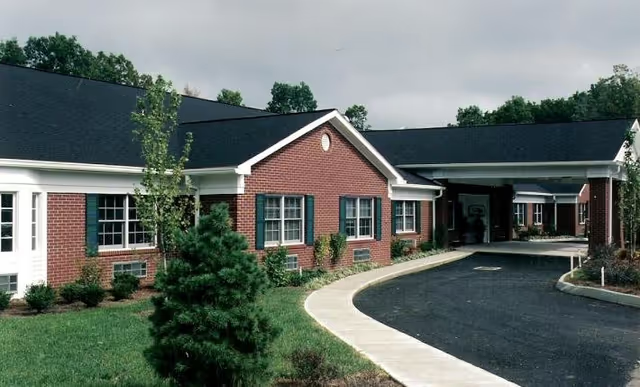
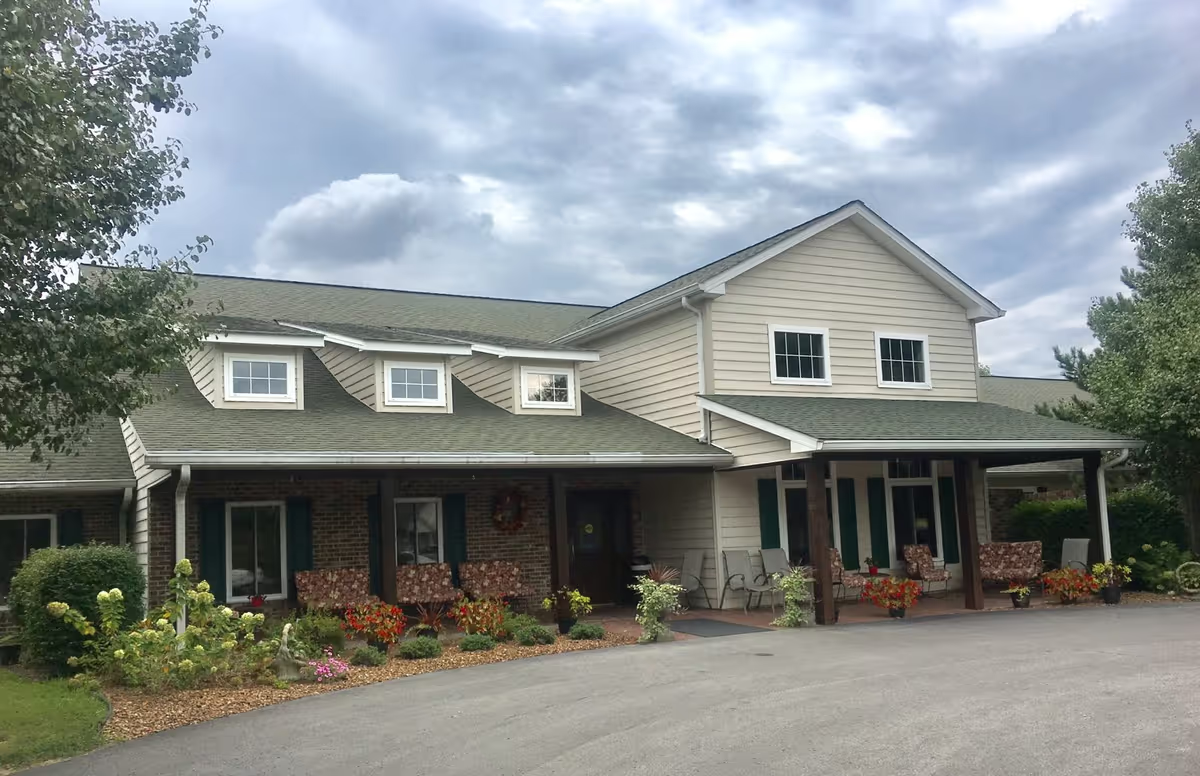
Facilities, dining, and activities: The physical environment is described positively as clean, comfortable, and quiet. There is little substantive information in these summaries about dining quality or recreational programming; reviewers did not emphasize activities or menus, so no clear pattern can be drawn from the available comments.
Management and patterns: Positive operational items include organized discharge planning and thorough documentation upon discharge. Conversely, recurring themes for improvement are medication-administration controls, clearer clinical-information flow to direct-care staff, more consistent professional conduct, and improved incident-response communication. Reviewing unit-level variability is advisable because reviewers contrasted different parts of the organization, indicating uneven performance across locations or units.
Recommendations for prospective families: consider visiting specific units to assess variability, ask about medication-administration checks and handoff practices, request examples of incident-investigation procedures and family communication protocols, and observe therapy and personal-care routines during a tour to confirm supervision and staff–resident interactions.