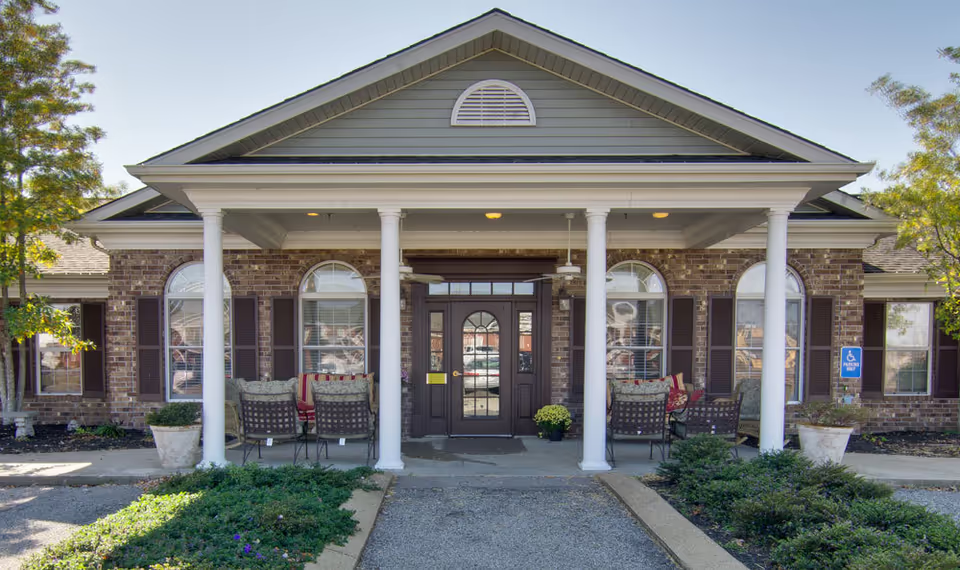
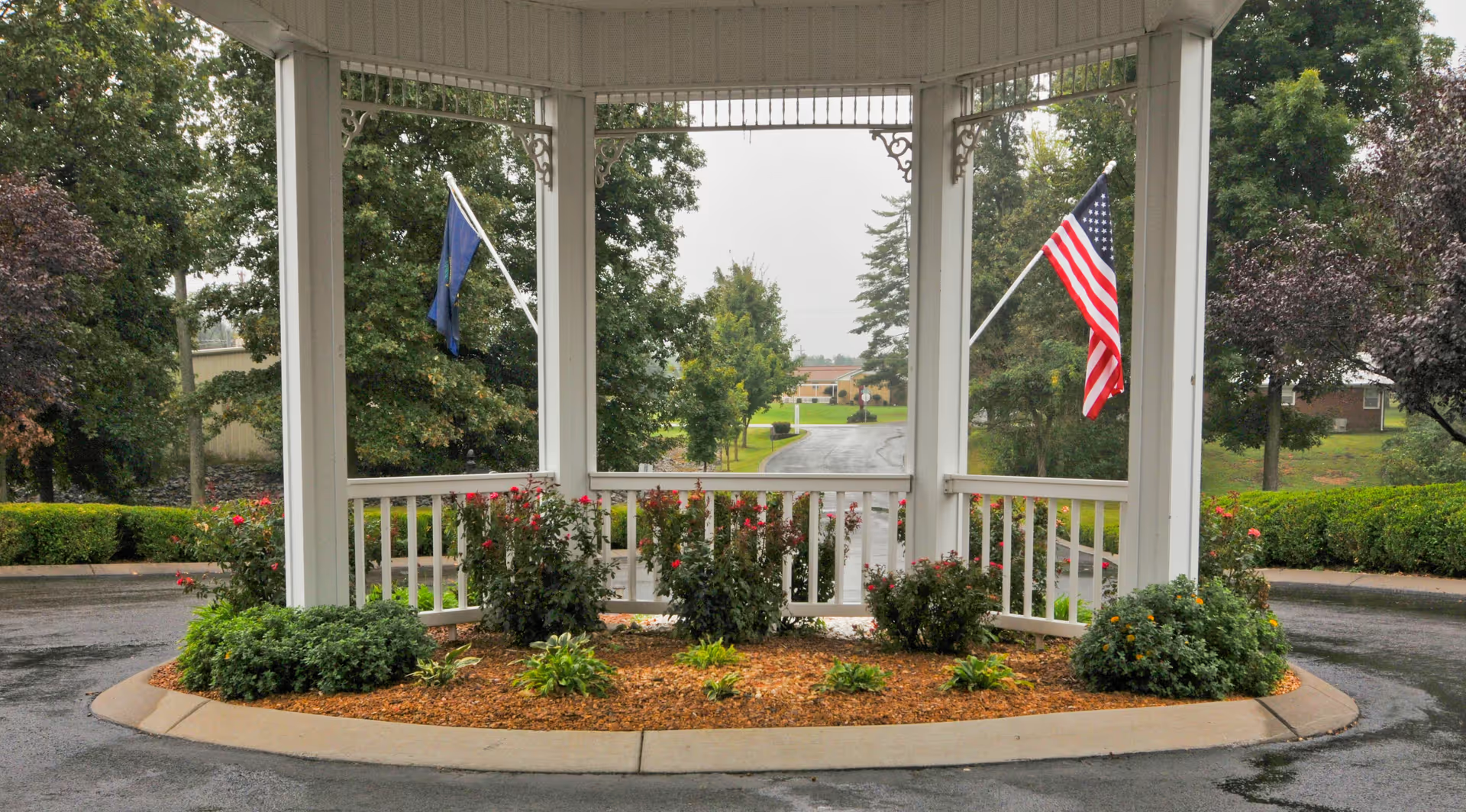
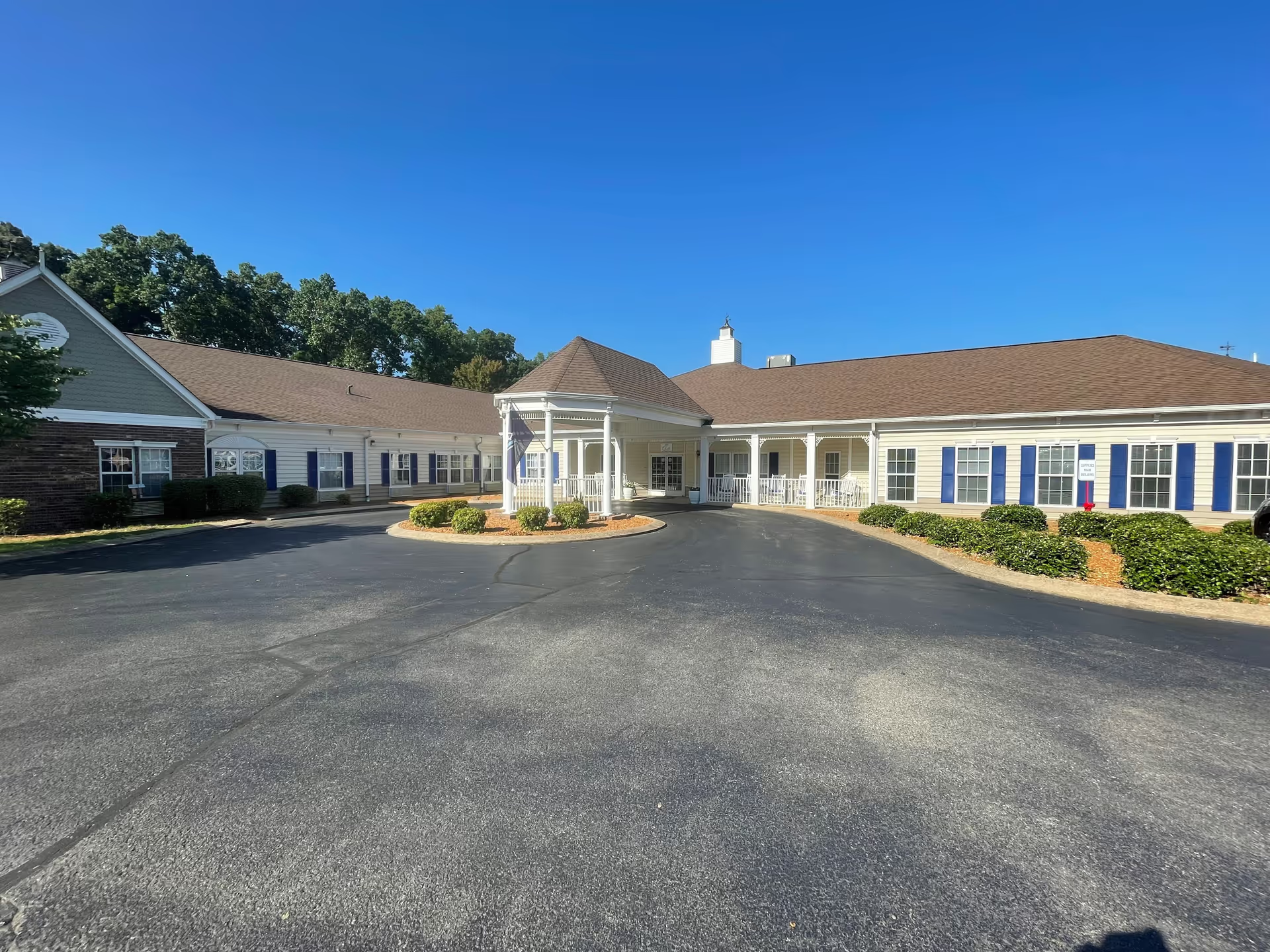
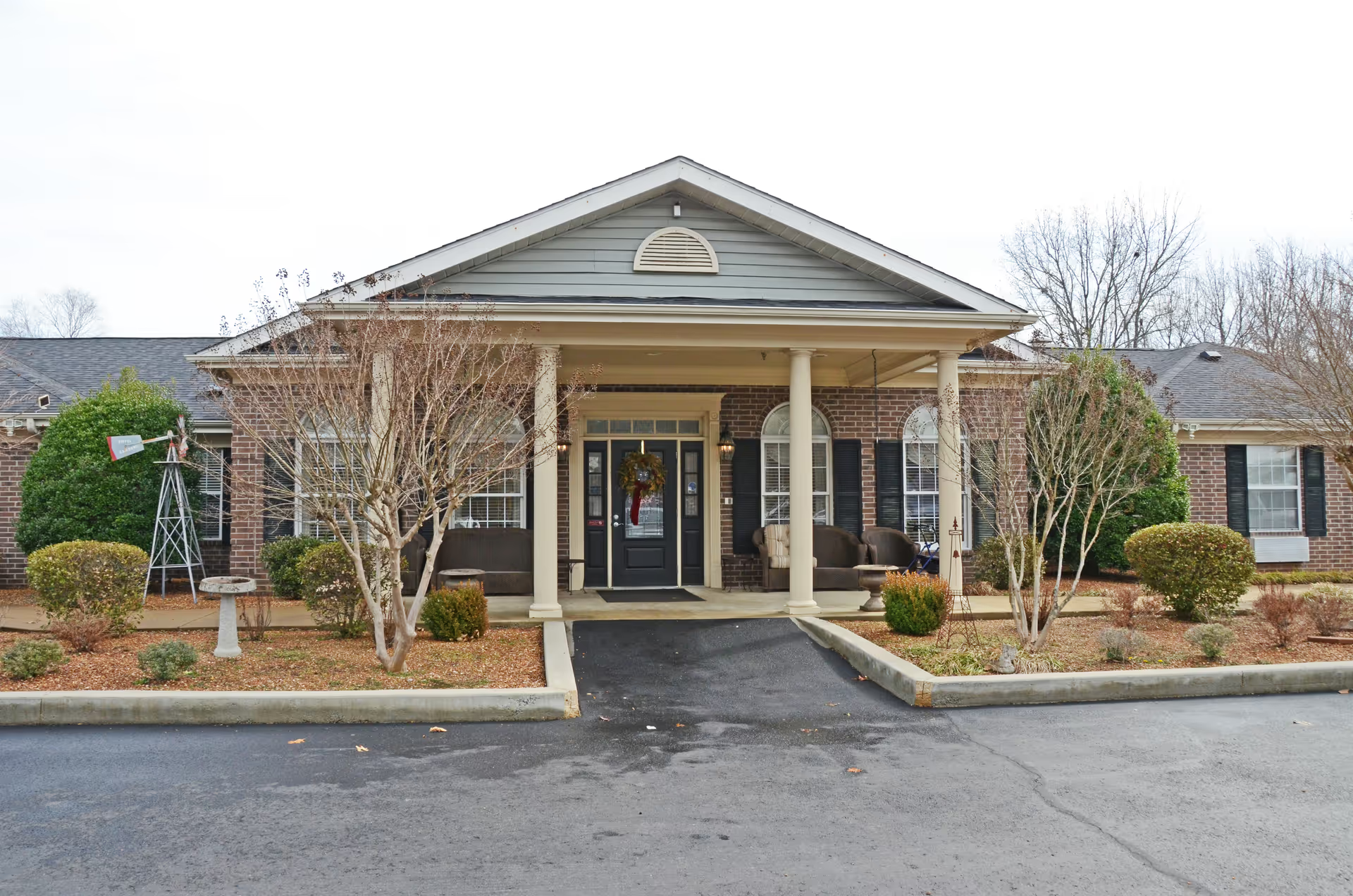
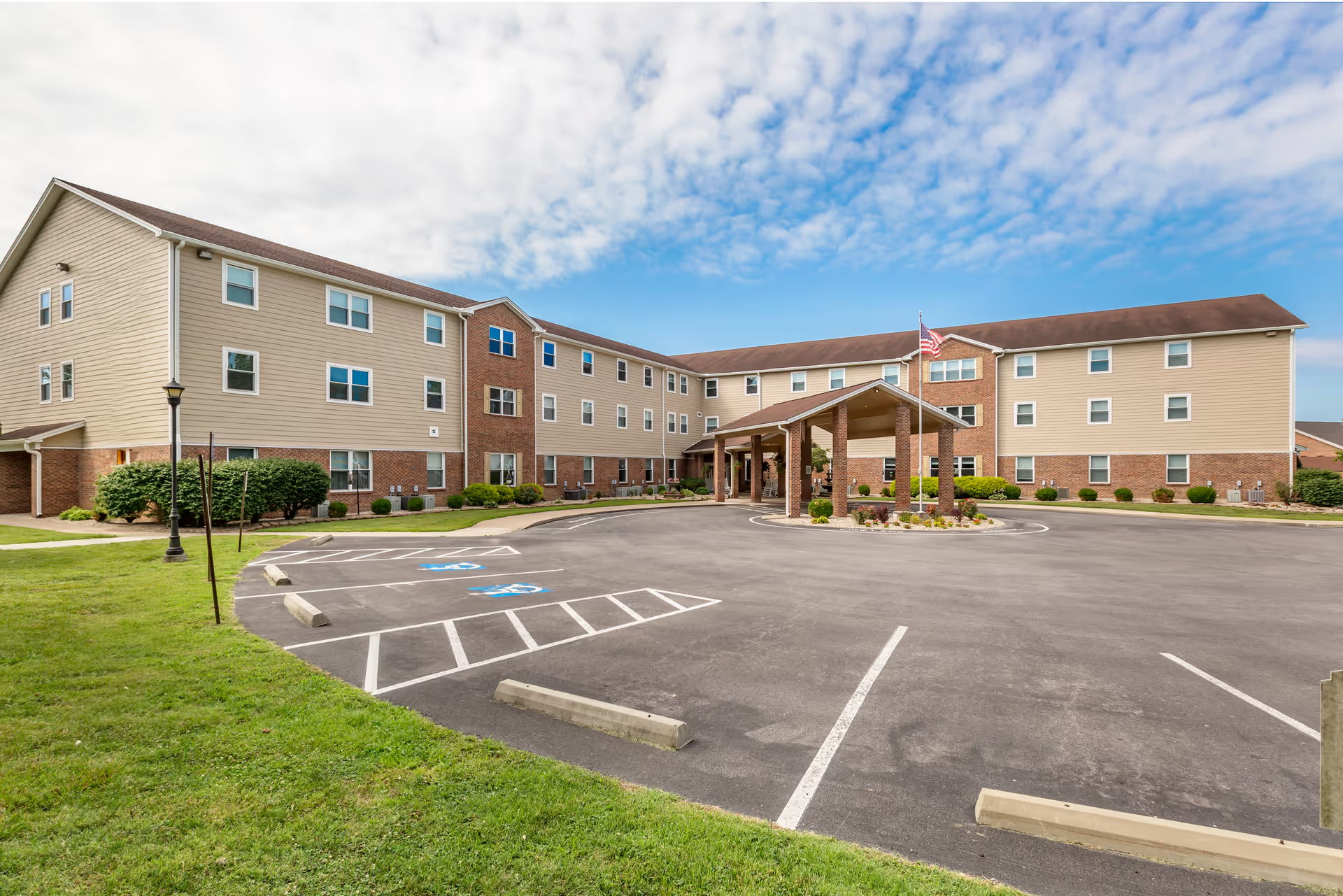
The reviews of Diversicare of Martin describe a facility with a mix of strengths and operational weaknesses. On the positive side, reviewers commonly note a newer, recently refreshed building with clean, well-maintained interiors and orderly common areas. Housekeeping practices such as regular room checks and a neat dining area are highlighted, and many families praised front-line staff for being welcoming and caring. The facility appears to provide capable short-term rehabilitation and respite services: therapists and mobility-focused treatment were repeatedly credited with helping residents regain independence and return home.
Clinical care impressions vary. Several reviewers described strong therapy and wound-care interventions and named individual staff who provided high-quality clinical attention. At the same time, there are recurring clinical concerns that merit attention: inconsistencies in medication administration practices, delays in responding to resident requests or call lights, and unreliable scheduling of personal care such as bathing and dressing. These operational issues translate into perceptions of variable nursing competency and uneven day-to-day care continuity.
Dining and activities are mixed. The dining area and meal presentation receive positive comments, but others noted disruptions to meal service and concerns about diet consistency or timing. The activities program, including weekly church services and an activities director, is a commonly cited positive that contributes to a more home-like environment for many residents.
Facility maintenance and management oversight show divergence between cleanliness and specific safety/maintenance lapses. While many reviewers praised cleanliness and a non-institutional atmosphere, there are documented pest-control concerns and at least one safety-related equipment malfunction affecting egress. Management and communication receive varying evaluations: some families report clear, helpful updates and staff who go the extra mile, while others describe slow or unresponsive management and poor communication when incidents occur, including concerns raised following a resident's death.
In summary, Diversicare of Martin appears to provide effective rehabilitation and has many compassionate, skilled staff members and a generally clean environment. However, consistent operational reliability is a recurrent issue in several domains: staffing and responsiveness, medication administration, personal-care scheduling, meal-service continuity, pest control, and certain safety/maintenance functions. Prospective residents and families should weigh the facility's strong therapy and rehabilitative offerings against these operational concerns, and consider asking targeted questions about staffing levels, medication-management protocols, incident-response procedures, pest-control measures, and recent maintenance or safety audits during a visit.