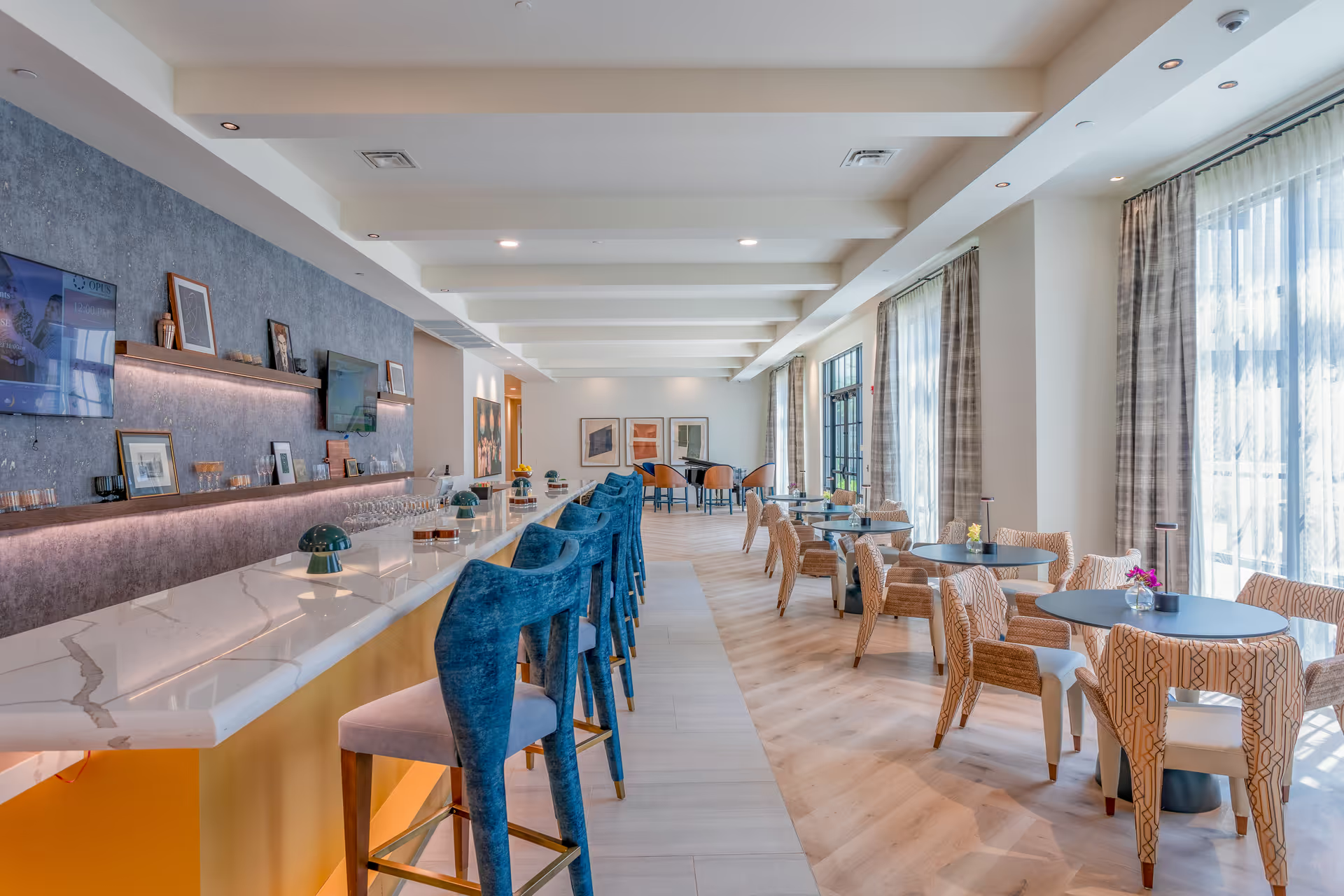
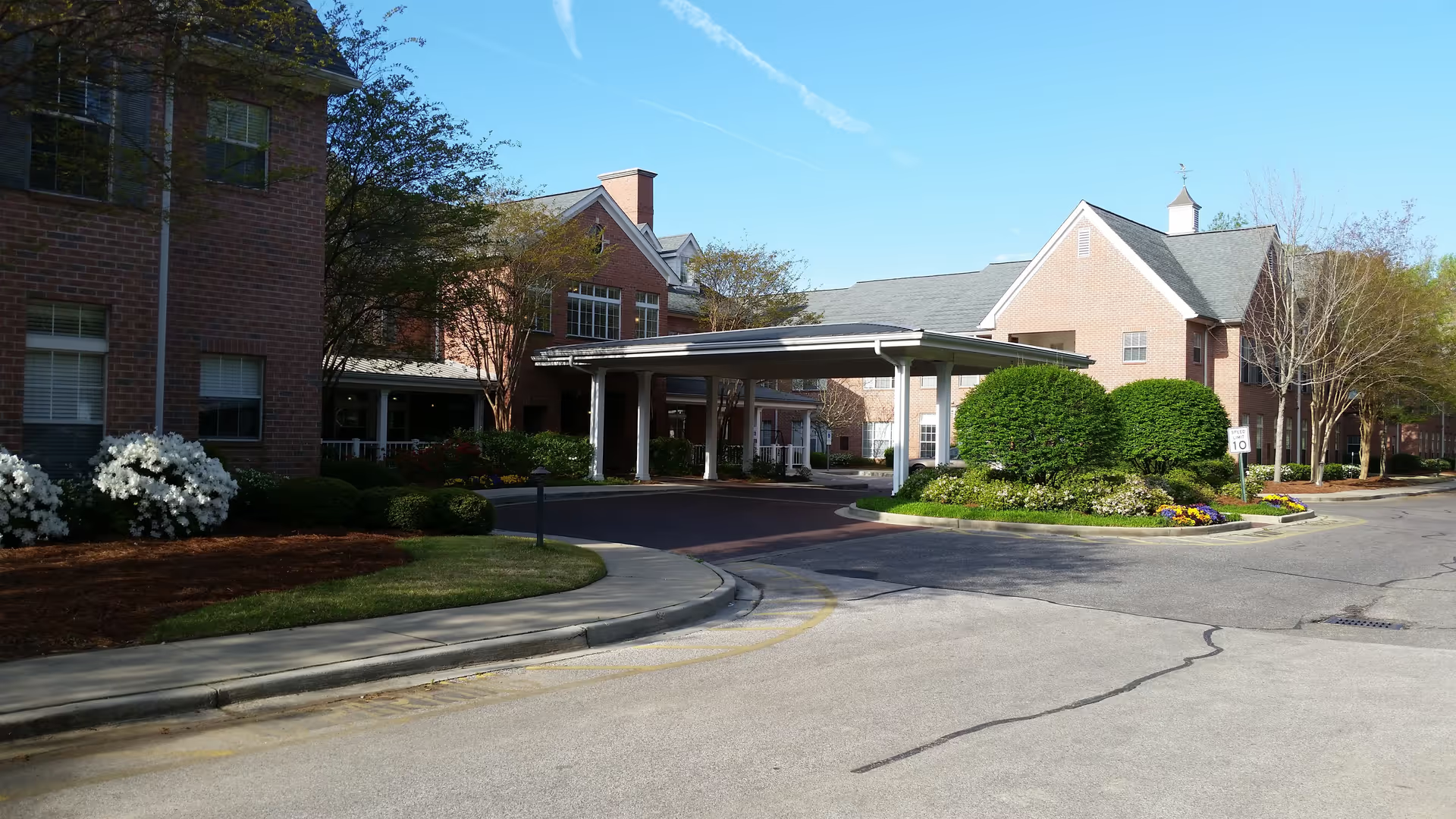
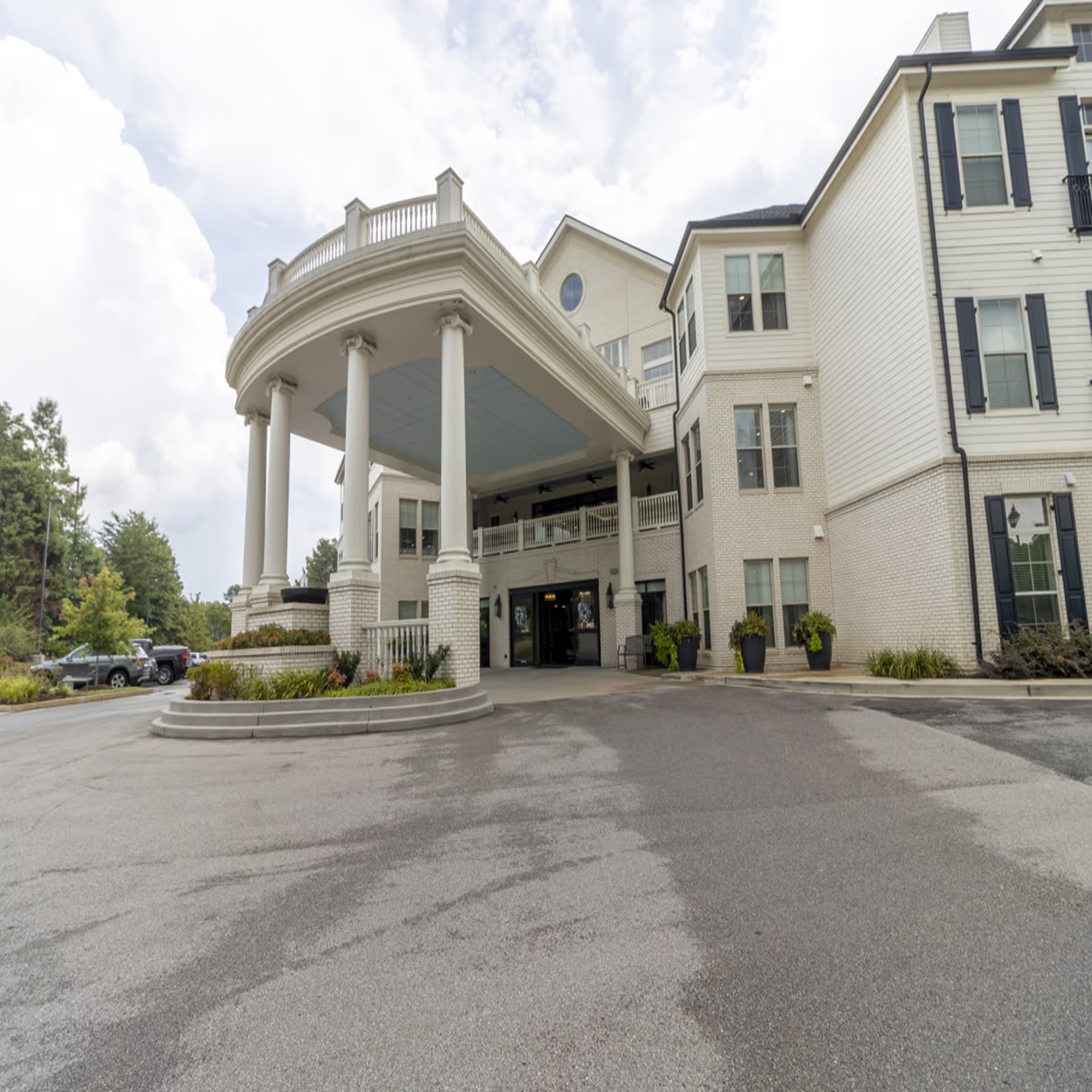
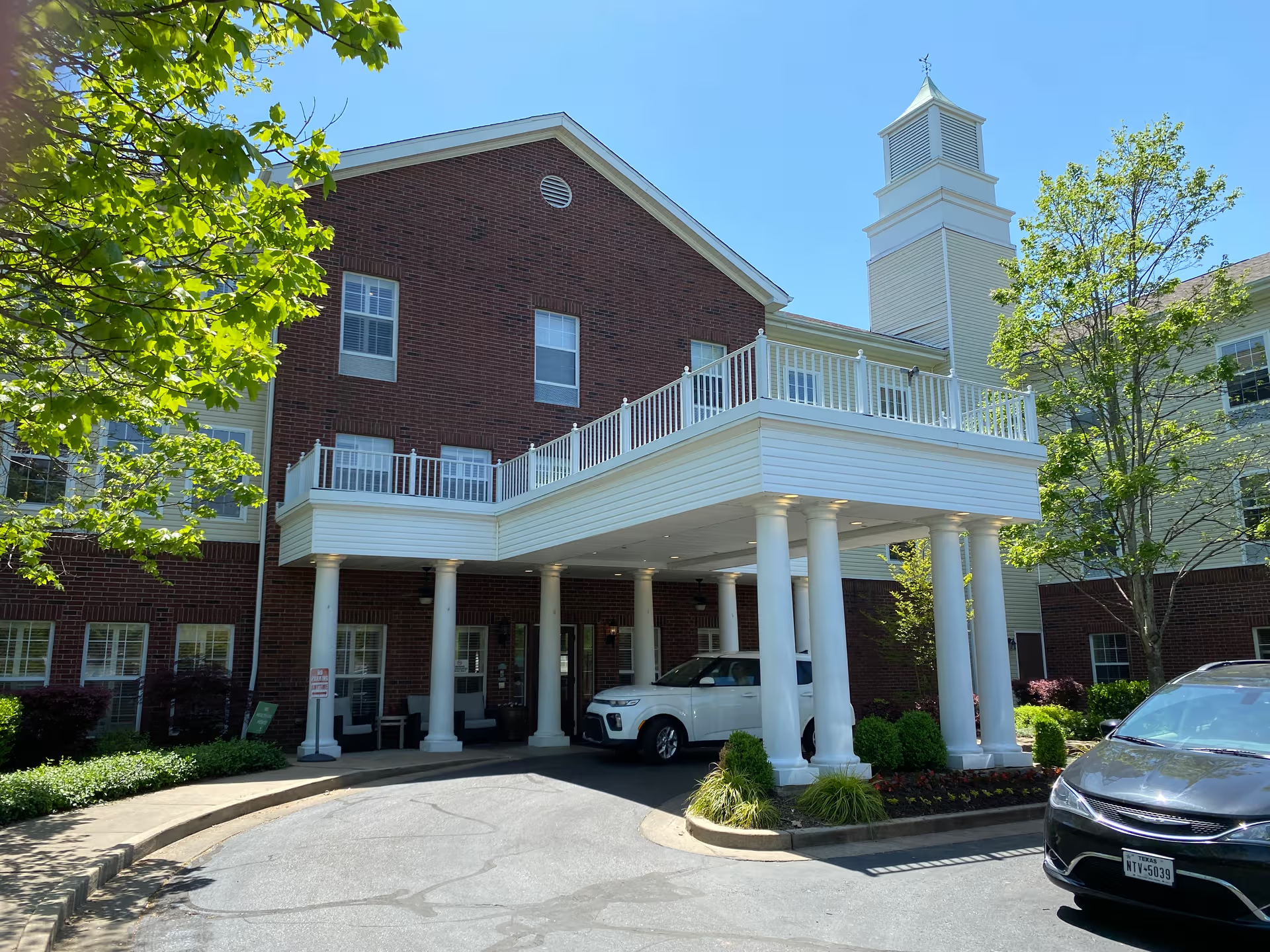
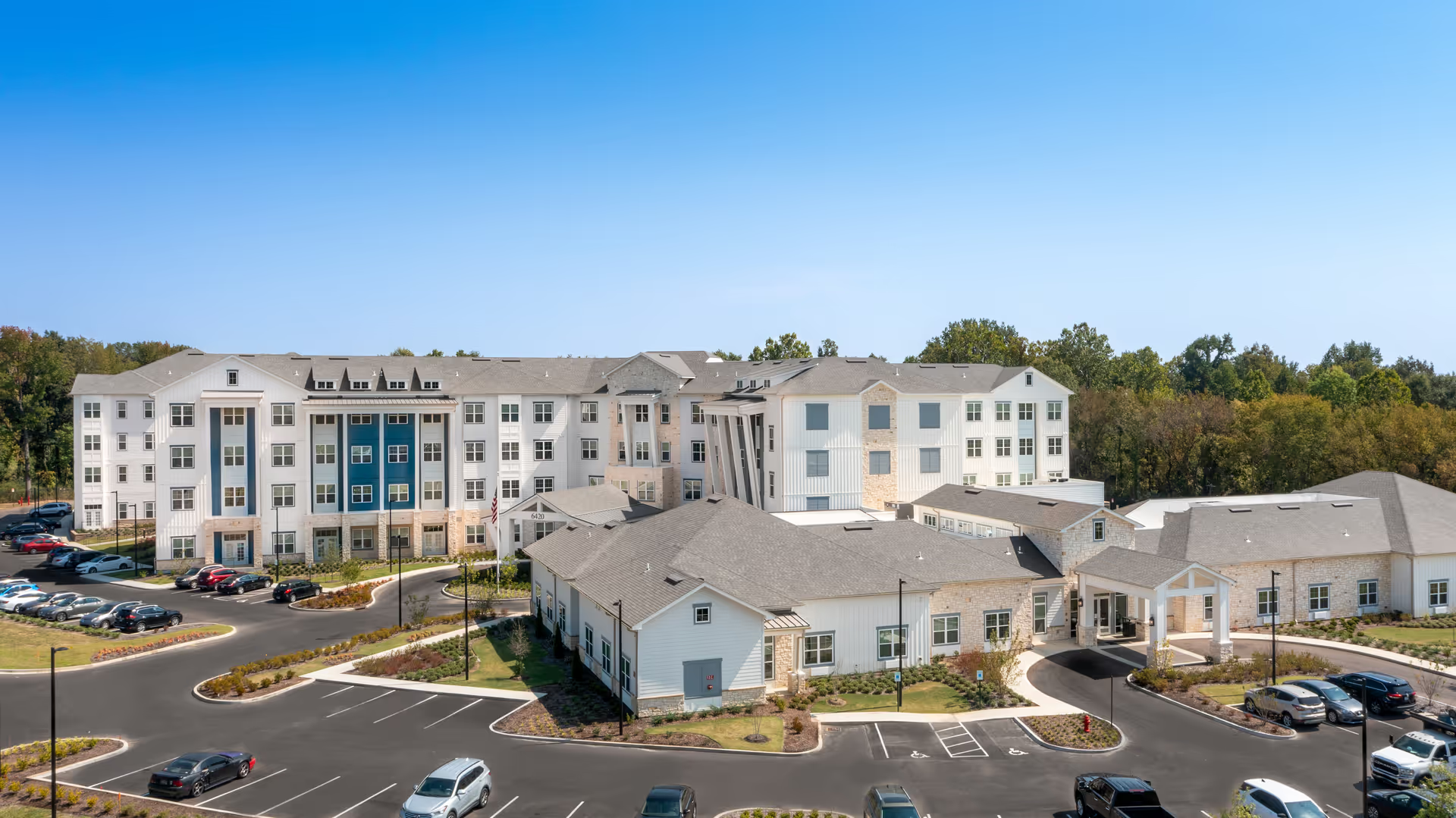
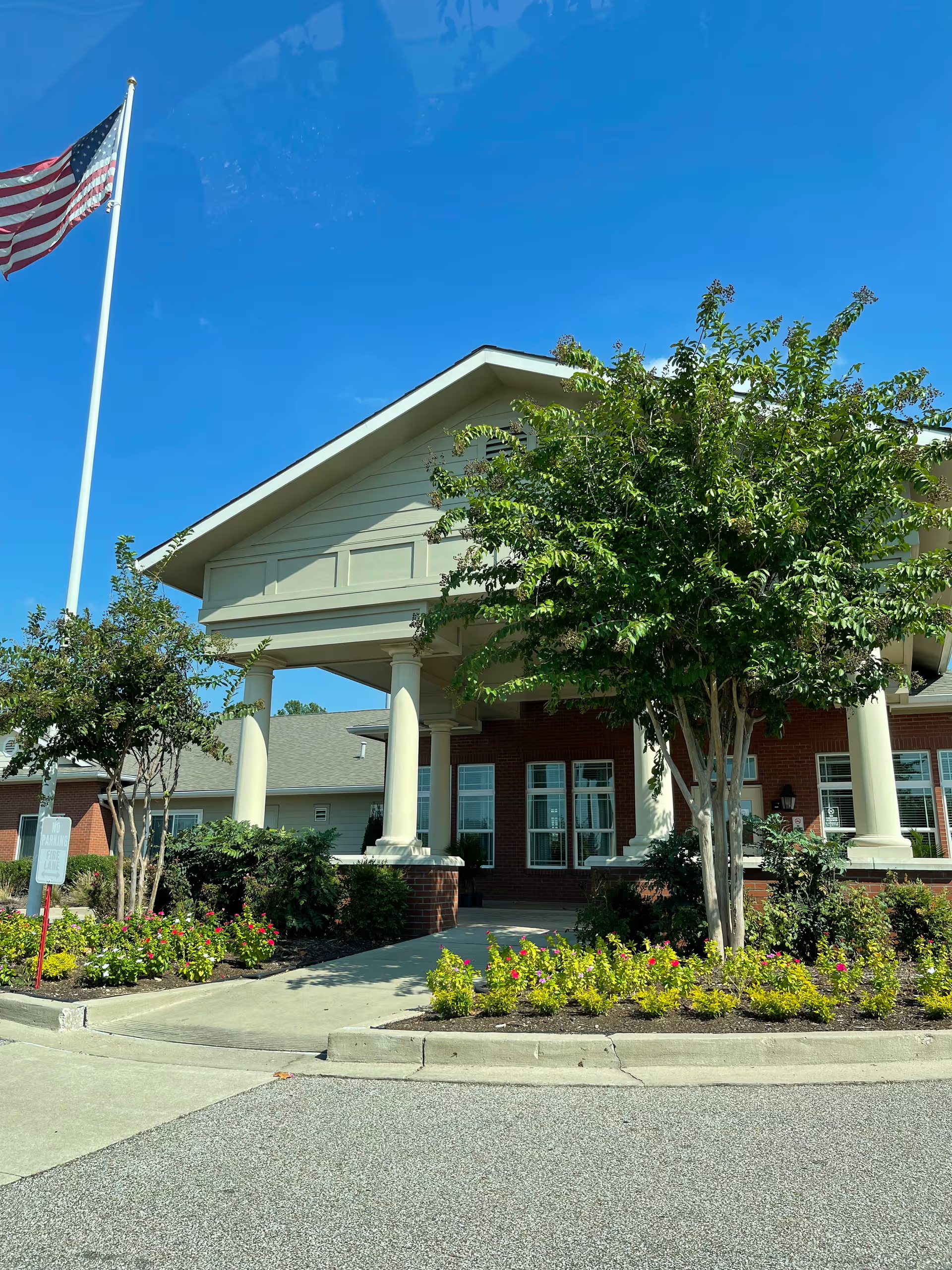
St. Peter Manor presents a mix of strengths and operational concerns. Positive feedback centers on direct care staff and resident-facing personnel: on-site managers, coordinators, and caregiving staff are frequently described as helpful, compassionate, and communicative. The community offers a broad range of social programming and outings (bingo, exercise classes, arts programs, casino and bus trips), an on-site clinic, and scheduled transportation that support independence and engagement for residents who are mobile and socially active. Recent renovations and upgrades, a central location, gated access, and a waiting list indicate ongoing demand and improvements to parts of the building.
At the same time, persistent operational issues recur across reviews. Pest-control concerns are a prominent theme and appear to be a long-running problem that residents and families cite alongside requests for changes in vendors that leadership has resisted. Related to this are sanitation and cleanliness concerns in both private units and common areas. Maintenance shortcomings extend beyond cleanliness: deferred repairs, roof and ceiling openings, uneven flooring upkeep, rusted exterior fixtures, and exterior trash accumulation were described in ways that suggest inconsistent building upkeep and potential structural vulnerability if not addressed comprehensively.
Management and vendor governance are distinguishing patterns. On-site staff receive positive mentions for day-to-day responsiveness, while district-level management is described as less effective in addressing systemic problems—particularly vendor selection and larger maintenance priorities. This dynamic contributes to frustrations over unresolved issues and what some reviewers characterize as an inconsistent tone or responsiveness from administration. Construction and renovation work create noise, longer elevator waits, and occasional privacy disruptions, which affect resident comfort during the improvement process.
Care quality appears to vary by resident need. The community is well suited to independent seniors who value social programming, outings, and a structured independent-living environment. However, concerns about the adequacy of care for higher-dependency residents—along with examples of unreliable welfare checks and gaps in responsiveness during critical situations—indicate uneven clinical oversight for more medically complex needs. Families should assess clinical capacity and protocols if higher levels of care are anticipated.
Dining and activities are generally seen as positive contributors to daily life, though some accounts describe cancellations or schedule changes that reduce reliability. Cost versus consistent service quality is another theme: some reviewers question whether pricing aligns with the facility’s operational performance, given the maintenance and pest-control problems described.
Overall, prospective residents and families will find strengths in staff engagement, programming, location, and certain upgraded amenities, but should weigh these against recurrent pest-control issues, inconsistent maintenance, construction impacts, and governance gaps between on-site and district management. A targeted tour focusing on current pest-control measures, maintenance plans, vendor policies, and clinical staffing levels will help clarify whether the community’s environment and services match an individual’s needs and expectations.