Overall impression: Reviews describe a facility with a strong caregiving culture and notable improvements under new leadership, but also indicate operational gaps that prospective families should evaluate in person.
Care and staff: Families and employees frequently describe compassionate, family‑style caregiving from CNAs, nurses, therapy staff, and administrative personnel. Multiple accounts emphasize staff who go beyond routine duties to support residents and families, including assistance during transitions and end‑of‑life moments, proactive communication, and individualized attention. Therapy and rehabilitation services are consistently highlighted as a strength; reviewers note a renovated gym, a new occupational therapy room, and effective therapy teams that contributed to functional improvement and moves to lower levels of care.
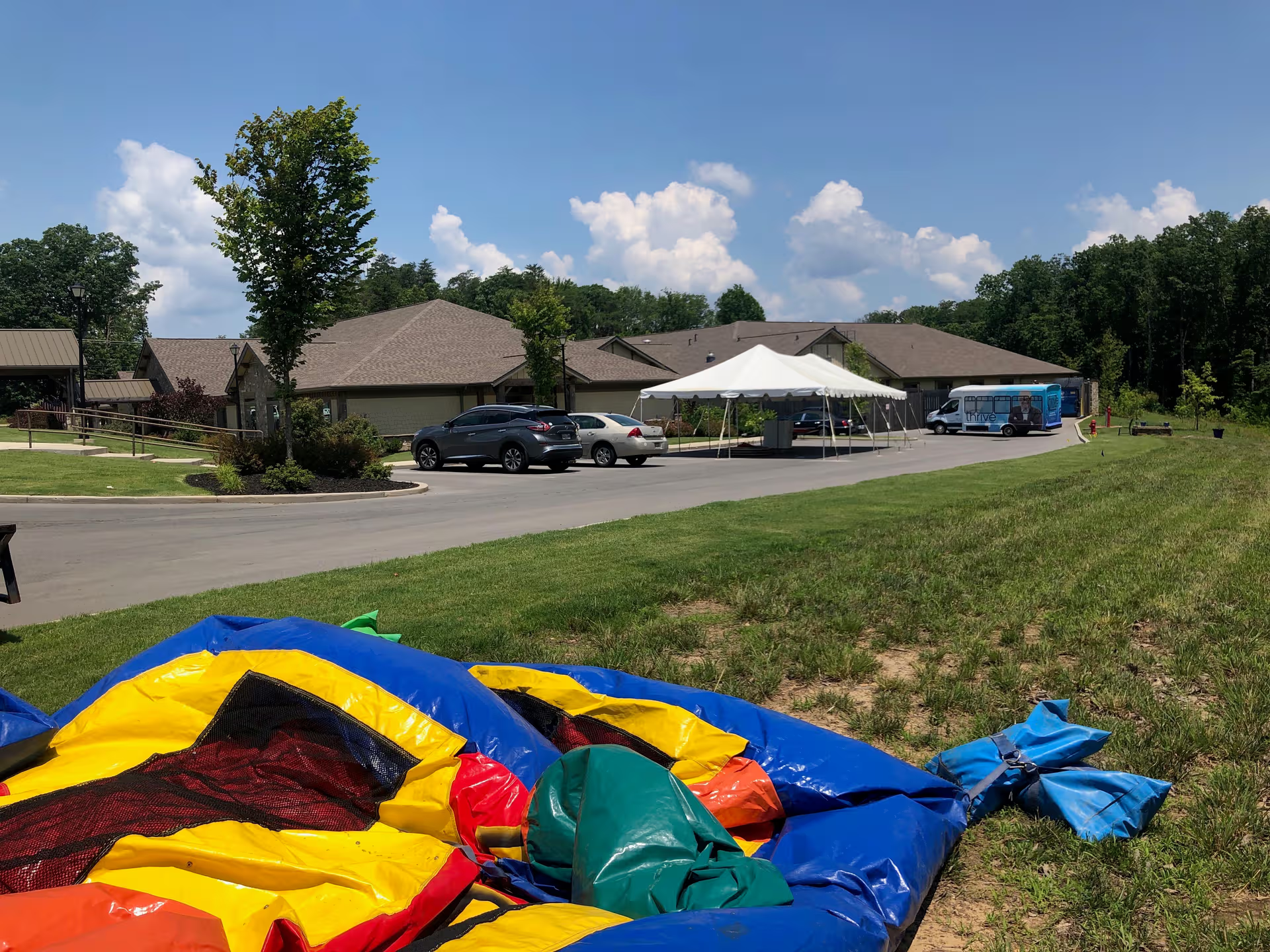
Dining and activities: The facility offers an active calendar of social and recreational programming, including concerts, evening events, and community involvement, which families praised for contributing to residents' quality of life. Dining spaces have been updated to feel more homelike, and several reviewers complimented food and celebratory meals; however, other reviewers expressed dissatisfaction with menu items, indicating some inconsistency in food quality or preference alignment.
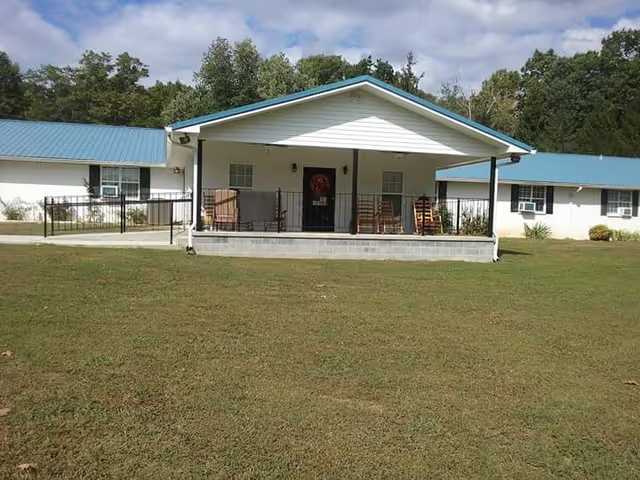
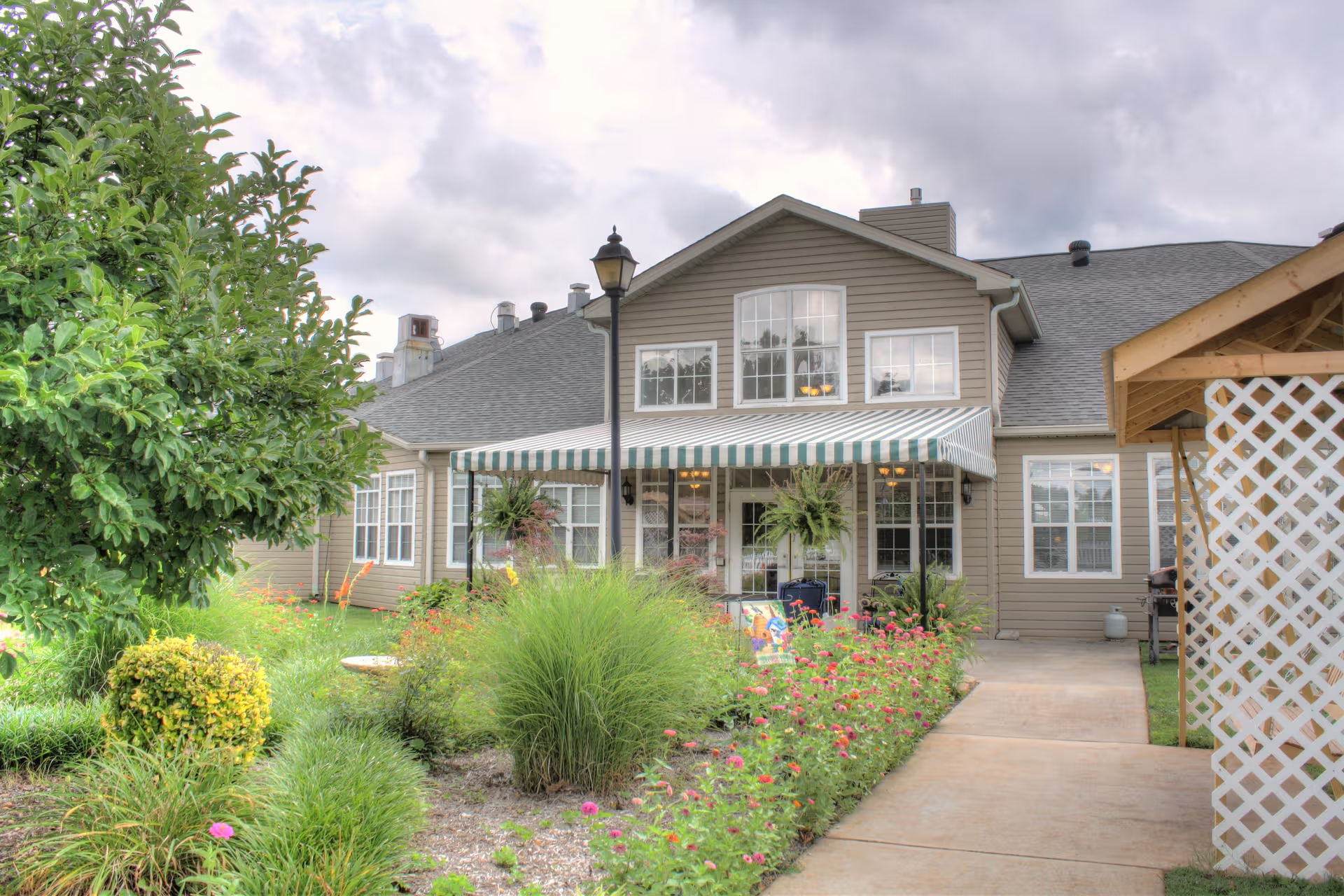
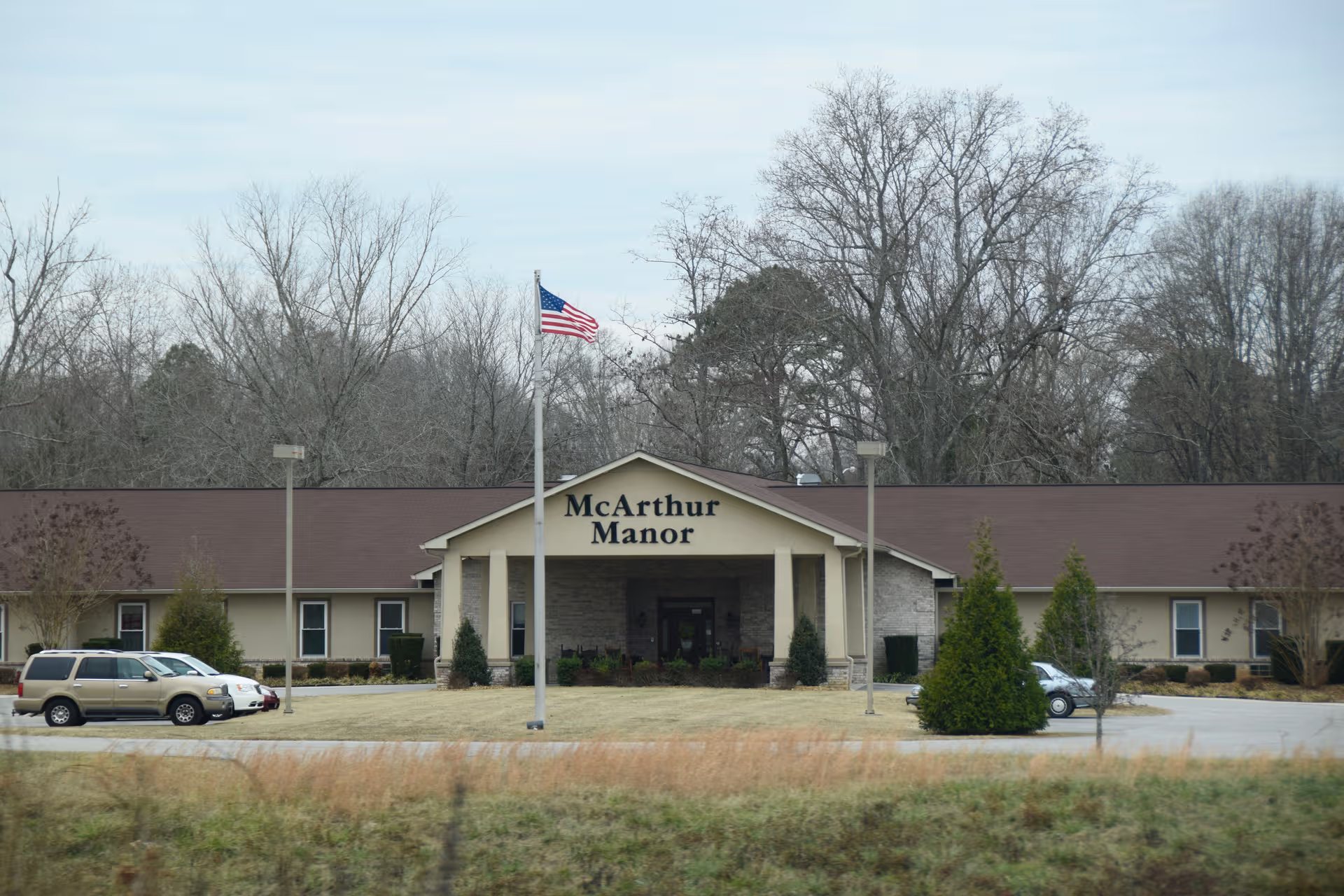
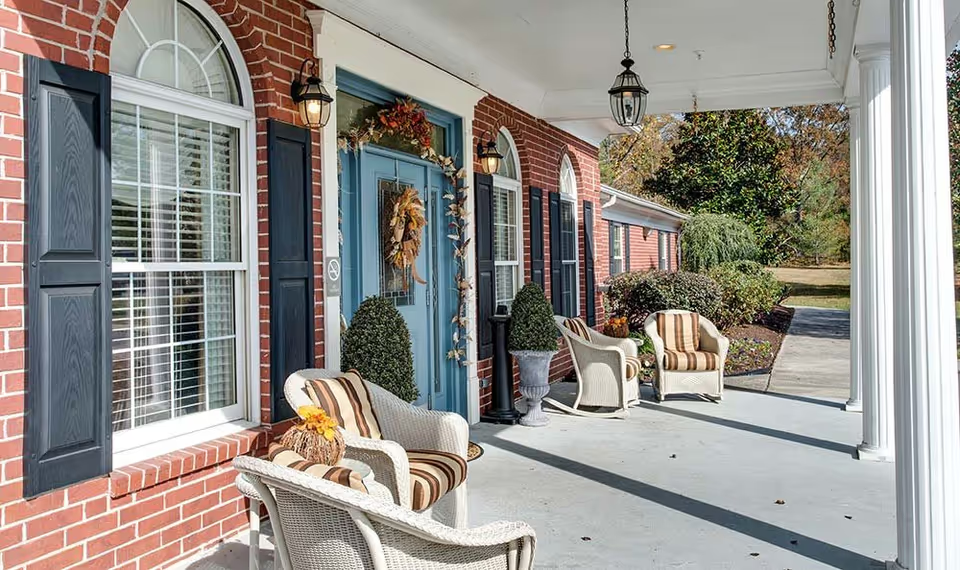
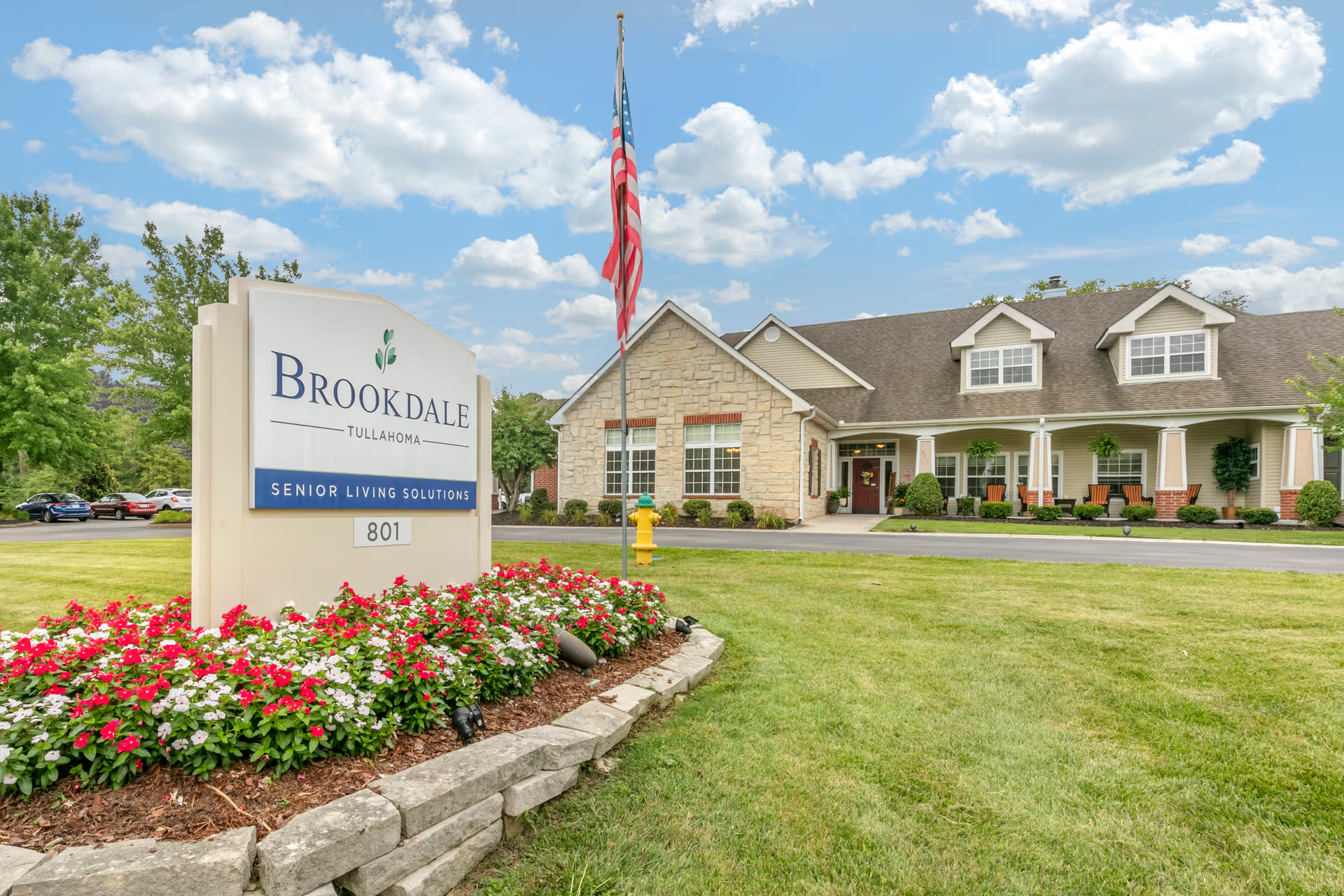
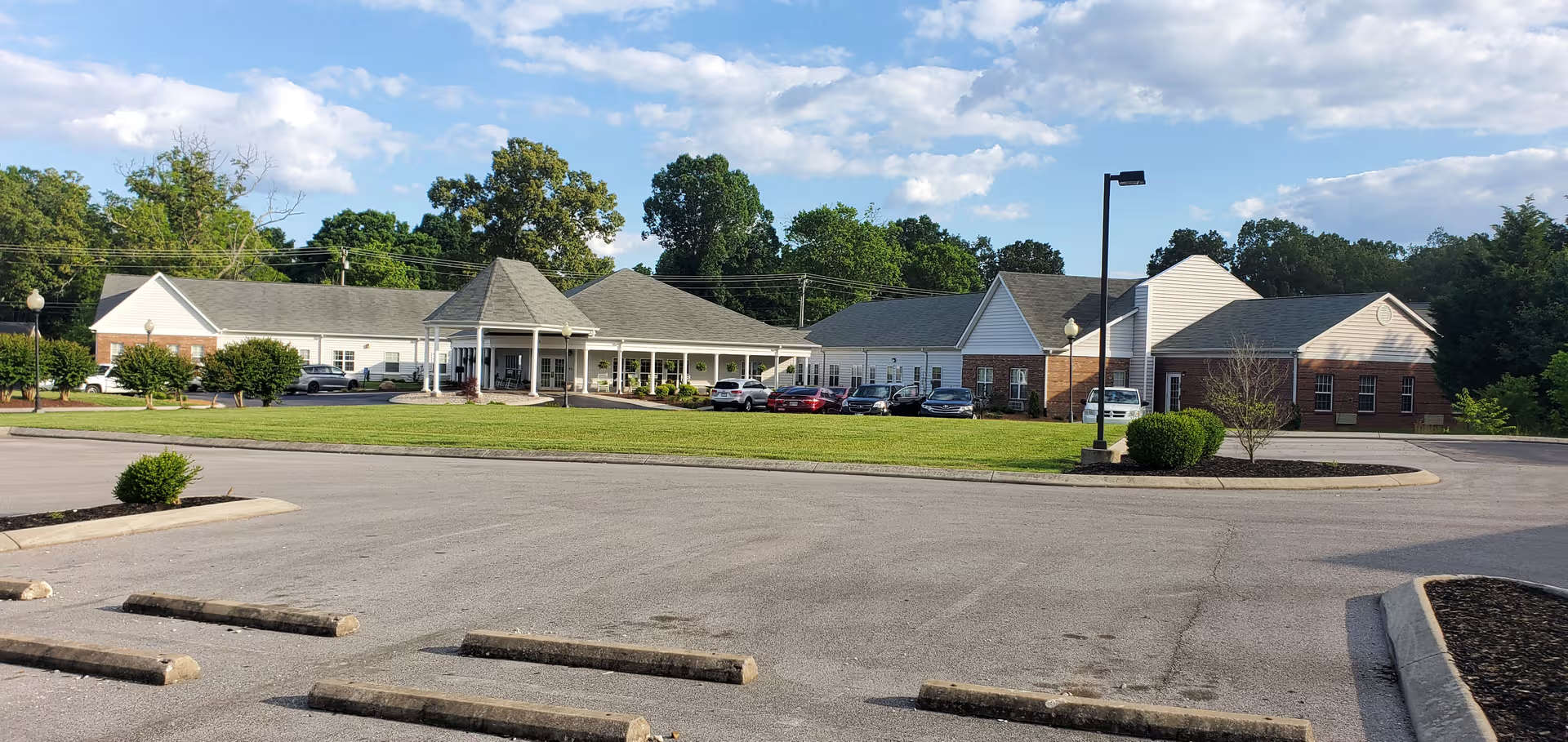
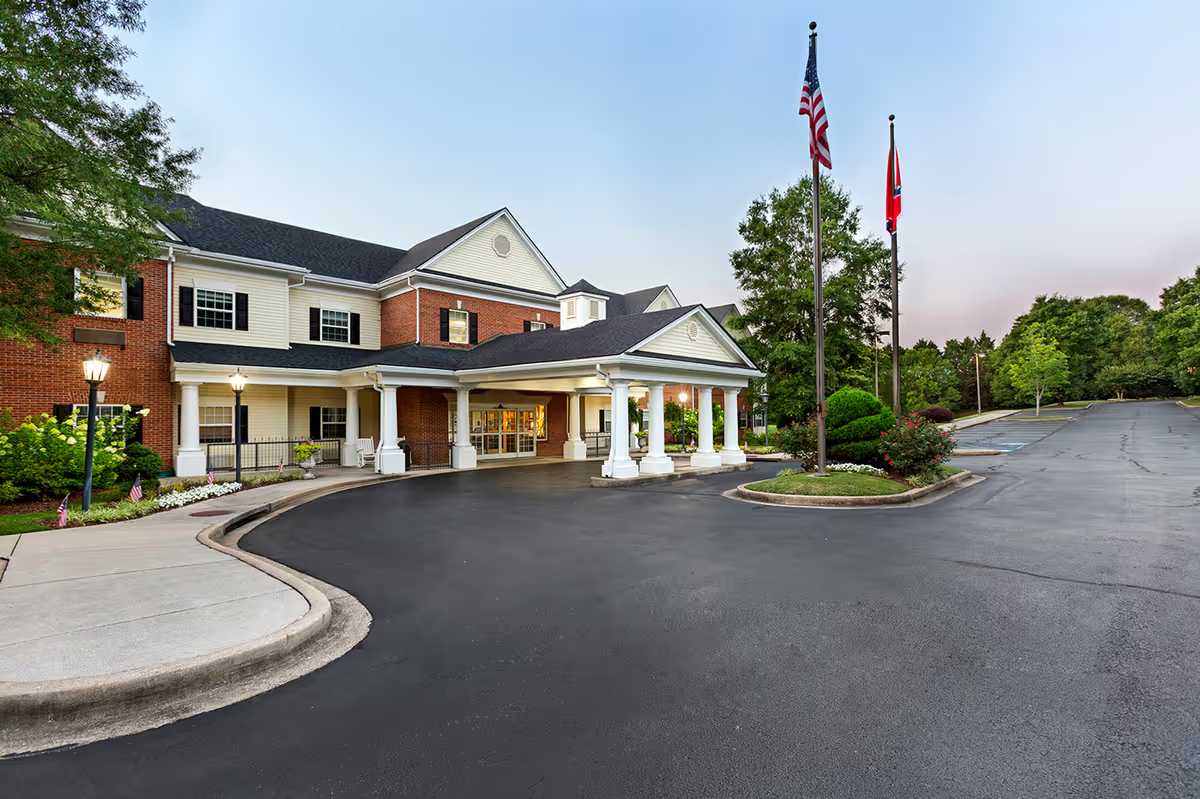
Facilities and environment: Physical improvements such as renovated therapy spaces, an updated dining area, and pleasant outdoor courtyard spaces were noted positively. Many reviewers described clean, welcoming common areas and a bright courtyard with outdoor walking opportunities. At the same time, there are recurring mentions of room‑level maintenance and sanitation issues—including concerns about laundering, odor, and missing or minimal room supplies—that suggest variability in housekeeping and personal‑item management.
Management and operations: Recent leadership changes and an engaged administrator and director of nursing are presented as positive drivers of culture change; reviewers report visible, organized leadership and improved team pride. Nonetheless, operational weaknesses appear in areas of documentation, accountability, and team coordination. One review includes a serious allegation regarding delayed provision of medical records and post‑incident responsiveness; such an allegation points to potential compliance and document‑control issues that merit verification with the facility and regulatory sources. Other operational themes include inconsistent enforcement of professional boundaries and occasional breakdowns in accountability that can affect teamwork and resident experience.
Notable patterns and guidance: The dominant pattern is a strong, caring staff and improving clinical/therapy environment, paired with intermittent operational lapses around housekeeping, meal consistency, staff conduct, and medical‑records responsiveness. Prospective residents and families should prioritize an in‑person tour, ask about recent regulatory history and record‑request procedures, review current staffing practices and training on conduct and boundaries, and sample meals or ask about menu accommodations. Contacting the facility about specific housekeeping and belongings policies, and observing mealtime and activity periods, can help validate the positive reports while identifying any remaining operational concerns.