Thrive at Brow Wood is consistently described as a small, home-like assisted living community with a strong emphasis on personalized care and social engagement. Families and residents frequently highlight attentive nursing and caregiving staff who learn residents' names, accommodate individual needs, and prioritize resident comfort. Several accounts describe residents regaining confidence and participating more fully in daily life, which aligns with the facility's emphasis on individualized attention in a smaller-population setting.
Staff and management are commonly praised for compassion, open communication, and visible leadership. Reviewers note proactive administration, thorough family communication, and specific staff members who go above and beyond to create a welcoming environment. The community also received positive remarks for pandemic protocols and how the facility managed infection-control requirements. At the same time, there are references to occasional staff-retention variability; while many staff are described as long-tenured and caring, turnover has been noted and could affect continuity for some residents.
Dining and programming are clear strengths for many families: reviewers describe communal sit-down meals, meals prepared with care rather than mass-produced fare, and a packed activities calendar that includes karaoke, men's groups, balloon volleyball, Wii bowling, painting, dancing, and field trips. These offerings support socialization and activity across ability levels. However, there are mixed observations about meal variety and nutrition — some reviewers praise the culinary quality while others report basic meal options at times and a desire for more fresh fruit and vegetable choices. Weekend programming availability was also mentioned as an area where families wanted more options.
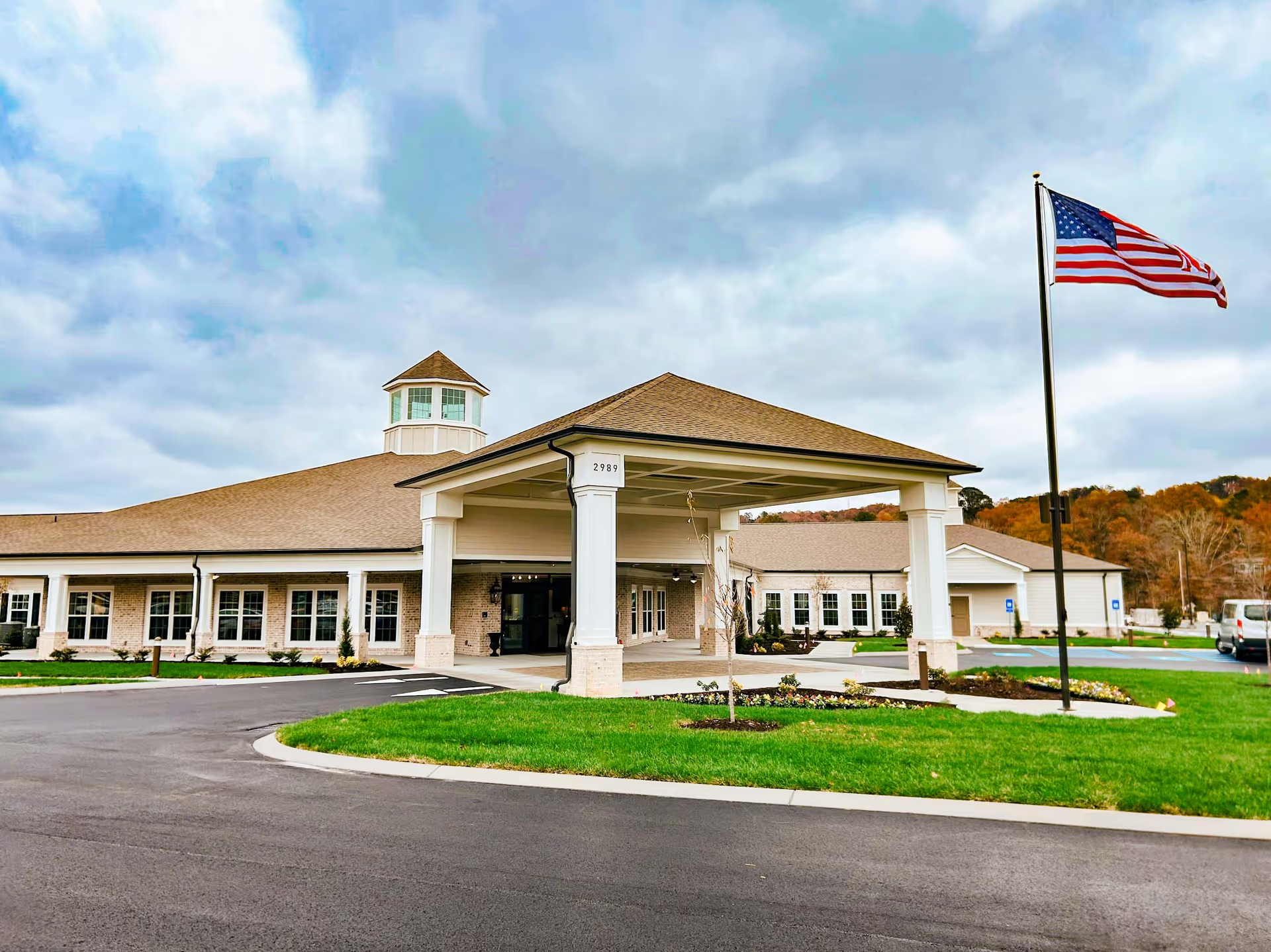
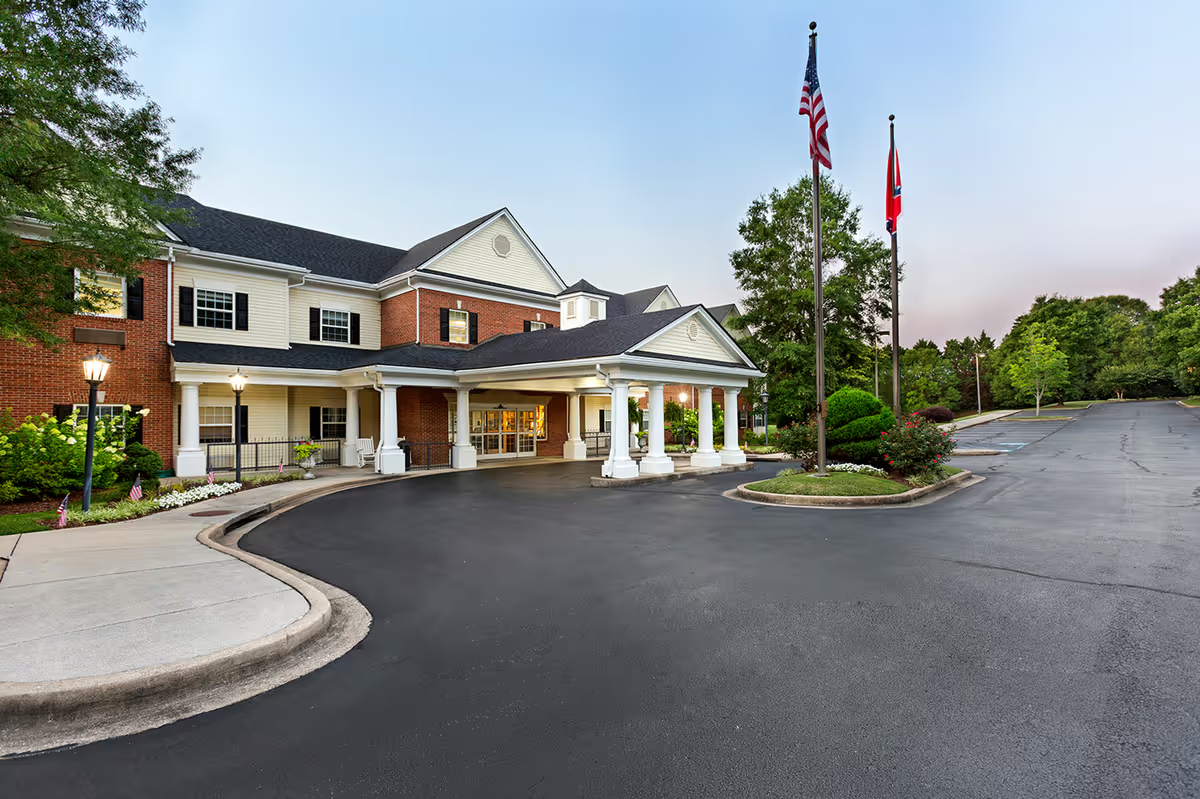
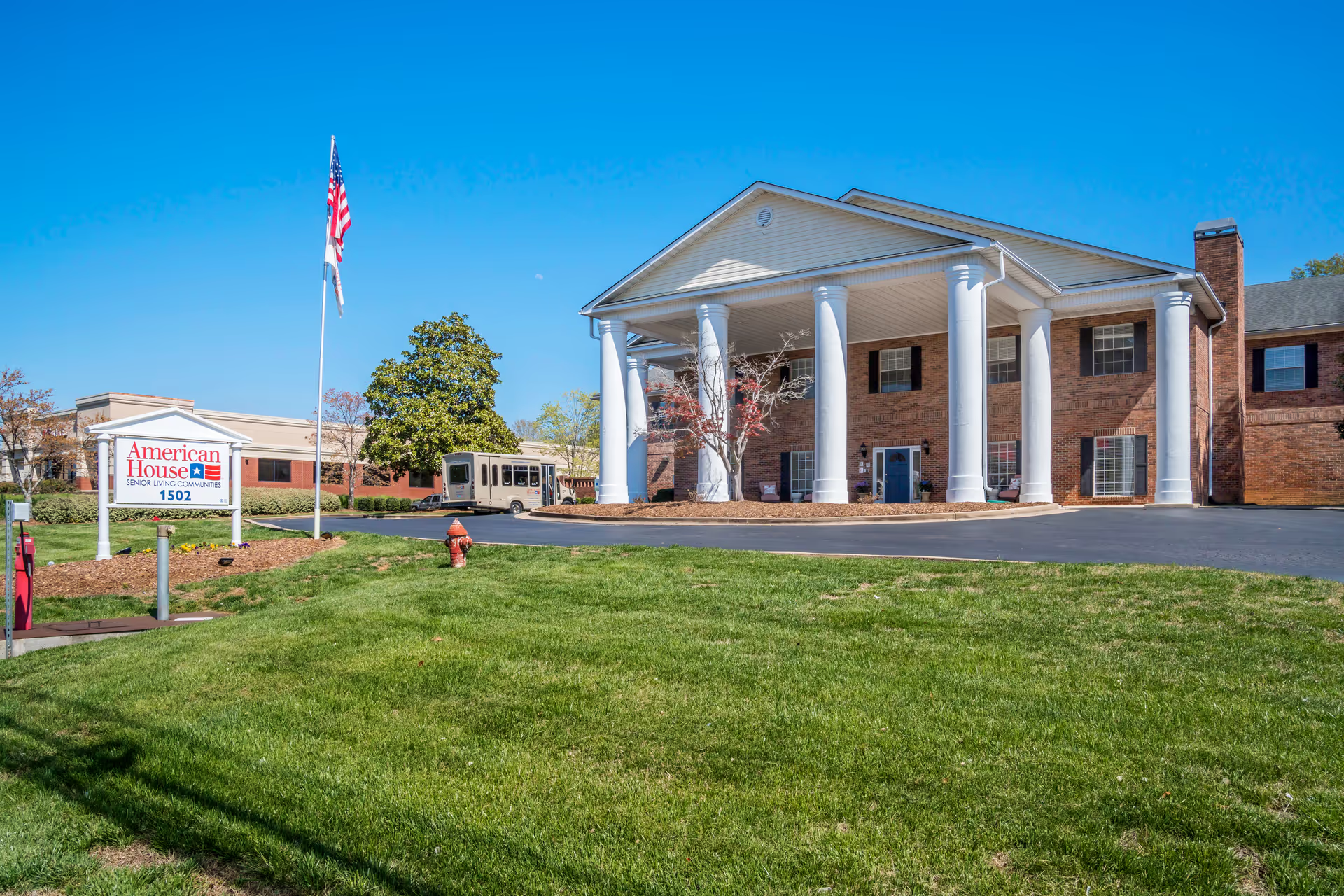
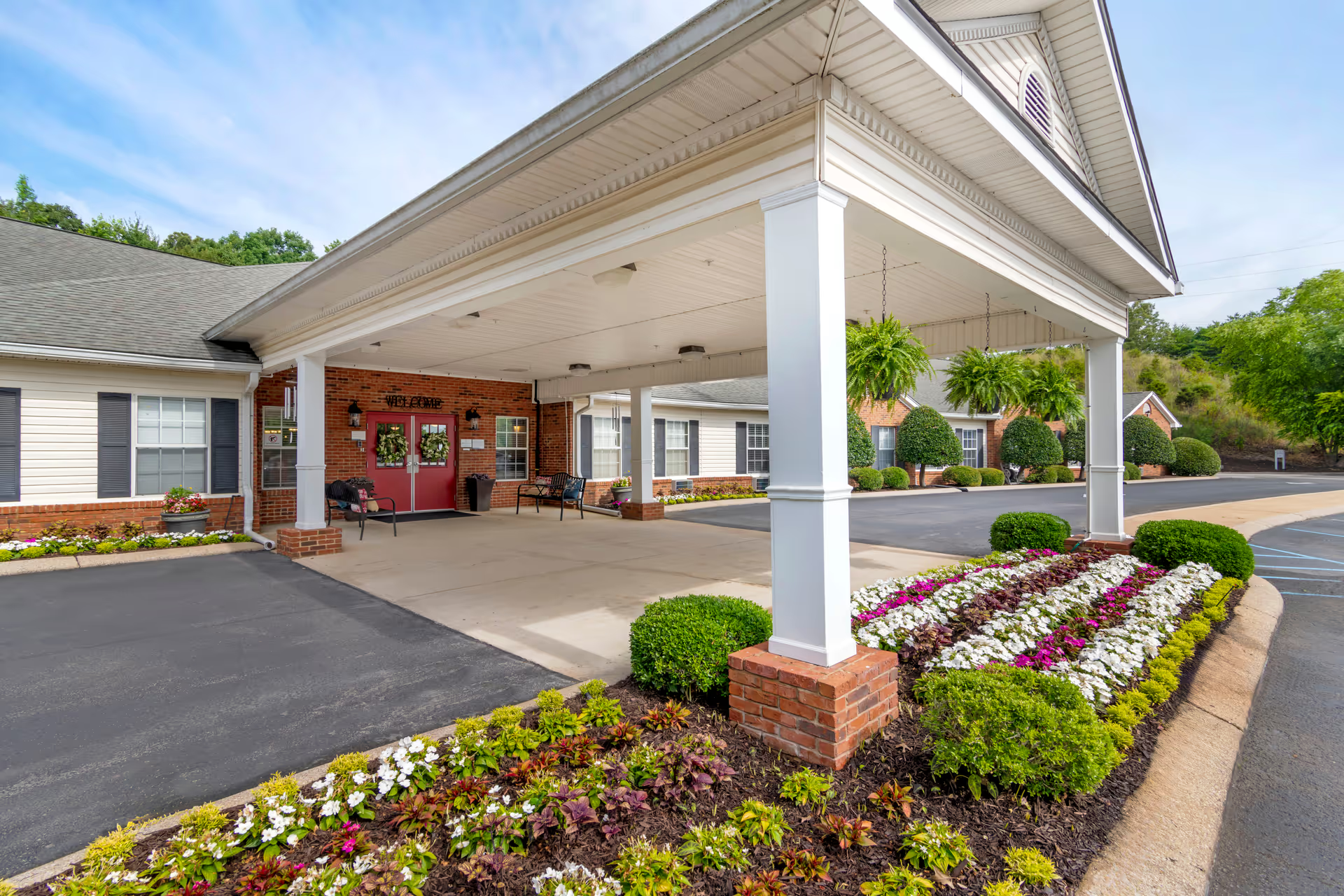
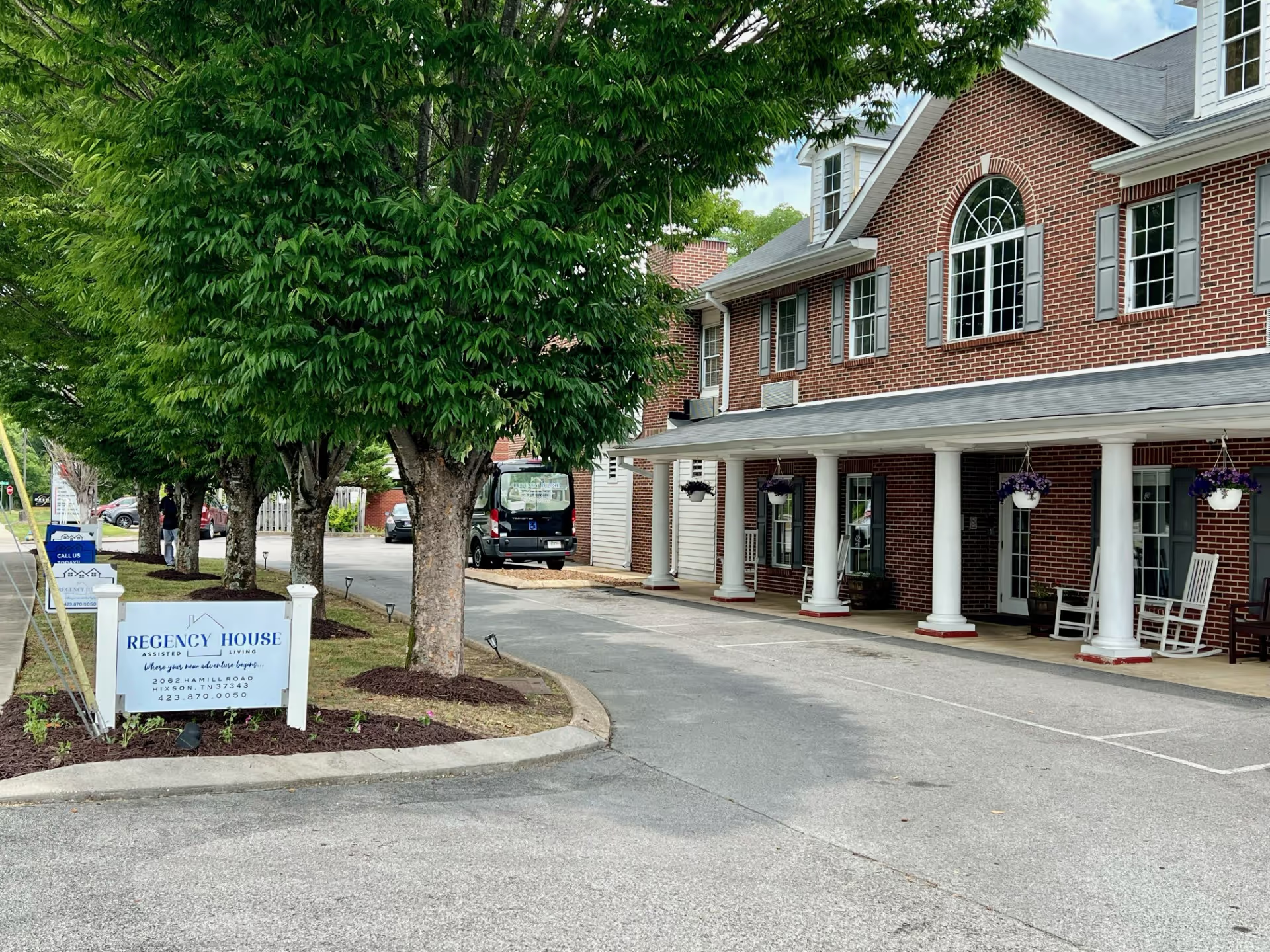
The physical environment is described as clean, scenic, and well-appointed, with resort-like touches and a secure outdoor courtyard that supports resident freedom and outdoor activity. Reviewers generally consider the facility well-managed and comfortable. Cost is a recurring practical consideration: several families characterize the community as relatively expensive, and the price increases for higher levels of care were noted as a factor to evaluate. Finally, families seeking specialized memory-care services should ask specific questions during a visit, as published impressions indicate more limited specialized memory-care programming and a better fit for higher-functioning assisted-living residents. Overall, the pattern of feedback suggests a caregiving-focused, social community with strong leadership and hospitality attributes, balanced against some operational tradeoffs around specialty memory services, meal variety, weekend programming, and cost.