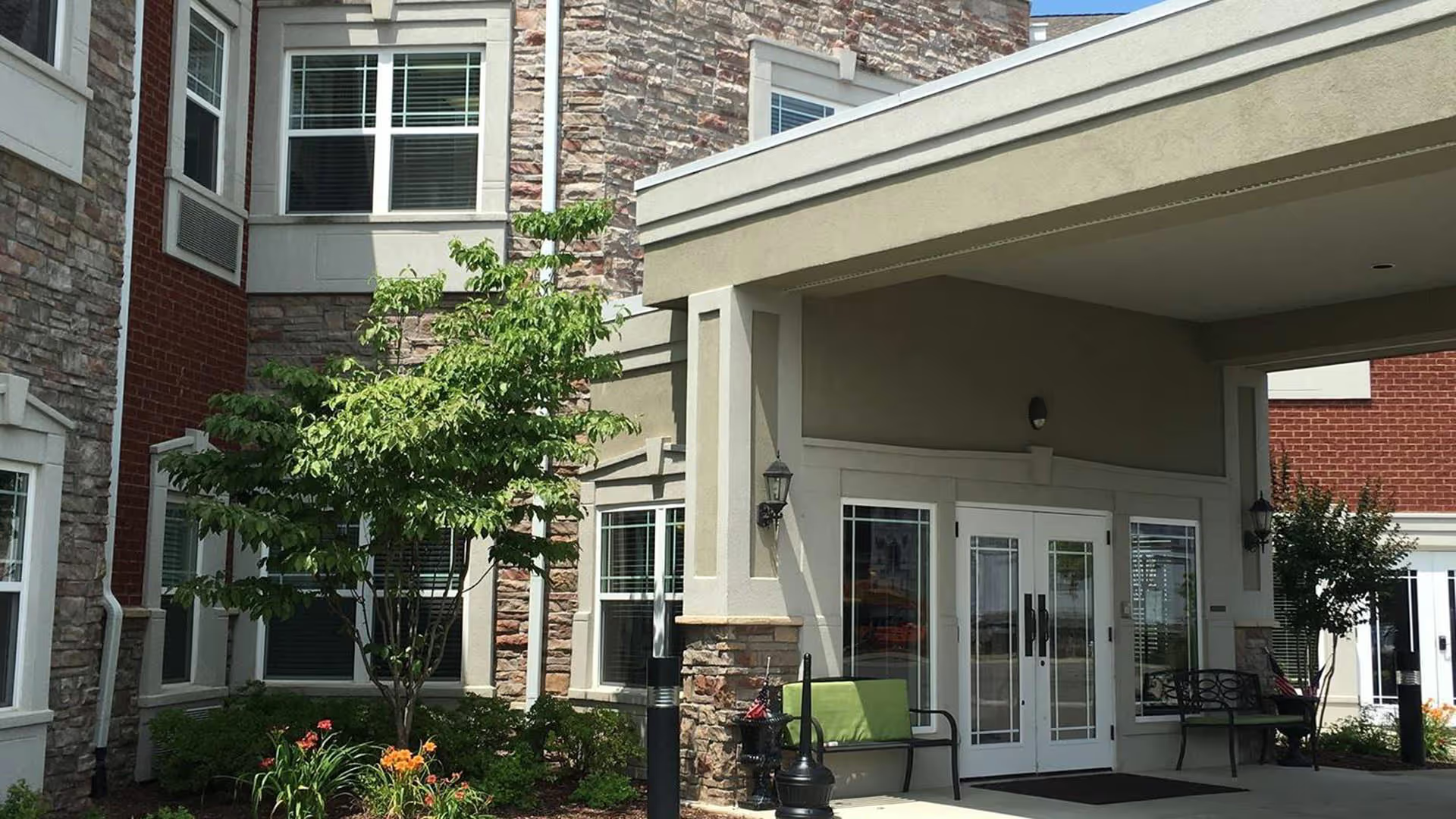
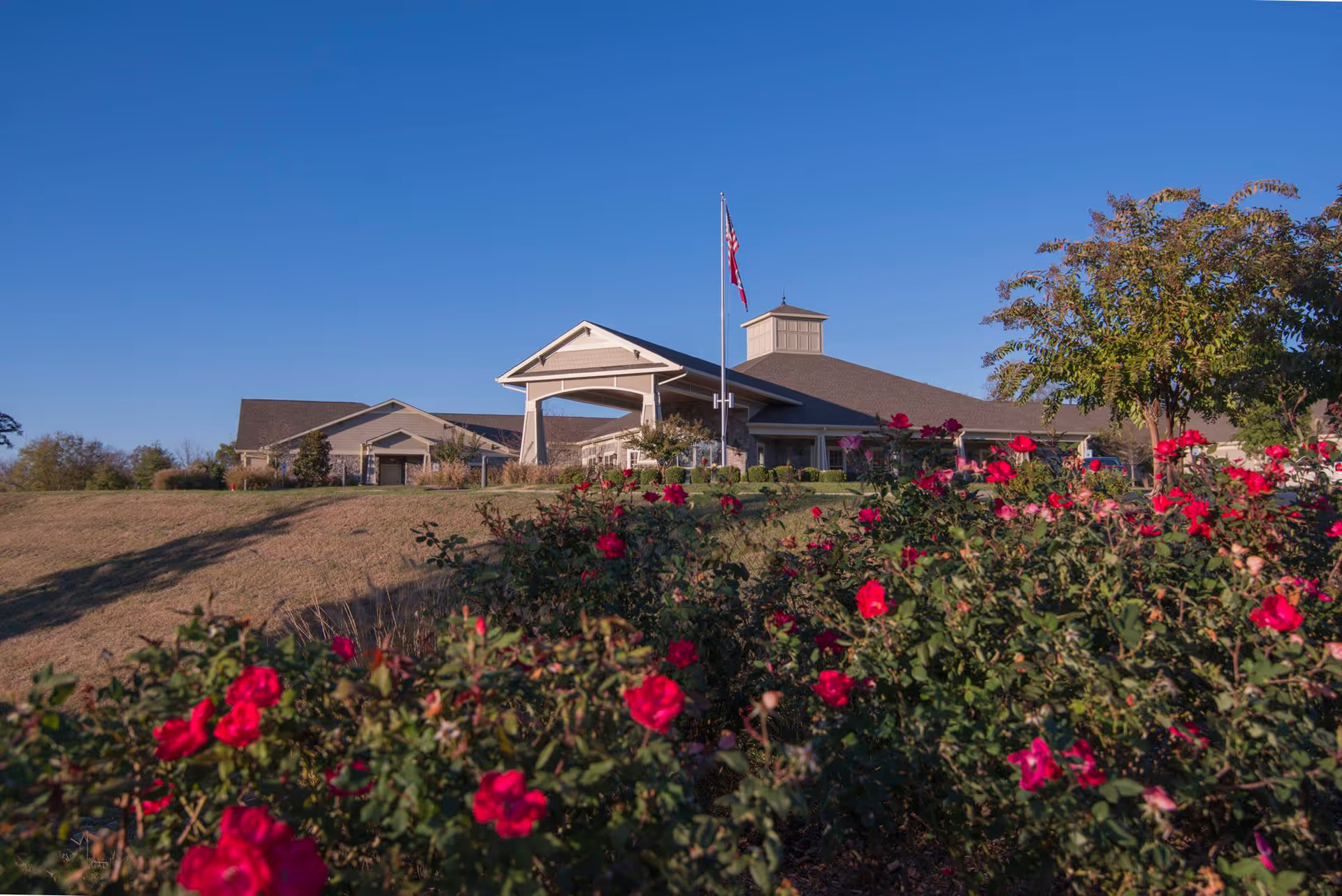
AdamsPlace presents as an upscale, multi-level senior living community with many amenities that appeal to families seeking a resort-like environment and a full continuum of care. Positive impressions commonly note attractive grounds and architecture, plentiful common spaces (library, theater, art studio), and a range of on-site features such as a pool, fitness center, and an on-site bank. The community offers scheduled transportation and off-campus outings, and many reviewers praised the breadth of activities — from bible study and bingo to art classes and field trips — that support social engagement.
Care quality and staff performance receive mixed but often favorable comments. Numerous families describe compassionate, professional caregivers, attentive wait staff in dining, and strong rehabilitation and therapy programs that helped residents recover functional abilities. Several reviewers singled out leadership and individual staff (including specific therapy instructors and CNAs) as going above and beyond. At the same time, there are recurring concerns about inconsistent staffing levels: delayed responses to calls for assistance, variability in nursing presence on floors, and periods when staff appear overextended. These operational patterns have been associated with communication gaps between clinical staff and families, and with uneven implementation of care plans.
Dining and nutrition are generally considered strengths, with many praising the dining room, the professional chef, and higher-than-average meals. However, food quality and kitchen staffing appear variable across stays: some families report excellent meals and fine-dining service, while others experienced lapses tied to chef turnover or isolated cleanliness and service issues. Prospective residents should ask about current culinary leadership and sample service during a visit.
Facilities and maintenance show a similar split. The campus, landscaping, and several interior common areas are frequently described as attractive and well-maintained, contributing to a homelike, upscale ambiance. Conversely, some reviewers note maintenance and housekeeping lapses such as lighting issues in hallways and parking areas, broken fixtures left unrepaired, trash or housekeeping oversights in some exterior zones, and occasional dated or small private rooms. Cleanliness of common areas is often praised, but specific sanitation and incontinence-care concerns were raised by families and should be assessed directly during a tour.
Management, communication, and administrative operations demonstrate variability. Many families report clear, compassionate, and responsive leadership, straightforward explanations of services and costs, and supportive admission processes. Others describe poor communication from leadership, unresponsive billing and admission teams, confusing discharge or outing information, and concerns about personal-item handling and inventory. There are also accounts of infection-control events and restricted visitation during outbreaks that generated dissatisfaction with transparency and family communication. These patterns point to inconsistent administrative practices rather than a single uniform experience.
Notable patterns for prospective residents and families: the facility tends to deliver strong social programming, an appealing campus, and effective rehab services, and it positions itself at the higher end of the market. At the same time, operational weaknesses — particularly staffing consistency, maintenance follow-through, administrative responsiveness, and some clinical communication practices — appear commonly enough that a careful, targeted tour and direct questions are warranted. Recommended due diligence includes asking for current staffing ratios, recent inspection or quality metrics, infection-control policies and visitation procedures, examples of how billing disputes are handled, and speaking with current residents or family members about day-to-day responsiveness and housekeeping. This approach will help weigh the facility's substantial amenities and strengths against the operational inconsistencies noted by families.