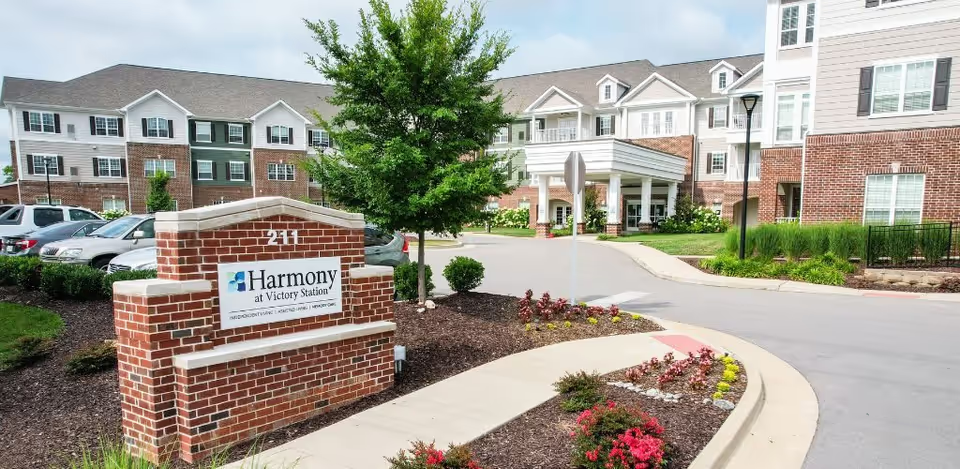
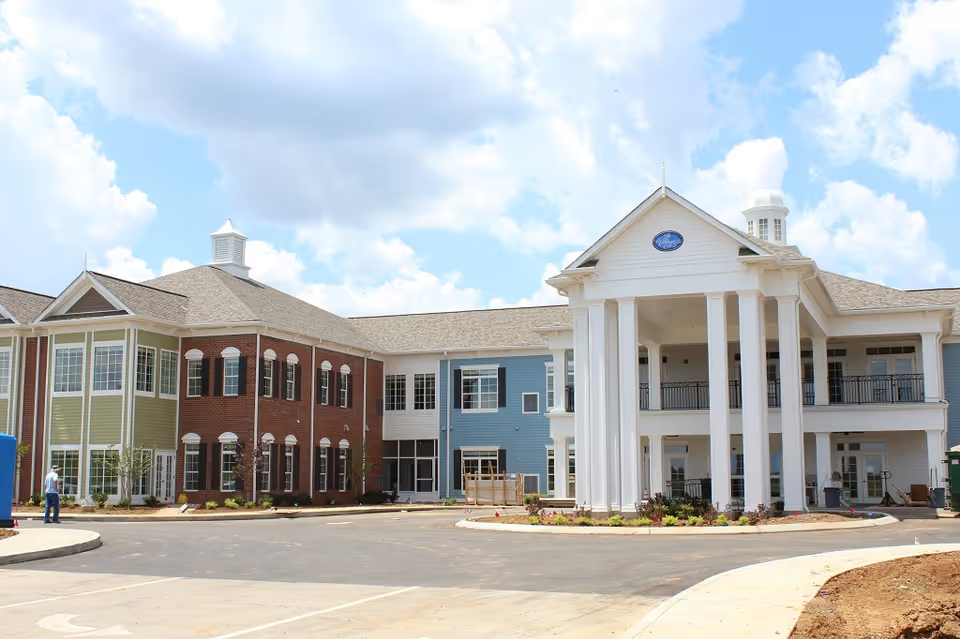
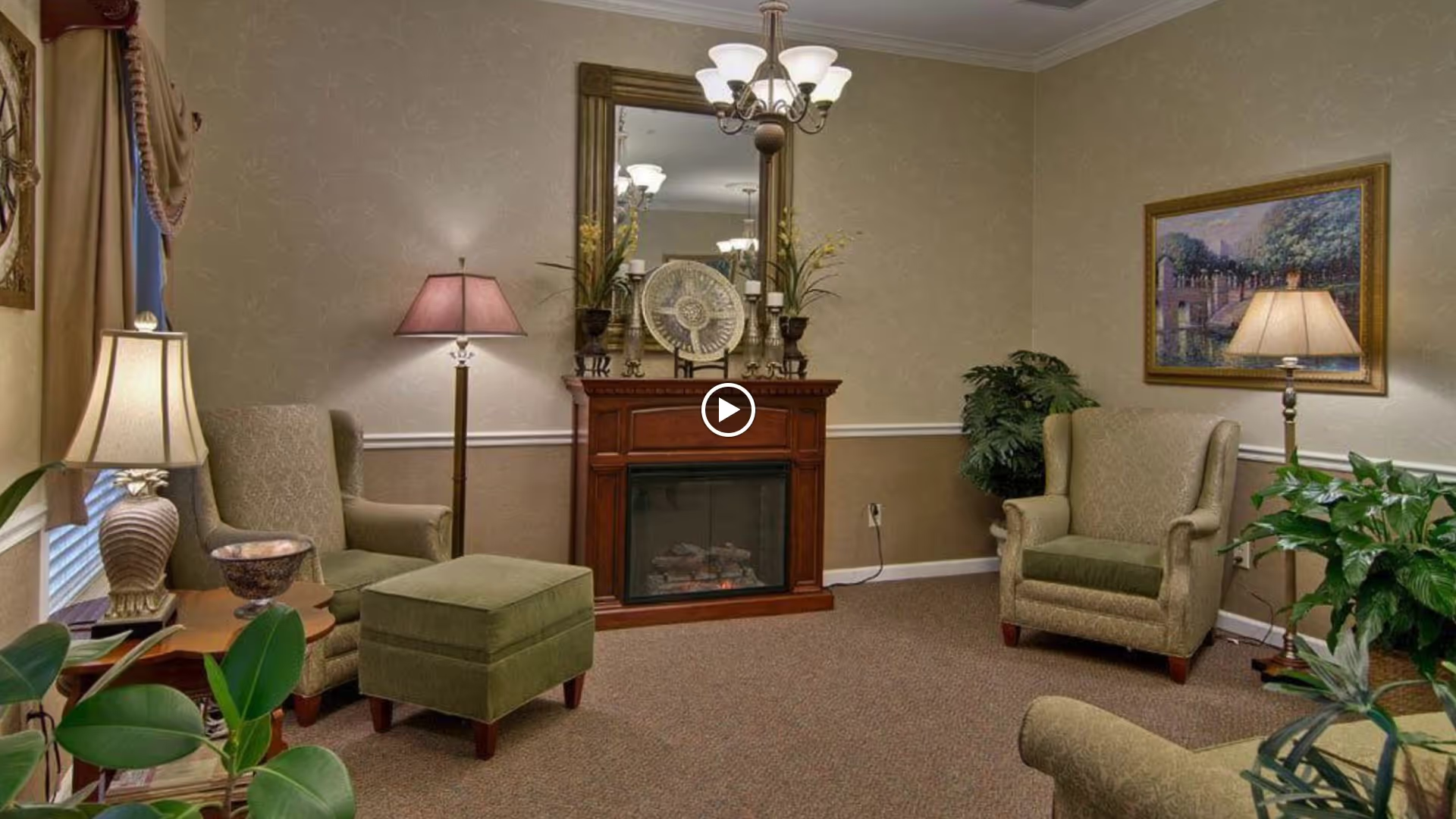
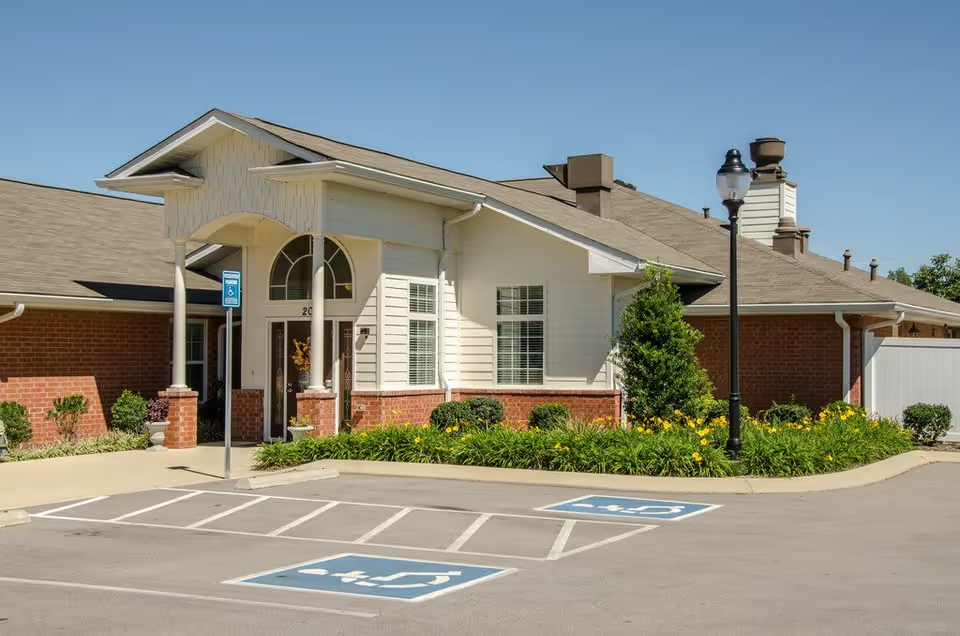
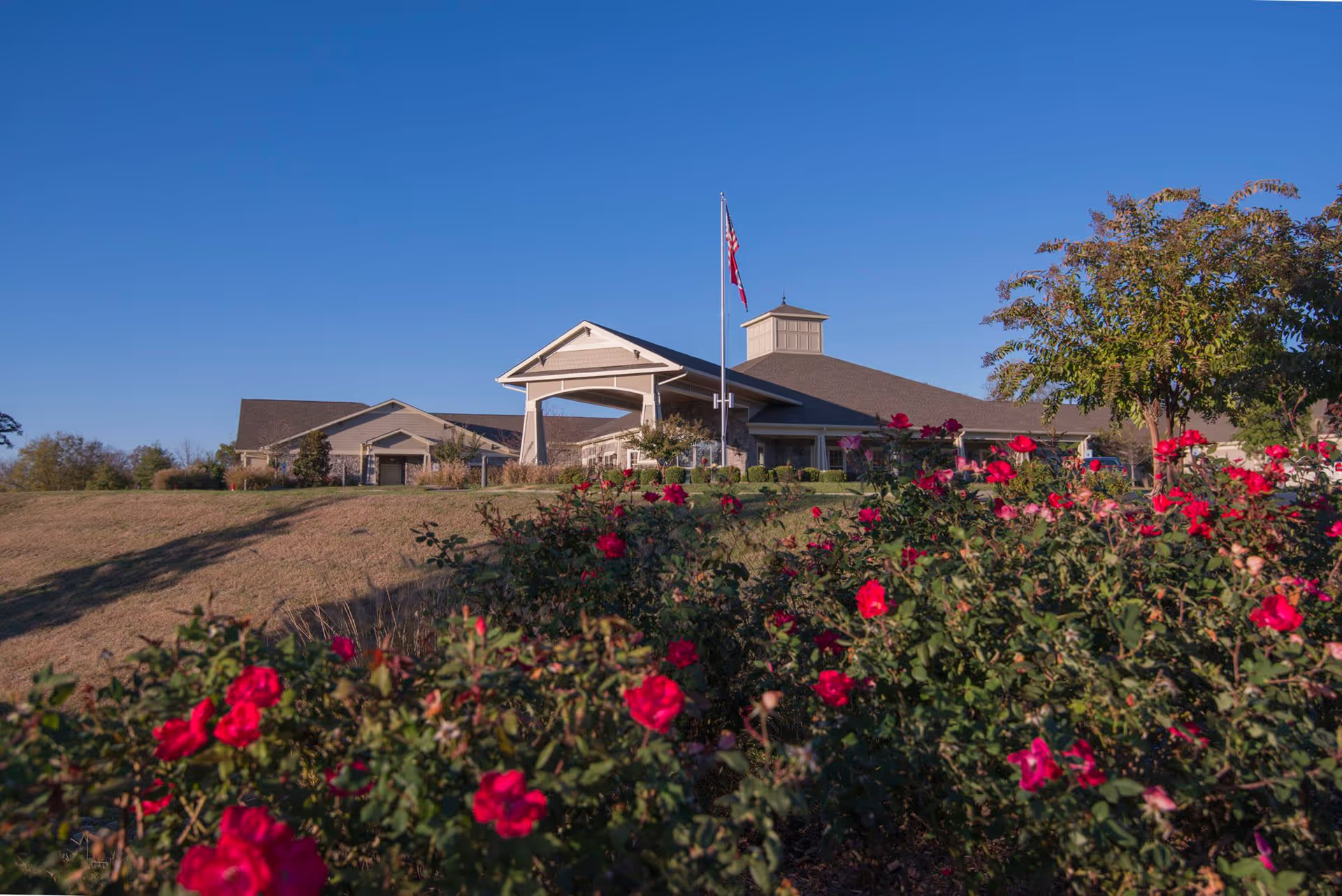
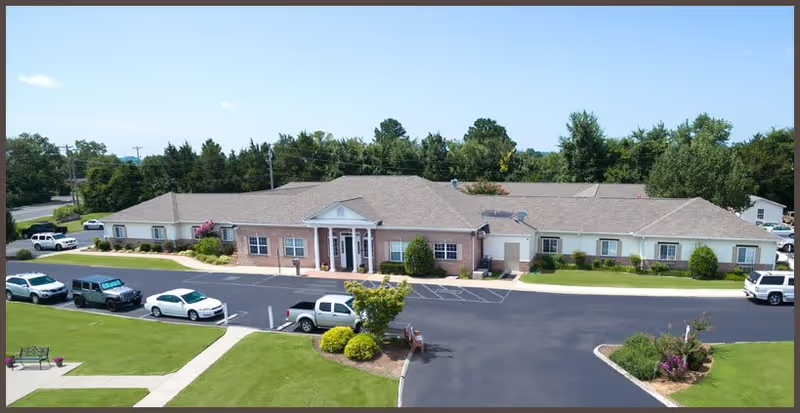
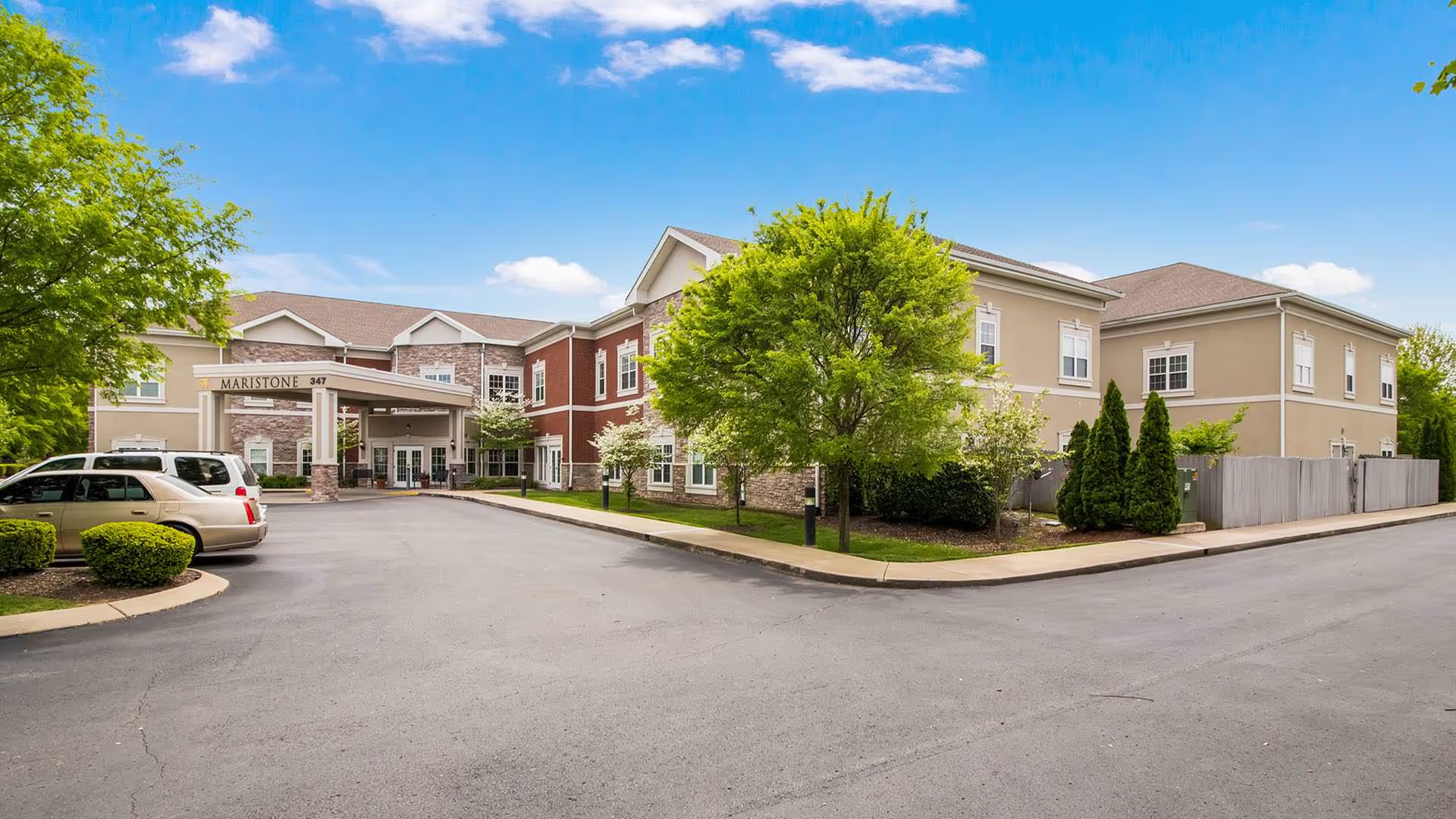
Creekside at Three Rivers presents a broadly mixed profile across reviews. The physical campus is a consistent strength: many accounts describe a newer, attractive facility with hotel-like common areas, secure courtyards, private dining spaces, and small-house memory-care villas. Onsite amenities such as a salon, therapy rooms, multiple activity spaces, and transportation programs are frequently cited. For prospective residents who prioritize environment and amenities, Creekside often rates highly.
Care quality and staff performance show notable variability. Numerous reviews praise individual caregivers, nurses, and specific managers for compassionate, attentive work and familiarity with residents. These positive accounts highlight meaningful staff–resident interactions, engagement efforts, and staff who go above and beyond during admissions and transitions. However, a distinct pattern of concerns appears around staffing levels, shift-to-shift consistency, and turnover. Reviewers describe periods when clinical staff presence and responsiveness drop, producing delays in assistance and uneven execution of care plans.
Clinical responsiveness and safety are areas to probe. Several reviews raise concerns about response time to call systems, fall-prevention and post-fall protocols, and the facility’s ability to reach external clinicians for urgent instructions. These concerns cluster with reports of hospital transfers and gaps in post-incident communication. Families should ask for specific information on staffing ratios, on-call medical coverage, fall-prevention training, and the facility’s protocol for escalating clinical issues to outside providers.
Dining and activities receive both praise and criticism. Many residents and families appreciate chef-prepared meals, a varied menu, and regular outings or entertainment. At the same time, other accounts note inconsistencies: cold meals, limited menu variety at certain meal periods, high-sodium or bland options for residents who require modified diets, and occasional cafeteria staffing gaps. Activity programming is robust on paper — with crafts, music, exercise, and outings — but execution and resident engagement can vary by pod and shift; some residents are very active while others report limited participation options.
Housekeeping, memory-care consistency, and administrative practices are mixed. While many reviews describe clean, move-in ready apartments and well-maintained public spaces, others note intermittent sanitation concerns, infrequent room cleaning in some units, and variability in personal-item management. Memory-care design (small pods and villas) is a positive feature for some families, but others report inconsistent programming or staffing in those units. Administrative issues include communication lapses, billing disputes, and isolated allegations of inappropriate sales or handling of residents’ personal items; these are serious enough to warrant direct, documented discussion during touring and contracting.
Overall pattern and recommendation: Creekside offers a well-appointed physical environment and many organizational strengths (amenities, therapy services, on-paper clinical coverage, and active programming). At the same time, variability in staffing, housekeeping, clinical responsiveness, and management follow-through creates a polarized set of experiences. Prospective residents and families should tour the specific unit being offered, request current staffing ratios and turnover metrics, review emergency and transfer protocols, ask about housekeeping schedules and memory-care staffing, and obtain written billing and service agreements. For families prioritizing facility environment and activities, Creekside may be a strong candidate; for those requiring consistently high-level clinical oversight or tightly monitored memory care, confirm operational details and recent quality metrics before committing.