The reviewer summaries describe a facility with a clear mix of pronounced strengths and recurring operational weaknesses. Many families highlight strong rehabilitative services and individual staff members who provide compassionate, attentive care. At the same time, there are recurring concerns about the consistency of clinical care, medication controls, and responsiveness. Prospective residents and families are likely to encounter very different experiences depending on the unit, shift, and recent management changes.
Care and clinical services: Therapy and wound care are among the most consistently praised services. Physical and occupational therapy staff are frequently described as effective, encouraging, and results-oriented. Several reviewers also noted strong wound-care expertise. Conversely, there are repeated concerns about inconsistent nursing responsiveness, medication-administration gaps, and occurrences that required hospital transfer. These items suggest variability in clinical processes and handoffs rather than uniformly reliable clinical governance.
Staff and communication: Many reviewers singled out individual nurses, CNAs, the Director of Nursing, and social work staff for respectful, compassionate, and helpful interactions; a number of caregivers were named specifically for dependable care. However, an opposing pattern describes delays in responding to call lights, poor family communication about condition changes, and inconsistent notification practices. There are also recurring concerns about staff conduct and professionalism that range from brusque communication to confrontational interactions. Families considering the facility should ask directly about communication protocols, nurse-to-resident ratios, and escalation practices.
Dining and activities: Dining impressions are mixed. Some families found the food acceptable for an institutional setting and noted an engaging activities program (bingo and other events), while others described poor meal quality and inadequate accommodation of special diets. Activity programming and a family-like atmosphere received positive mentions and appear to be programmatic strengths when staffing allows.
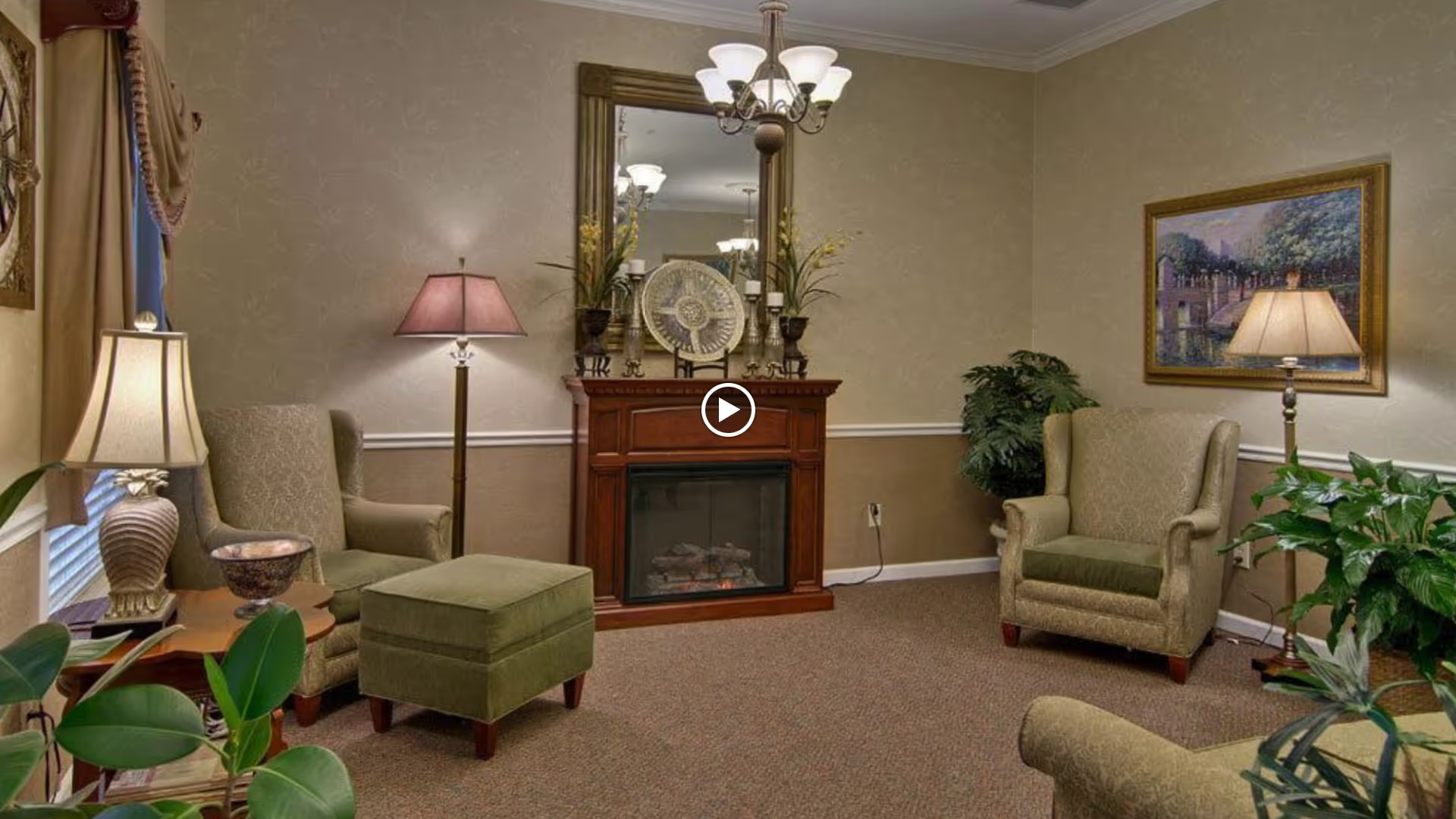
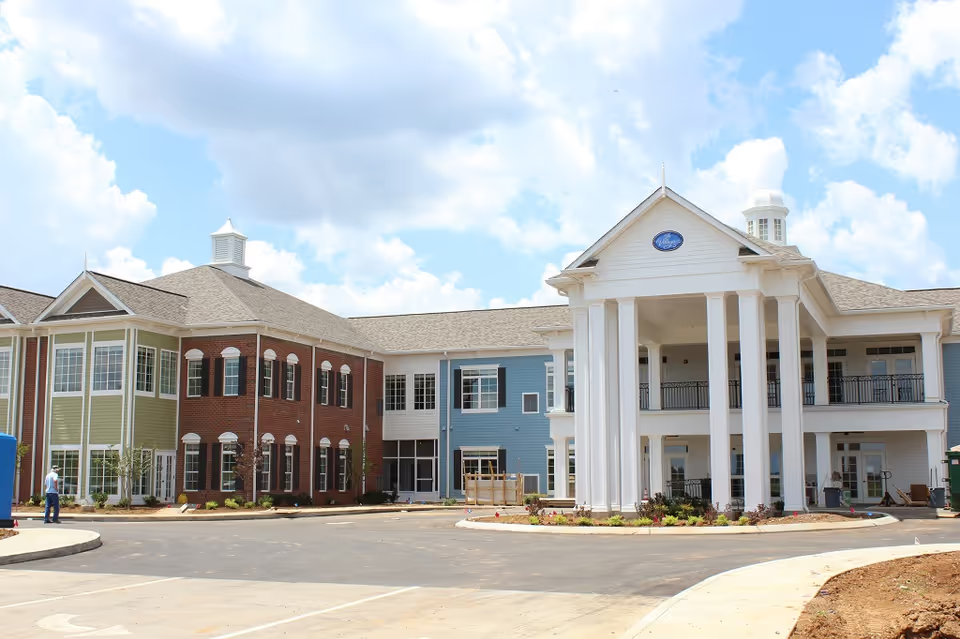
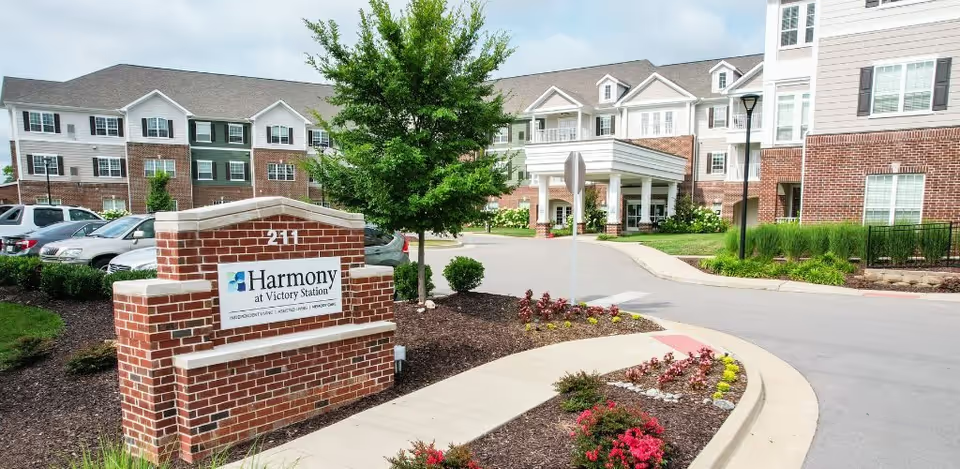
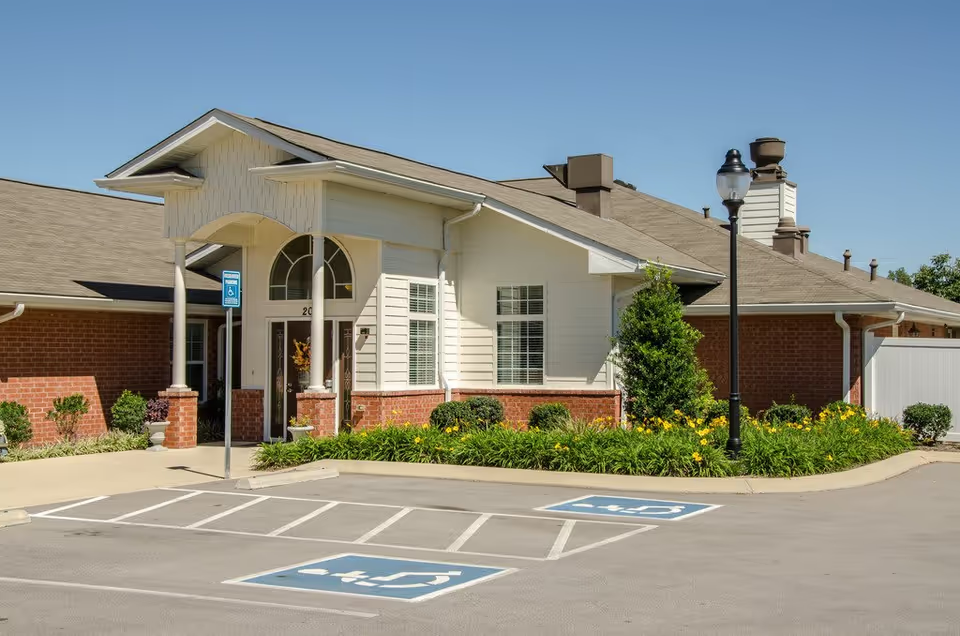
Facilities and management: Comments describe an older building with some outdated equipment and maintenance issues (e.g., wheelchairs and bedding-management concerns). Administrative inefficiencies — including record-handling, voicemail/phone availability, and general paperwork delays — were noted alongside praise for visible improvements under new ownership and for proactive administrative staff. Recent management changes appear to have produced noticeable improvements for some families, but operational inconsistencies remain.
Notable patterns and guidance: The overall tenor is polarized — strong individual caregivers and excellent therapy services coexist with systemic reliability problems in medication management, staffing, and family communication. For decision-making, families should prioritize direct questions about recent staffing levels, medication-administration protocols, hospice and end-of-life coordination, meal accommodation policies, and the facility’s process for informing families about condition changes. A detailed walk-through and conversations with therapy, nursing leadership, and social work can help clarify whether the facility’s strengths match a prospective resident’s needs.