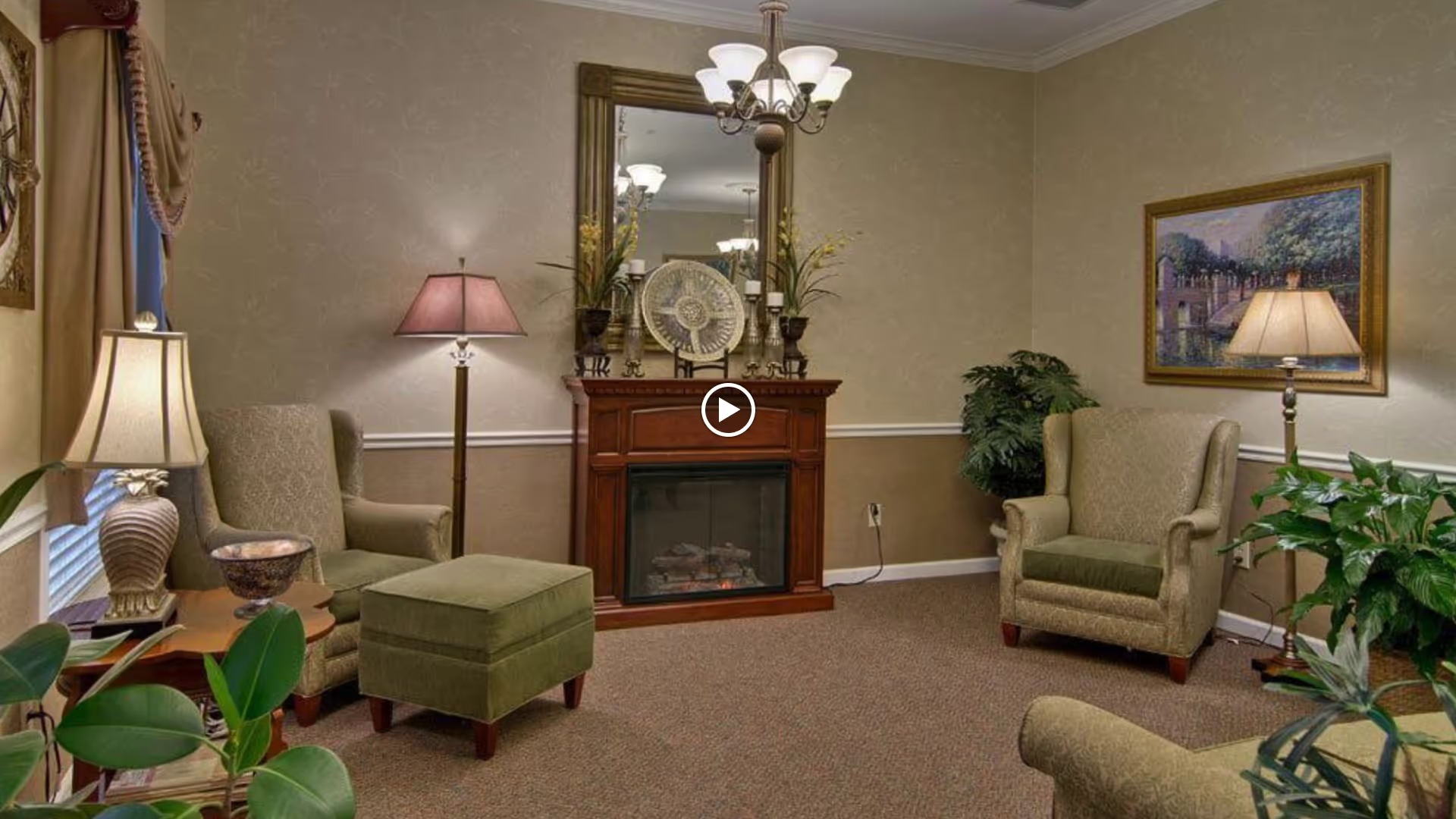
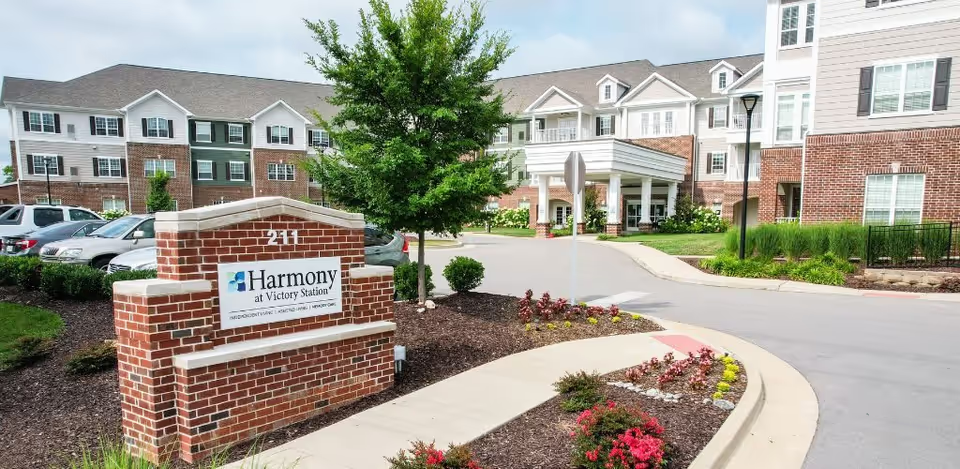
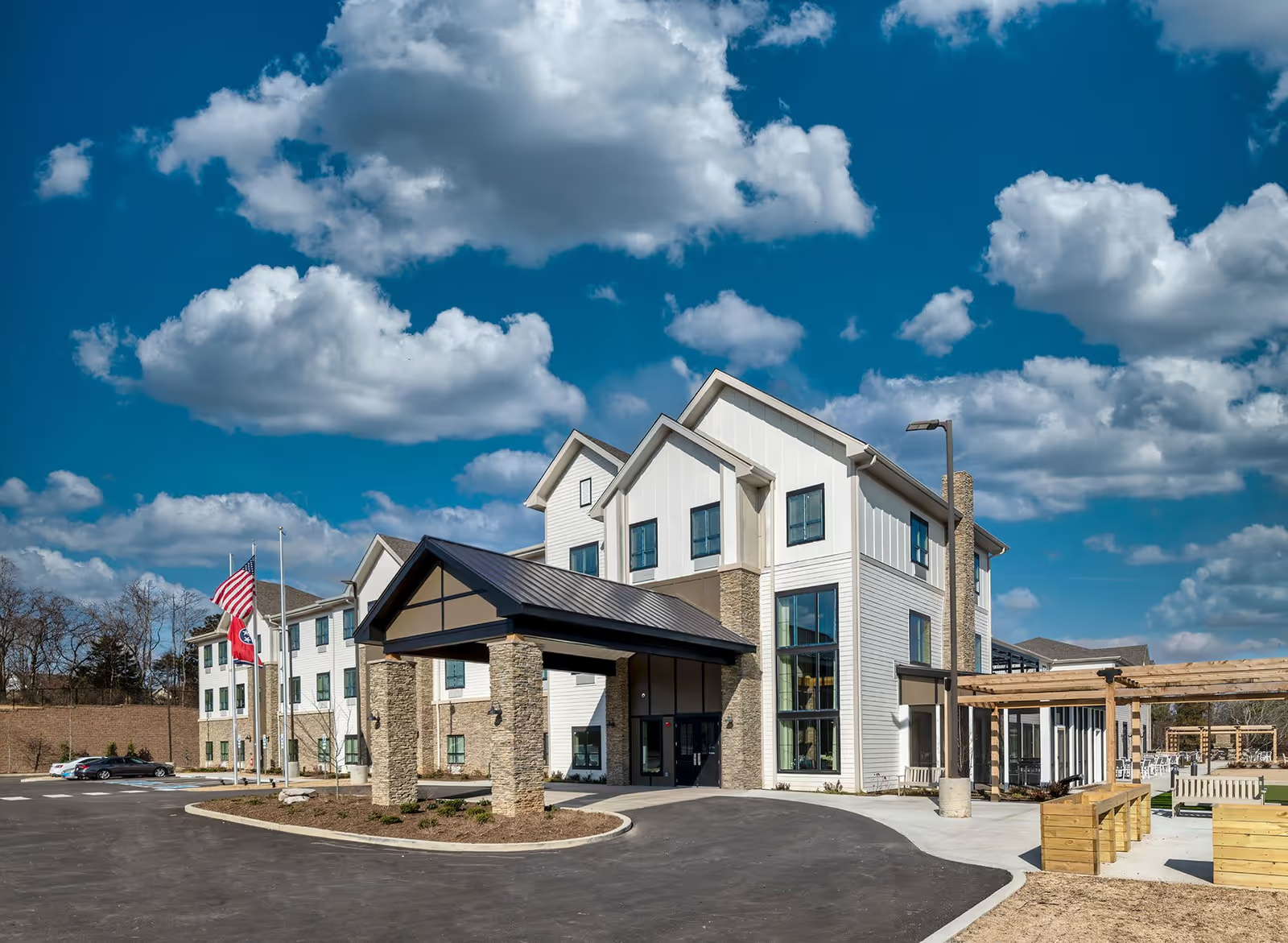
Stones River Manor elicits strongly mixed but specific impressions. A substantial portion of feedback praises the caregiving team: reviewers describe compassionate nurses, aides and therapists, 24/7 clinical coverage, and the ability to support aging in place including hospice services. Families frequently compliment staff communication, thoughtful orientation for new residents, and a generally warm, home-like social environment. The facility’s faith-based, nonprofit identity is central to its culture; regular worship services, Bible study and other spiritual supports are available and valued by many residents.
Dining and programming are prominent positives for many residents — the community offers family dining events, hot meals served on schedule, afternoon snacks, and special dining occasions. Recreational offerings are broad: arts-and-crafts, live music, puzzle and game areas, bingo, garden and gazebo spaces, frequent off-site trips, and themed events such as an annual arts fair and yard sale. There are convenient amenities like an aviary and aquarium, activity rooms, and well-kept outdoor areas that support social engagement and mobility for walkers and wheelchairs.
At the same time, reviews show recurring operational concerns. Food quality and meal service reliability are inconsistent across accounts, ranging from praise to serious dissatisfaction. Pest-control concerns, including slow remediation, appear as a notable operational weakness that prospective families should inquire about. Several accounts point to uneven staff professionalism and occasional lapses in infection-control practices and PPE adherence; these indicate variability in day-to-day practice rather than uniform performance. Maintenance responsiveness (for requests such as Wi‑Fi hookup) and limited privacy-policy flexibility (strict prohibitions on in-room cameras) were also raised as issues.
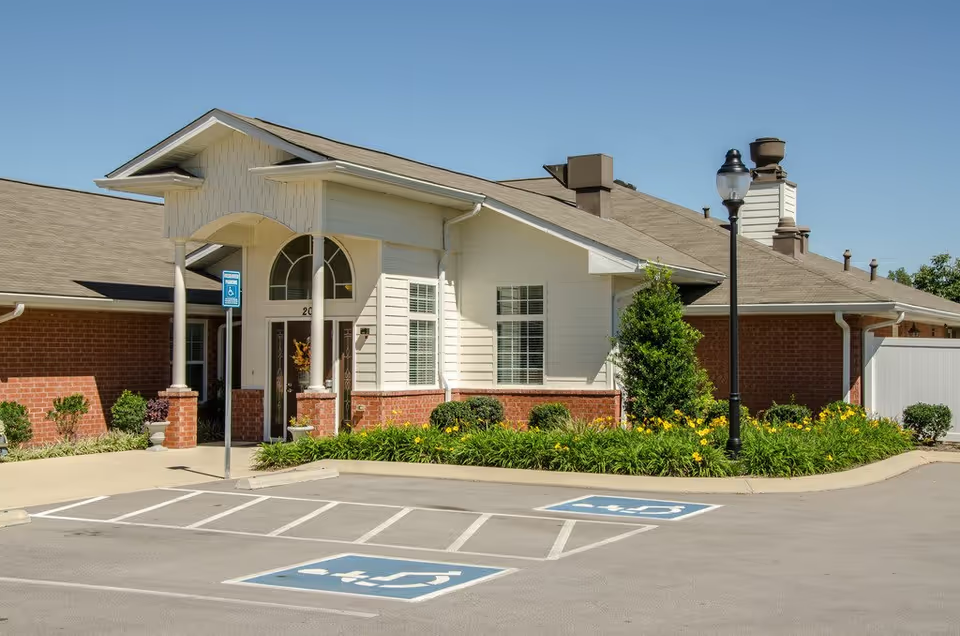
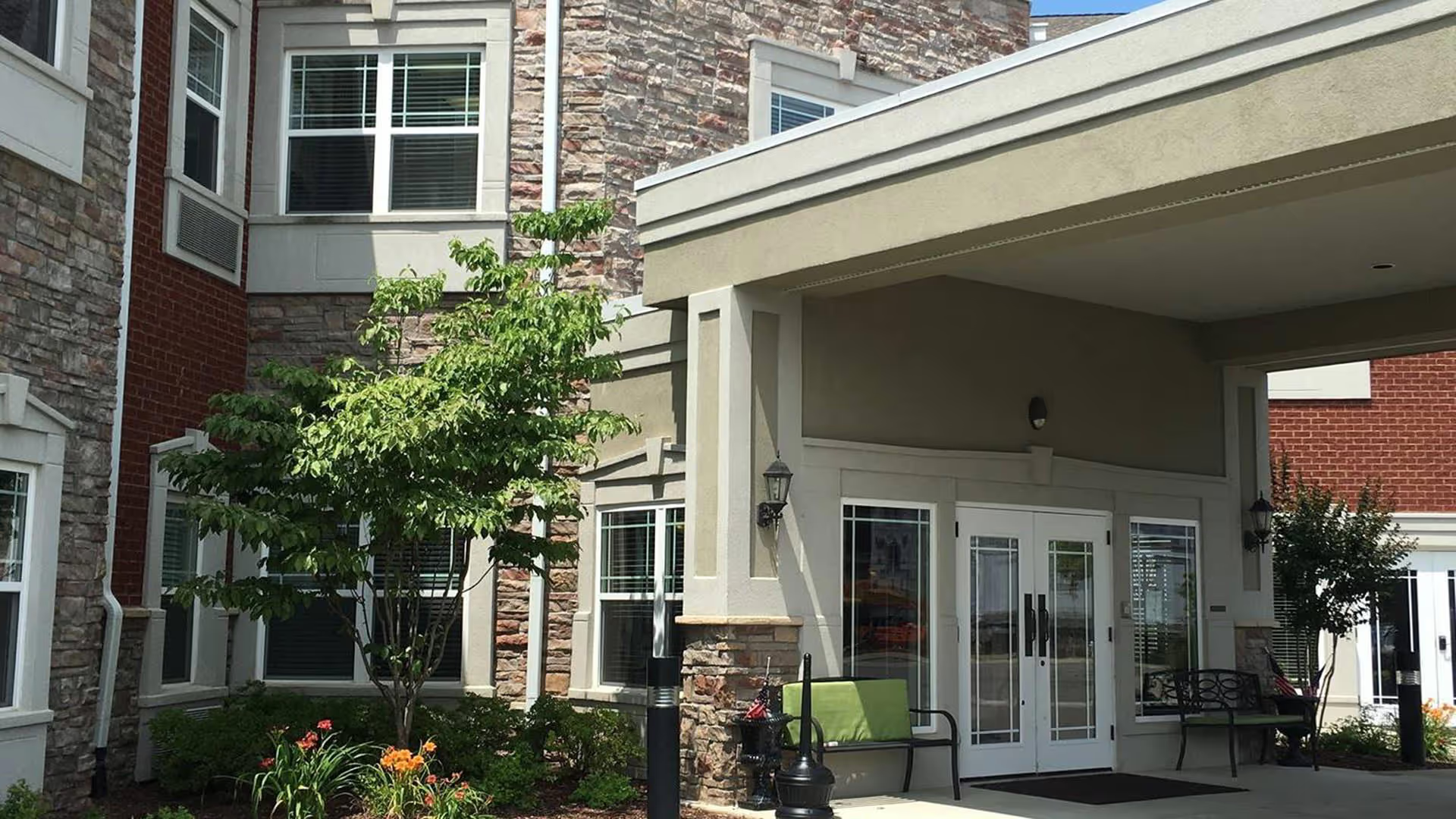
Facility layout and housing choices are strengths for many but have trade-offs. The campus is large, well-landscaped and largely single-story, which users find easy to navigate; multiple housing styles and secured memory-care units are offered. However, some apartments and resident rooms are described as small and lacking kitchenettes in certain units. The memory-care neighborhood is relatively large, which some reviewers worry may be less suitable for residents who need smaller, more contained groups and more individualized stimulation.
Management and governance produce mixed impressions. Many families praise an upfront director, thorough admissions orientation, and proactive family communication. Conversely, there are allegations concerning administrative transparency, additional fees (for example meeting-room charges), and accountability for staff conduct in some instances. Given the polarized feedback — from highly satisfied families to accounts describing serious operational problems — prospective residents and families would benefit from an in-person tour, conversations with current residents and families, and targeted questions about pest-control history, staffing continuity and ratios, medication/meal-timing procedures, infection-control protocols, memory-care programming specifics, housekeeping schedules, and a clear written fee schedule before making a placement decision.