Families often describe The Rutherford as a relatively small, home-like memory-care community with caring staff. Positive accounts highlight warm interactions, attentive support, and residents settling in comfortably. Some families report that staff keep them informed about progress and care changes, and several appreciate help during the transition into memory care. Other accounts, however, raise concerns about staffing capacity, responsiveness, and the consistency of supervision and care.
Activities are a frequently praised feature. Reviewers describe daily calendars that can include bingo, crafts, exercise, music, outings, and opportunities for social connection. Activity staff and leadership receive particular appreciation. A few families felt their relative was not consistently encouraged to participate, suggesting that engagement may vary by resident or staffing circumstances.
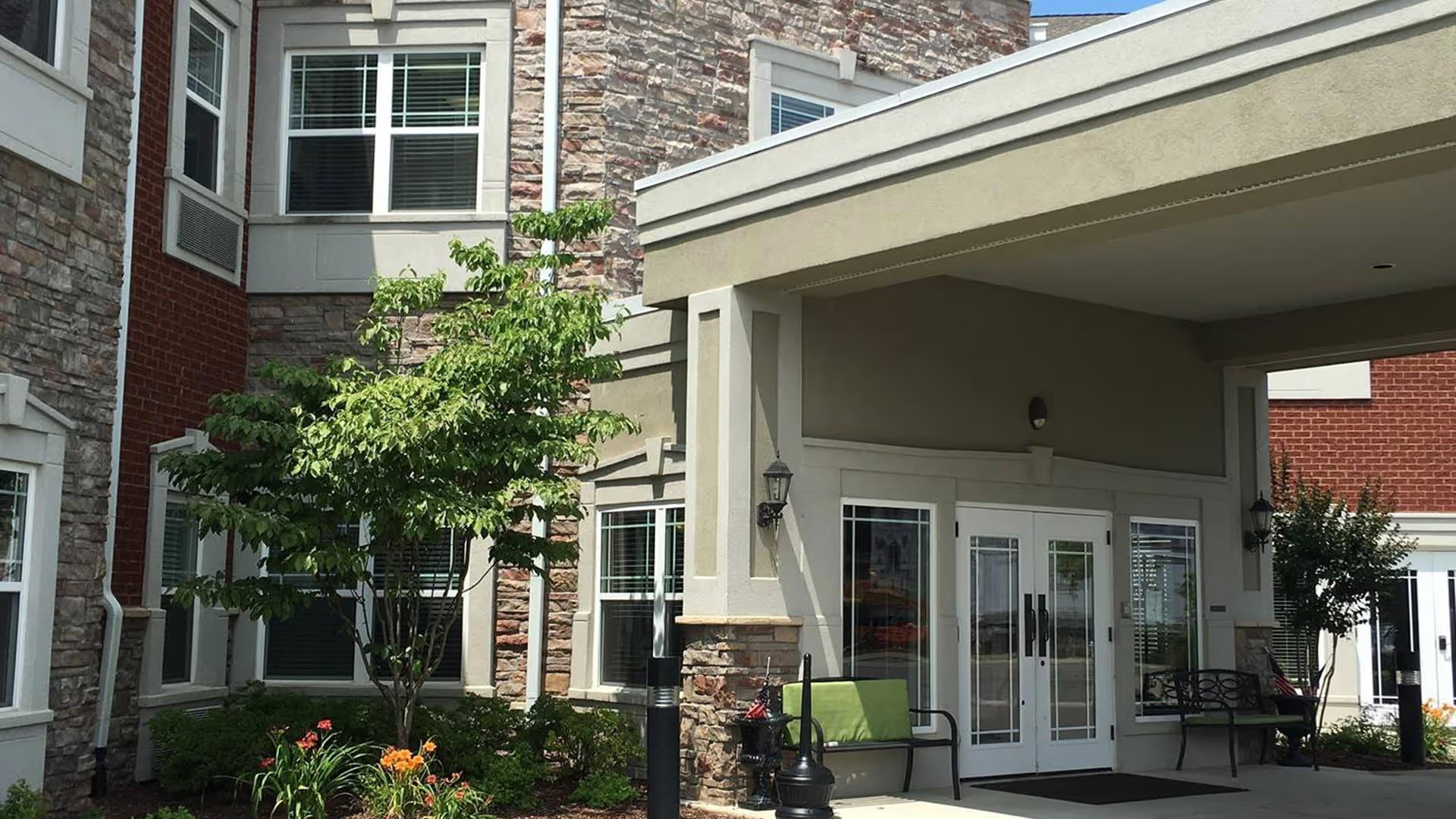
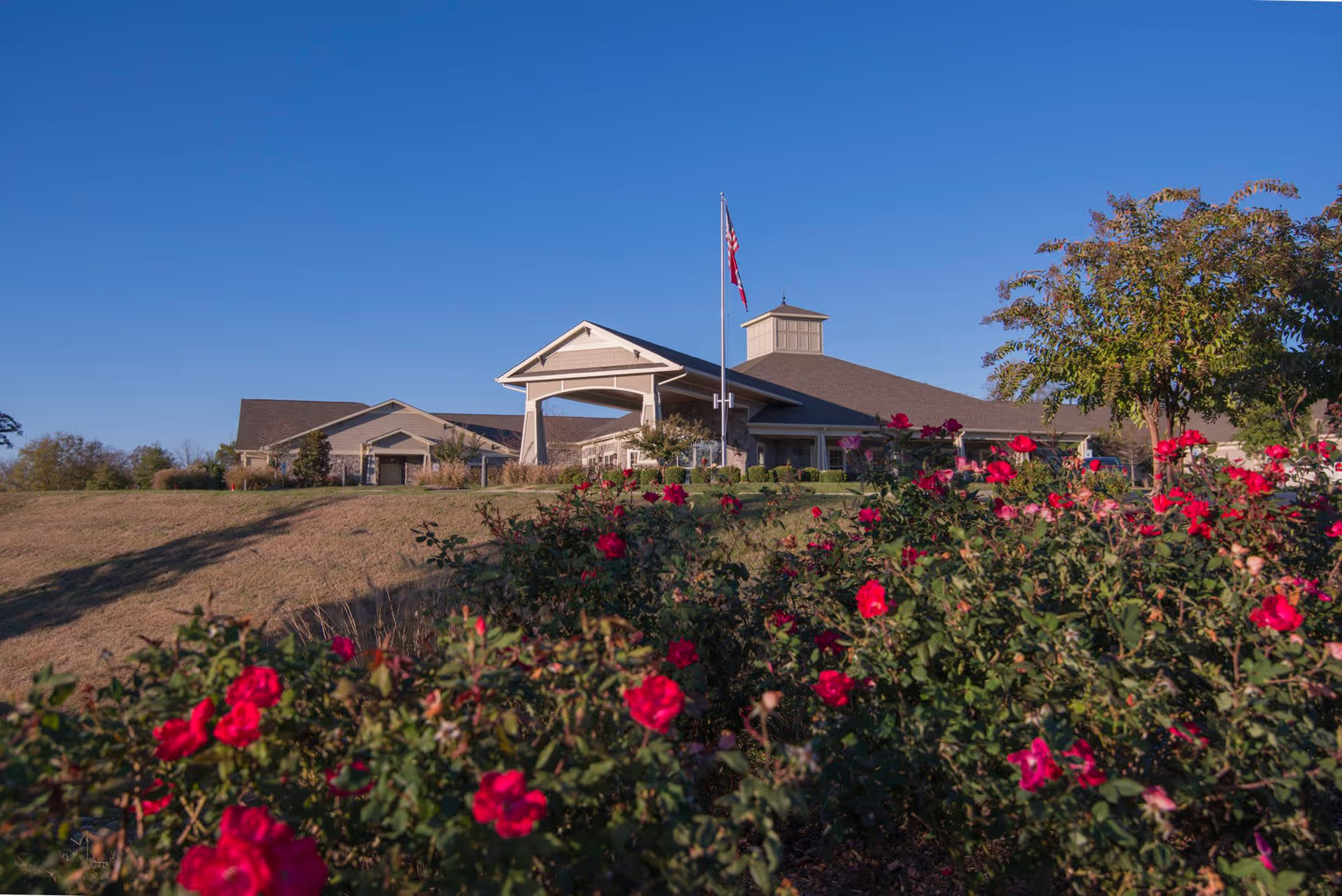
Dining feedback is mixed: some residents enjoy the food, while others’ families describe meal quality as only adequate or poor. One account also raised concerns about inconsistent access to basic meal items. Facility impressions vary as well. Many visitors describe clean, tidy rooms and appealing furnishings; others noted dated bathrooms, room odors, or areas needing more upkeep. The setting is described as secure, with a locked memory-care area, monitored access, and outdoor space. One visitor noted a multilevel layout, while another described a pod-based arrangement.
Safety and clinical oversight are important considerations. Some accounts praise residents’ security, while others describe staffing shortages and shortcomings in supervision or fall-prevention response. One family alleged that their relative was injured by another resident on two occasions and felt the response did not adequately address safety. Another family raised concerns about repeated falls and communication during hospice care, including concerns following a resident’s death. These are individual accounts, but they underscore the value of asking the community about staffing coverage, fall-prevention procedures, incident notification, and how care plans are adapted to residents’ needs. A separate family described difficulty reaching the on-site physician and obtaining help with medication affordability. Overall, experiences are notably mixed: strong appreciation for staff compassion and activities coexists with concerns about staffing, facility upkeep, dining consistency, and clinical communication.